17,700 light-years from Earth, a group of dead stars known as "spider pulsars" are obliterating companion stars in their orbit with winds of energetic particles. @ChandraXray is helping astronomers study the cosmic feast: https://t.co/eD4N66hTlo
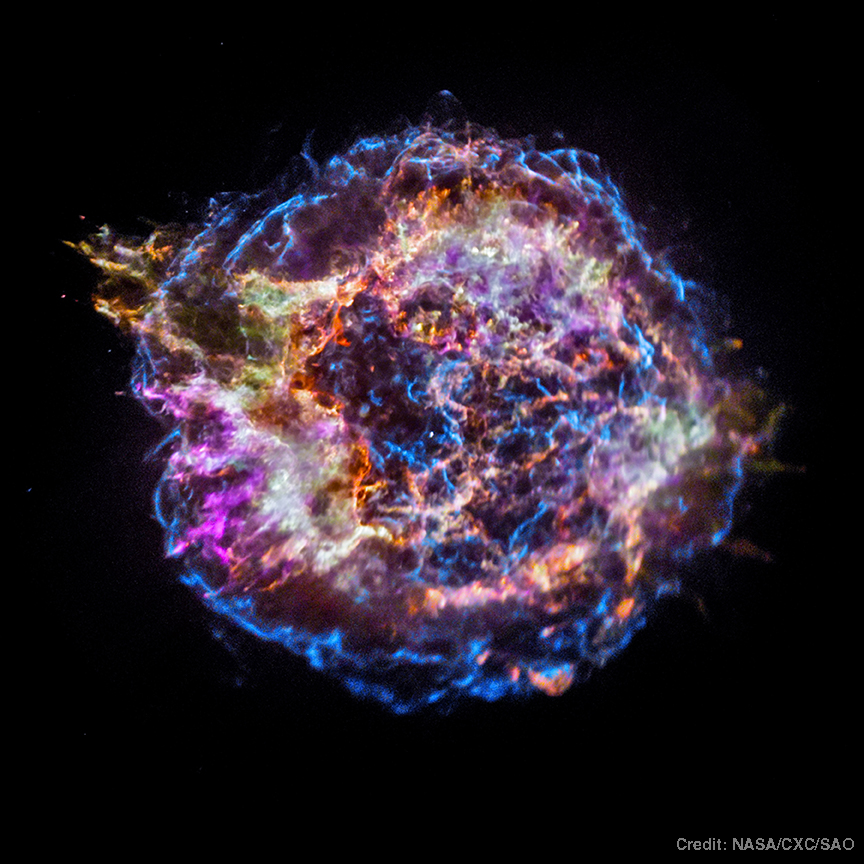
From calcium in our bones to iron in our blood, we are made of star stuff. But how does the universe make and distribute these elements? @JAXA_en’s recently launched XRISM telescope will study the objects and events that created the “cosmic recipe” of our present-day universe.
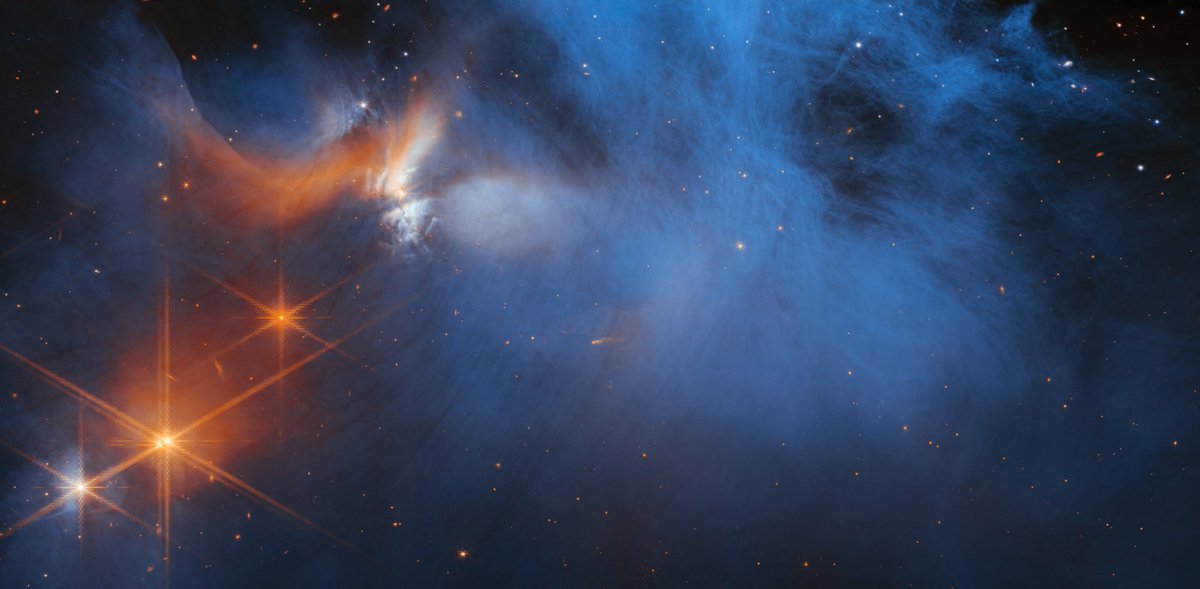
En esta nube molecular (donde nacen estrellas y planetas), científicos de @NASAWebb hallaron diversos ingredientes congelados. Estas moléculas de hielo de dióxido de carbono y metano, entre otros, podrían convertirse en componentes básicos de la vida: https://t.co/qV3NdWw0EZ
On #VeteransDay, we honor those who served and salute the many veterans who have supported the Hubble mission both on the ground and up in space.
This snapshot shows veteran Joseph R. Tanner during a spacewalk on Hubble’s second servicing mission.
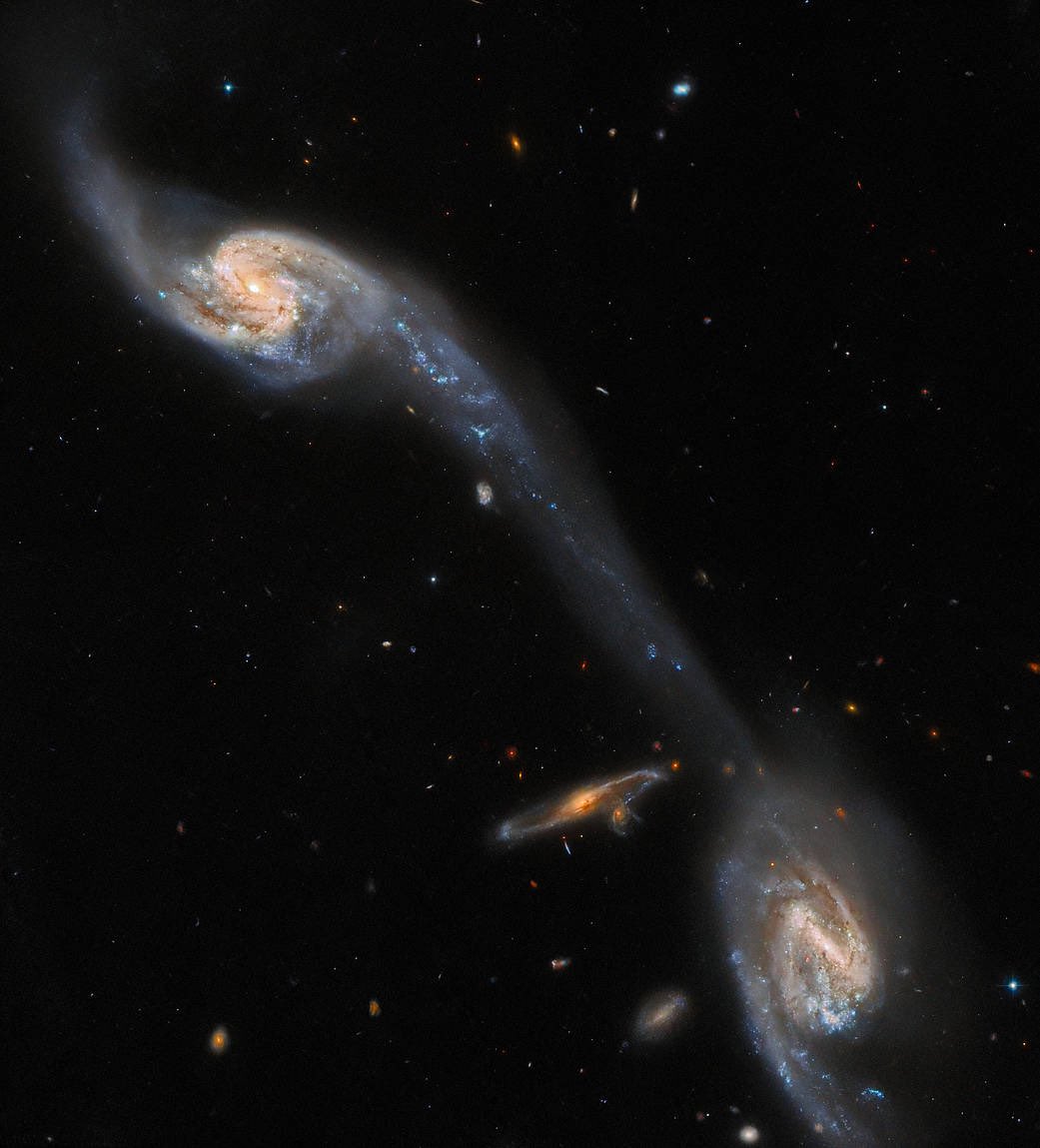
Take a look at this.
Two galaxies connected by a cosmic bridge.
This is known as a tidal tail, formed by the mutual gravitational attraction of the galaxies. Space is stunning.
When I talk about NASA Science missions, I always say “the most important one for me is @NASASun WIND, because it carries the first piece of space hardware I ever built.” WIND had its 28th year anniversary yesterday (🚀 11/1/94). It def exceeded the 2 year lifetime. #Congrats!