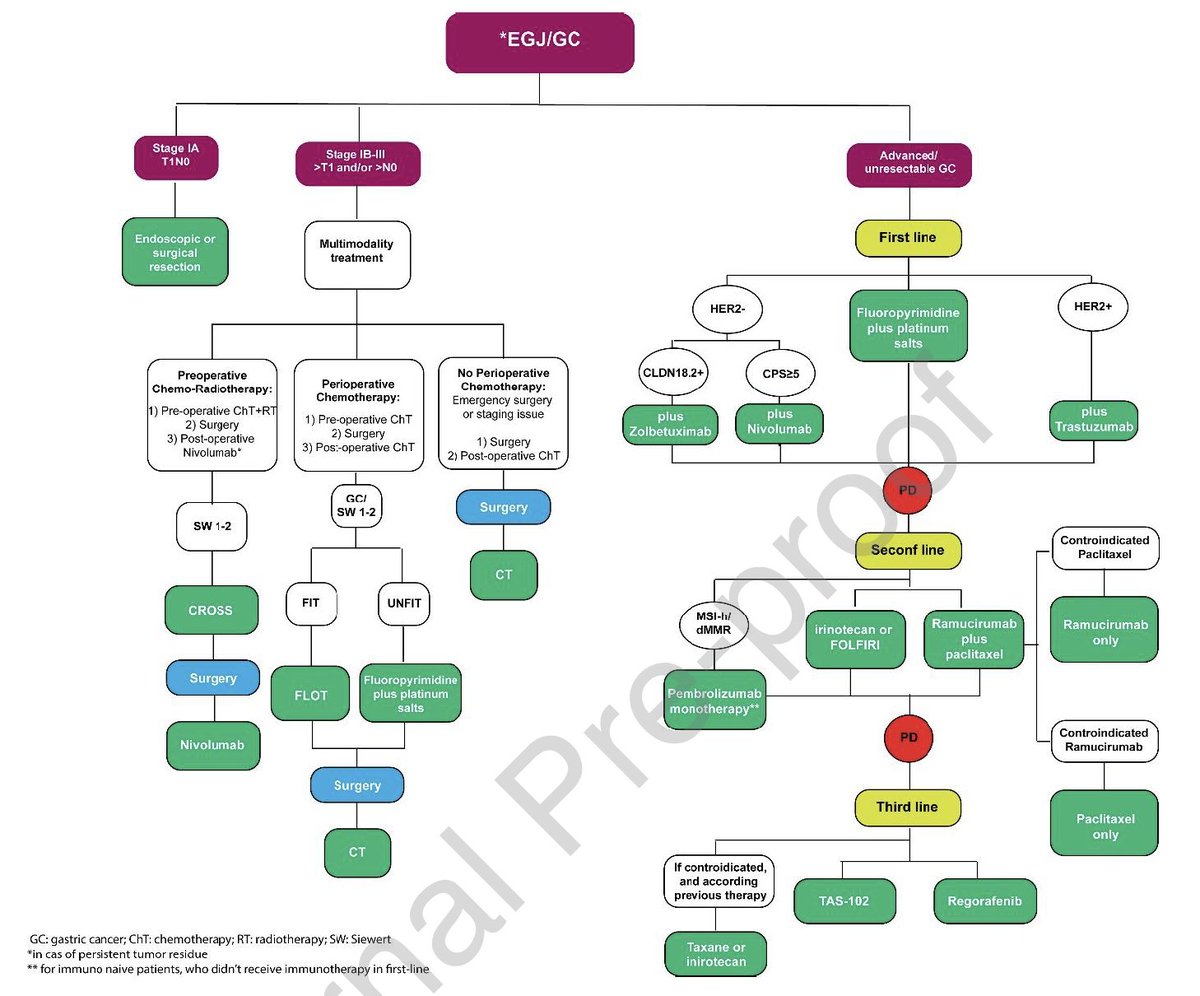
Treatment of gastric adenocarcinoma: A rapidly evolving landscape
European Journal of Cancer
https://t.co/COTOODaR24
👏Excellent summary
👉Many evolving opportunities - multimodal treatmenet
👉IO + targeted therapies in advanced setting
👉Multiple biopsies at diagnosis are key...
@myESMO
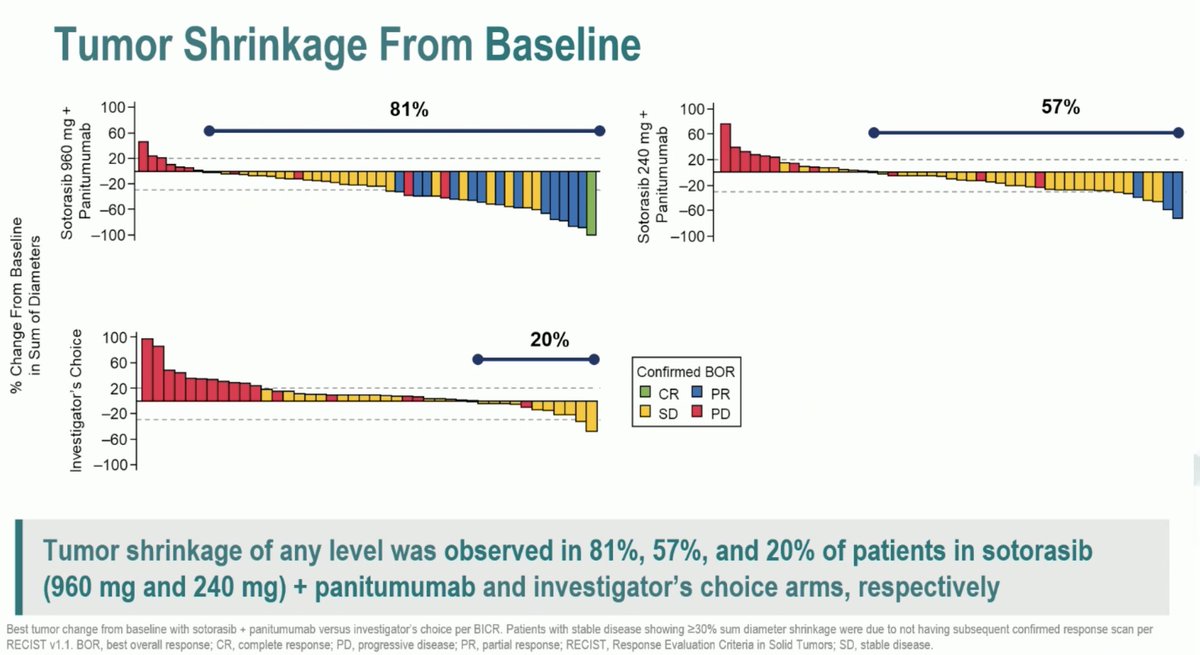
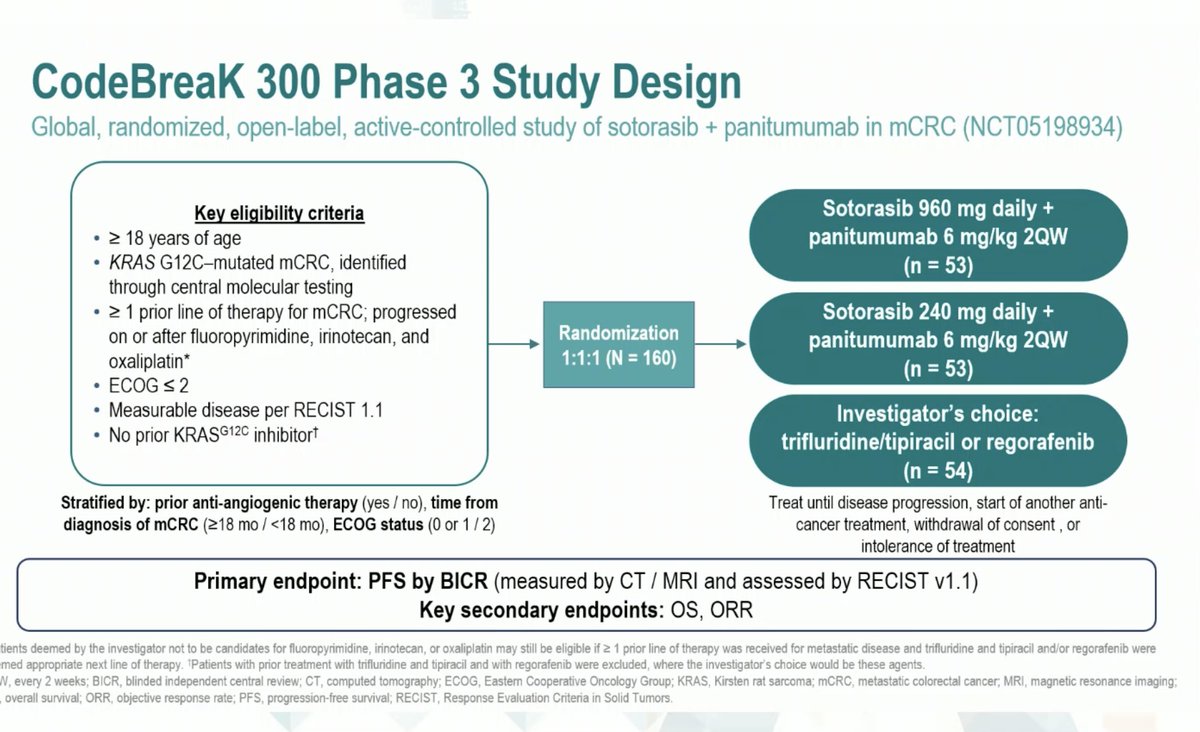
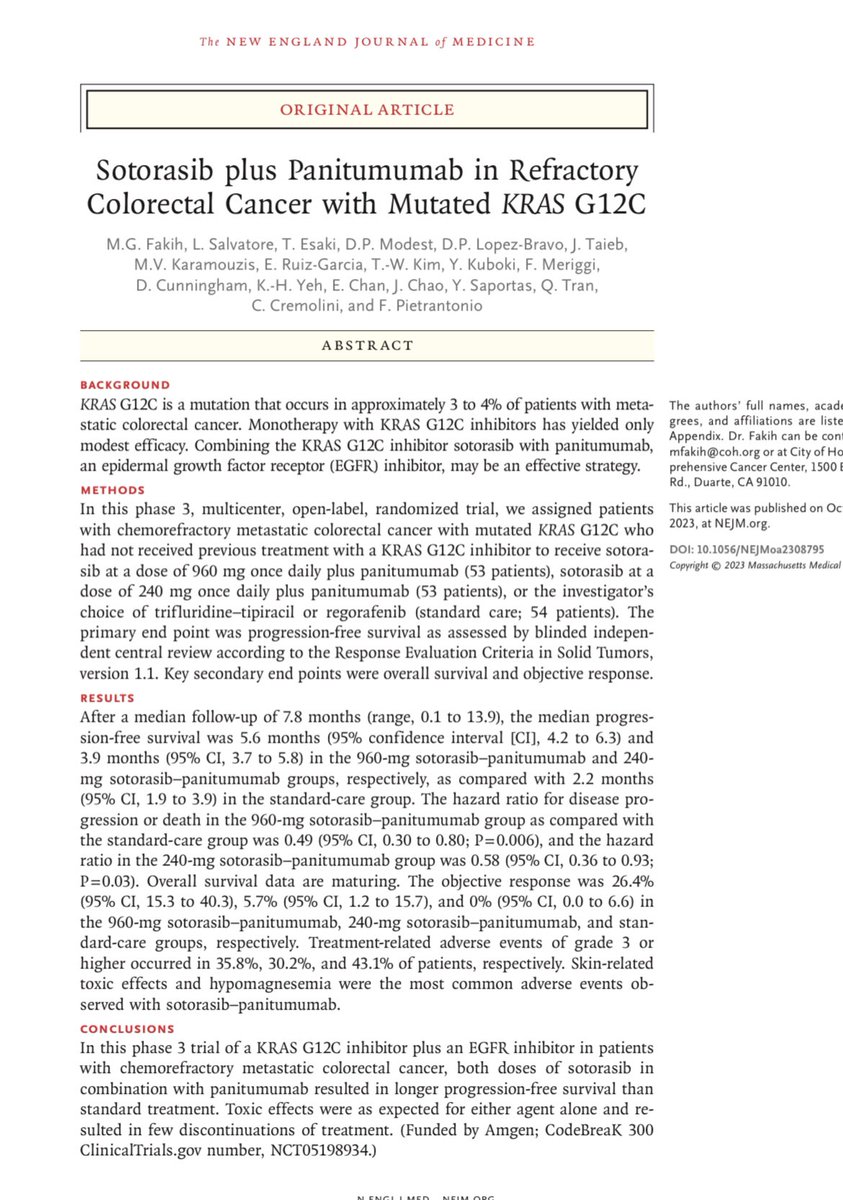
🔥Sotorasib plus panitumumab vs SOC for mKRASG12C mCRC #ESMO23
✅ CodeBreak 300 phase III
👉960 vs 240 vs plc
👉ORR 26.4 vs 5.7 vs 0
👉DCR 71.7 vs 67.9 vs 46.3
👉mPFS 5.6 vs 3.9 vs 2.2
👉OS: hmm…
🧐met 1° EP, definitely an option, but maybe earlier & w/ CTx
@myESMO
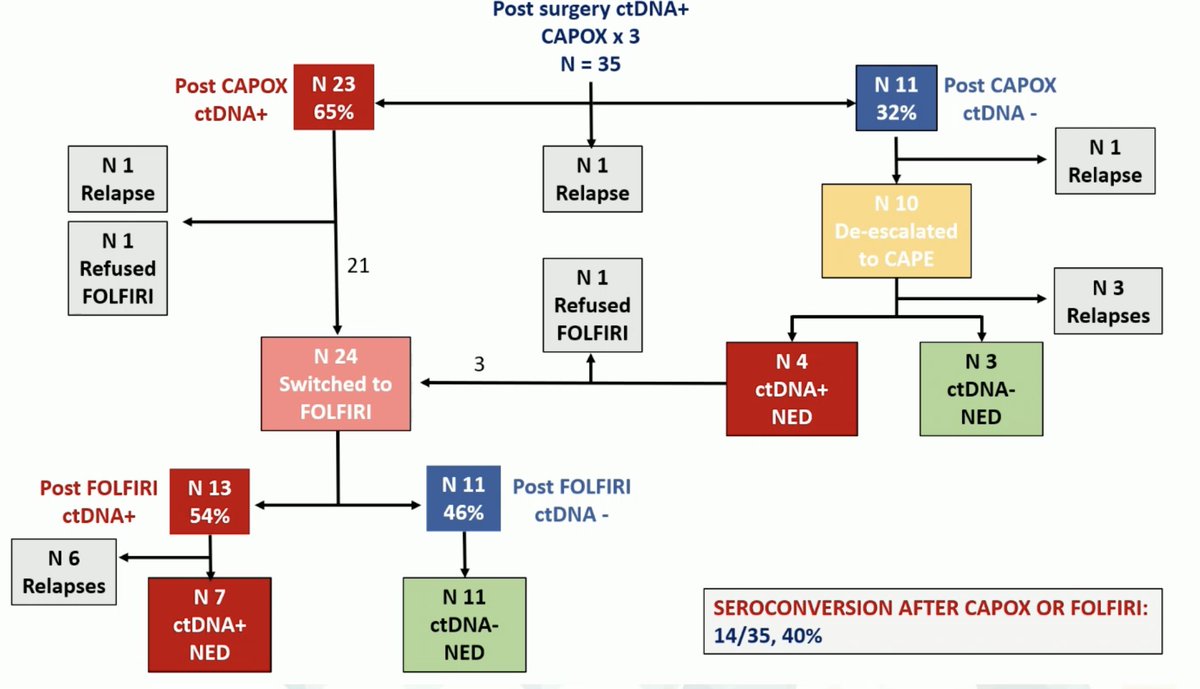
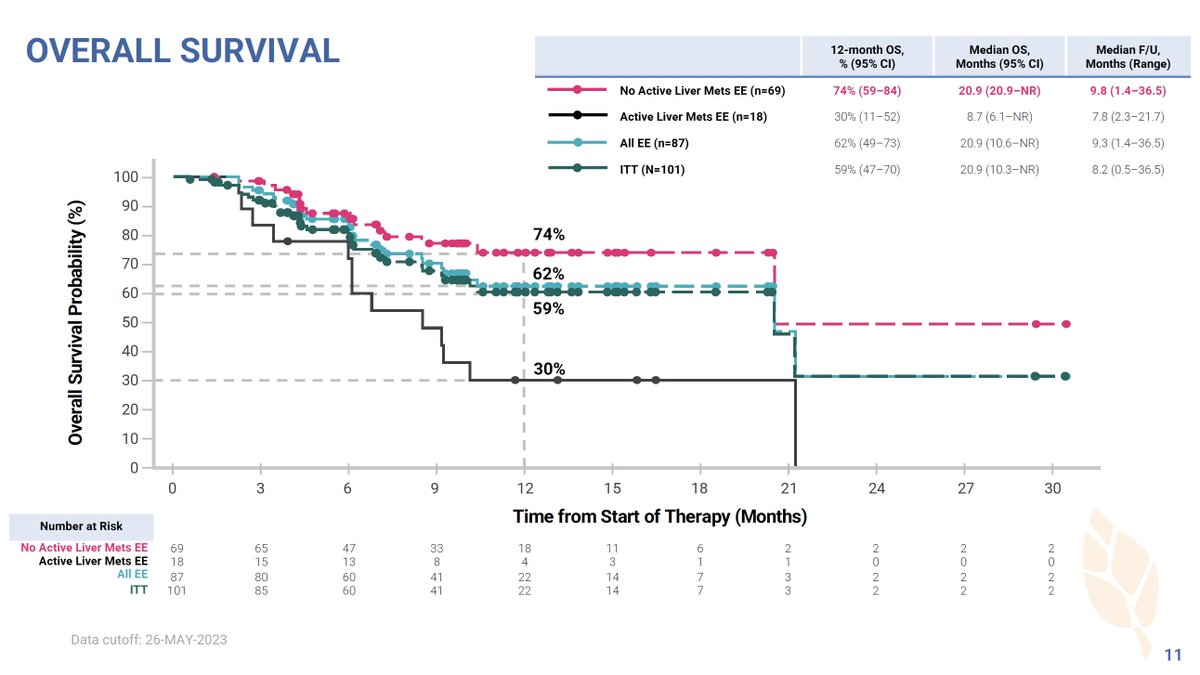
🔥Post-surgical liquid biopsy-guided treatment of stage III and high-risk stage II colon cancer patients #ESMO23
✅PEGASUS phs-II, 135 pts
👉Post-OP ctDNA: 35/135 pts (26)
👉ctDNA+ w/ increased risk of relapse, HR 4.37
👉Seroconversion in 40% of LB+
👉Promising benefit for LB guided treatment
@myESMO
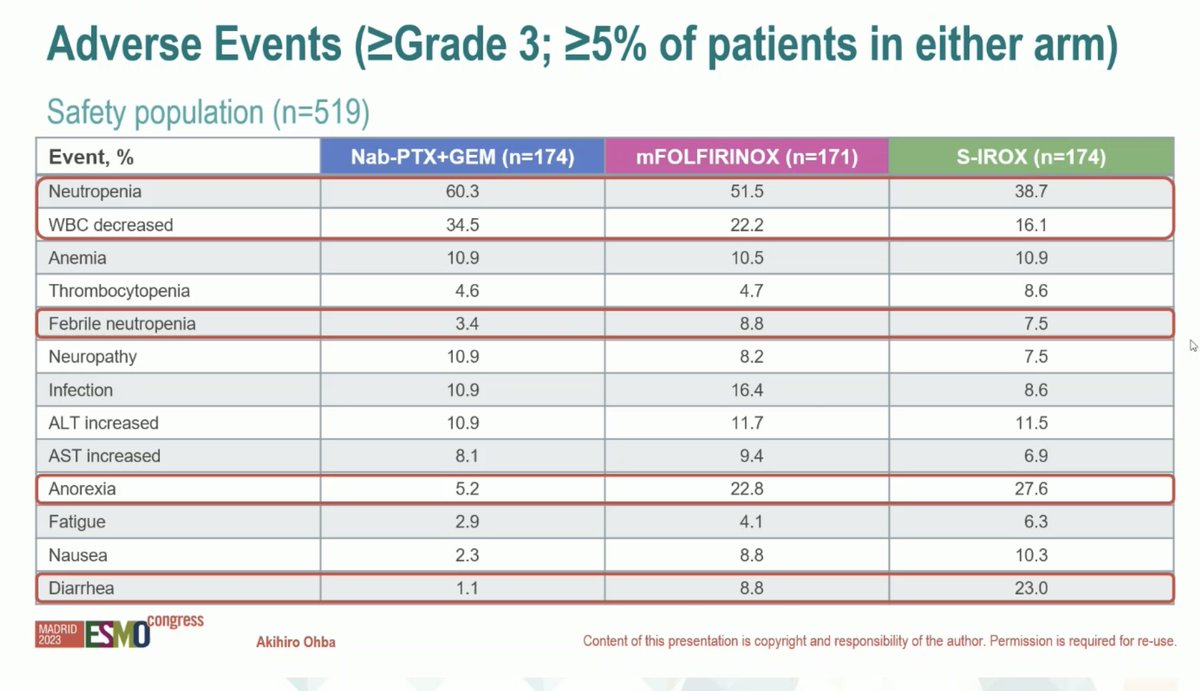
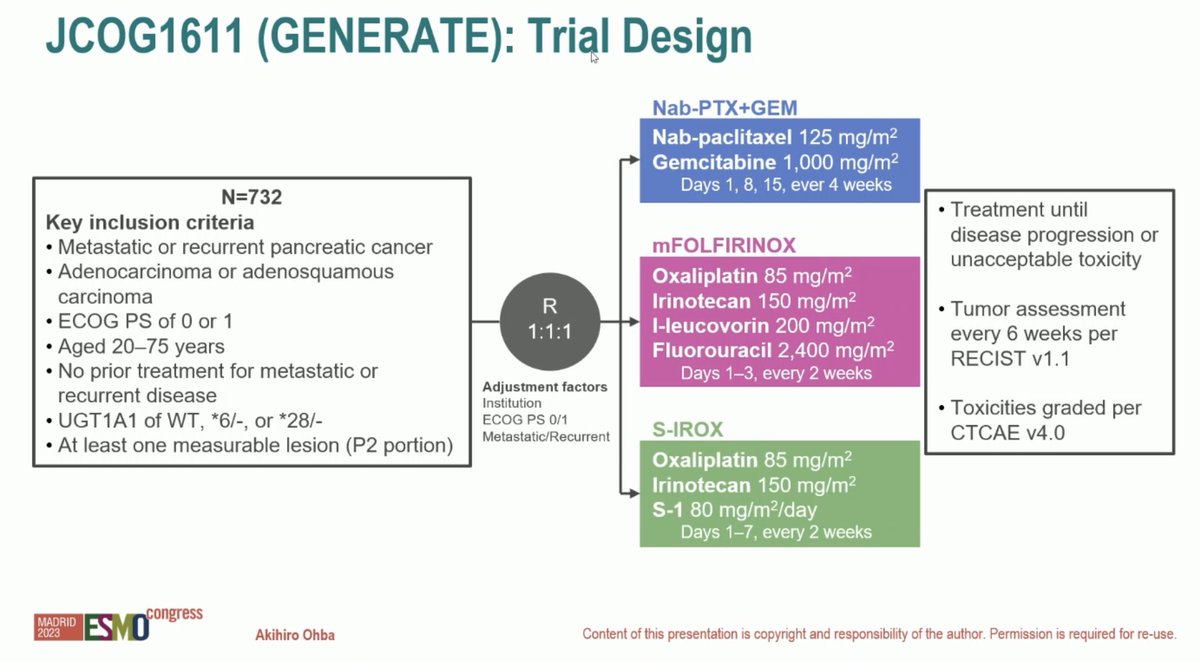
🔥Nab-paclitaxel + gemcitabine vs mFOLFIRINOX vs S-IROX in #PDAC#ESMO23
✅GENERATE 🇯🇵 phs-II/II, 527 pts
👉ORR 35 vs 32 vs 42
👉mOS 17 vs 14 vs 13.6 mo
👉mPFS 6.7 vs 5.8 vs 6.7
👉 more tox for triplet
🧐phs-3 terminated for futility, control arm outperformed, still a role for Triblet
@myESMO
#ESMO23#crcsm
➡️ What is the benefit of EGFRi + triplet chemo in unresectable RASwt mCRC?
📌 PANIRINOX 🇫🇷 & TRICE 🇨🇳
- no ORR or PFS benefit seen with triplet over doublet
- c/w TRIPLETE 🇮🇹
📌 DEEPER 🇯🇵
- similar ORR with triplet EGFRvBev but depth of response better
My takeaways
➡️ when combined with EGFRi, a doublet remains SOC
➡️ when using a triplet, EGFRI vs Bev appear comparable. Consider toxicity!
@OncoAlert@myESMO
Treatment of gastric adenocarcinoma: a rapidly evolving landscape
European Journal of Cancer
https://t.co/YyJtYzEVAR
👏great summary on this evolving field
👉More testing, more options for 🎯💊
@myESMO@OncoAlert
On-line nuovi materiali!
📚Overall survival di olaparib nel trattamento adiuvante di pazienti affetti da carcinoma mammario in stadio precoce e mutazioni patogenetiche BRCA1-2
A cura di @CamillaLisanti
https://t.co/aa83LhmKCS
#breastcancer#cancer#cancers@BCancerAcademy
serum detection of tamoxifen: 16% non adherence at 1 year; associated with relapse. In this study, it s estimated that non-adherence could contribute to around 20% of relapses. A study from CANTO project by @BarbaraPistill2 and @inesvazluis https://t.co/bzzQO0DVXR