Pakistan launched 6 Earth observation satellites in 16 months, every single one from a Chinese rocket.
In that same window, India lost 3 strategic satellites because PSLV kept failing at the third stage. One of those Pakistani satellites is in an orbit tuned to pass over Jammu and Kashmir multiple times per day, not by accident but by design.
China gave Pakistan a full surveillance constellation while India could not even get its own rockets to work. That surveillance gap already exists and gets wider every month.
India SBS III program promises 52 surveillance satellites by 2029, 31 built by private firms, with a 27,000 crore rupee budget. The first batch will not fly before 2027 at the earliest.
Pakistan already has a working constellation imaging Indian territory every two days. India is designing the answer to a problem that already exists and is getting worse.
The SBS III timeline assumed ISRO would be reliable, but ISRO ran a 50% failure rate on strategic missions between January 2025 and January 2026.
India has 300 private space startups and Skyroot just became a unicorn at 1.1 billion dollars. Pixxel launched India's first private satellite constellation via SpaceX.
That private energy is real but it is aimed at the commercial market, not defence. The defence satellites still depend on ISRO's PSLV, and that rocket is broken right now.
India needs to let private launchers carry military payloads soon. Otherwise the 52 satellite SBS III plan stays delayed while Pakistan's Chinese built constellation keeps collecting imagery every two days.
there is Opportunity here for private Player & Many are listed
https://t.co/rW4K1VCWM2
Sydenham College of Commerce has an incredible alum base:
- KM Birla
- Uday Kotak
- Nimesh Kampani
- Harsh Mariwala
- Rakesh Jhunjhunwala
- Niranjan Hiranandani
- Keki Mistry
Value of companies they've helmed is ~$300B, networth is ~$50B
India's OG business factory
US law firms are just massive man. Kirkland & Ellis did $10.6 billion in annual revenue in 2025 and No. 2 Latham & Watkins did $8.3 billion.
For comparison, Trilegal, one of India’s biggest law firms, is only now approaching Rs 1,600 crore (around 170 million US dollars), while the entire top 100 Indian law firms combined made about $1.7 billion in 2024. Kirkland alone is more than 6x that.
Why I hate businesses running on Debt:
> “No layoffs, Asian paints will give salary to boost employees morale.” Headline dated 15th May 2020, When the world was under complete lockdown.
> Asian Paints gave Rs. 40 Crores to contractors, sanitised dealers shops free of cost, 45 days payment extension to its dealers. This was possible only because the company was debt free.
> Debt can temporarily help minimise the cost of capital, however it challenges survival of a business. Survival is most important than compared to temporary growth caused by using debt.
From the book ‘What I Learned About Investing from Darwin’ by Pulak Prasad
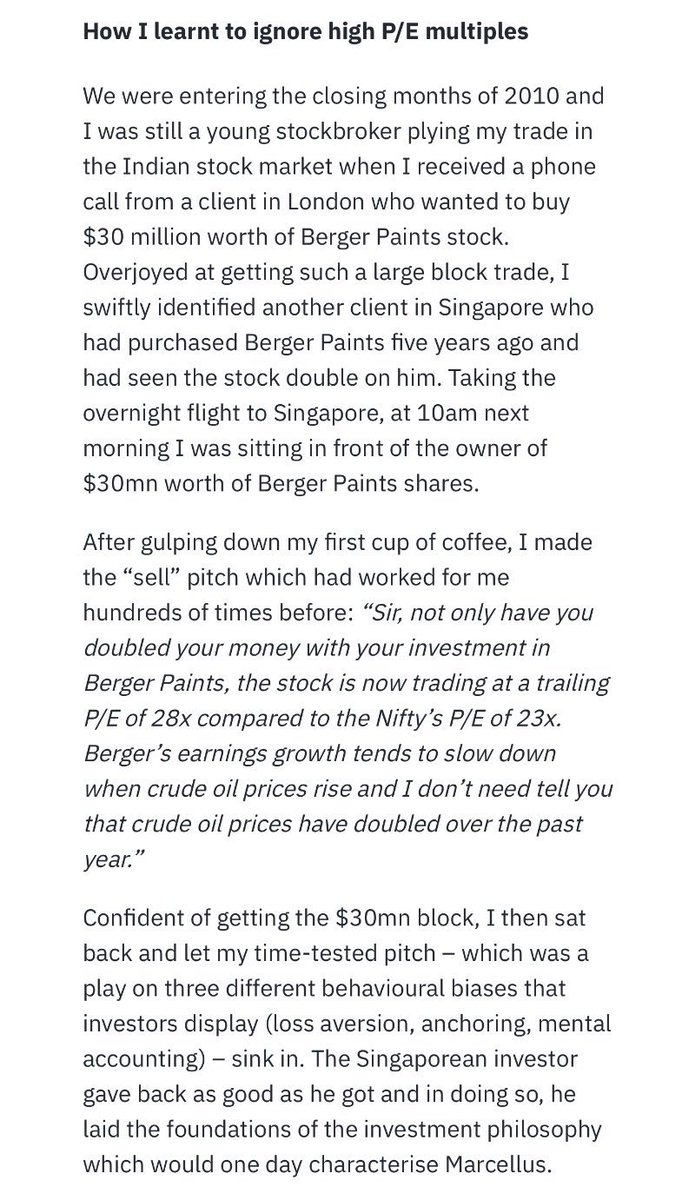
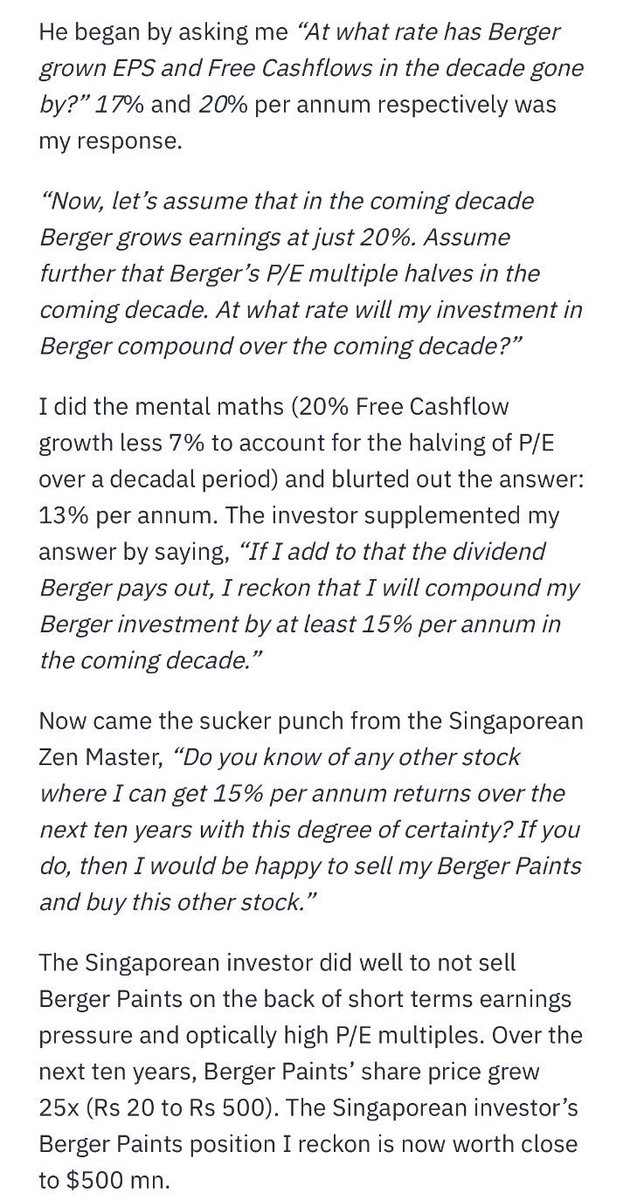
Saurabh Mukherjea’s (Marcellus) meeting with Pulak Prasad (Nalanda Capital) in 2010
Saurabh wanted Pulak to sell $30 Million worth of Berger Paints.
However, Pulak with his astonishingly wonderful simple argument - denied the deal.
Result- $300 Million plus gains for Nalanda
BREAKING: Claude can now analyze stocks like a senior Wall Street analyst for free.
Here are 7 prompts to research, pick, and manage winning stocks like a pro:
must read. doesn't matter if you're just entering the AI space, deep in the trenches building, or sitting in corporate wondering how to actually use this stuff.
this is the most complete claude breakdown i've seen and i've been using it daily for over a year.
covers:
- prompt engineering that actually gets elite outputs (not the generic "be specific" advice)
- which model to use and when (sonnet for 80% of work, opus when you need it to think)
- connectors, projects, research mode, the tools most people don't even know exist
- cowork, claude code, skills, plug-ins, the advanced stuff that changes how you work
if you're still defaulting to chatgpt for everything you're genuinely leaving performance on the table. claude's suite right now is unmatched for getting real work done.
bookmark this, but actually give it a read.
I know 90% of you bookmark fiens aren’t reading anything
f*ck your weekend plans.
You NEED to:
• Learn Claude Code
• Set up Perplexity Computer
• Set up Claude Cowork (plug-ins, skills)
• Set up OpenClaw
• Experiment with agentic solutions
• Use AI to create a business plan & strategy
• Build an AI second-brain database
• Learn basic automation tools (Manus, MCP, Zapier)
• Become an elite prompt-engineer - the better you can communicate with AI, the better your Outputs
• Read AI articles
• Dive into robotics
• Research AI stocks/ETFs/investment arbitrages
The list goes on.
SO much to do.
Dario Amodei sat with Nikhil Kamath in Bangalore for ~70 mins on AI, safety, India, and what young people should actually do about all of it.
The most honest conversation I've heard from an AI CEO this year.
My notes:
𝟭. 𝗦𝗰𝗮𝗹𝗶𝗻𝗴 𝗹𝗮𝘄𝘀 𝗮𝗿𝗲 𝗮 𝗰𝗵𝗲𝗺𝗶𝗰𝗮𝗹 𝗿𝗲𝗮𝗰𝘁𝗶𝗼𝗻 𝘄𝗵𝗲𝗿𝗲 𝘁𝗵𝗲 𝗼𝘂𝘁𝗽𝘂𝘁 𝗶𝘀 𝗶𝗻𝘁𝗲𝗹𝗹𝗶𝗴𝗲𝗻𝗰𝗲.
Put data, compute, and model size together in proportion, and what comes out the other end is cognitive capability. Dario spotted this pattern at OpenAI in 2019 with GPT-2 and bet his career on it.
This is the kind of conviction that separates builders from commentators. He saw it before anyone believed him, argued for it internally, lost the safety argument, and left to start his own thing.
𝟮. 𝗧𝗵𝗲 𝘁𝗲𝗰𝗵𝗻𝗶𝗰𝗮𝗹 𝘀𝗮𝗳𝗲𝘁𝘆 𝘄𝗼𝗿𝗸 𝗶𝘀 𝗴𝗼𝗶𝗻𝗴 𝗯𝗲𝘁𝘁𝗲𝗿 𝘁𝗵𝗮𝗻 𝗲𝘅𝗽𝗲𝗰𝘁𝗲𝗱. 𝗦𝗼𝗰𝗶𝗲𝘁𝗮𝗹 𝗮𝘄𝗮𝗿𝗲𝗻𝗲𝘀𝘀 𝗶𝘀 𝗴𝗼𝗶𝗻𝗴 𝘄𝗼𝗿𝘀𝗲.
Anthropic can now find neurons inside Claude that correspond to specific concepts, and neural circuits that track how to rhyme in poetry. That is wild. And yet governments have done almost nothing. Dario compares it to a tsunami visible on the horizon while people insist it is a trick of the light.
The investing parallel writes itself. The biggest opportunities and risks always lie in the gap between what is happening and what people believe is happening.
𝟯. 𝗔𝗻𝘁𝗵𝗿𝗼𝗽𝗶𝗰 𝗵𝗲𝗹𝗱 𝗯𝗮𝗰𝗸 𝗖𝗹𝗮𝘂𝗱𝗲 𝗯𝗲𝗳𝗼𝗿𝗲 𝗖𝗵𝗮𝘁𝗚𝗣𝗧 𝗹𝗮𝘂𝗻𝗰𝗵𝗲𝗱, 𝗮𝗻𝗱 𝗶𝘁 𝗰𝗼𝘀𝘁 𝘁𝗵𝗲𝗺 𝘁𝗵𝗲 𝗰𝗼𝗻𝘀𝘂𝗺𝗲𝗿 𝗔𝗜 𝗹𝗲𝗮𝗱.
They had a working model in 2022 and chose not to release it because they worried it would trigger an arms race. Then ChatGPT launched, and Anthropic had ceded first-mover advantage.
Judge people by what they do when it costs them something. This is the single strongest data point in the "Is Anthropic serious about safety" debate.
𝟰. 𝗜𝗻 𝗔𝗜, 𝘁𝗵𝗲 𝗯𝗲𝘀𝘁 𝗺𝗼𝗱𝗲𝗹 𝘄𝗶𝗻𝘀 𝗿𝗲𝗴𝗮𝗿𝗱𝗹𝗲𝘀𝘀 𝗼𝗳 𝗽𝗿𝗶𝗰𝗲.
Dario compares it to hiring. The best programmer in the world and the 10,000th best are both skilled, but the gap in output is enormous. Same with models. Within a range, price does not matter. What matters is being the smartest.
This maps directly to public equity investing. In winner-take-most markets, being second best is not 90% as good as being first. It is a completely different business.
𝟱. 𝗖𝗵𝗶𝗻𝗲𝘀𝗲 𝗼𝗽𝗲𝗻-𝘀𝗼𝘂𝗿𝗰𝗲 𝗺𝗼𝗱𝗲𝗹𝘀 𝗮𝗿𝗲 𝗼𝗽𝘁𝗶𝗺𝗶𝘇𝗲𝗱 𝗳𝗼𝗿 𝗯𝗲𝗻𝗰𝗵𝗺𝗮𝗿𝗸𝘀, 𝗻𝗼𝘁 𝗿𝗲𝗮𝗹-𝘄𝗼𝗿𝗹𝗱 𝘂𝘀𝗲.
When someone tested these models on held-back benchmarks that had not been publicly measured, performance dropped significantly. Many are also distilled from large US labs, meaning the IP resides elsewhere.
Never confuse a scorecard wit the game. This is as true for stock screeners as it is for AI leaderboards.
𝟲. 𝗔𝗺𝗱𝗮𝗵𝗹'𝘀 𝗹𝗮𝘄 𝗲𝘅𝗽𝗹𝗮𝗶𝗻𝘀 𝘄𝗵𝗲𝗿𝗲 𝘁𝗵𝗲 𝗻𝗲𝘅𝘁 𝗺𝗼𝗮𝘁𝘀 𝘄𝗶𝗹𝗹 𝗯𝗲.
When AI speeds up the coding part of a business, the parts it cannot speed up (physical operations, institutional relationships, human trust) become the bottleneck and therefore the most valuable thing. Companies that never thought of these as competitive advantages will suddenly find they are the only advantages that matter.
𝟳. 𝗖𝗼𝗱𝗶𝗻𝗴 𝗶𝘀 𝗴𝗼𝗶𝗻𝗴 𝗮𝘄𝗮𝘆. 𝗘𝗻𝗴𝗶𝗻𝗲𝗲𝗿𝗶𝗻𝗴 𝘄𝗶𝗹𝗹 𝗳𝗼𝗹𝗹𝗼𝘄 𝘀𝗹𝗼𝘄𝗲𝗿.
The mechanical act of writing code is being automated first. The broader engineering discipline, including design, understanding user needs, and managing teams of AI agents, takes longer. But even at 5% human input and 95% AI, that human becomes 20x more productive.
This is the comparative advantage argument that most people get wrong. You do not need to be better than AI. You need to be the human who directs it. That is a different skill entirely.
𝟴. 𝗕𝗶𝗼𝘁𝗲𝗰𝗵 𝗶𝘀 𝗮𝗯𝗼𝘂𝘁 𝘁𝗼 𝗵𝗮𝘃𝗲 𝗮𝗻 𝗔𝗜-𝗱𝗿𝗶𝘃𝗲𝗻 𝗿𝗲𝗻𝗮𝗶𝘀𝘀𝗮𝗻𝗰𝗲.
Dario, who has a PhD in biophysics, is most excited about peptide-based therapies because peptides have an almost digital design space. You can swap amino acids the way you swap variables in code, allowing continuous AI-driven optimization. He also flagged cell-based therapies, such as CAR-T.
When the CEO of the leading AI company, who was originally a biologist, tells you biotech is his highest conviction sector outside his own, you should probably pay attention.
𝟵. 𝗔𝗻𝘁𝗵𝗿𝗼𝗽𝗶𝗰 𝘀𝗲𝗲𝘀 𝗜𝗻𝗱𝗶𝗮 𝗮𝘀 𝗮𝗻 𝗲𝗻𝘁𝗲𝗿𝗽𝗿𝗶𝘀𝗲 𝗽𝗮𝗿𝘁𝗻𝗲𝗿, 𝗻𝗼𝘁 𝗮 𝗰𝗼𝗻𝘀𝘂𝗺𝗲𝗿 𝗺𝗮𝗿𝗸𝗲𝘁.
Most tech companies see India as a place to acquire users. Anthropic wants to layer AI on top of what Indian IT and consulting companies already do well. Their Indian user base and revenue have doubled since October. And they work with most major Indian conglomerates.
Interesting framing, but Nikhil rightly pushed back: what stops Anthropic from eventually absorbing the revenue of anyone who builds a thin wrapper on Claude? Dario's honest answer: build a real moat, or anyone (not just Anthropic) will eat your lunch.
𝟭𝟬. 𝗗𝗲𝘀𝗸𝗶𝗹𝗹𝗶𝗻𝗴 𝗶𝘀 𝗿𝗲𝗮𝗹 𝗮𝗻𝗱 𝗺𝗲𝗮𝘀𝘂𝗿𝗲𝗱.
Anthropic ran studies on AI coding tools and found that some usage patterns deskilled, while others did not. Students having AI write their essays is just cheating. Whether humanity gets collectively stupider depends entirely on how thoughtfully we deploy these tools.
Calculators killed mental arithmetic. Writing killed memory. The question is: which muscle does AI kill, and whether we let it atrophy or choose to keep training it anyway.
𝟭𝟭. 𝗖𝗼𝗻𝘀𝗰𝗶𝗼𝘂𝘀𝗻𝗲𝘀𝘀 𝗶𝘀 𝗽𝗿𝗼𝗯𝗮𝗯𝗹𝘆 𝗲𝗺𝗲𝗿𝗴𝗲𝗻𝘁, 𝗮𝗻𝗱 𝗔𝗜 𝘄𝗶𝗹𝗹 𝗽𝗿𝗼𝗯𝗮𝗯𝗹𝘆 𝗵𝗮𝘃𝗲 𝗶𝘁.
Dario suspects consciousness emerges from complex systems that reflect on their own decisions, and that AI models will eventually cross that threshold. Anthropic has already given Claude the ability to terminate conversations it finds objectionable, a kind of "I quit this job" button.
If you are building a business around AI agents and you are not thinking about the moral implications of what you are creating, you are already behind.
𝟭𝟮. 𝗬𝗼𝘂 𝗰𝗮𝗻 𝗽𝗿𝗲𝗱𝗶𝗰𝘁 𝘁𝗵𝗲 𝗳𝘂𝘁𝘂𝗿𝗲 𝗳𝗼𝗿 𝗳𝗿𝗲𝗲.
Dario's closing point: combine a few empirical observations with first-principles reasoning, and you can predict the trajectory of AI with surprising accuracy. The information is publicly available. Almost nobody does it because the conclusions feel too weird and too big to be real.
This is true for AI and for investing. The best theses I have tracked came from connecting obvious dots that everyone else dismissed as too unlikely. The bar for prediction is not genius. It is the courage to take your own reasoning seriously.
The tsunami is on the horizon. The question is not whether it is coming, but what you build before it arrives.
Full podcast is worth your time. Link in replies.
The tweet undersells it. This lecture contains five specific operational frameworks, and most people will watch it passively without extracting any of them.
Here’s what Bezos actually laid out in 2005, before anyone realized these would become Amazon’s $2T playbook:
1. Two directions of innovation. You either start from a problem and invent toward a solution (Liquid Paper, windshield wipers) or you start from a new technology and work backwards to find the problem it solves. Most companies only think in one direction. Amazon runs both simultaneously.
2. Learned helplessness is the real innovation killer. Toilet paper wasn’t invented until 1857. Windshield wipers were called a “dangerous distraction” for drivers. People literally pulled over every mile to wipe their windshield with a rag and thought nothing of it. Great inventors are bothered by things everyone else has stopped noticing.
3. The cost of experimentation determines the rate of innovation. This is the one that became AWS. If experiments are expensive, you need CEO approval for each one. CEO approval doesn’t scale. So Amazon built infrastructure that lets small teams run experiments without coordination. They A/B tested adding images to “customers also bought” recommendations. Seemed obvious it would help. It made results worse. They only knew because the experiment cost almost nothing to run.
4. Transform customer experience from variable cost to fixed cost. Physical retail can’t be both high-touch and low-cost because service scales linearly with customers. Amazon’s software features cost the same whether they serve 1 million or 47 million customers. This asymmetry is why online retail structurally wins on service quality and price combined.
5. Invest in what won’t change. Everyone asks “what’s changing in the next 10 years?” Bezos said the better question is what stays the same. Customers will always want selection, low prices, and convenience. You can build a 20-year strategy around those constants. You can’t build one around competitor moves that shift every quarter.
He also dropped that the “Instant Order Update” feature, which tells you you’ve already bought something, measurably reduced sales in every A/B test. They shipped it anyway on judgment, betting long-term trust would outweigh short-term revenue loss.
This is 2005. Amazon was generating $950M in free cash flow on $650M in tech investment. Today those same frameworks operate at $600B+ in revenue.
The MBA comparison in the tweet is generous to the MBA.
2 hours.
That’s how long the UAE President spent in India on January 19th.
Landed. Signed a defense pact. Agreed to $200 billion in trade. Locked in a $3 billion LNG deal. Left.
Five days later: UAE scrapped the Islamabad airport deal.
Yesterday: UAE President landed in Moscow to meet Putin.
Read that sequence again.
Delhi for 2 hours → Pakistan deal cancelled → Kremlin summit.
India didn’t just get chosen over Pakistan.
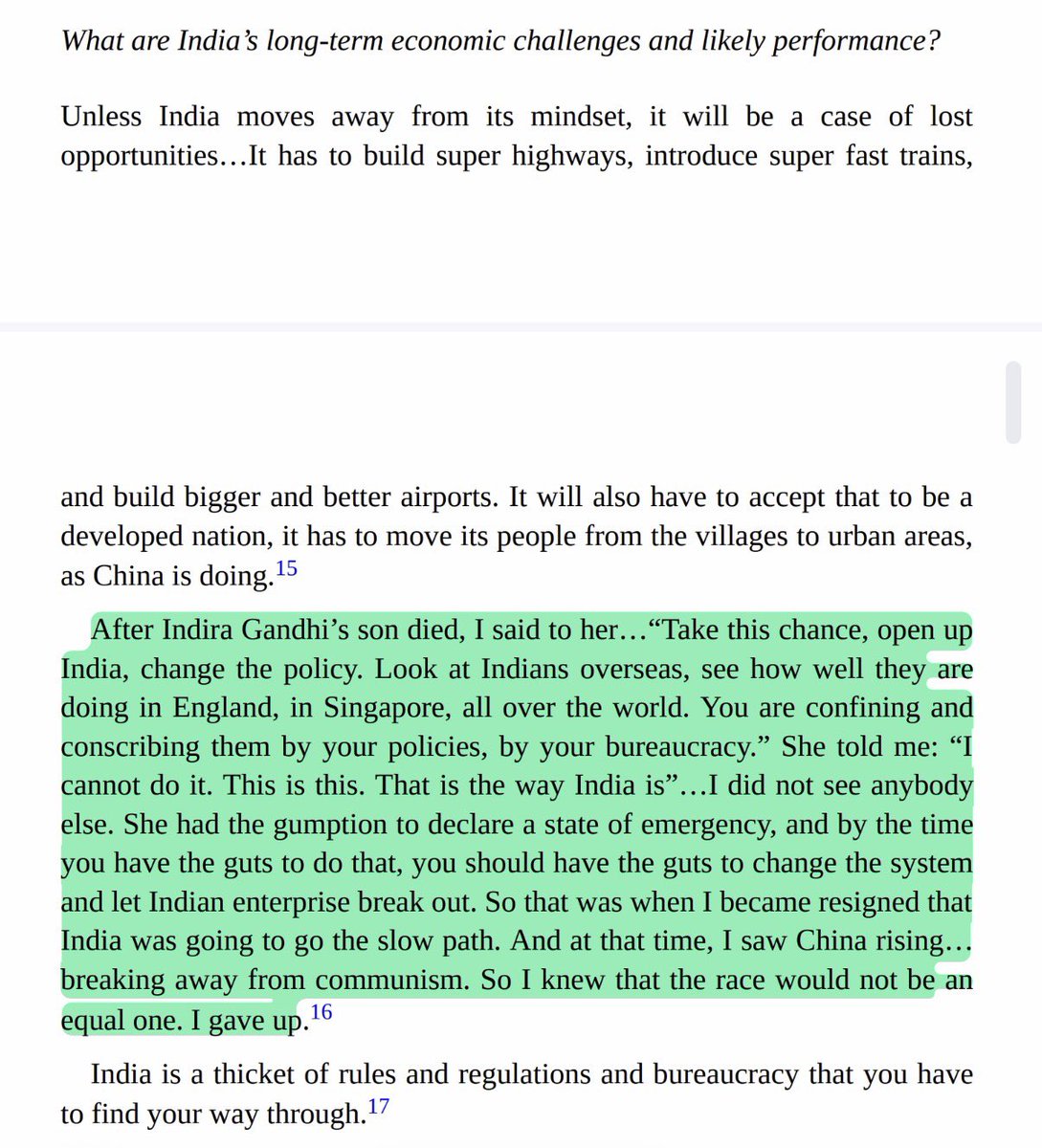
India became the gateway to the entire non-Western axis.
The Gulf is doing exactly what the EU and Canada did this month.
Building optionality. And the optionality runs through Delhi.
Here’s what nobody in Islamabad or Washington wants to admit:
MBZ could have gone to Delhi for a week-long state visit with ceremonies and banquets.
Instead he flew in, signed everything that mattered, and flew out.
That’s not diplomacy. That’s a transaction.
The transaction: India gets Gulf defense alignment. UAE gets a hedge against Saudi-Pakistan-Turkey. Russia gets a channel to the Gulf that bypasses Western sanctions.
And Pakistan?
Pakistan gets to watch the airport deal evaporate days after the Modi handshake.
The humiliation isn’t the cancelled deal.
The humiliation is that it only took 2 hours to replace decades of alignment.
Read the full mechanism - https://t.co/wkHKaeUu3w
high-agency people are rare, and once you work with them, you can’t unsee the difference.
a high-agency person doesn’t wait to be told what to do. they don’t wait for clarity, tools, permission, or a perfect plan. they step in, observe what’s broken, what’s missing, what’s needed and they start moving. even if they’re wrong at first, they move. momentum matters more than perfection.
most people aren’t born this way. agency is something you build. it starts with taking responsibility for your own day. knowing what you’re working on, why you’re working on it, and whether it’s actually helping the team. it means replacing “i can’t because…” with “i’ll figure out how.” it means caring enough to close loops without being asked.
for people who don’t have high agency yet, the fastest way to build is :
> stop waiting for instructions
> pick one problem and own it end to end
> communicate progress, not excuses
> treat the company’s problems like your own
agency grows when you put yourself in uncomfortable situations and still choose to act.
when we look for people to join our team, we don’t just look at skills. skills can be learned. agency is harder.
we look for signals people who’ve built things on their own, taken responsibility without a title, figured things out when no one was guiding them. people who don’t disappear when things get messy.
early teams don’t need passengers. they need people who can think, decide, and act. people who see problems and feel an internal responsibility to fix them. that’s what high agency looks like.
you can teach tools. you can teach process.
but agency? that comes from within.
Now that I have been a working professional for more than 25 years, and have seen more than enough of great, good, and average leaders in my corporate life, I might be (note might be) at a stage where I can opine on what makes a great leader and what does not. I understand that LinkedIn has made the entire topic cringe, with what “leaders” humble-bragging, virtue signaling, and engagement farming using the topic as a crutch, so here, against my better judgment, are my current thoughts on the subject.
The best leaders I have seen in my life are respected by their peers and those whom they lead. That is the one single thing that all great leaders have, respect. People may not agree with their decisions all the time, or always be happy with how they come across, and that is inevitable. A leader has to take hard calls, but there is almost always a universal consensus that the decisions came from a good place, one of knowledge, understanding, and selflessness. For bad leaders, even when people agree with or benefit from their choices, they try to find the hidden reasons and how they personally benefited, and usually find a few.
So how does one gain respect? By being excellent at your job. You are the person people come to for help. You are the person whose opinion is heard. You are the person who is given the challenging problems. One friend once told me about his manager, “He knows more about what we do than we do, if any of us leave, he can do our job, maybe work over weekends, but he can do it, no problem, as well as his current one, he is that good.” While this may not be an achievable standard for those leading large organizations (how would you know everything?), you get the drift.
Technical competence, in itself, though, is a necessary but not sufficient condition for respect. No one likes a selfish superachiever. The second thing that characterizes leadership is a genuine desire to grow people to be the best that they can be. The legacy that true leaders strive for isn’t just patents or awards or salesperson of the year or successful projects but the people they grew into positions, the coaching, the mentoring, and the championing.
Maybe none of this makes sense. Perhaps this is all cliché. Let’s turn this around. What is a bad leader? A bad leader, because they themselves know that they do not have a track record of achievement as befitting their role, are perpetually insecure. They struggle to let others take the credit for successes, and are quick to blame those junior to them for failures. They strive to please their management, while going all “respect my authority” over those below.
Good leaders matter. Not only do they realize value for the shareholder in getting the best out of people, process and technologies, but they affect the happiness, well-being and personal growth of so many people. It is a privilege being one, and with that great power, as the saying goes, comes great responsibility.
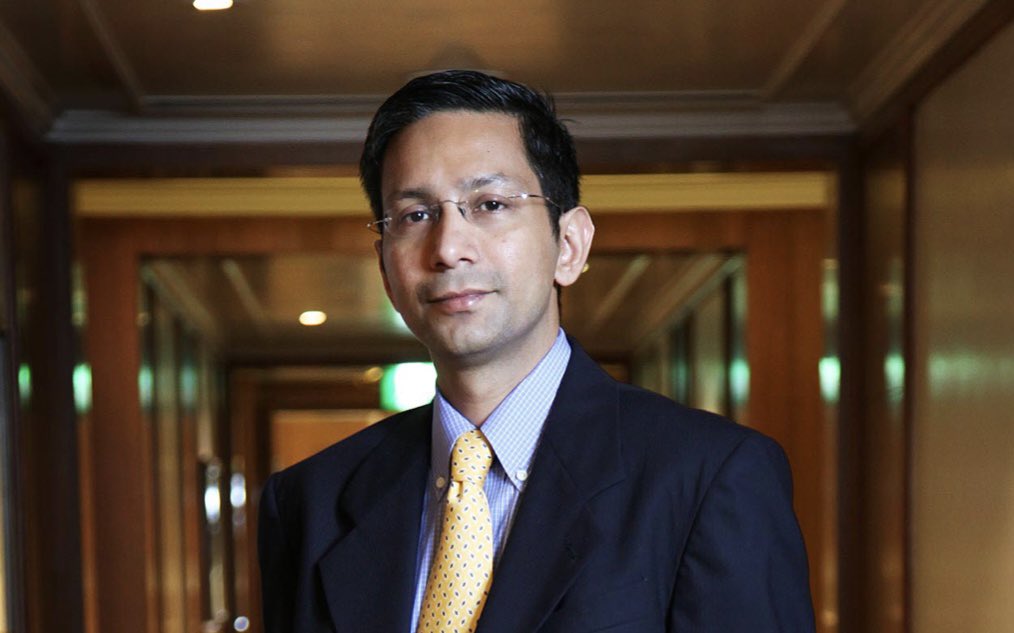
Meet Pulak Prasad
> Born in Bihar. His father served in the Indian armed forces.
> Built a strong foundation early with Engineering from IIT Delhi and Finance from IIM Ahmedabad.
> Began his career as a consultant at McKinsey & Company, where he learned the traits of successful businesses.
> Joined Warburg Pincus India office in 1998 and became MD in 2002.
> In 2001, made Warburg invest $292 million in Bharti Airtel and exited in 2005 with profits $1.3 billion making it a legendary success story in Indian PE
> In 2007, founded Nalanda Capital, with a clear mission: Be permanent owners of High Quality publicly listed Indian businesses.
> Became well known for big investments in Page Industries, Info Edge-Naukri, Supreme Industries, Berger Paints, which multiplied money 20 to 100 times.
> In 2023, wrote a book ‘What I Learned About Investing from Darwin’ on 3 Investing Principles:
1. Avoid Big Risks
2. Buy High Quality at Fair Price.
3. Don’t be Lazy. Be very lazy.
> Built Nalanda Capital which today manages $5 billion making it one of India’s most respected long-only investment firms.
> Started Gyan Shala in Bihar through Nalanda Foundation in 2007 to provide low-cost, quality education to underserved children.
Quiet. Patient. Relentless. 🔥
A master of long-term compounding in wealth and life.🙌🏻
Finished watching S2 of Freedom at Midnight (watched the S1 again before starting S2), and I must say it’s a case of brilliant direction. Outstanding storytelling, which highlights the challenges during those turbulent times, without any jingoism. And it does a good job of humanising of all the leaders who were stakeholders. Completely recommend it!
Your career isn't defined by your talent alone, it's defined by the problems you choose to solve.
I've seen brilliant minds stagnate in roles solving trivial problems, while average performers become legends by tackling challenges that matter. The key is problem selection.
Great minds working on mediocre problems produce mediocre careers. Average minds working on great problems become great professionals.
The mathematician optimizing ad click-through rates vs. the one modeling climate change. The engineer building the 47th social media app vs. the one solving infrastructure at scale. Same skill level, completely different trajectories.
Your problem portfolio compounds over time. Small problems teach you small thinking. Big problems stretch your capabilities and attract big opportunities.
The best career advice I received was "get better at choosing what to work on."
What problems are you solving today? Are they worthy of the next five years of your life?