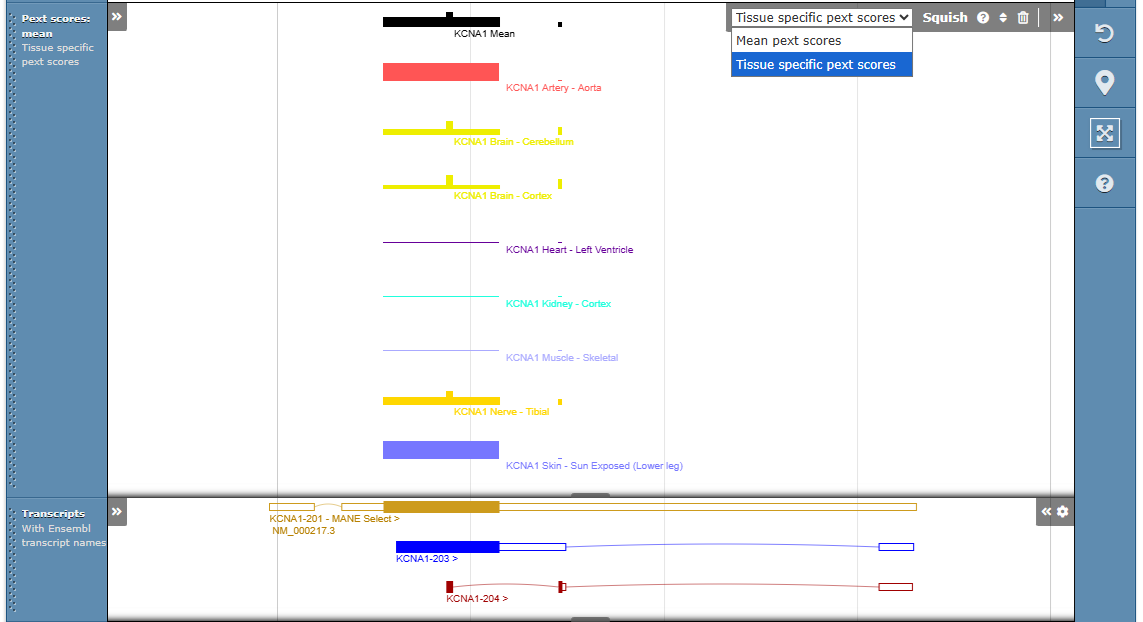
Proportion expression across transcripts (pext) scores are now displayed in a track in the genome browser. These scores summarise the expression level of exonic regions across different tissues - based on @GTExPortal data & released as part of @gnomad_project v4
Are you a skilled and highly motivated Bioinformatics Developer looking for a new opportunity?
Join the DECIPHER team - gain knowledge of clinical genomics and improved web development skills while creating tools to facilitate genomic medicine.
https://t.co/tgChXeDNh6
The annual DECIPHER user survey is now available ! Please, help us to improve DECIPHER by taking 5 minutes to answer. https://t.co/tNprGjANSO
This is a new survey so don’t hesitate to answer it even if you had completed it last year.
The annual DECIPHER user survey is now available ! Please, help us to improve DECIPHER by taking 5 minutes to answer. https://t.co/tNprGjANSO
This is a new survey so don’t hesitate to answer it even if you had completed it last year.
ClinVar aggregate classifications are now used in the display of #ClinVar variants across the site. This includes the colouring of variants (which represents annotated pathogenicity) on the protein browser and filters on the protein and genome browsers @ClinGenResource
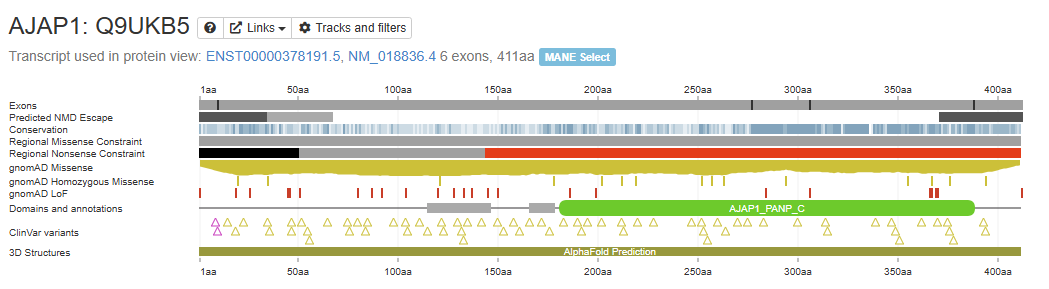
NMD predictions have been updated. The first 200bp of coding nucleotides on the protein browser are now highlighted as predicted to escape the NMD: 100-200bp shaded in light grey to reflect the evidence of gradual decrease in NMD inhibition in this region #VariantClassification
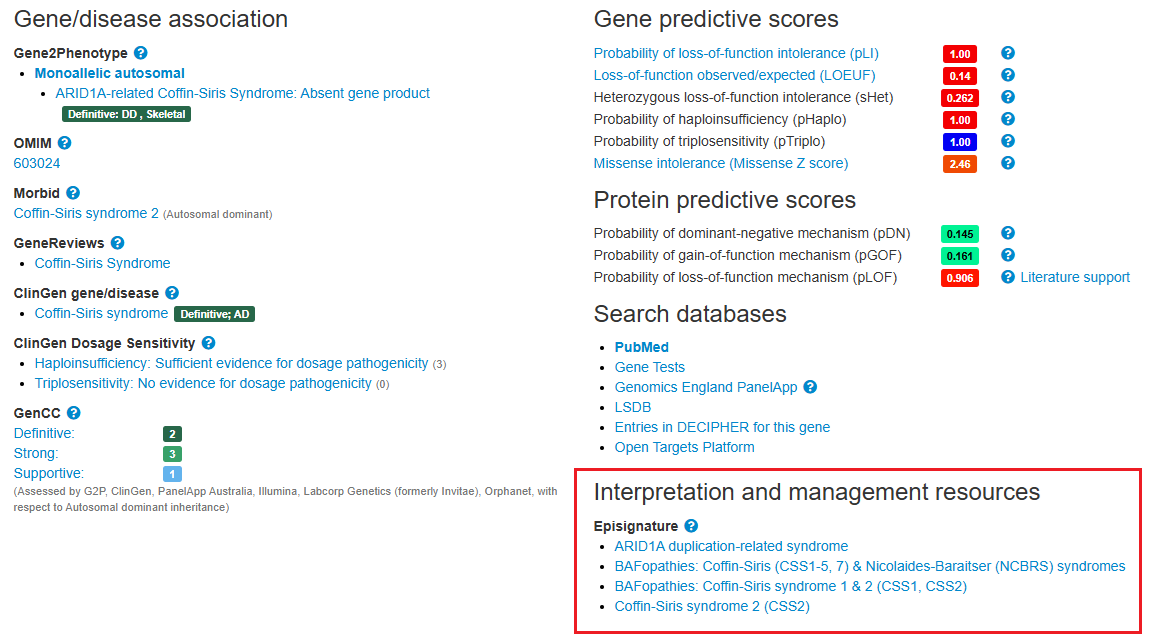
The availability of episignatures from #EpiSign are now displayed on gene pages and therapy tabs. Episignatures provide functional evidence to support variant interpretation and disease classification #RareDisease#VariantClassification
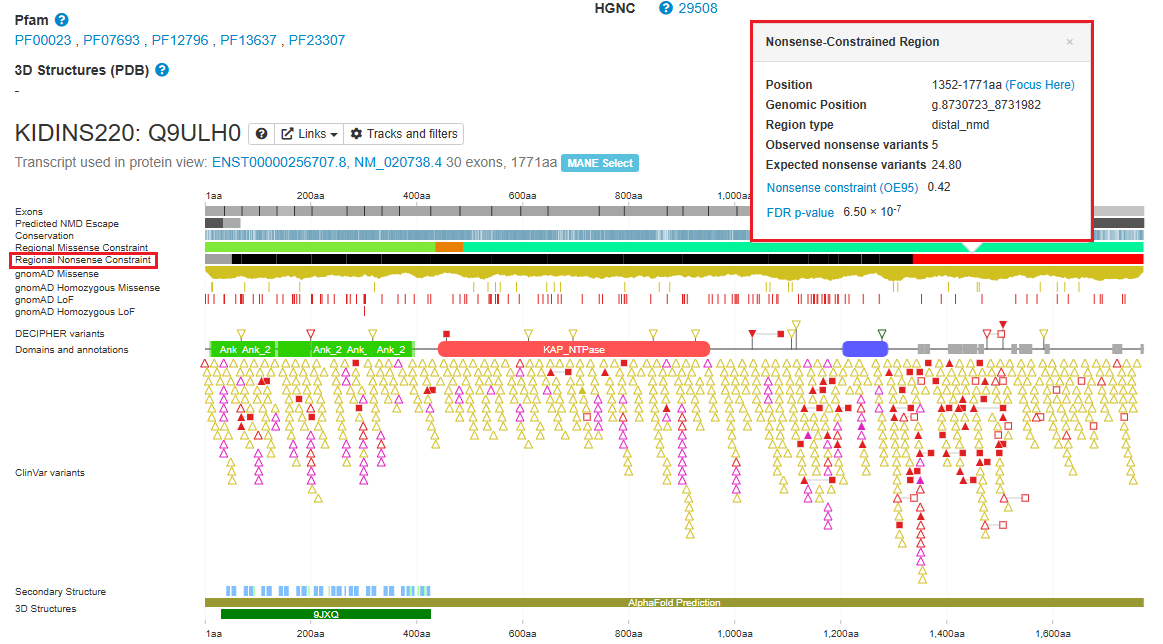
Regional Nonsense Constraint display in DECIPHER, providing insights into transcript regions that don't tolerate stop codons - collaboration with Alex Blakes, Nicky Whiffin, Siddharth Banka, Jamie Ellingford, Colin Johnson, @GenomicsEngland@mft_iMRare@OfficialUoM@wellcometrust
Regional Nonsense Constraint data, evidence of intolerance to premature stop codons in the context of nonsense-mediated decay, is displayed as a track in the genome browser #RareDisease#VariantClassification@gnomad_project
Regional Nonsense Constraint can be viewed on the protein browser, highlighting regions of transcripts that do not tolerant stop_gained variants – based on @gnomad_project data and integrated in collaboration with Alex Blakes #RareDisease#VariantClassification
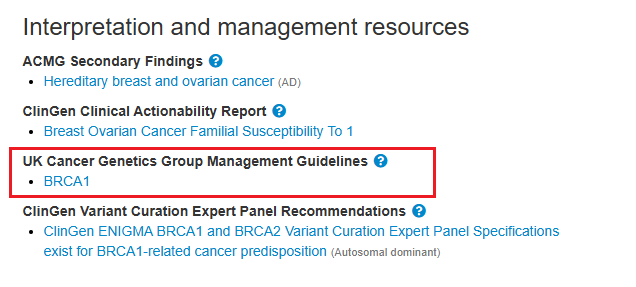
Links to UK Cancer Genetics Group management guidelines are now available for 35 cancer susceptibility genes. These are one-page gene-specific management guidelines created by UKCGG, @CanGeneCanVar working groups and expert colleagues #cancersusceptibility
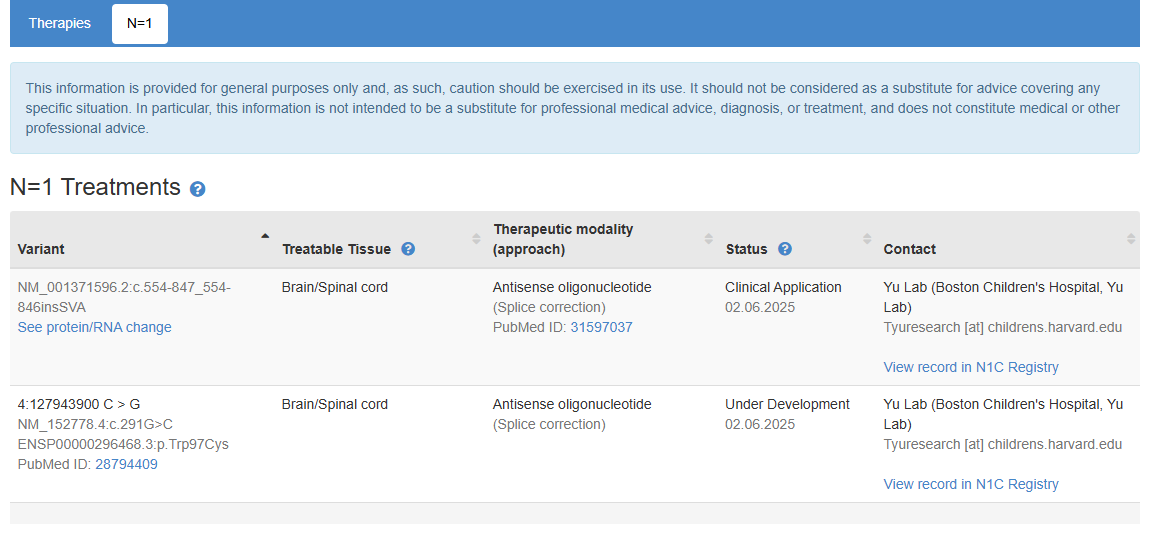
N=1 assessed variant information is now displayed on N=1 tabs. These are variants which have been assessed for their eligibility for a therapeutic intervention by the @N1Collaborative#TreatmentForAll
We’re proud to see DECIPHER highlighted in @emblebi new economic impact report. As part of this ecosystem, DECIPHER helps clinicians & researchers interpret and share phenotype-linked genomic variants
Read the report: https://t.co/I2Z1cdzp9F
N=1 treatment informationis now displayed on a new N=1 tab. These are treatments for highly personalized, single-patient clinical trials or custom-designed therapies, curated by the @N1Collaborative and provided by N1C Gene Registry. #TreatmentForAll
This #RareDiseaseDay we’re highlighting how open data sharing supports diagnosis, research & families living with rare conditions.
Watch to find out how access to rare disease data can help families better understand their children’s rare conditions
@Unique_charity@GeneticAll_UK