Across the ancient face of the Moon, the crater Copernicus erupts outward in a frozen explosion of light and shadow. Its brilliant ray system stretches across the lunar landscape like ripples from a stone cast into a cosmic sea, preserving the violence of an impact that occurred a very long time ago.
Captured in extraordinary detail, this portrait reveals a world shaped by collision and time. Terraced walls, scattered secondary craters, and sweeping ejecta patterns combine to create a scene that feels less like astronomy and more like abstract art etched into stone.
Both scientific record and celestial landscape, Shockwave in Stone invites viewers to stand at the edge of deep time and witness the enduring aftermath of one of the Moon's most iconic impacts.
https://t.co/3Cky060cyj
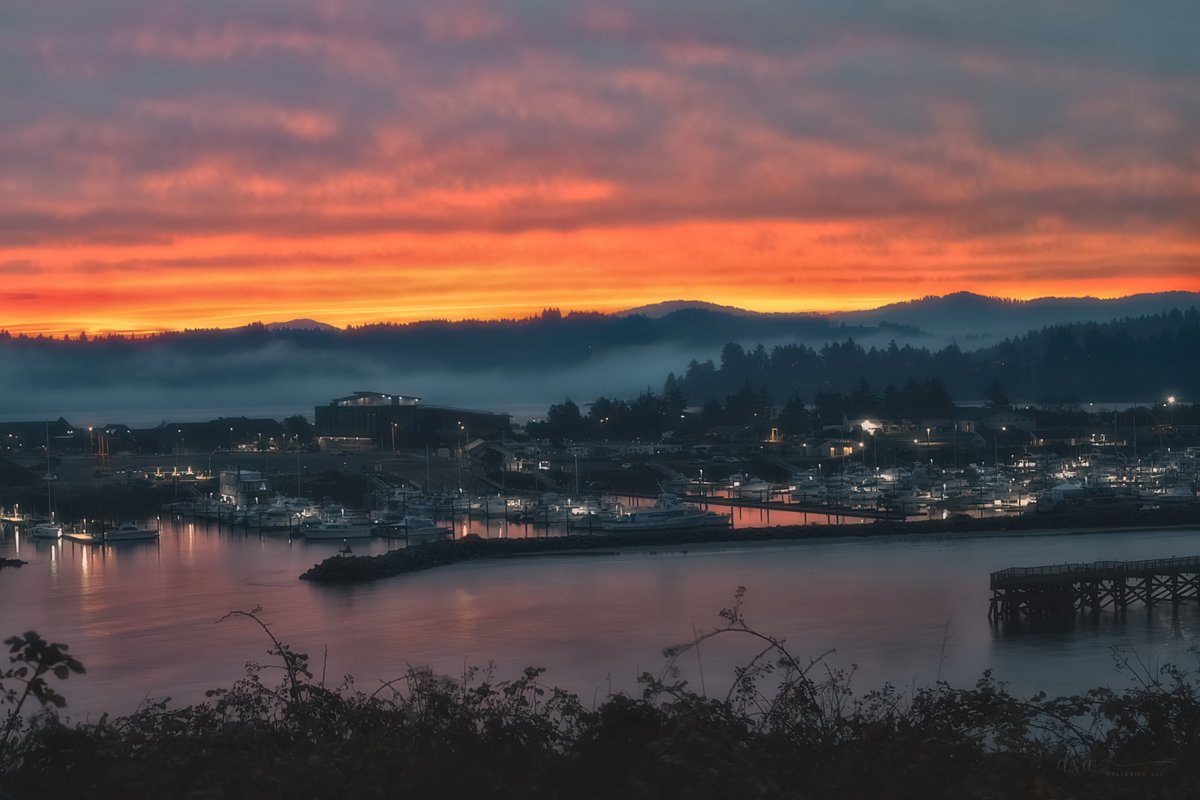
"Bayfront glow"
As dawn breaks over Newport’s harbor, bands of brilliant orange and crimson light spread across the horizon, illuminating layers of coastal hills draped in lingering morning mist. Marina lights still shimmer on the calm water, creating a brief overlap between the quiet of night and the promise of a new day. Reflections ripple softly across the harbor as fishing boats and docks rest beneath a sky set ablaze with color.
Captured during the fleeting moments before sunrise, this image celebrates the peaceful rhythm of Oregon’s central coast. The glowing sky, low-lying fog, and tranquil waters combine to create a scene of stillness and renewal. It is a reminder that some of nature’s most remarkable displays arrive not with grandeur, but with a quiet unfolding of light across the land.
Prints: https://t.co/398FRVVUpm
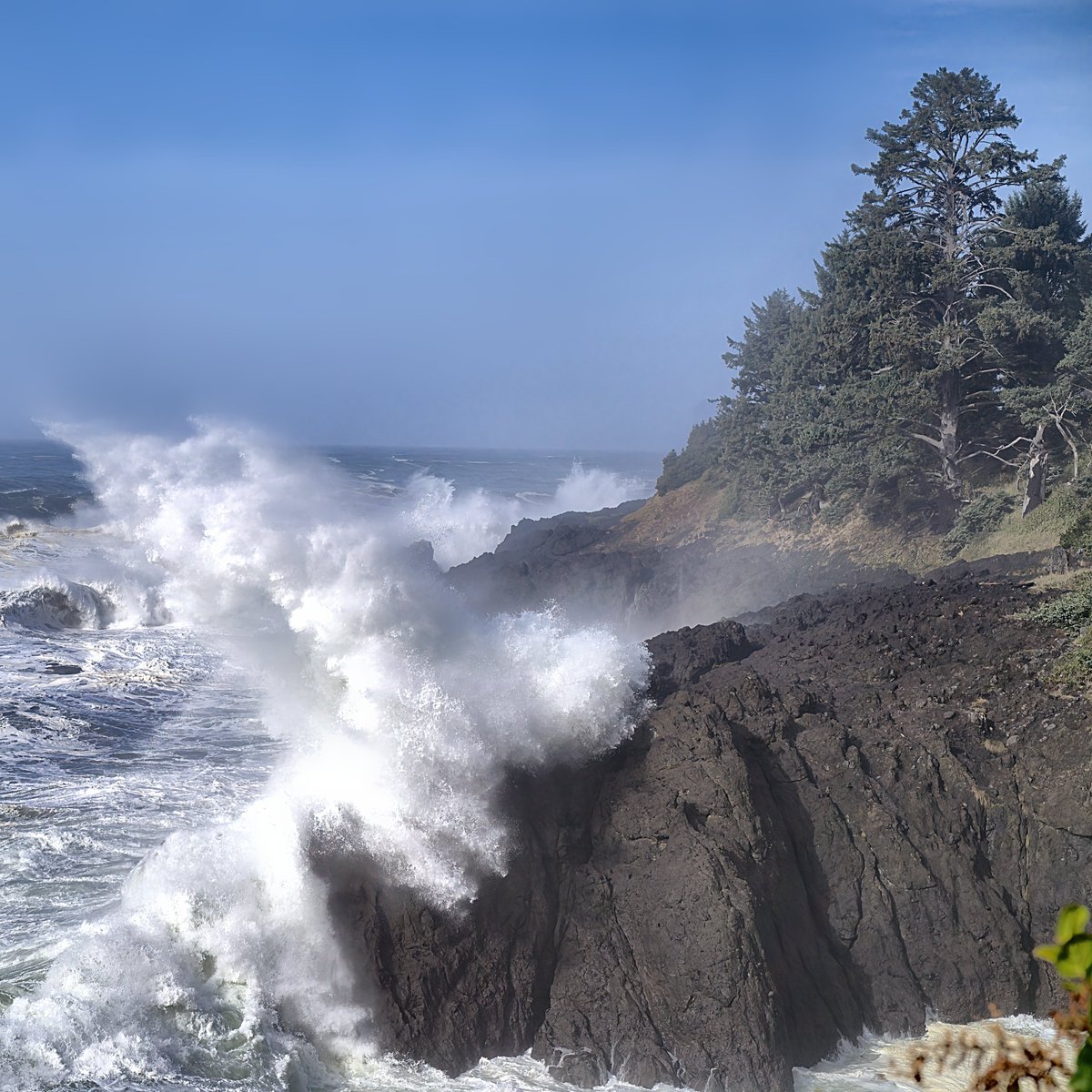
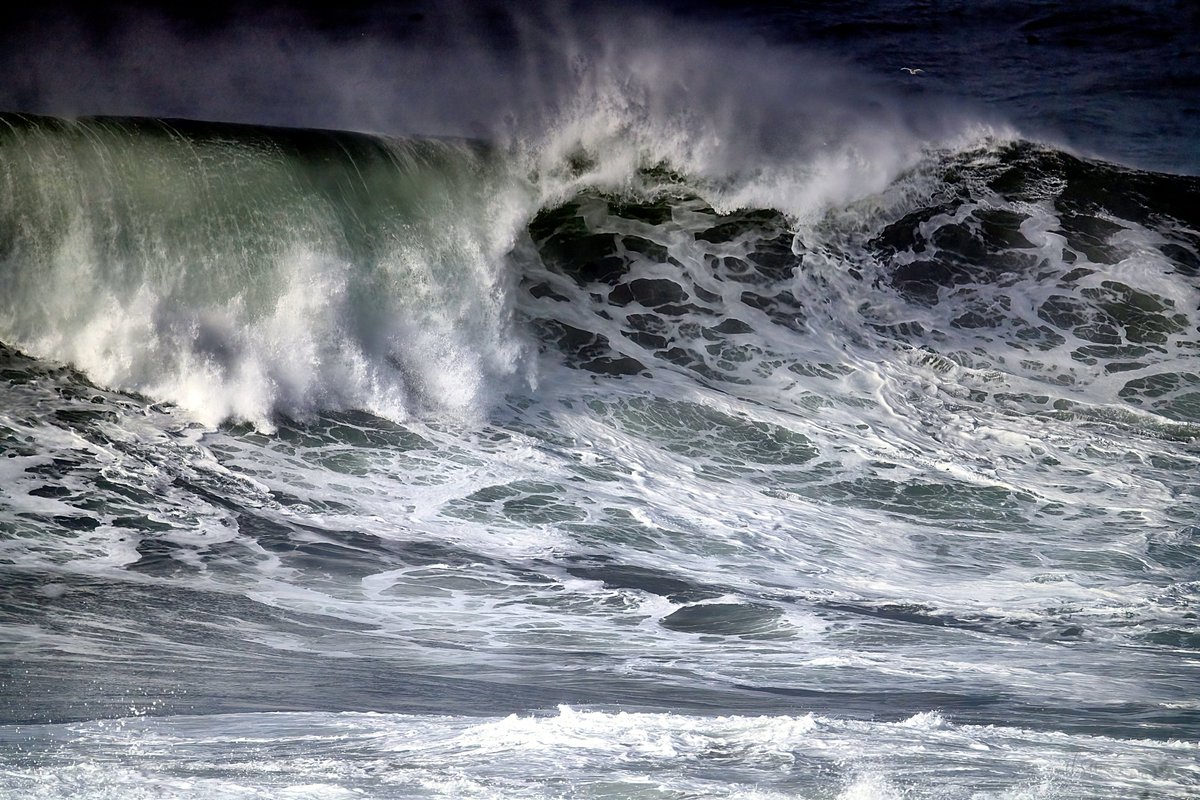
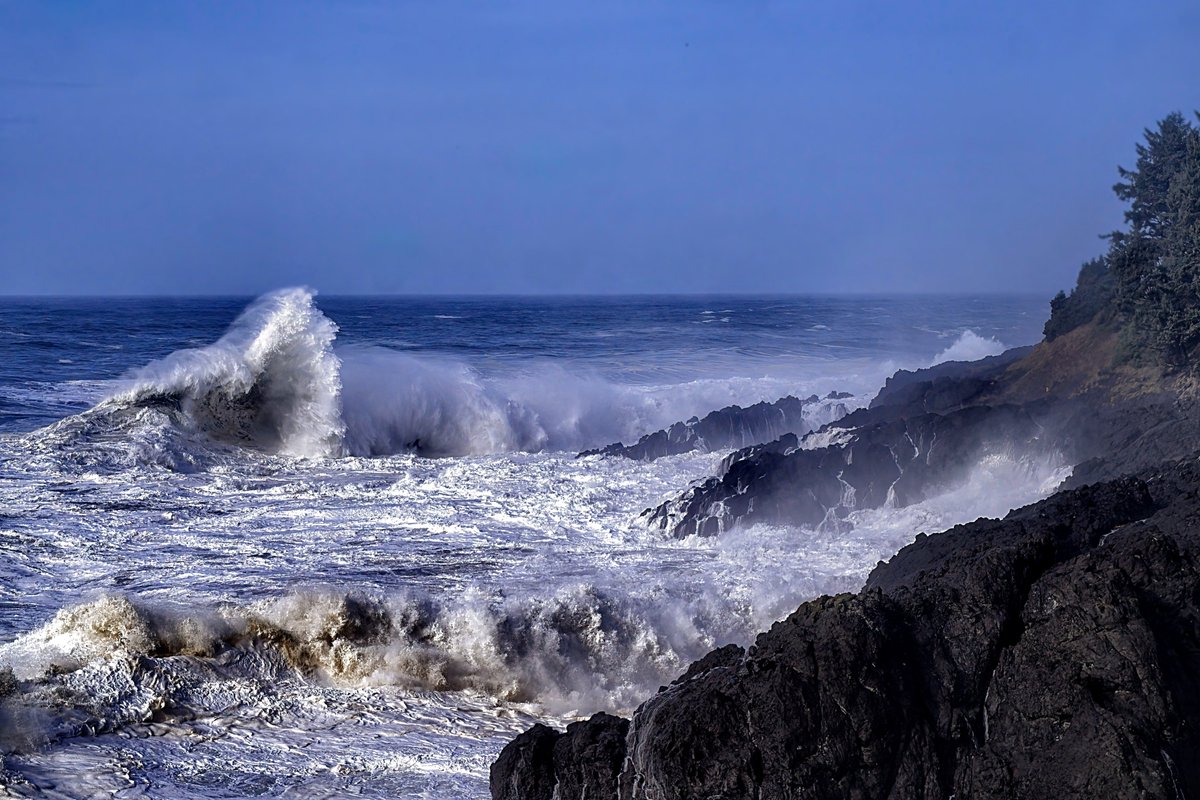
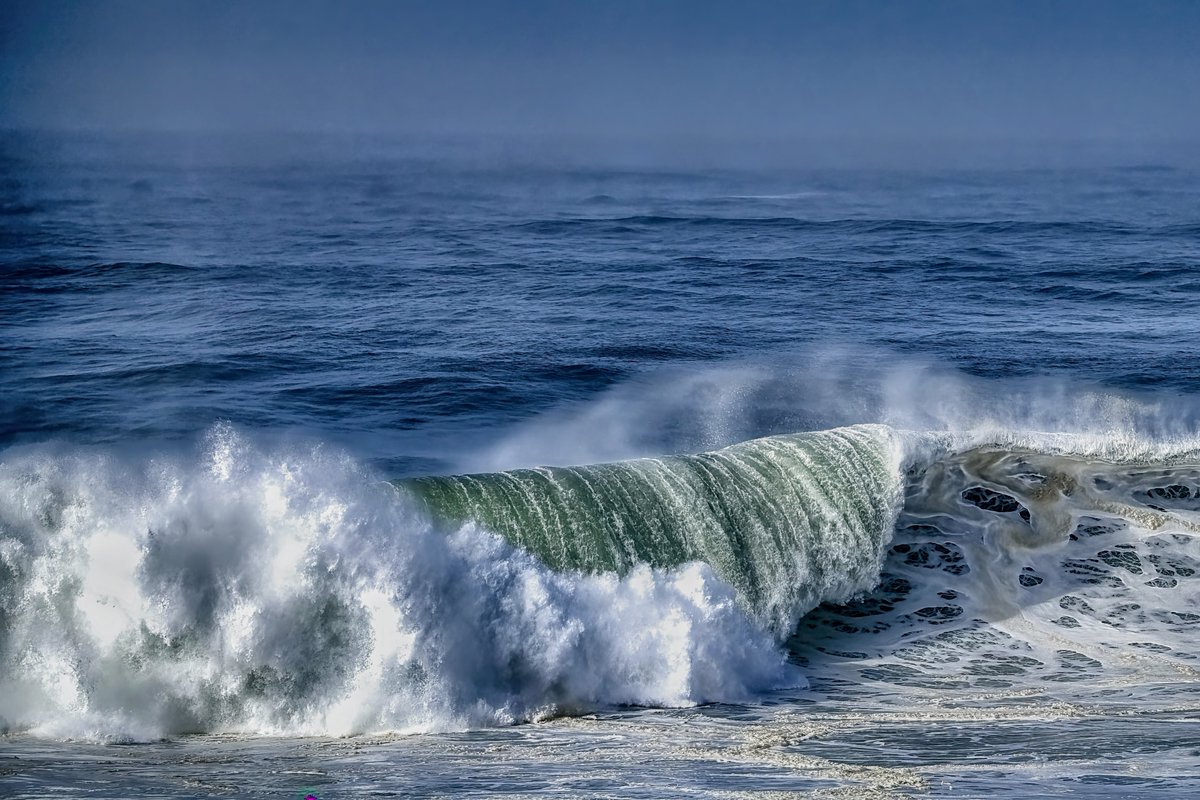
Of course, what were we really after? Exploding waves bashing against shore, of course! Here they are - all of the epic water explosions that I witnessed. These were taken at Depoe Bay, Rodea Point, Rocky Creek Falls and Yaquina Outstanding Natural Area.
I captured some incredibly huge waves in Depoe Bay. Here's a few pictures to show how large these waves are. One of the photos I just named "Run!" because it looks like a massive wave about to hit. The others show waves in the act of partially collapsing as they drive relentlessly towards the shore.
My wife and I went on a special date yesterday. We both grabbed our camera gear and then I drove us up to Depoe Bay and then worked our way down to finish at Yaquina Outstanding Natural Area (YHONA). "Why?" Beach Hazard Statement, that's why. The swells were reported to be exceeding 30 feet in height. YHONA was taken over by the Pelicans.
The distinctive, dark crater "Plato" dominates this scene, in the upper right. Over 63 miles in diameter, the flooring is courtesy of ancient basalt lava flows. A short hike down to the lunar surface will bring you to Mare Imbrium or the Sea of Rains. It is believed to be the result of one of the largest impacts in our solar system. To the right is Montes Alps or the Alpine Mountains.
Once upon a time, a river of basaltic lava poured over the surface of the moon and created a smooth field. Seeing how clean this looked, an asteroid decided to smash into the surface. Near the top middle you see what we call "Copernicus" with bright rays of ejecta (material blasted by the impact) spread over the lunar surface. To the upper right, another space rock sacrificed itself to create the crater known as Kepler. In the lower left, Aristarchus is a bright crater with visible volcanic peaks in the center.
Here's a transition region in full color, moving from the highlands to the left of the image down to the mares.
The colors actually give us some interesting information:
- Blue regions Indicate titanium-rich basaltic lava plains and mare.
- Red and orange regions reveal older highland materials or areas richer in iron and aluminum.
- Bright white areas show rugged highland terrain made largely of plagioclase feldspar.
Impact craters pockmark the surface, displaying varying ejecta blankets and ages depending on how heavily weathered or fresh they are. The smooth blue area is Mare Nectaris.
When I see a beautiful, bright, clear moon, sometimes I can't help but devote the rest of the night to capturing images. Let's take a brief tour of the moon, starting with a shot of the full disc. This is from my Sony AR7 IV connected to a Celestron EdgeHD 9.25" scope.
Finally, my goal for the evening. It looked like the moon was going to pass over the road that leads down to Nye Beach. And it did! I spent about an hour waiting for it to get beneath the sign.
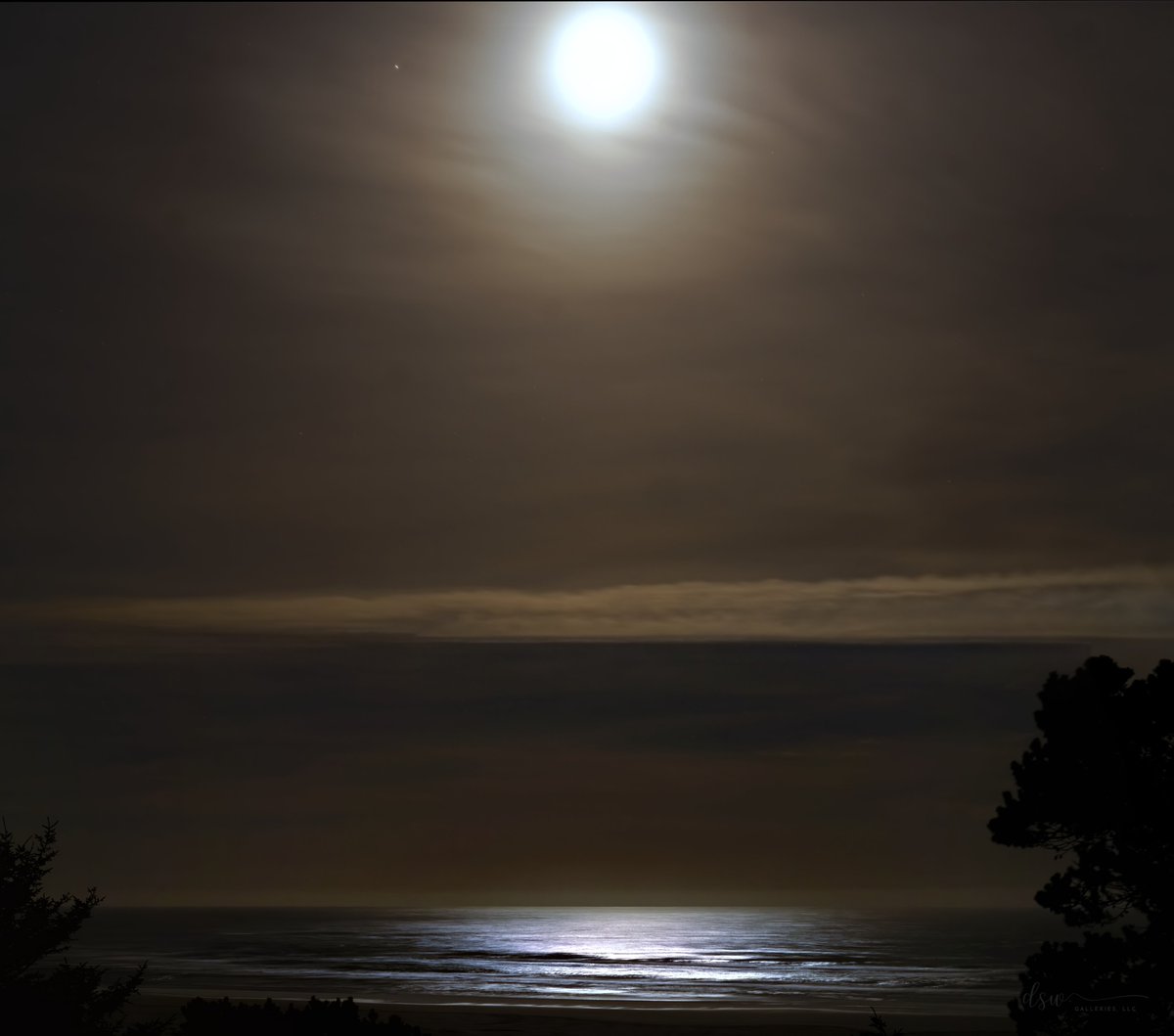
Here is Nye Beach and the Hunter Moon of 2026
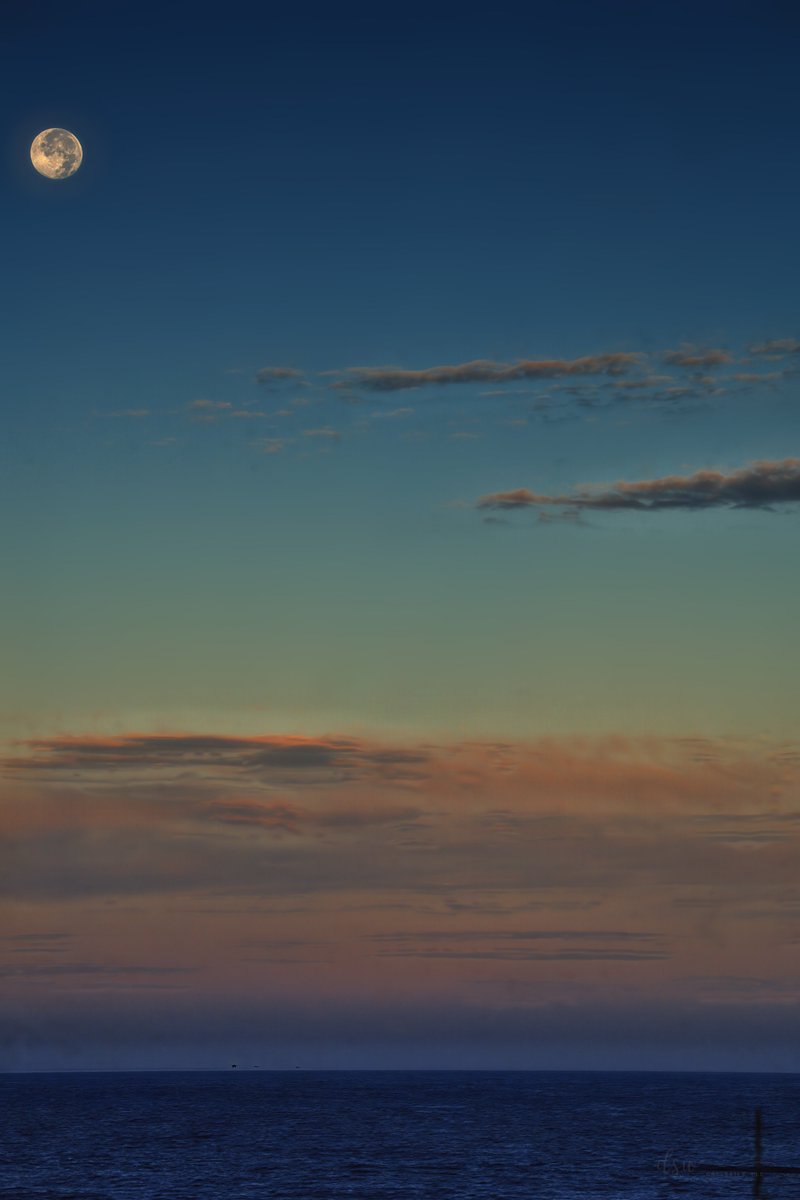
Did I mention how cold it was? I drove down to Yaquina Bay to watch the moon as it made its lazy descent. Here it is, blazing bright and creating scattered reflections over the ocean.
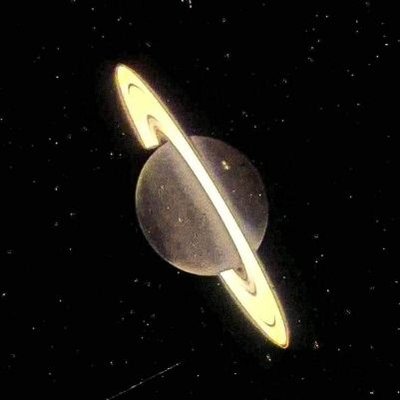
It's not alone! To the left, you can see a "star" that is really the moon's companion that night: Saturn.
It was a freezing cold morning but the short drive to the beach was worth it. As I passed the bridge, I couldn't help myself. I photographed it. Again. But it is so beautiful at night.
This is my "Catch of the Day."
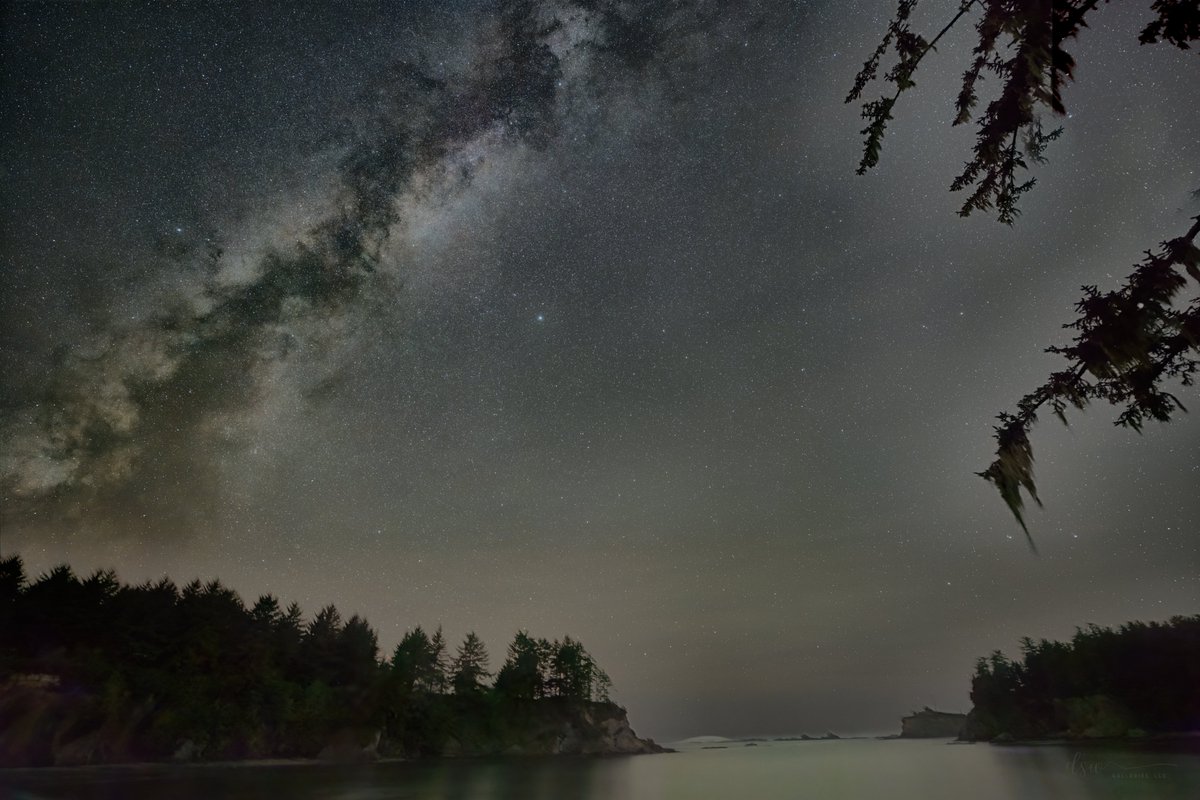
After a long night of shooting random scenes, the Milky Way finally slid into the position I planned out with the PhotoPills app. I took six exposures of overlapping panels to create a 3 x 2 grid of shots that I blended using Image Composite Editor (ICE). When I saw how perfectly positioned the Andromeda galaxy ways, I also pulled in some higher focal length data to enhance its details. The position I chose happened to be next to a Sitka tree that was also blocking the base, but when I saw how it aligned so well with the Milky Way I decided to keep it. I call this, "Sunset's Gate."
I am releasing only three prints total: https://t.co/MveeKiRSQC
Sunset Bay at almost midnight was surreal. I was on a high and dry parking lot, but the waves were so violent that the noise was constantly ringing in my ears. It occasionally would boom from a collision, and other times I'd hear an almost machine gun like sound tearing from far down the coast to my position, which I can only assume was the violence of waves crashing onto shore. I was waiting for a particular alignment, but while I waited, the Milky Way was so impressively visible with my unaided I, I couldn't help but keep shooting it. Here's my favorite frame from that period. If you zoom in, you can see the signature of massive waves crashing on the sea stacks but smoothed out from the long exposure.
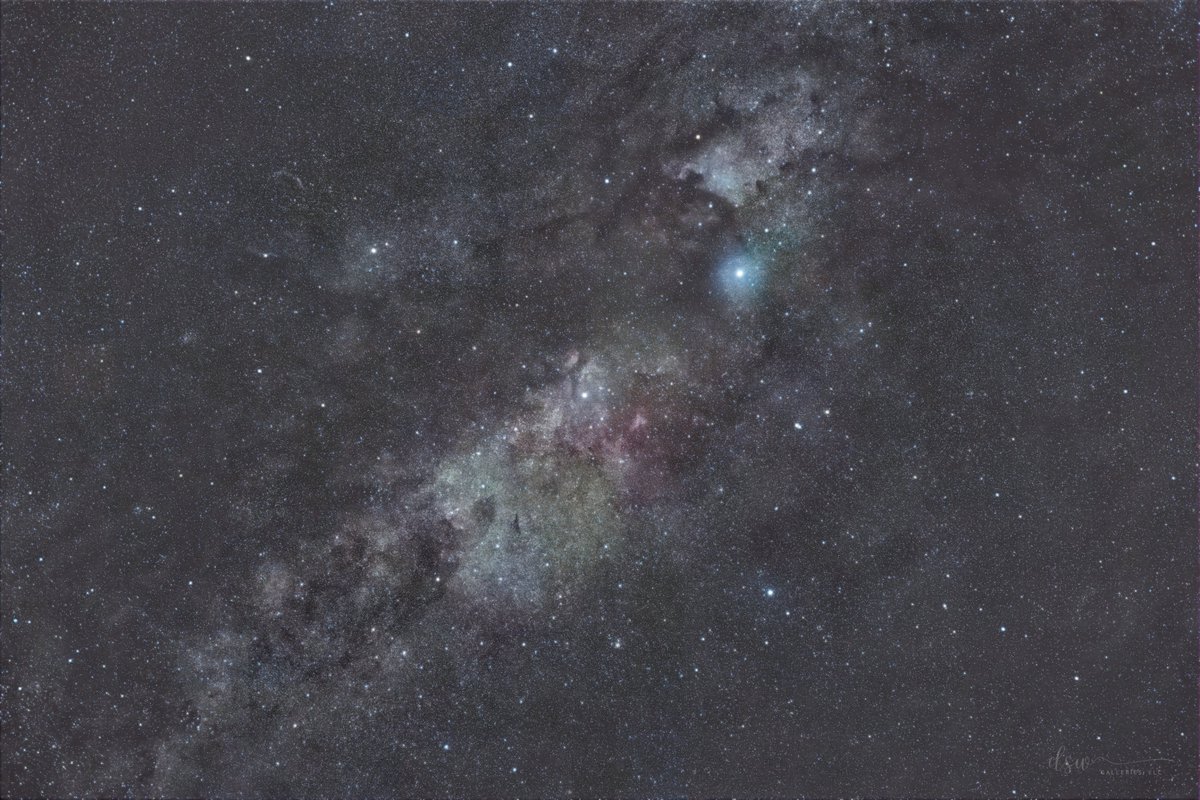
The Northern Cross is a pattern of stars known as an "asterism" within the Cygnus constellation. It lies directly along the plane of the Milky Way, making it a rich region for astrophotography targets. It includes the top star, Deneb, a supergiant that is one of the brightest known stars, and the bottom star, Albireo, a color-contrast double star. The heart of the cross, Sadr, lies in a complex of hydrogen clouds and dark dust lanes that form several popular nebulae including the North America nebula and the Pelican nebula. I shot this with my 50mm lens from a dark site near Coos Day.
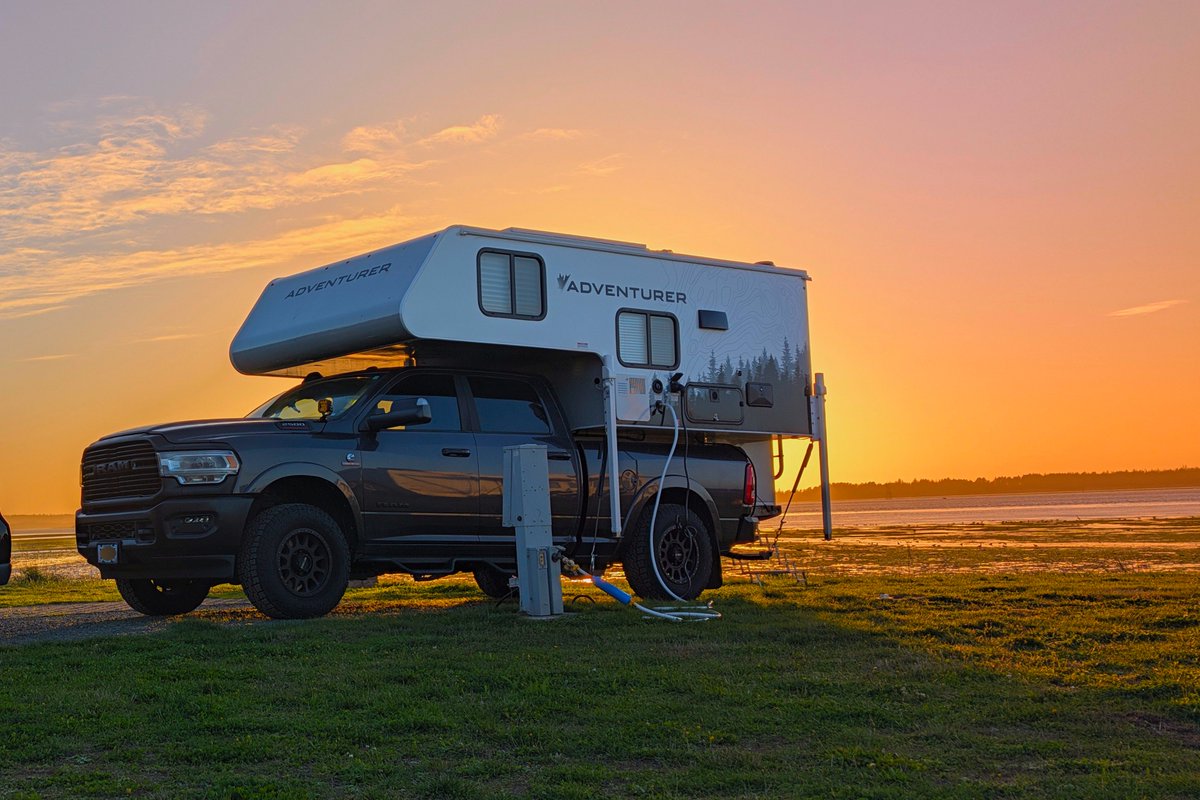
The sunsets were all incredible during our stay in Coos Bay. The first night, however, we were also treated to crepuscular rays. These are almost like shadows caused by clouds blocking sunlight low on the horizon. This was taken from the back of my camper in Bay Point Landing.