✨because two is better than one✨: we talked about complexities of #phenologicalshifts that still limit our ability to predict their consequences for plant–pollinator #mutualisms and suggest ways to overcome them --> #OpenAccess in @ICB_journal: https://t.co/3MzH50o86K
🌿#Grasslands are an overlooked player in climate change mitigation.
90% of their #carbon is stored underground, where their diversity helps increase the amount of organic carbon stored in roots and soils.
Because of this, and because many grasslands plants have deep and resilient root systems, their carbon stores may be more stable than those in forests, better able to withstand environmental stressors like #drought and fires.
👉Learn more about the many benefits of grasslands: https://t.co/1vHPSavgD1
Paper out https://t.co/xZgJZf27jW Can an #invasive plant disrupt #pollination in just days? We showed that #HimalayanBalsam reduces effective pollen transfer to the native Stachys sylvatica by 80% within 4 days. Visits are not always pollination!
Heatwaves. Droughts. Floods. As climate extremes become more frequent, they may be silently increasing the risk of plant disease outbreaks by reshaping plant pathogens, beneficial microbiomes and host immunity. Check out our latest Review @NatureRevMicro https://t.co/7AKnDeXSPf
📖Published
Trait-based responses of soil nematode communities to land use and climate change🌍
By linking nematode traits to soil moisture and pore structure, we find that the effect of future climate on nematode body traits is land-use dependent🪱
🔎 https://t.co/Ut7YdXX6Px
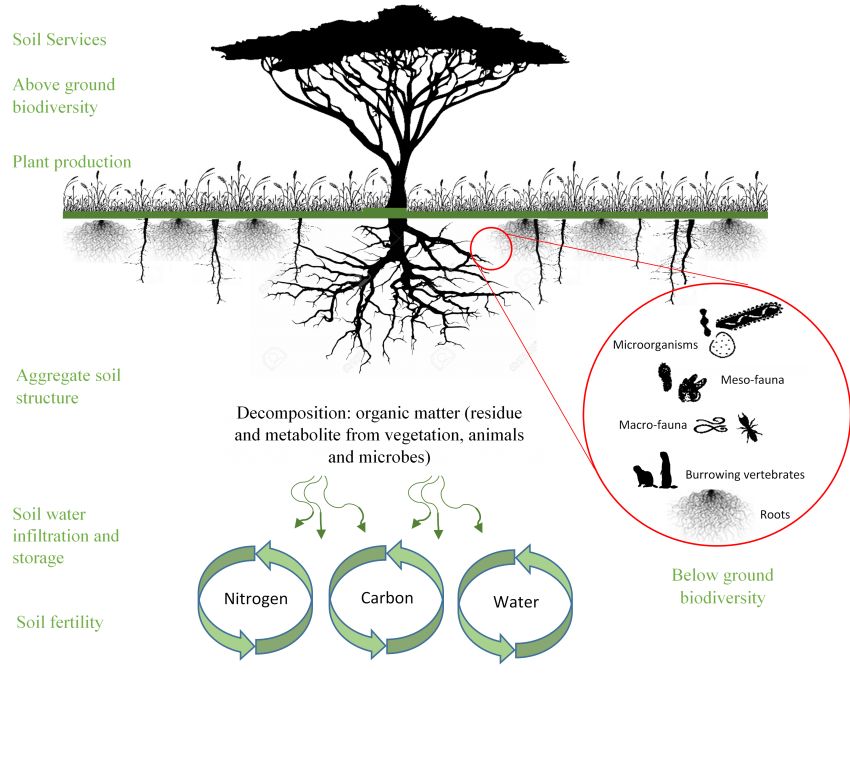
Soil biodiversity drives the carbon, nitrogen and water cycles upon which life on earth depends.
🍃 #Sustainable land management practices and sustainably managing agricultural landscapes can preserve soil #biodiversity.
Our Issues Brief explains more ➡️ https://t.co/LfV0SvSNVD
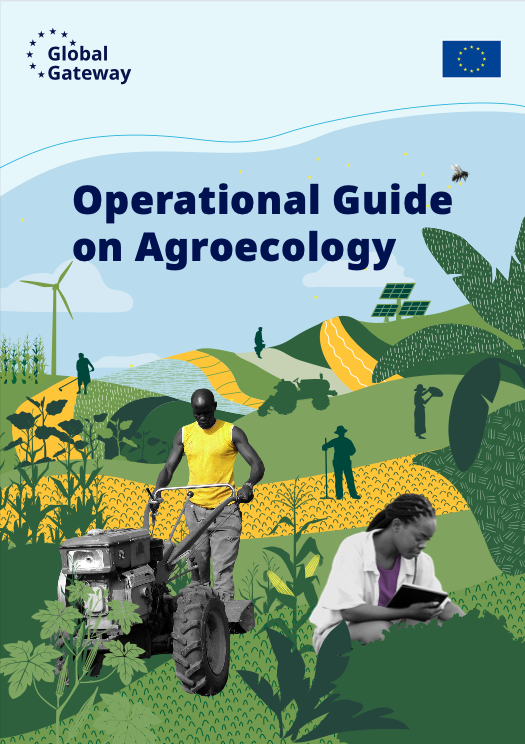
The EU’s Operational Guide on #Agroecology is out now!
CIFOR-ICRAF contributed through the Agroecology TPP, with our experts providing technical inputs to support research & action.
Download: 🔗 https://t.co/kctQtqQGBG
#aeTPP#TreesPeoplePlanet
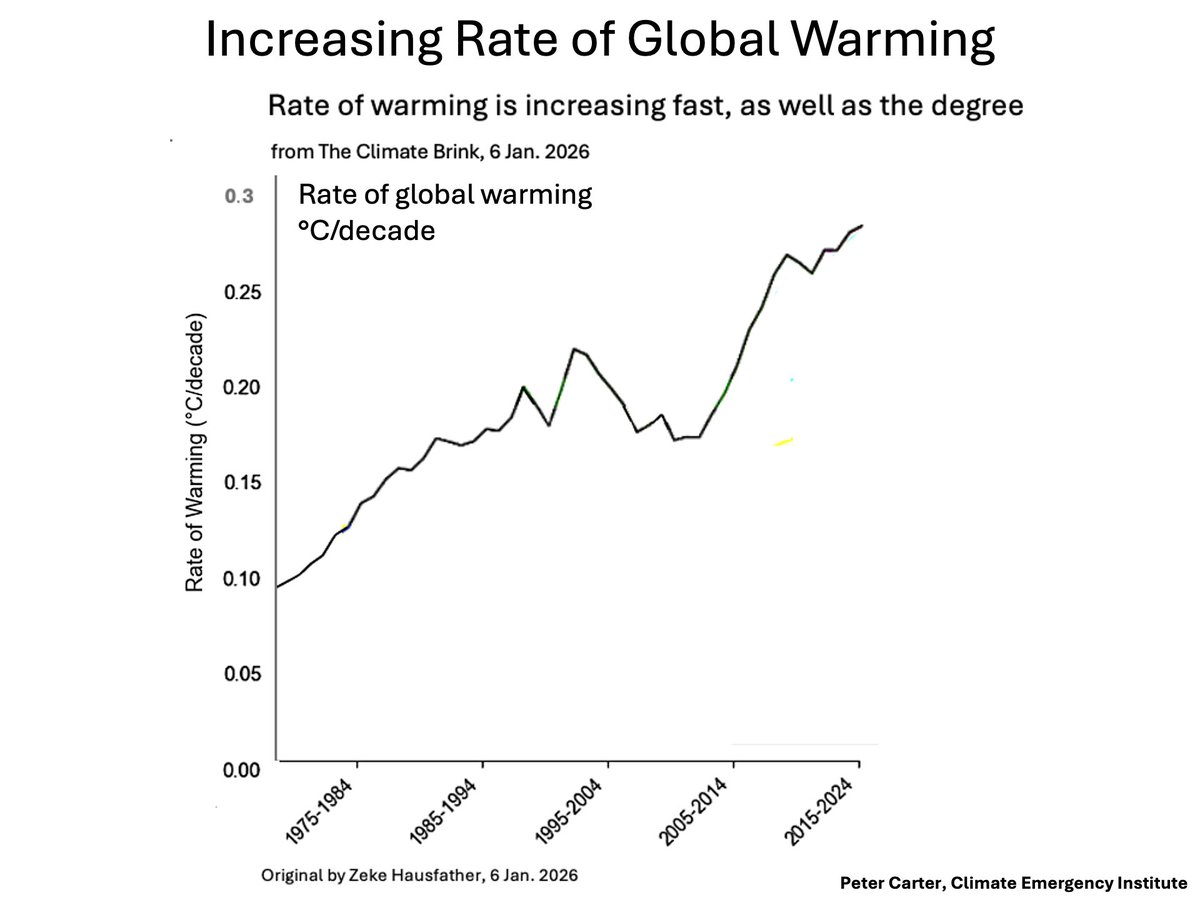
HUGE INCREASE IN RATE OF GLOBAL WARMING, STILL INCREASING
The rate of warming is an essential climate change indicator, along with the degree of warming. It shows most strongly how the climate emergency is spinning faster out of control, driven by fossil fuels, and most dire. It demands immediate action to slash emissions, phasing out fossil fuels fast.
Invaluable climate change science from The Climate Brink
https://t.co/Lre7j2CCL7 #climatechange #globalwarming
Environmental risks like extreme weather & biodiversity loss, together with short-term risks, are compounding into a crisis no country can manage alone
Rebuilding trust and strengthening international cooperation is essential to protect people and planet
https://t.co/p1Lai2YL27
📖 Published!
This review provides an overview of studies to date using long-read sequencing platforms for biodiversity analyses of eukaryotes, from eDNA and community metabarcoding, shotgun sequencing, and DNA barcoding🧪 🧬 🌍
Read more: https://t.co/xUd4e7ktoY
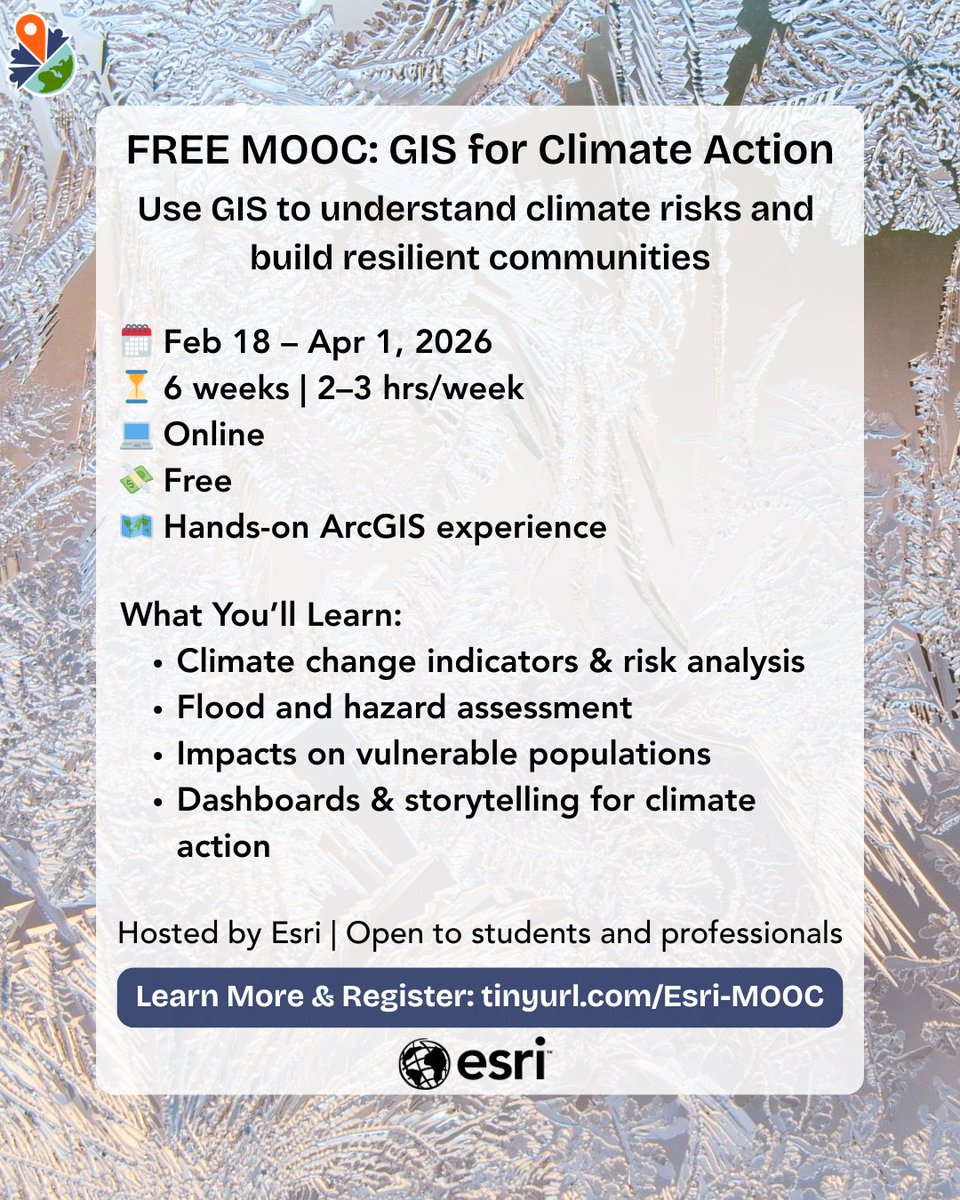
Interested in using GIS to address climate challenges? 🌍
Check out @Esri FREE MOOC: GIS for Climate Action
🗓 Feb 18–Apr 1, 2026
Explore climate risks, vulnerable populations, and create dashboards that drive action.
Register: https://t.co/9SXEFfQ75F
#YouthMappers#GIS
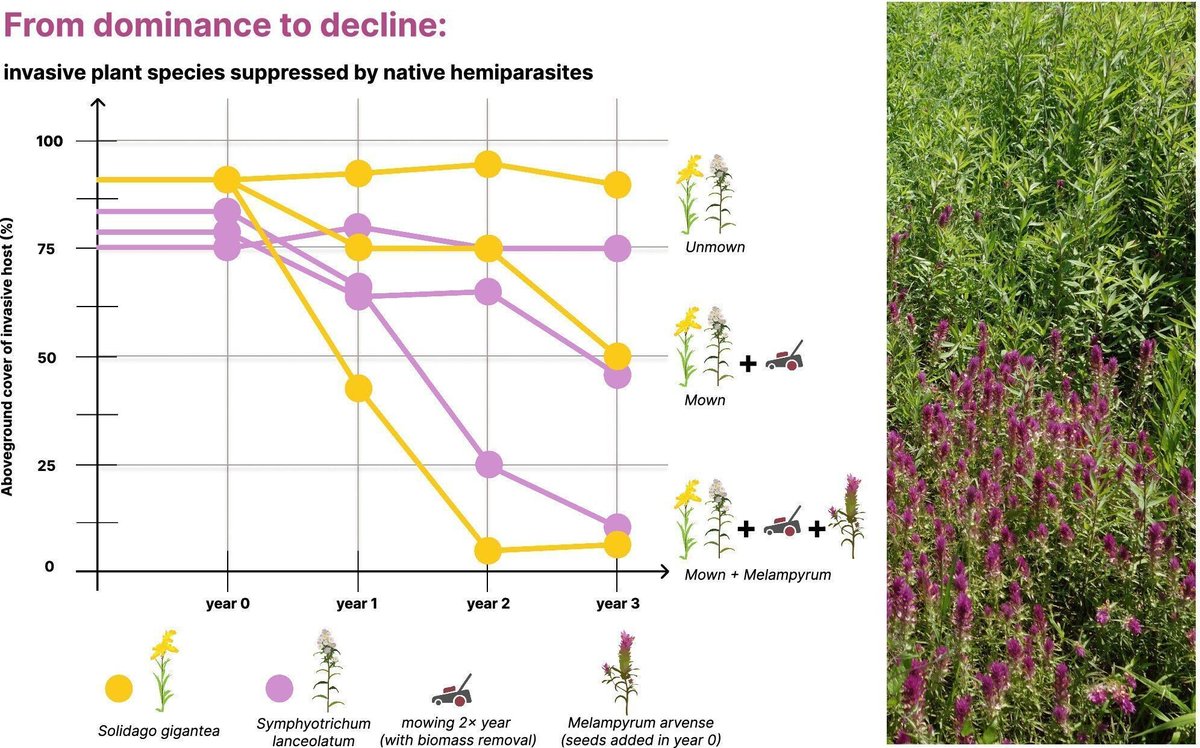
Biocontrol by a native hemiparasite: Rapid suppression of noxious invasive plants in a field experiment 🌷
Demonstrates Melampyrum arvense as a biocontrol tool suitable for containing two harmful invasive species 📊
🔗 https://t.co/TZanhij9RD
Soil community structure across native & exotic forests is shaped by edaphoclimatic conditions & eukaryotic biomarkers 🌲
Indicates to the importance of taking management decisions for these forests considering regional conditions as well as forest type
https://t.co/fV8RLt4sI2
🌎 6 years of data from @cedarcreekesr show that warming consistently reduced plant diversity in grasslands, with stronger and more variable effects than drought—highlighting the need for long-term studies of climate impacts on biodiversity👇
https://t.co/FdMz3q5fRz
🆕 & #OpenAccess in the journal: thousands of root & soil samples show Arctic plants & fungi aren't picky—they partner with whoever's there
📄Opportunistic partner choice among arctic plants and root-associated fungi is driven by environmental conditions
https://t.co/timsemqnBu
🆕 in the journal: Static models miss the mark—adding nonlinear, density-based facilitation helps predict coexistence, persistence, and realistic community dynamics
📄Neighbor density-dependent facilitation promotes coexistence and internal oscillation
https://t.co/LCiLdGF6xl