@genevieve__h Ok, this is awesome. Put it in AIglers this Friday! I just vibed a site for a training program I'm running and I wish I had this Friday instead of today.
After the amazing @TheSavBananas
game last night, @maxjg4 stayed to sign a LOT of autographs for excited fans.
But he didn't just sign the balls or bats or hats. He asked the kids "What's your name?" and then he said "Hi, I'm Max".
He took time to connect. Thanks Max!
Which Countries Are the Biggest Threats to World Peace?
According to Canada:
🇺🇸 USA: 37%
🇷🇺 Russia: 15%
⬜ Other: 15%
🇮🇱 Israel: 11%
🇮🇷 Iran: 11%
🇨🇳 China: 6%
🇰🇵 North Korea: 5%
Source: YouGov survey, June 17 – July 1, 2026. Based on 2,000-2,300 adults polled per country (14,725 total). "Other" includes "don't know."
best rebrands of this era
public beta --> Research Preview
sales engineer --> FDE
engineer --> Member of technical staff
gambling --> Prediction Markets
what did I miss?
Imagine every pixel on your screen, streamed live directly from a model. No HTML, no layout engine, no code. Just exactly what you want to see.
@eddiejiao_obj, @drewocarr and I built a prototype to see how this could actually work, and set out to make it real. We're calling it Flipbook. (1/5)
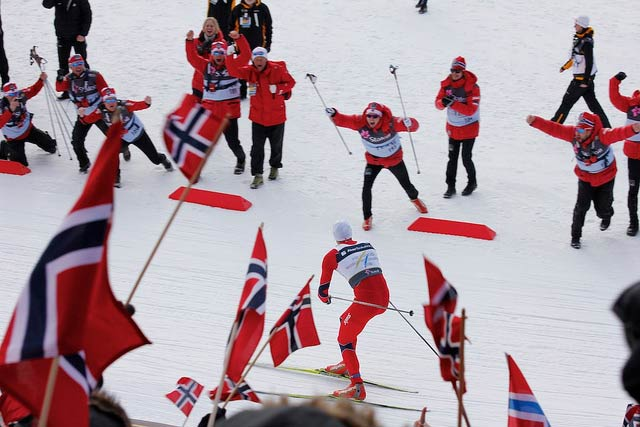
Norway consistently wins the most medals at the Winter Olympic Games, with a population of just 5.6 million people.
A big part of their success is how they treat youth sports—and it’s the opposite of what we do in the US. Here’s what we can learn from Norway:
1. Scorekeeping:
In the US: Youth sports tend to be hyper competitive even at early ages. Leagues almost always keep score.
In Norway: Scorekeeping isn’t even allowed until age 13.
Removing winners and losers keeps the focus on the process not outcomes. It keeps kids engaged longer because it minimizes pressure (and tears) and maximizes fun, learning, and growth. The goal isn’t to win a third grade championship. It’s to love sport and keep playing.
2. Trophies:
In the US: If you give everyone a trophy, you’re creating snowflakes who will never gain a competitive edge.
In Norway: Whenever trophies are awarded, they are handed out to everyone.
If getting a trophy makes young kids feel good, we should give them trophies. Maybe they’ll come back and play again next year!!
As for the creation of snowflakes with no competitive edge—Norway’s athletes are tough as nails and all they do is win.
3. Prioritizing Fun:
In the US: Far too often, the goal is to win.
In Norway: The national philosophy is “joy of sport.”
Youth sports in the US are driven by adults, ego, and money. Youth sports in Norway are driven by fun.
Only half of kids in the US participate in sports. The number one reason they drop out: because they aren’t having fun anymore. In Norway, 93% of kids participate in youth sports. Fun is the foremost goal.
4. Playing Multiple Sports:
In the US: There’s pressure to specialize early and play your best sport year round.
In Norway: Try as many sports as you can before specializing as late as college.
Norway encourages kids to try all types of sport. This reduces injury and burnout and increases all-around athleticism. It also helps promotes match quality, or finding the sport you are best suited for as your body develops, which is impossible if you commit to a single sport too early.
5. Affordability
In the US: There is increasingly a pay-to-play model with high fees for leagues, equipment, and travel. This excludes many kids from playing.
In Norway: It’s a national priority to keep youth sports affordable and therefore accessible for all.
Kids aren’t priced out, which creates opportunities for everyone to participate (and develop into athletes), regardless of their parents’ income level.
We could learn a lot from Norway:
In the US, 70% of kids drop out of youth sports by age 13. This not only diminishes an elite-athlete pipeline, but it also destroys an opportunity for healthy habits and all the character lessons kids can learn from sport.
In Norway, lifelong participation in sport is the norm. The goal isn’t to have the best 9U team. It’s to develop the best athletes. Those are two very different things. And Norway has the gold medals to prove it.
“Well you see, honey, there were some employees at OpenAI who worried about the AI taking over, so they built a thing called Claude. Then another guy made a thing called Clawdbot, and Claude made him rename it to Moltbot. Then someone made a website called Moltbook for the Moltbots to talk to each other, tho it’s more like Moltreddit. And yeah anyway it’s funny or maybe really bad who knows lol”
Google could put together a pretty unbelievable “Prime” subscription across Gemini, YouTube Premium/Music, Storage, Workspace and TV
OpenAI simply can’t compete with that value prop
Regulatory, content rights, and ad cannibalization are concerns here, but imagine more elements start working their way into the Gemini bundle over time
OpenAI: we’re excited to launch a chromium wrapper
Google: we just demonstrated that a quantum computer can run a verifiable algorithm 13,000× faster than the best classical computers
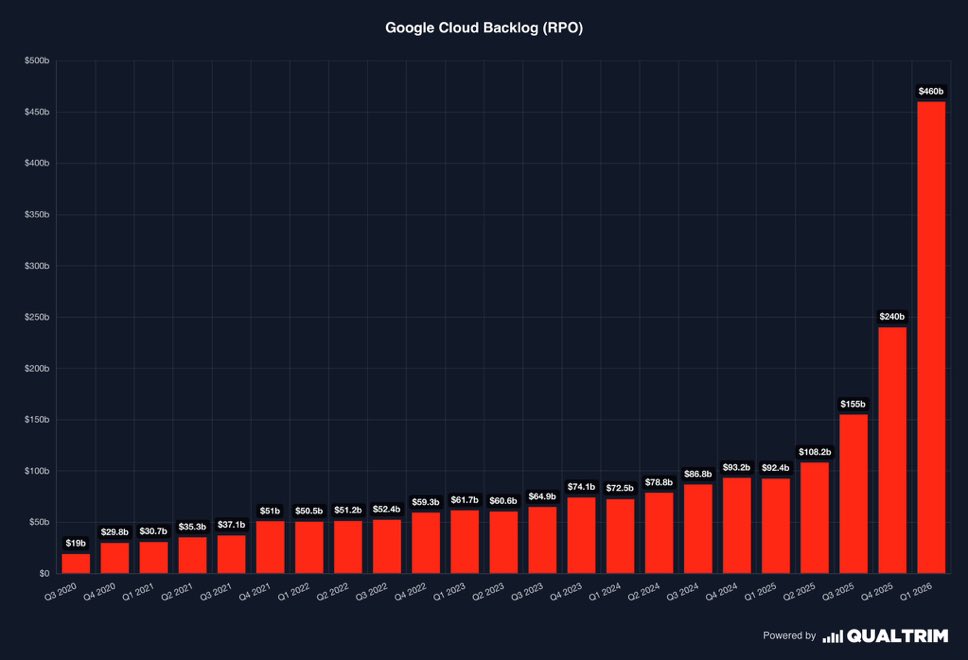
Google, Anthropic, and OpenAI are currently fighting a war of attrition. The problem for the latter two is that their cash comes not from clients but from investors, while Google is profitable and is no longer losing users.
Add to this the fact that among the three, only Google has its own infinite supply of GPUs for the price of peanuts, and draw your conclusions on how this war of attrition will end.