We’ve trained a multimodal AI model to turn routine pathology slides into spatial proteomics, with the potential to reduce time and cost while expanding access to cancer care.
I am very proud to be part of the amazing team of researchers, scientists and clinicians who are all co-authors of the important research publication just released in Nature Medicine. The paper documents changes in my brain tumour & blood before and after I received neoadjuvant systemic combination immunotherapy treatment, which occurred in 2023.
Everyone involved, including lead authors Georgina Long and Helen Rizos, used their expertise, knowledge and creative intellect to generate this important data just released.
Whilst the paper deals with the data from just one patient (me), ultimately a clinical trial of a large group of patients needs to be conducted to determine whether or not neoadjuvant (pretreatment) combination immunotherapy is clinically effective in (a subgroup of) brain cancer patients. I hope such a trial begins in the not too distant future.
Congratulations to everyone who has contributed to this research. What a fantastic achievement!
But this is only the beginning & much more research is required to improve treatment and outcomes and ultimately save lives.
@SydneyLHD@NthSydHealth@Sydney_Uni@COBLH
#glioblastoma
#WhatsNewInDermpath
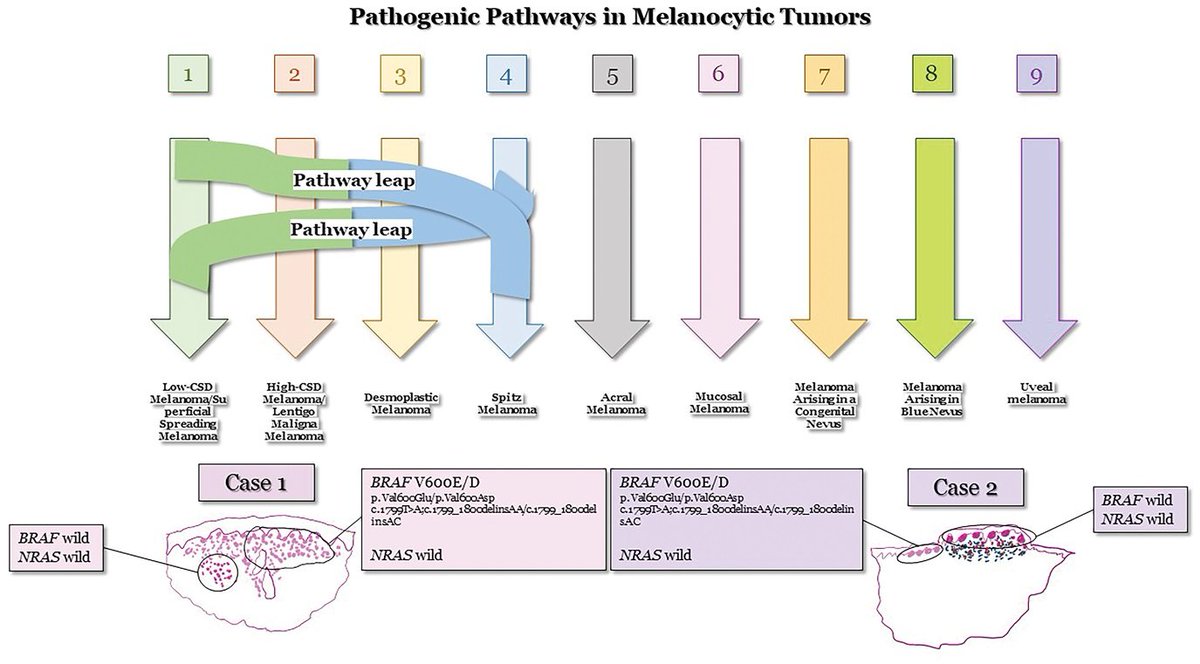
“Pathway leap”: a new molecular phenomenon to consider in the pathogenesis of melanocytic tumors
- melanocytic tumors of a specific pathway may “leap” to another pathway through a mutational process.
Full article link: https://t.co/1zlGMQHYOL
Tenosynovitis with psammomatous calcifications: Series of 18 cases and review of the literature emphasizing a common source of expert consultation and updated differential diagnosis
By @JMcMahonG and outstanding Hopkins trainees and colleagues
https://t.co/oa3XVYt8Ik
Saturday morning with a visit from @DrSapnaPatel presenting on adjuvant and neoadjuvant and adjuvant melanoma therapies at the @CSCancerCenter melanoma retreat!
@angelesclinic
Dear colleagues and friends, as I am sure all of you know, my mentor, colleague, and friend Dr. Chris Fletcher passed away last month. Several of his friends are initiating a fundraising activity through the USCAP Foundation to support an annual award in his name at the USCAP meeting to honor Dr. Fletcher's many outstanding qualities, including excellence in surgical pathology, education, mentorship, leadership, and advocacy. Please consider donating to this fund, as well as passing this on to your colleagues. Thank you so much for your consideration.
@BWHPath@TheUSCAP
https://t.co/6oLVupZTBk
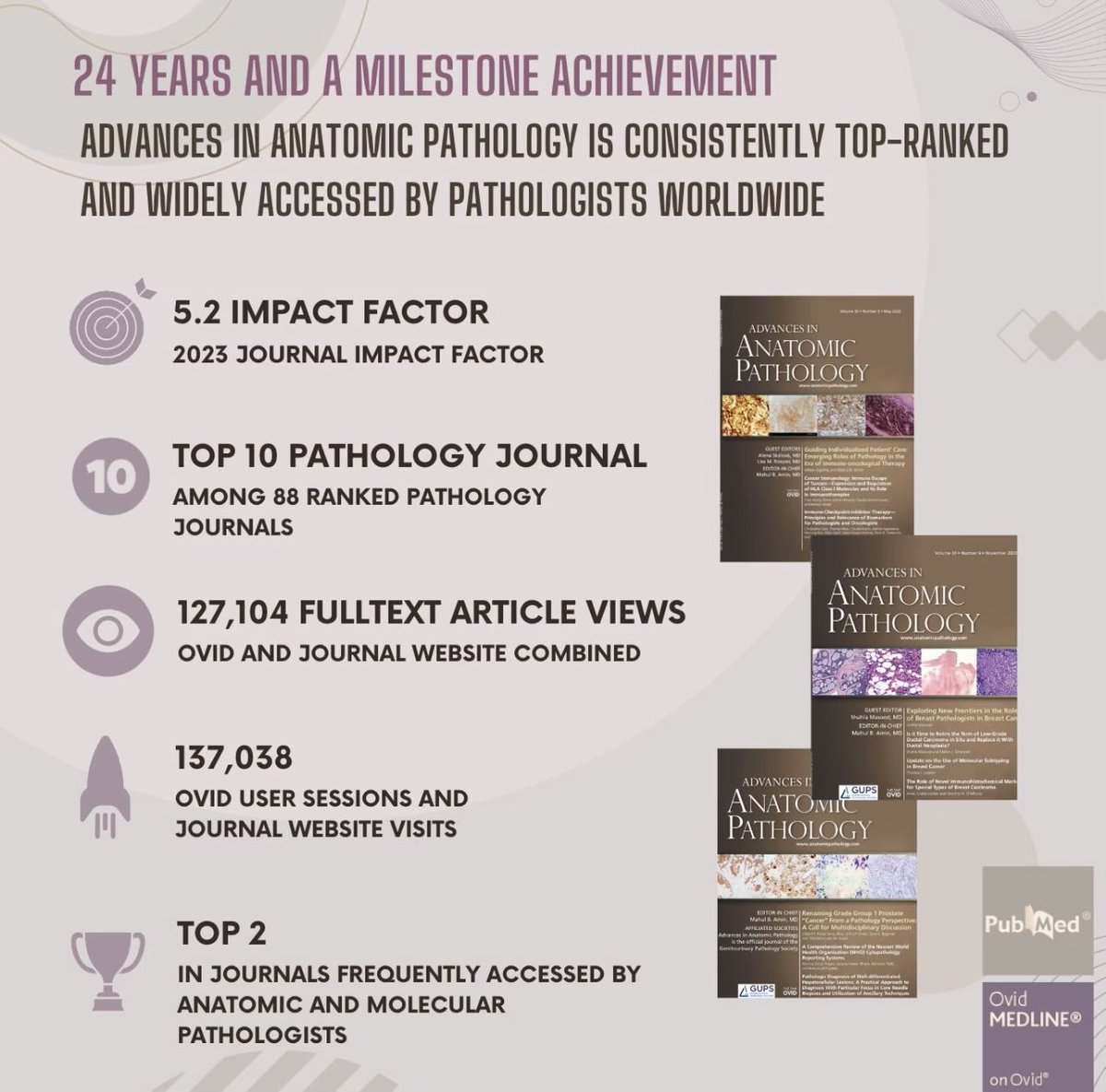
Advances in Anatomic Pathology is a top 10 pathology journal by impact factor and top 2 journal read by Anatomic and Molecular Pathology. Honored to be editor in chief for 24 years - thank you readers and contributors! #PathTwitter#pathology
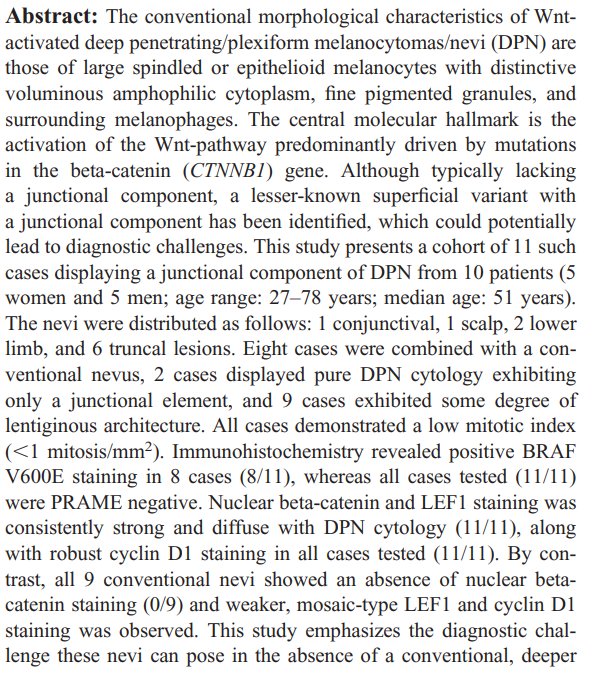
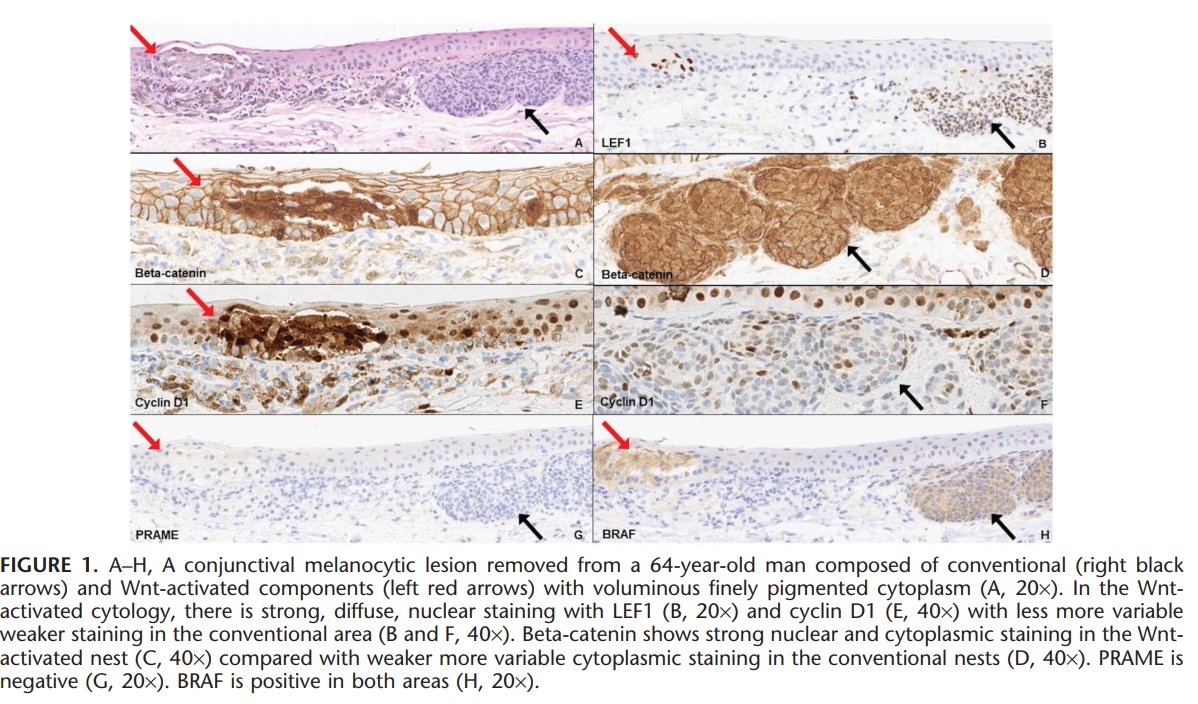
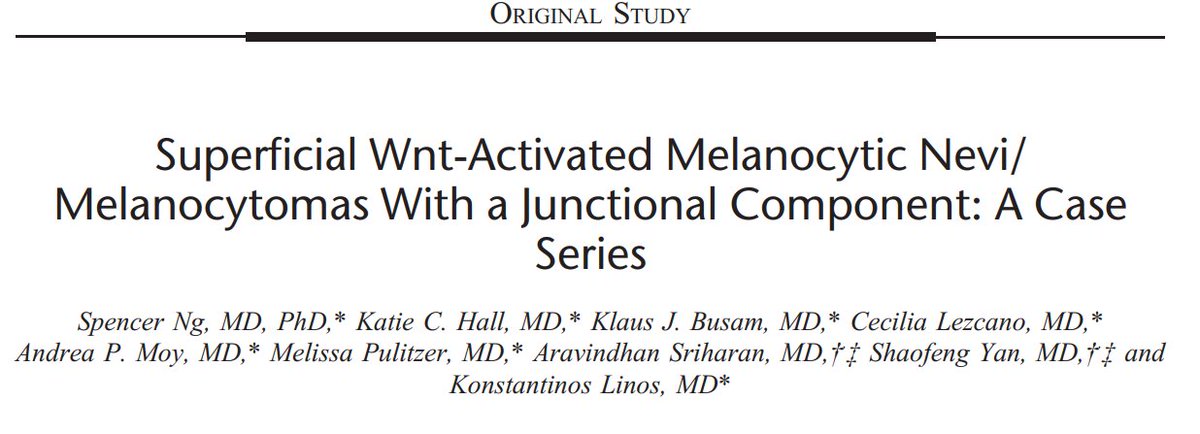
Our new work. Superficial Wnt-activated melanocytic nevi/melanocytomas with a junctional component. American Journal of Dermatopathology
#pathology#dermatology#melanocytic
Describing new gene fusion LMNA::MST1R involved in Spitz lineage tumours. MST1R (as a 1337 native I pronounce it Mr) is an analog of MET.
Free access for 50 days curtesy of @Elsevier
https://t.co/8kPVs7Uqm2
#dermtwitter#dermpath#PathTwitter
#ThrowbackThursday
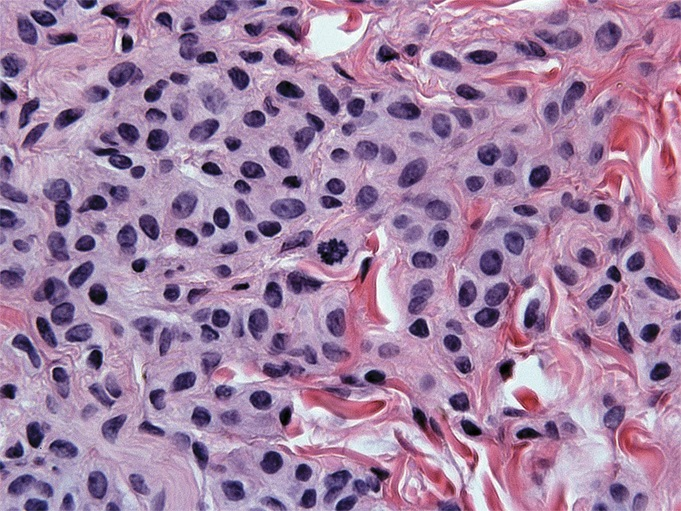
Nevic Mitoses: A Review of 1041 Cases
This study in 2013 concluded that mitotic figures, even multiple ones, do not preclude benignity in a variety of melanocytic nevi.
https://t.co/eu0vuBRxIT
What are your thoughts?
Although many cases and small series of toxic erythema of chemotherapy (TEC) have been described, the full spectrum of findings is not well understood.
This CME article will help understand the spectrum of clinical and histopathological findings
https://t.co/cmY90lp4wf
Interesting about all the talk of soaring health care costs while reimbursements to #pathologists have declined >25% over the past 25 years. Maybe drug companies should stop advertising direct to consumer since consumers cannot buy over-the-counter? Just a thought...Step 1
39% of surveyed lab directors believe LDT regulation will harm patient care.
Only 12% believe the regulation will make lab testing more accurate and safer.
Who is behind this regulation?