AI in SRE is here! Google just open-sourced how they keep 5 billion people online.
This is Google SRE. The team that invented Site Reliability Engineering 20 years ago. Every major tech company copied their model. Now they just published exactly how they are rebuilding it with agentic AI.
Here is what their agents are doing inside Google right now:
→ When something breaks, AI agents pull observability data, run through playbooks and fix the issue autonomously before the on-call engineer even gets paged
→ AI agents monitor every live incident, write postmortems automatically and generate engineer handoff documents without a human touching anything
→ A system called AI Insights continuously reads every past Google incident ever recorded and feeds those lessons to agents so they get smarter after every single outage
→ Anomaly detection agents learn normal behavior patterns instead of using static thresholds and alert only when something actually looks wrong
→ Every agent has its own identity, its own permissions, its own reliability SLO and its own backup plan. Google treats AI agents exactly like human engineers.
They published the full architecture as a free white paper.
If Google is rebuilding a 20 year old discipline from scratch with agentic AI, every engineering team on earth is already behind and most do not know it yet.
Full playbook here:
https://t.co/qNDOaKORYA
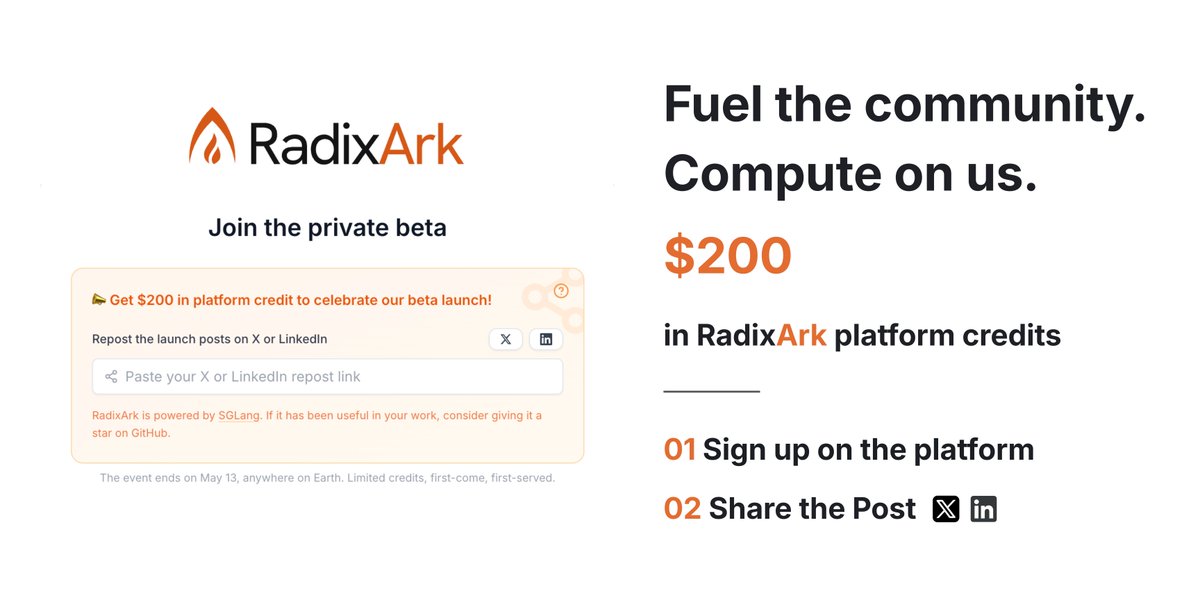
We've heard the community's feedback. Our intent was to make sure the credits reached the people who supported SGLang along the way, and we couldn't be here without you. We're updating the offer to better reflect that.
RadixArk's platform is open for beta, and we're offering $200 in compute credits to get you started
→ Sign up at https://t.co/MVDvcvkFGX and repost this so we can get you set up.
→ Limited spots, first come first serve. Open through May 13, 2026 (AoE).
→ Credits will be granted after we verify the repost.
(If you already reposted our earlier announcement, that counts too; no need to do it again.)
And if SGLang has been useful in your work, consider giving it a star on GitHub. It's a small gesture that means a lot to the people maintaining it. We're in this together, and we're grateful to be building it with you 🧡
If I had to land a $200K AI engineer job in 90 days, I would not get a degree.
I would master these 10 GitHub repos.
1. awesome-llm-apps
The production AI playbook. RAG, agents, multimodal apps, all in working code. 106K+ stars.
Repo → https://t.co/oXrD5A8K6a
2. LangChain
The foundational framework. Used in production by Klarna, Replit, Elastic, and most AI startups in 2026.
Repo → https://t.co/alIh6rDDIu
3. LangGraph
The orchestration layer powering production agents. The skill on every senior AI engineer job description.
Repo → https://t.co/bzVBn9uecV
4. CrewAI
Multi-agent coordination. The framework most Fortune 500 teams reach for first.
Repo → https://t.co/0xohE065sD
5. Ollama
Run any open-source LLM on your own machine. The fastest way to learn how models actually work.
Repo → https://t.co/gyZhUdzsnZ
6. awesome-mcp-servers
MCP is the standard every major AI lab adopted in 2026. Knowing it puts you ahead of 99% of engineers.
Repo → https://t.co/ejVOgkRJDX
7. Qdrant
The vector database used for production RAG at scale. Embeddings and semantic search are non-negotiable for AI roles.
Repo → https://t.co/ziSSXW2dzZ
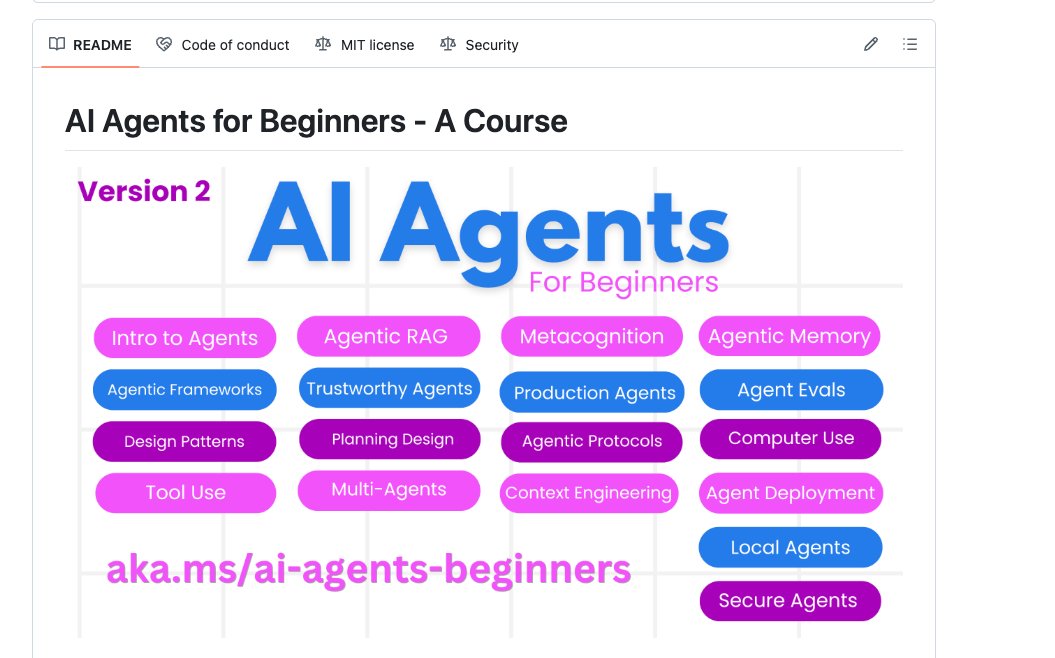
8. AI-Agents-for-Beginners
Microsoft's free 12-lesson course on building agents. Real code, real exercises, real prep.
Repo → https://t.co/7dNsDw6bTj
9. system-design-primer
Production AI is system design. The repo FAANG engineers use to prep for interviews.
Repo → https://t.co/AypwqcL1Xz
10. awesome-claude-code
The playbook for the tool now used inside FAANG, OpenAI, Anthropic, and most YC startups.
Repo → https://t.co/VhNjDoz7YM
Here's the wildest part:
A $200K AI engineer in 2026 isn't paid for a degree.
They are paid for what these 10 repos teach.
The market doesn't care where you learned it. It only cares if you can ship.
90 days. 10 repos. One portfolio that proves you can do the work.
That's it. That's the whole game.
Save this before you forget.
100% free. 100% open source.
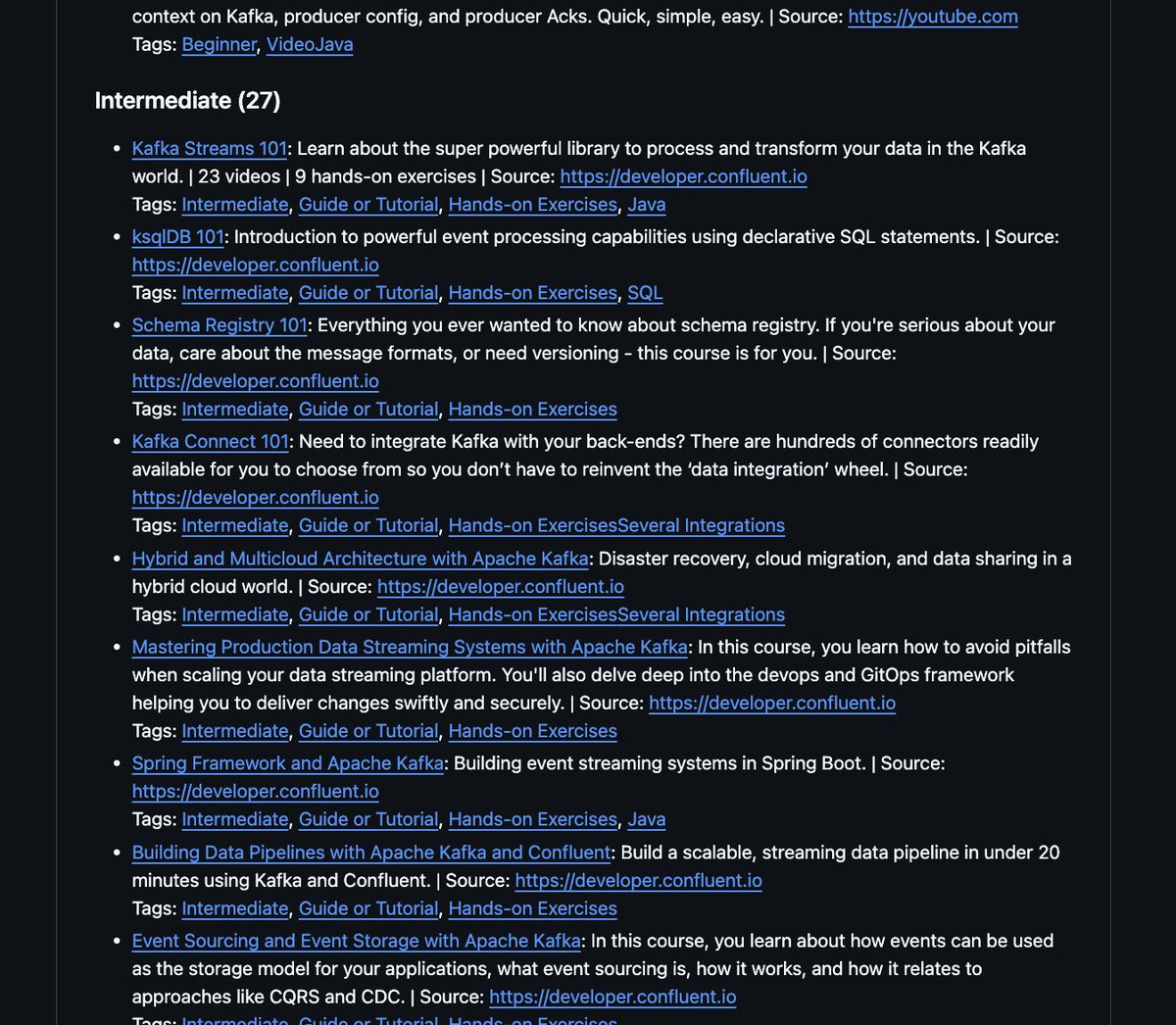
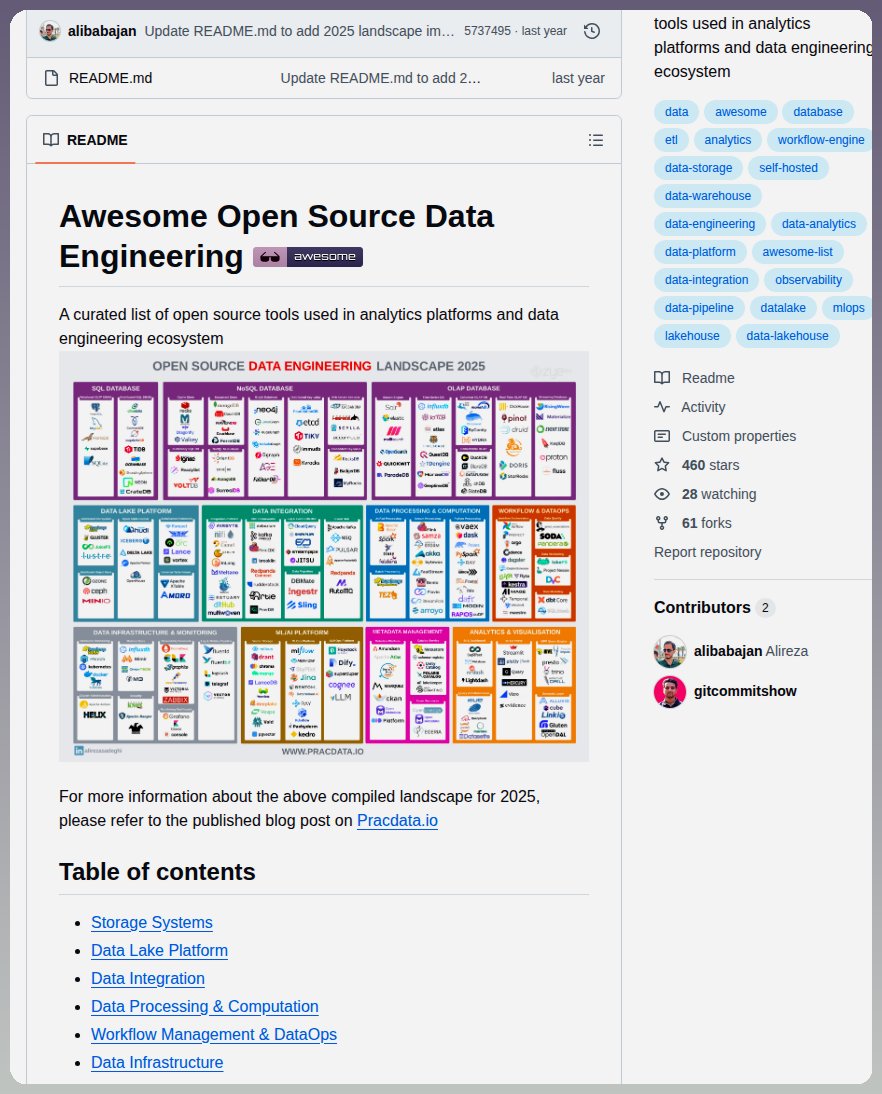
Hey chat if you want to deep dive into kafka you should be going ahead with this github repository
it literally has everything from fundamentals to how big orgs uses kafka
https://t.co/xGjtHwlLaw
The 5 generative AI models every leader should know:
1. Large Language Models (LLMs) = generate and understand natural language text
2. Code Models = specialized in programming languages and code generation
3. Diffusion Models = generate images from text prompts
4. Multimodal Models = handle multiple input types across text, images, and audio
5. Domain‑Specific Models = fine-tuned for specific industries or tasks
@natashamalpani I would’ve agreed human data as a proxy as third was valid few months back but it’s now gaining massive traction. Also we’re thinking about these data problems at https://t.co/J8OBiX8LbM - lmk if you’re open to discussing :)