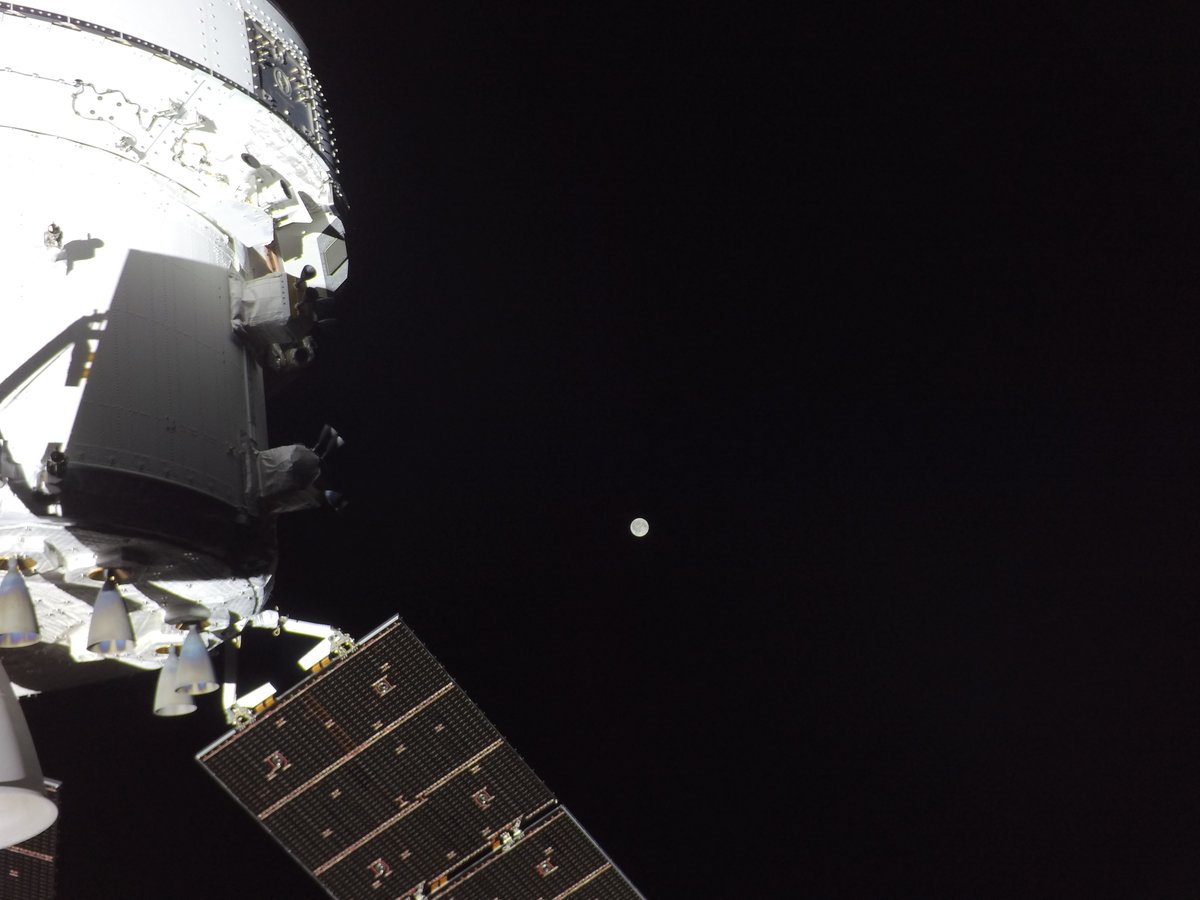
Did you send your name aboard Artemis II???
If you did, then your name is literally in my pocket!! And every time you see me floating around the Orion spacecraft — that’s where your name is! With ME!
Don’t worry — I’ve kept your names safe as I’ve flown around the Moon 🫡 -Rise
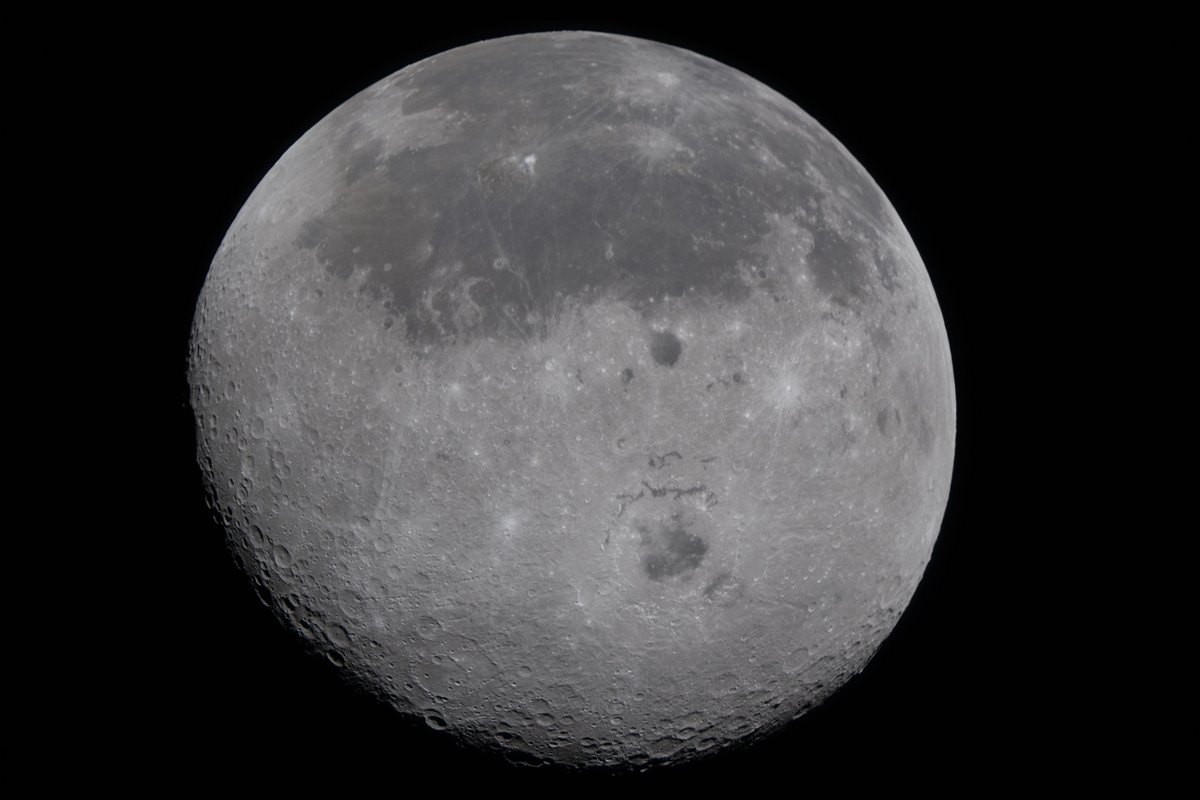
The Artemis II crew captured this image showing the rings of the Orientale basin during their lunar flyby on April 6.
At the 10 o’clock position of the Orientale basin, the two smaller craters – which the Artemis II crew has suggested be named Integrity & Carroll – are visible.
A new milestone for humankind: The crew of Artemis II are now the farthest any human has ever travelled, reaching a maximum distance of 252,752 miles from Earth.
This surpasses the previous record set by Apollo 13 in 1970 by about 4,102 miles.
Approaching the near side of the Moon.
The Artemis II astronauts have surpassed the record for the distance from Earth at 1:56 ET (1756 UTC). This record was previously set during the Apollo 13 mission when the astronauts traveled 248,655 miles from Earth. The Moon continues to grow larger and larger in the windows of the Orion spacecraft as the Artemis II mission gears up to observe the far side. The astronauts are predicted to make their closest approach of the Moon around 7:02pm ET (2302 UTC).
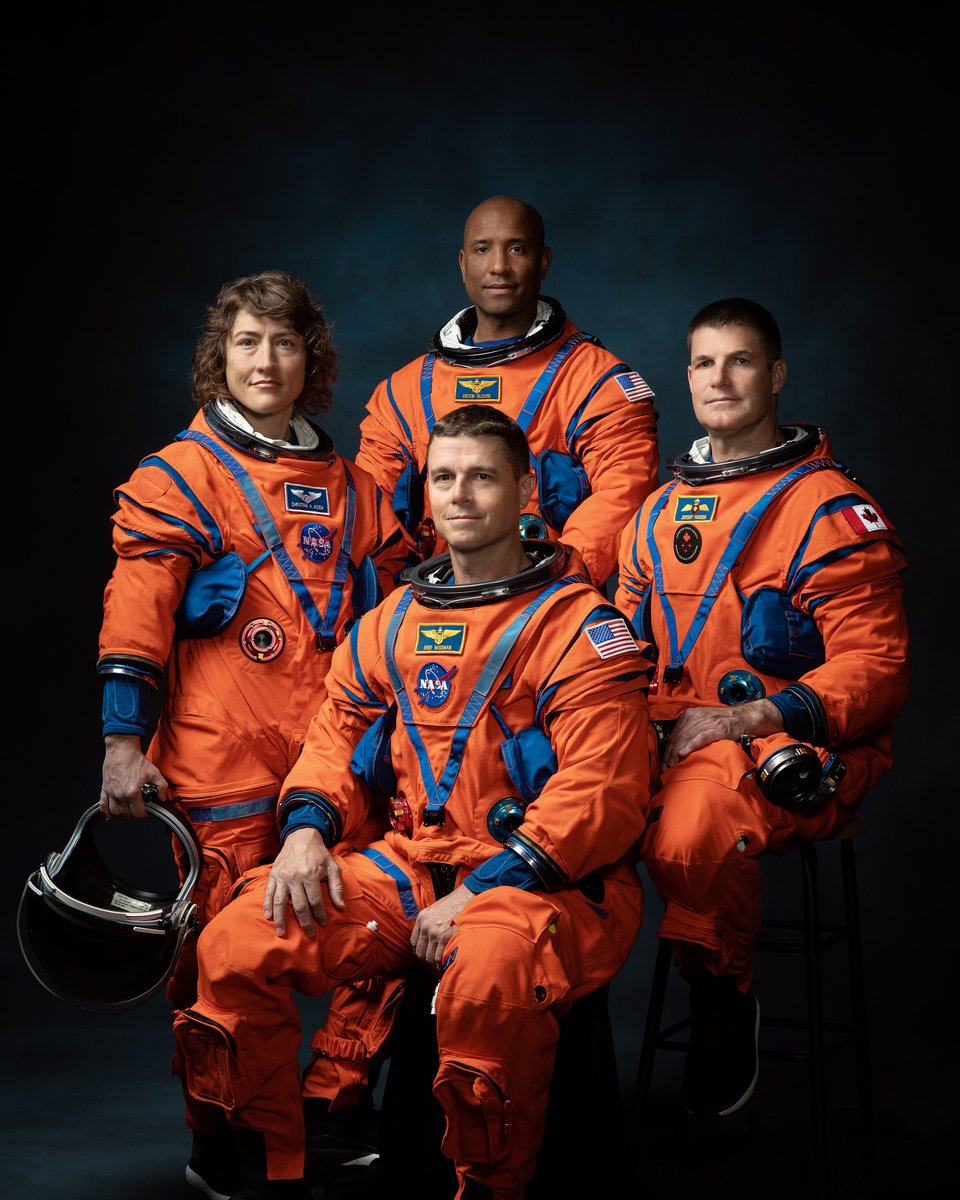
These four astronauts are currently on a mission to fly around the Moon—and soon they'll break the record for how far humans have traveled from Earth!
Meet our Artemis II crew 👇
For those curious about how the Artemis II crew is sharing photos on social media during their journey, Reid said the following during his February 20 weekly update: “…all four astronauts will hand their social media over to our respective agencies… so while we’re up there, our social media coordinator for the astronaut office, Camille, will be posting… so we will write the content, we’ll give her the ideas, we’ll send pictures down while we’re on our way out to the Moon and back, and then she’ll do the posting on the various platforms… it’s us posting, but not directly, because we will not have internet connection while we’re out there on the Deep Space Network.”
https://t.co/VREs1znURK
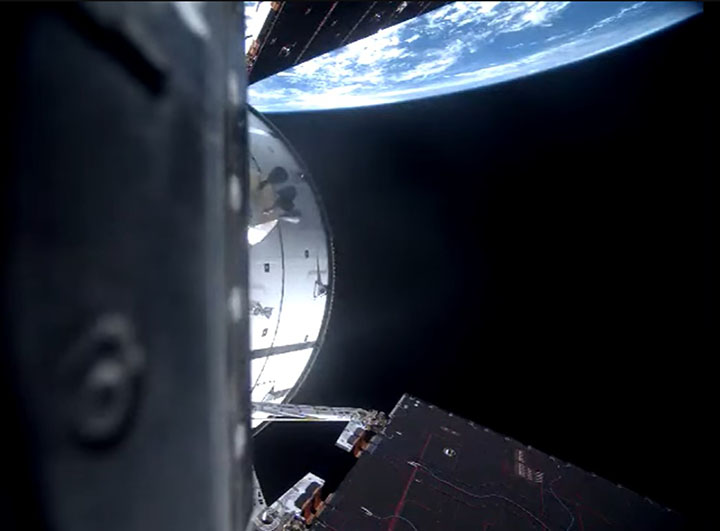
Leaving Earth orbit, ✅. Next up: Finalizing the Moon observation plan.
Artemis II is both a test flight and a science mission. Astronauts, flight controllers, & science teams are working together to squeeze as much knowledge as possible out of the crew’s lunar flyby. ⬇️ (1/6)
Artemis II just hit the "two thirds" mark of the journey to the Moon.
During Flight Day 4, the astronauts aboard Orion went over plans to study the Moon during their upcoming lunar flyby and are currently practicing manually controlling the spacecraft.
History in the making
In this new image from our @NASAArtemis II crew, you can see Orientale basin on the right edge of the lunar disk. This mission marks the first time the entire basin has been seen with human eyes.
We’re halfway there.
At the time of posting this, the Artemis II mission is about halfway to the Moon. When the astronauts arrive, they will conduct a lunar flyby and collect scientific observations of the Moon’s surface.
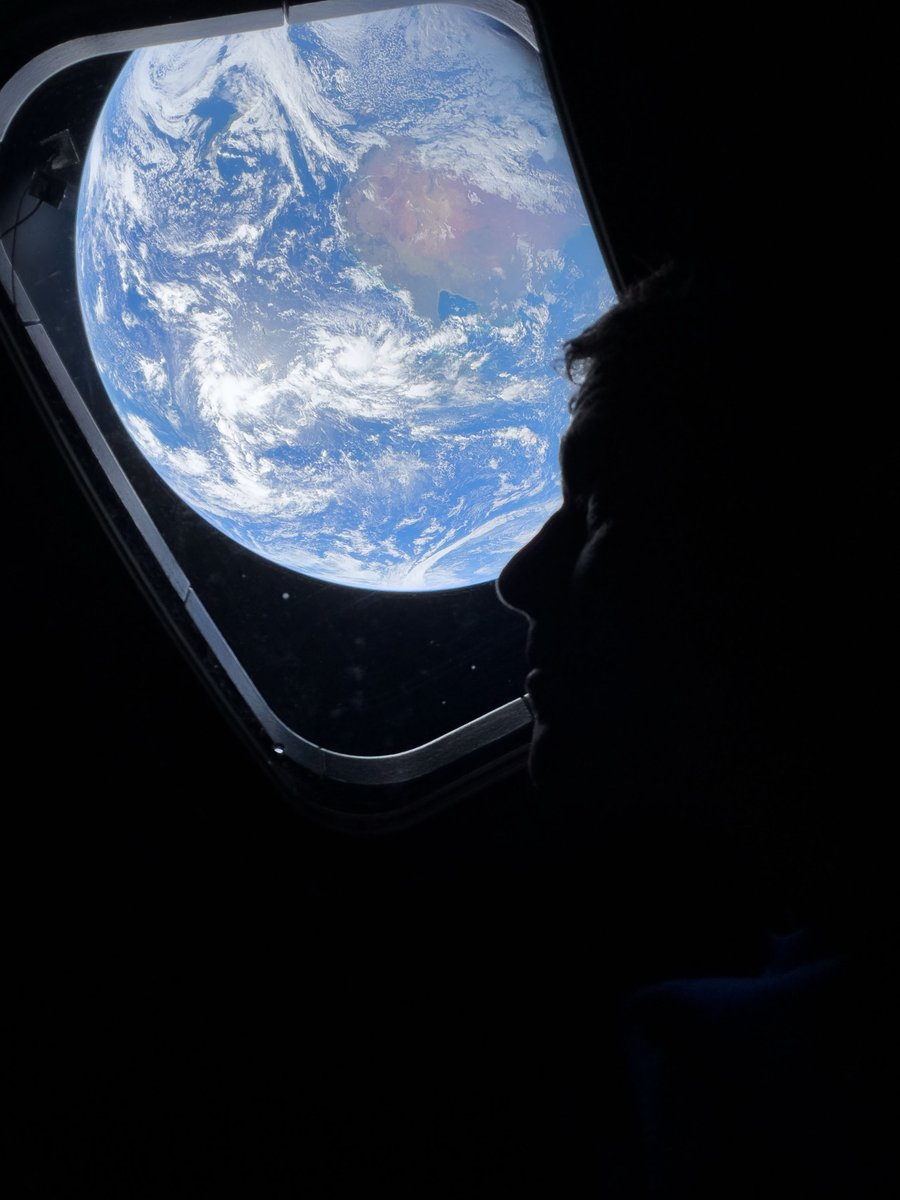
That's us! 🌍
The Artemis II crew captured beautiful, high-resolution images of our home planet during their journey to the Moon. As @Astro_Christina put it: "You guys look great."
Signal acquired! 📡
Engineers at @NASAJPL have confirmed that the Orion spacecraft is communicating with the Deep Space Network. For the first time in over 50 years, we’re receiving a signal from a spacecraft carrying humans toward the Moon.
For the first time in over 50 years, humans are Moonbound.
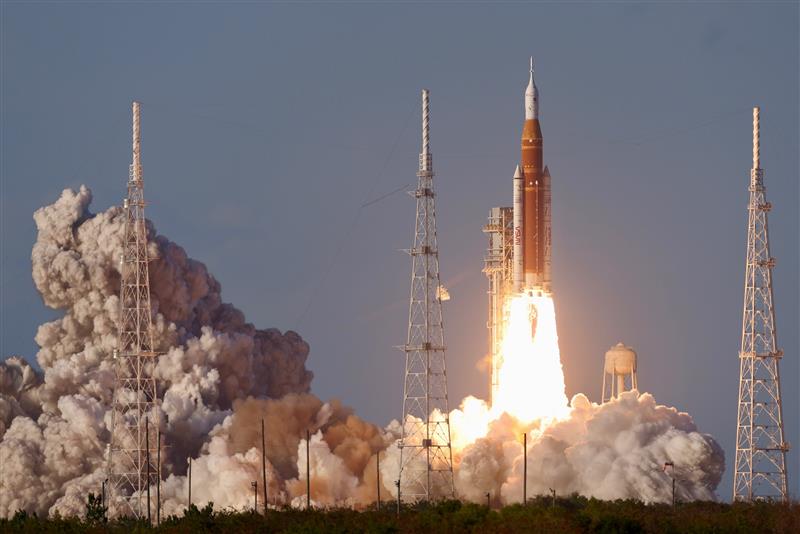
At 6:35 p.m. EDT (2235 UTC) NASA’s Space Launch System rocket and the Orion spacecraft lifted off from the agency’s Kennedy Space Center in Florida, sending four astronauts on a planned test flight around the Moon and back. https://t.co/0Q9ZB4IWVI
Liftoff.
The Artemis II mission launched from @NASAKennedy at 6:35pm ET (2235 UTC), propelling four astronauts on a journey around the Moon.
Artemis II will pave the way for future Moon landings, as well as the next giant leap — astronauts on Mars.
For the first time in 50 years, @NASA is sending astronauts around the Moon. Set for launch TODAY, the 10-day Artemis II mission is the first crewed test flight of the Space Launch System (SLS) rocket, Orion Integrity spacecraft, and ground systems needed for long-term exploration of the Moon and future human missions to Mars. Full live coverage: https://t.co/waZv4oNPPO
12 months, 365 days, and more than a million photos later! 📸
Here's to another year of groundbreaking research aboard the International Space Station, from human research to space science and everything in between!
Relax and rewind with imagery highlights from 2025. ⬅️ https://t.co/dUmsklf0Ga