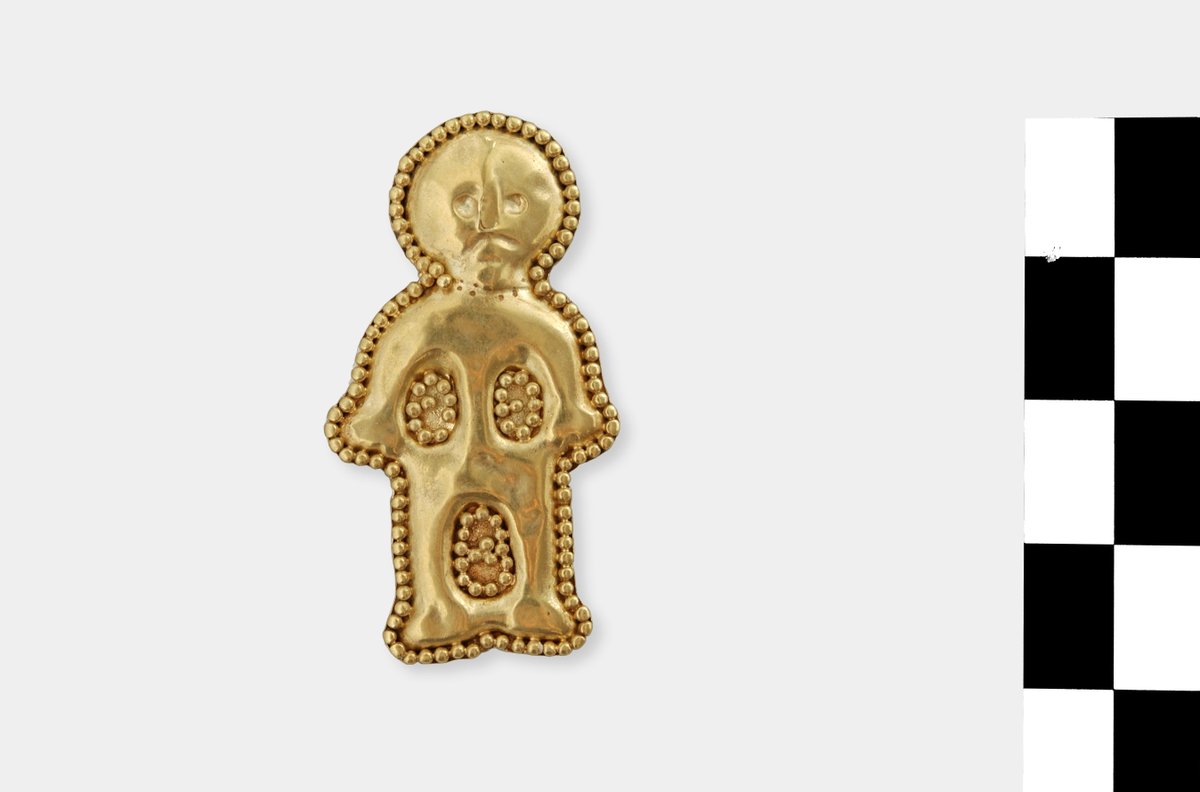
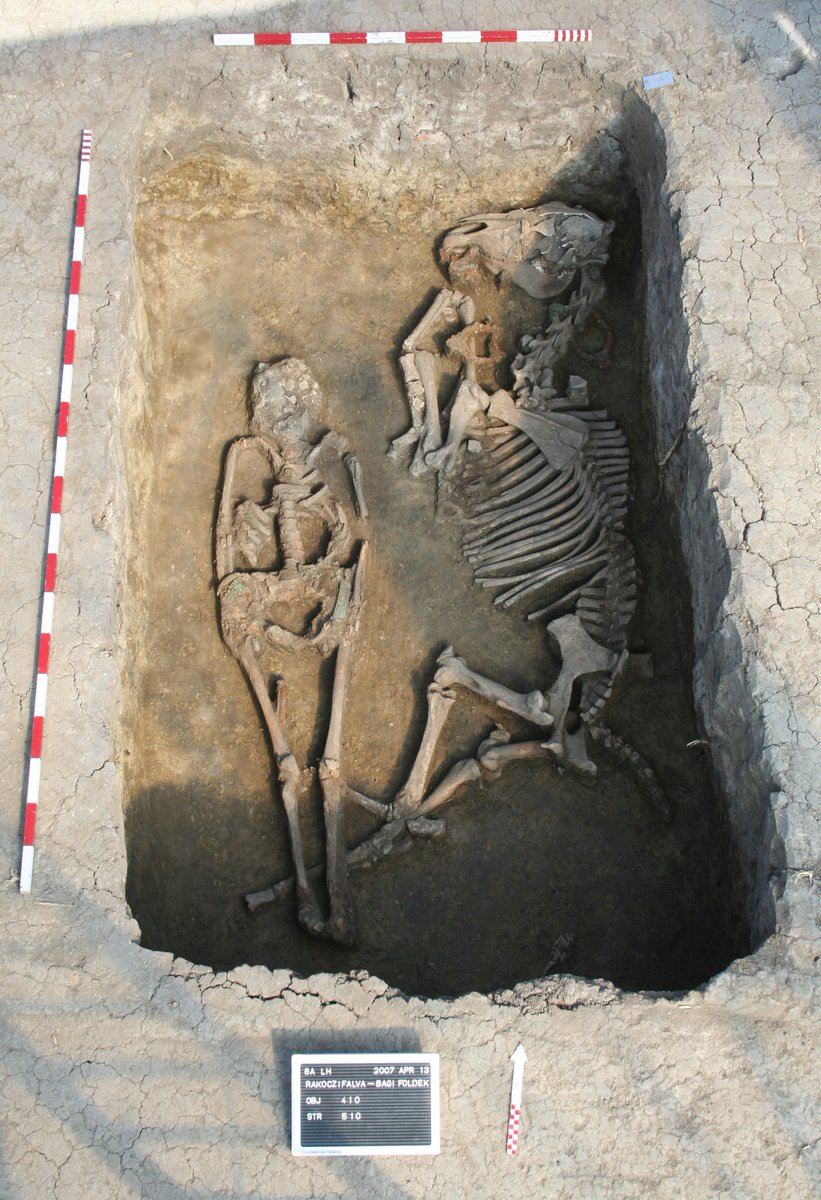
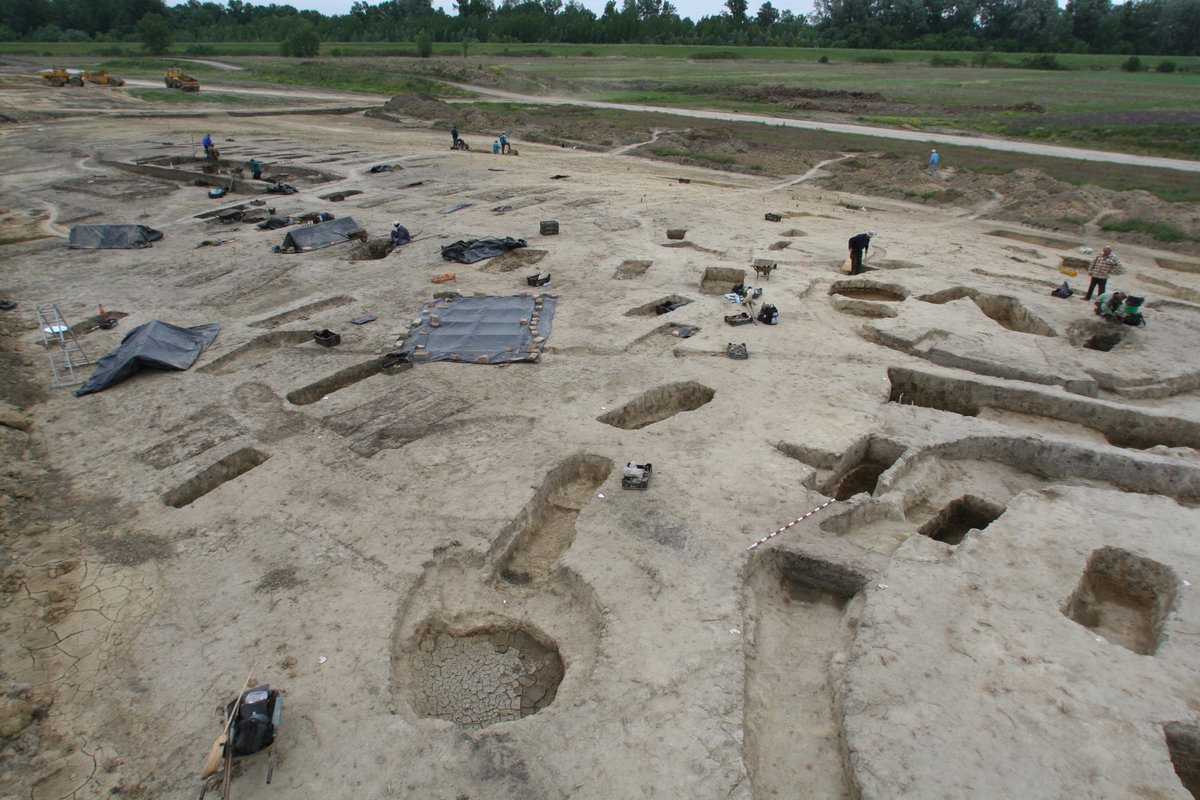
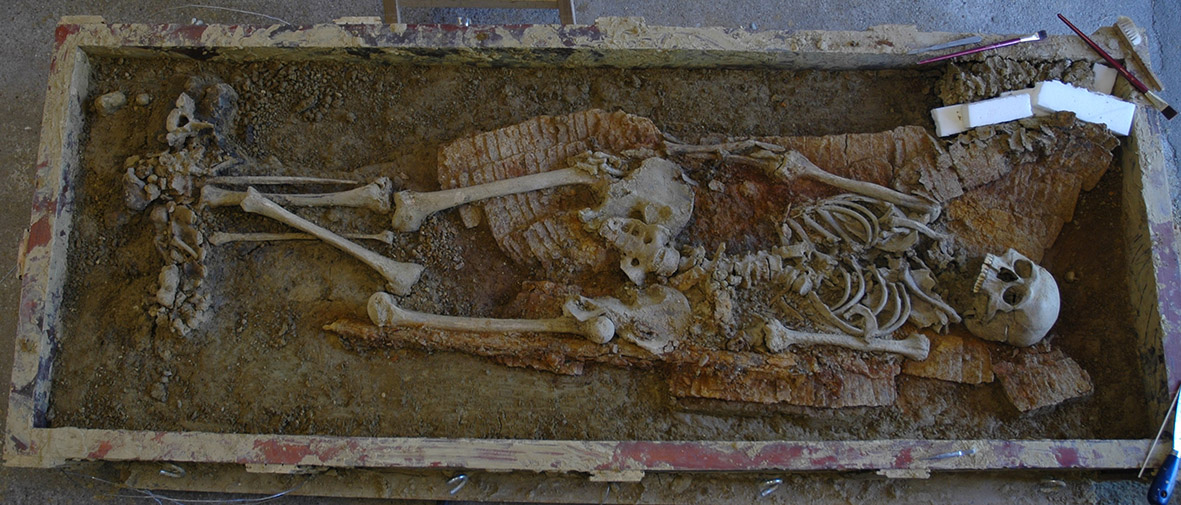
Origin & diversity of the #Huns. Far-reaching genetic ties between the Mongolian steppe & Central Europe during the time of the Huns. New study @PNASNews by Guido Alberto Gnecchi-Ruscone, Zsófia Rácz, @dewawer et al. @HistoGenes https://t.co/dVACTK0S2b & https://t.co/VQlLpyI3V6
Our latest interdisciplinary study reveals the story of East Asia meeting Europe in Lower Austria during 6th-9th centuries & their Peaceful coexistence (shared cultural feature) despite genetic difference! We reconstruct the past family pedigree inc. >450 individuals (a society!)
New @HistoGenes study from my group at @MPI_EVA_Leipzig. Led by @kwangwangk, Bendeguz Tobias and Doris Pany-Kucera: interdisciplinarity in action! Thanks to all coauthors for inspiring collaboration!
https://t.co/UQpEMPfxTF
The genotype data for this massive paper (440 individuals) is now available through Poseidon. Check out the package in our Archive Explorer (https://t.co/0YOfmLOmFN) and search for "Avar". There is a download link incl. the metadata from this paper (locations, times, etc.)
Decoding #Avar society using ancient #DNA & archaeological evidence. New paper in @Nature by a multidisciplinary team @HistoGenes, incl. @MPI_EVA_Leipzig researchers Guido Gnecchi Ruscone, Johannes Krause & @dewawer. More: https://t.co/P37m8m2vpH & https://t.co/hvJsmXdRUY
Recommended! Academics often receive no training in reviewing. Here you can and also even as a very junior researcher, you can get reviewing experience in a top journal. I am very glad to have participated in this program in the past!
First preprint from our group, co-led by @NirajRai3 with critical contributions from co-authors from India & the US. It's been an absolute pleasure working with this team and considering sustainable and thoughtful ways of engaging with genetic & oral histories in Southwest India.
Happy that this paper can be now seen by others and that it is getting interest already! It has been a very, very long process to get here! Some results date back to my PhD (!) and over the years we have tried to integrate archaelogical info while having fun with new methods.
Between fishing and farming: palaeogenomic analyses reveal cross-cultural interactions triggered by the arrival of the Neolithic in the Danube Gorges
https://t.co/TqvUq65Nyj
Happy to see this out! Emphasis on quality of the data, methods and inferences, glad to have contributed to this original work! Congrats to the lead authors @marchi_nina, Laura Winkelbach, Ilektra Schulz @Ecstasia1, Maxime Brami, Daniel Wegmann, @loronet and Joachim Burger!
So happy that the first paper from our @HistoGenes project is up! We find striking similarity of elite Avar genomic data to Northeast Asia: the historical mystery of Avar origin may be less mysterious now. Great work of Guido from our lab and many others! https://t.co/1DjYuMcVAj
Origins of the Avars elucidated with ancient #DNA. Multidisciplinary team @Histogenes, incl. @MPI_EVA_Leipzig researchers Guido Gnecchi Ruscone, Johannes Krause & @dewawer sheds light on 1,400 yo mystery. New paper @CellCellPress! https://t.co/dadmuBIbpE & https://t.co/dVPO07fHMP
We are hiring @MPI_EVA_Leipzig! We have open MSc/PhD/Postdoc positions on (almost) all aspects of hominin #ancientDNA-research with @jfkelso, @melanoidin, Matthias Meyer and me. We are interested in working with folks from diverse backgrounds! https://t.co/iqiXr4EnzT.
Join the Archaeogenetics Department at the Max Planck Institute for Evolutionary Anthropology in Leipzig! 2-year postdoc position in a new interdisciplinary group studying social belonging in Bronze Age Greece. Please RT! https://t.co/V0iXhIfU3k
📢 WORK FOR US! We are looking for a Postdoctoral Research Assistant in @simon_r_myers group, to develop predictive models for how DNA sequences impact regulatory networks. Grade 7: £32,817 - £40,322 p.a. Apply by 30 July at 12 noon. More info: https://t.co/07K4ldOB05
What an exciting start to our #GACR#EXPRO project #FORMOR https://t.co/e26MzFamf1 I am hoping we will learn a lot more about what was happening in South Moravia in Early Middle Ages in the next five years! 4/4
Scientists have identified markings carved into an ancient cattle bone found in a Slavic settlement as Germanic runes. The finding could call into question the long-held belief that the ethnic groups were constantly in conflict. https://t.co/XEpjoR0x81
Thanks to all collaborators from @MUNI_Science, especially the lead author Jiří Macháček, Daniel Wegmann from @unifr and @DNATimeTravel from @ACAD_Adelaide & their teams who helped to authenticate and interpret the find. 3/4