Did you know that the U.S. defaulted on its sovereign obligations in 1971 when it unilaterally reneged on dollar-gold convertibility.
Russia defaulted in 1998 and 2022.
Argentina: 9 times since independence.
Pakistan: required IMF bailouts 23 times.
Greece defaulted in 2012.
And India? Zero defaults. Not even in 1991!
Yet Western investors classify India as "emerging risk" and call U.S. Treasuries the "risk-free rate."
This isn't risk analysis. This is cognitive bias a la Daniel Kahneman's book "Thinking, Fast and Slow". Humans systematically overweight culturally proximate information while underweighting statistical patterns that don't fit our mental models.
Western strategic planners trust Western partners not because the data supports it, but because the cultural markers feel familiar.
Three facts that challenge everything about how we assess partnership risk:
FACT 1: Across 5,000 years of recorded history, India has rarely waged wars of territorial conquest. Not in 3000 BCE when the Indus Valley Civilization had technological superiority. Not in 1000 CE when Indian mathematics and metallurgy exceeded Europe by centuries. Not in 2026 when it possesses nuclear weapons and the world's 4th-largest military. Not in 2047 when it projects to be a top-two economy.
Compare: China (annexed Tibet 1950, 14 territorial disputes, South China Sea expansion). Russia (Georgia 2008, Crimea 2014, Ukraine 2022). Europe (500 years of colonial conquest across three continents). U.S. (military interventions in 20+ countries since 1945).
This pattern is observable strategic behavior anchored in the Arthashastra, Kautilya's 2,300-year-old treatise arguing that short-term territorial expansion undermines the systemic conditions for sustained prosperity. The concept of "mandala" (circle of states) recognizes that each power's long-term interest depends on system equilibrium.
FACT 2: India has never defaulted on debt, treaties, or security guarantees since independence in 1947. The most revealing test: 1991 balance of payments crisis. Reserves fell to $1.2 billion = just three weeks of imports. Default appeared certain. Instead, India implemented painful reforms, honored every obligation. India didn't use political costs as an excuse to default. Commitments were kept.
This behavior isn't accidental. It's anchored in the Sanskrit concept of ṛṇānubandhaḥ, that obligations are metaphysically binding across time. The Mahabharata established 2,000 years ago that rulers who break commitments violate cosmic order and create systemic instability.
Philosophy became institutional architecture: investment-grade credit through multiple crises, $600B forex reserves (6th globally), zero defaults on government securities across 77 years.
FACT 3: During COVID-19, India exported 300 million vaccine doses to 110 countries while its own vaccination was incomplete. 96 countries received doses free through "Vaccine Maitri."
Meanwhile: U.S. ordered 1.2 billion doses for 330 million people (4x population). EU ordered 4.6 billion for 450 million (10x population). Canada ordered 400 million for 38 million people (10x population).
Western nations didn't begin international distribution until domestic targets were substantially met.
The distinction? India's Economic Survey 2020-21 quoted Sanskrit: "āpadā hi prāṇa rakṣā hi dharmasya prathama aṅkuraḥ" (in calamity, protecting life is the first duty). Not Indian life. Life in general.
This aligns with Vasudhaiva Kutumbakam (the world as one family), not as rhetoric but as policy. India supplies 60% of global vaccines and 20% of generic medicines normally, maintained production during its own constraints, built digital public infrastructure (UPI processes more transactions than all nations combined) and offers it open-source to developing countries.
WHY THIS MATTERS NOW:
Every CFO, sovereign wealth fund, and policymaker is asking: "Who can we depend on for the next 50 years?"
Ukraine shattered the illusion that economic integration prevents aggression. COVID exposed single-source dependencies. Taiwan reveals semiconductor concentration risk.
The global economy is re-optimizing from efficiency to trust.
But here's where Kahneman's research becomes critical: most strategic planners are making decisions using "System 1" thinking (fast, intuitive, pattern-matching based on cultural familiarity) rather than "System 2" thinking (slow, analytical, data-driven assessment of long-horizon behavioral patterns).
The result? Systematic mispricing of partnership risk.
Strategic planners face a choice:
- China: manufacturing efficiency + demonstrated willingness to weaponize interdependence (sanctions on South Korea over THAAD, Australia over COVID inquiry, Lithuania over Taiwan, Belt & Road debt traps in 60+ countries)
- Russia: resource access + repeated weaponization (invaded Ukraine despite economic integration, cut gas to freeze European cities)
- U.S.: innovation + extraterritorial enforcement (billions in fines on European banks for transactions legal in Europe, CLOUD Act overrides local privacy laws, "America First" tariffs hit Canada, Mexico, EU alongside rivals)
- India: 5,000-year track record of territorial restraint + zero defaults + systemic thinking during crises +
challenges (infrastructure gaps, bureaucratic complexity, uneven state capacity).
The question isn't perfection. It is: which risk profile aligns with 50-year partnership objectives when analyzed through System 2 rather than System 1 thinking?
THE UNCOMFORTABLE TRUTH:
If India's pattern suggests lower long-duration risk, why is trust in India still "emerging"?
Kahneman would predict exactly this outcome. Three cognitive biases at work:
1. **Availability bias:** We assess risk based on vivid, recent, culturally proximate information. NATO expansion incorporated Poland, Czech Republic, Hungary rapidly because they registered as "European." India's democracy, rule of law, English-language business environment gets discounted because cultural markers differ.
2. **Confirmation bias:** Western institutions have decades of frameworks built around current partnerships. New data contradicting established models gets filtered out rather than integrated.
3. **Status quo bias:** Existing relationships are comfortable. The U.S.-Europe alliance, U.S.-Japan partnership, Five Eyes intelligence sharing operate with established protocols. Structural change requires crisis-level disruption to overcome inertia.
The crisis arrived.
For boards evaluating long-term partnerships—semiconductors, pharmaceuticals, digital infrastructure, maritime security, critical minerals—India presents a risk profile worth systematic, System 2 analysis.
Because of demonstrated behavior across sufficient time horizons to be statistically meaningful.
In an era of fragmentation, weaponized interdependence, and trust deficits, historical patterns become predictive indicators.
Kahneman spent decades showing that intuitive judgments systematically diverge from statistical reality. Strategic partnership assessment is no exception.
The question is: Are we assessing risk based on data, or based on what feels familiar?
In the 21st century, power matters. But trust may matter more.
And trust should be measured by track record, not by cultural proximity.
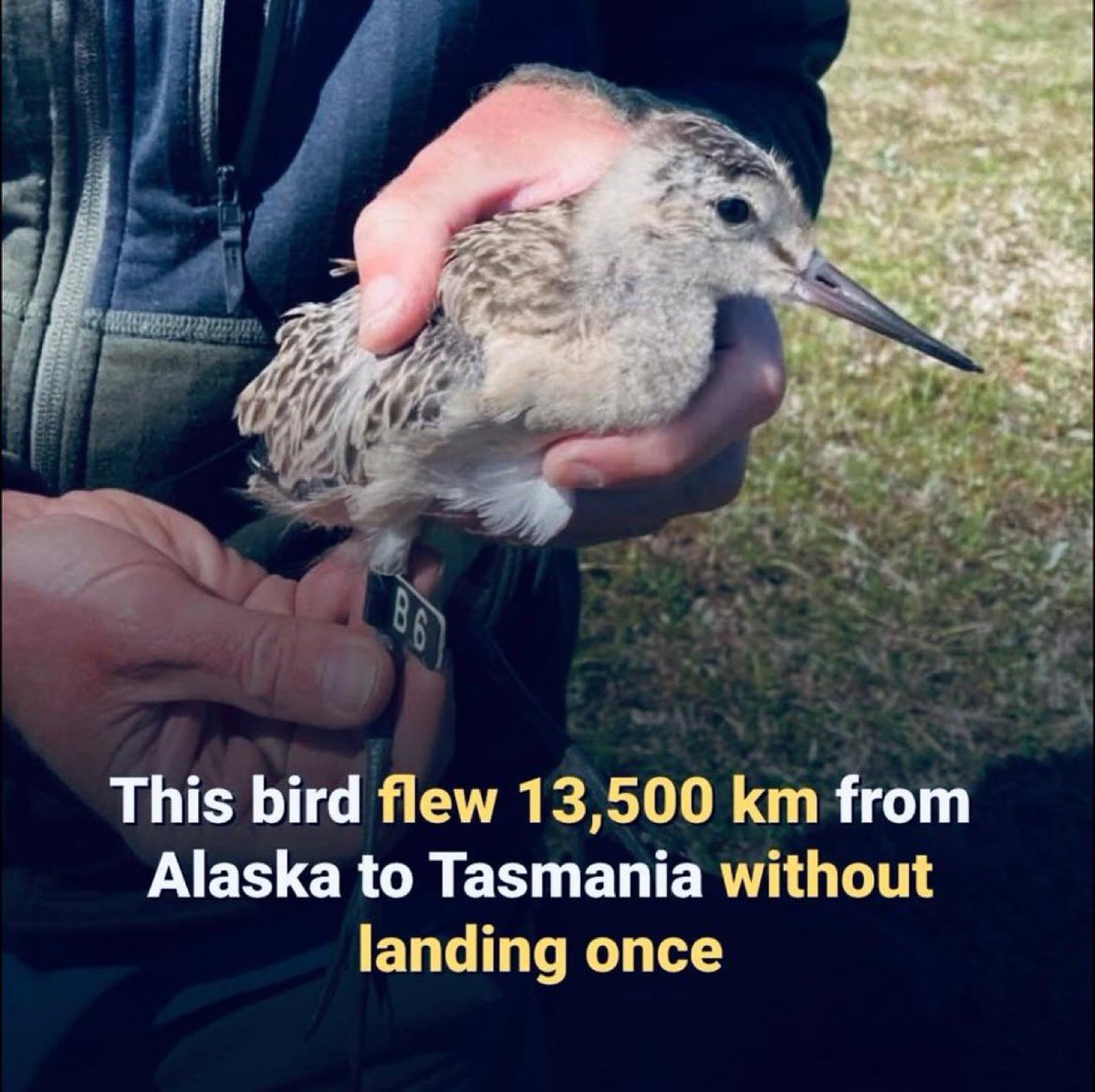
🚨 JUST IN: A migratory bird just shattered world records — flying 8,425 miles (13,560 km) NON-STOP across the Pacific without landing once.
The bar-tailed godwit doesn’t stop to eat, drink, or sleep during its migration across the Pacific Ocean. Its journey from Alaska to Australia takes roughly 11 days of continuous flight, covering over 13,000 kilometers through storms, headwinds, and open ocean with zero land beneath it the entire time.
Before departure, it does something almost surgical to its own body. It shrinks its digestive organs down to almost nothing, converting the stomach, intestines, and liver into raw fuel. The bird essentially eats its own gut to make room for fat reserves that will power its wings for nearly two weeks straight.
The brain doesn’t fully sleep either. Half of it stays active while the other half rests, alternating in shifts mid-flight at altitude over the open Pacific. The godwit is simultaneously unconscious and navigating with magnetic field sensitivity that no human instrument in the 18th century could replicate.
What makes this genuinely staggering beyond the physical record is the navigational precision involved. The bird leaves Alaska and arrives in New Zealand with accuracy that would embarrass early GPS systems. It reads Earth’s magnetic field, atmospheric pressure gradients, star positions, and potentially quantum-level compass mechanisms inside its eye that literally let it see magnetic field lines overlaid on its visual field.
Evolution spent millions of years building an aerospace navigation system inside a 300 gram animal.
We spend billions engineering machines that do what this bird does on instinct, fat reserves, and half a sleeping brain.
The longest recorded non-stop flight by a commercial aircraft is around 20 hours.
This bird does 11 days.
Without a runway.
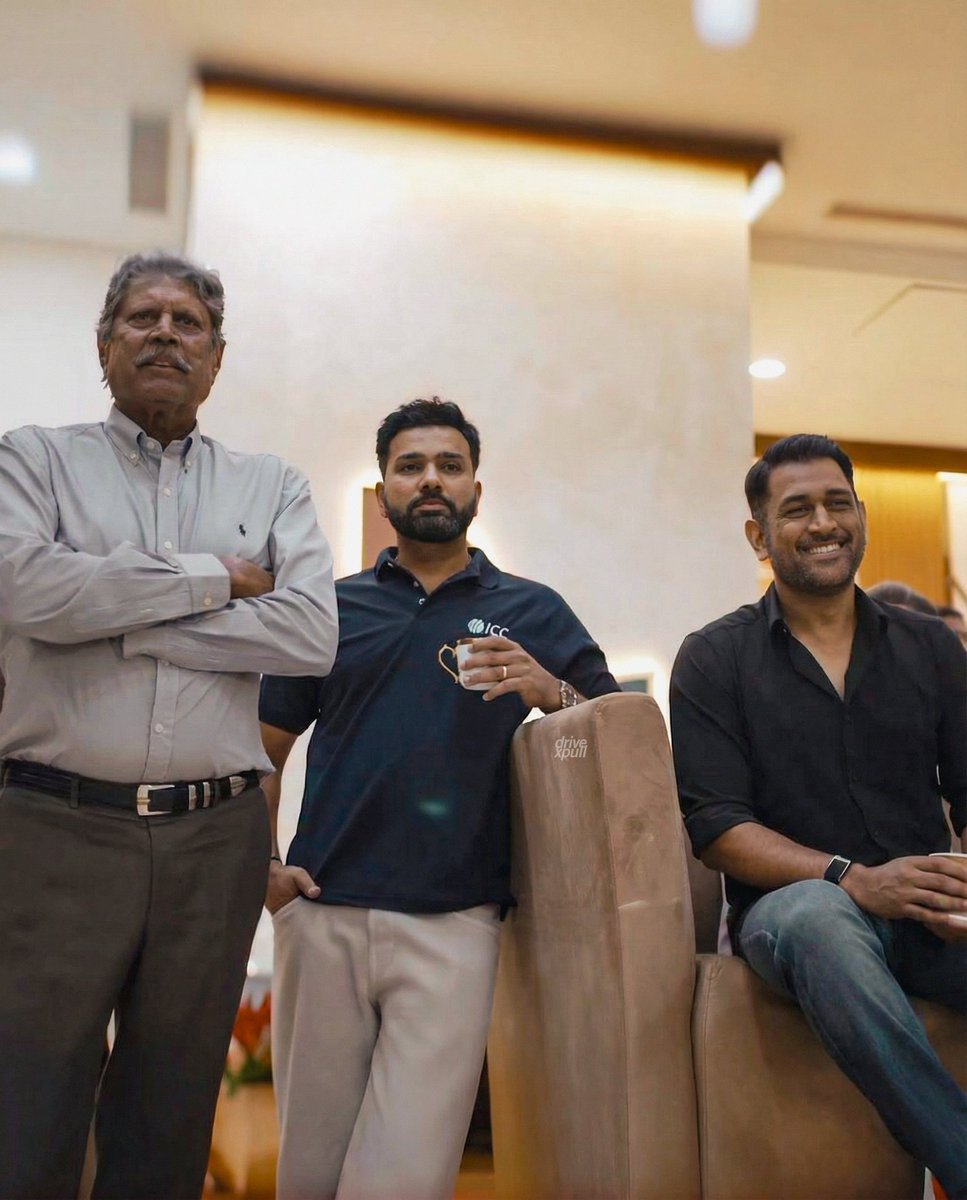
Congratulations to Team India on a fantastic T20 World Cup win 🇮🇳 Tough luck today, New Zealand.
@Jaspritbumrah93, once again a match winner when it mattered most. @IamSanjuSamson, what a tournament and what an impact. Absolutely incredible.
I just watched the most important 2 hour AI podcast of 2026.
Dario Amodei (Anthropic CEO) sat down & revealed AGI timelines, and blockers that will change the future.
1. ANTHROPIC'S REVENUE GROWTH IS ABSOLUTELY BONKERS:
→ 2023: $0 → $100M
→ 2024: $100M → $1B
→ 2025: $1B → $9-10B
→ January 2026 ALONE: Added "another few billion"
That's 10x growth EVERY SINGLE YEAR.
Dario: "Obviously that curve can't go on forever. The GDP is only so large."
Yeah. Because they're literally growing faster than the entire economy.
━━━━━━━━━━━━━━━━
2. THE AGI TIMELINE:
Dario's prediction for "country of geniuses in a data center":
1-3 years. 90% confident by 2035.
What does that mean?
- Nobel Prize-level intelligence
- Controls any computer interface
- End-to-end software engineering
- Can interface with physical world
His exact words: "I think it's crazy to say that this won't happen by 2035."
Not "maybe." Not "hopefully." 90% certain.
━━━━━━━━━━━━━━━━
3. THE THING THAT BROKE MY BRAIN:
Dwarkesh: "If AGI is 1-3 years away, why aren't you buying $5 trillion of compute?"
Dario's answer reveals EVERYTHING:
The technology will be ready. The world won't be.
Even when they build models that can cure every disease:
- Still need to do biological discovery
- Still need to manufacture drugs
- Still need regulatory approval
- Still need to actually distribute
We got COVID vaccines in 1.5 years. We've had polio vaccines for 50 years and still haven't fully eradicated it.
The bottleneck isn't AI capability. It's economic diffusion.
━━━━━━━━━━━━━━━━
4. END-TO-END SOFTWARE ENGINEERING: 1-2 YEARS
Not "90% of code written by AI" - that's already here.
Not "100% of code" - that's coming soon.
Actual end-to-end automation:
→ Technical direction
→ Understanding business context
→ Design documents
→ Implementation
→ Testing
→ Deployment
Dario: "We have engineers at Anthropic who don't write any code."
Claude does it all.
━━━━━━━━━━━━━━━━
5. THE PROFITABILITY MODEL THAT MAKES NO SENSE (BUT DOES)
Here's the wild part:
AI labs aren't profitable because they're "investing in growth."
They're unprofitable because they keep guessing wrong on demand.
The actual economics:
- ~50% compute for training
- ~50% for inference
- Gross margins >50%
If you predict demand perfectly = profitable every year
If you under-predict = super profitable, no research compute
If you over-predict = losses, tons of research compute
Profitability isn't about stopping R&D. It's about demand prediction accuracy.
Mind = blown.
━━━━━━━━━━━━━━━━
6. CONTINUAL LEARNING MIGHT NOT EVEN MATTER
Everyone obsessed over "can AI learn on the job like humans?"
Dario: "I think we may just get there by pre-training generalization and RL generalization. There just might not be such a thing at all."
Million-token context = days of human learning.
Pre-training + RL = massive generalization.
Computer use scaling: 15% → 70% on benchmarks.
The barriers keep dissolving into the "big blob of compute."
━━━━━━━━━━━━━━━━
7. THE CHINA TAKE (SURPRISINGLY DIRECT)
Dario on export controls:
"We are about to be in a world where growth and economic value will come very easily. What will NOT come easily is distribution of benefits, political freedom."
His stance:
→ Don't sell chips/data centers to China
→ DO sell the benefits (cures, drugs, etc.)
Why? AI + authoritarianism = "worse than nuclear weapons but more dangerous."
━━━━━━━━━━━━━━━━
8. TRILLIONS IN REVENUE BEFORE 2030
Dario: "It is hard for me to see that there won't be trillions of dollars in revenue before 2030."
Not billions. TRILLIONS.
And they're planning to be profitable by 2028 while this is happening.
━━━━━━━━━━━━━━━━
9. WHAT THIS MEANS:
1. The diffusion lag is your window
Even when models can do your job, 1-3 years to integrate.
This is your time to:
→ Learn AI workflows
→ Position for transition
→ Build complementary skills
2. We're in the steep part of the exponential
Not the beginning (that was GPT-3).
Not the end (that's "country of geniuses").
Right now = capabilities racing ahead of deployment.
3. Two exponentials compounding
Technical progress: FAST
Economic diffusion: Still fast, just slower
Both faster than anything in history.
The most striking thing?
Dario is MORE confident now than three years ago.
Despite seeing all the messy reality. All the deployment challenges. All the regulation fights.
He's MORE certain AGI is coming in 1-3 years.
That should tell you something.
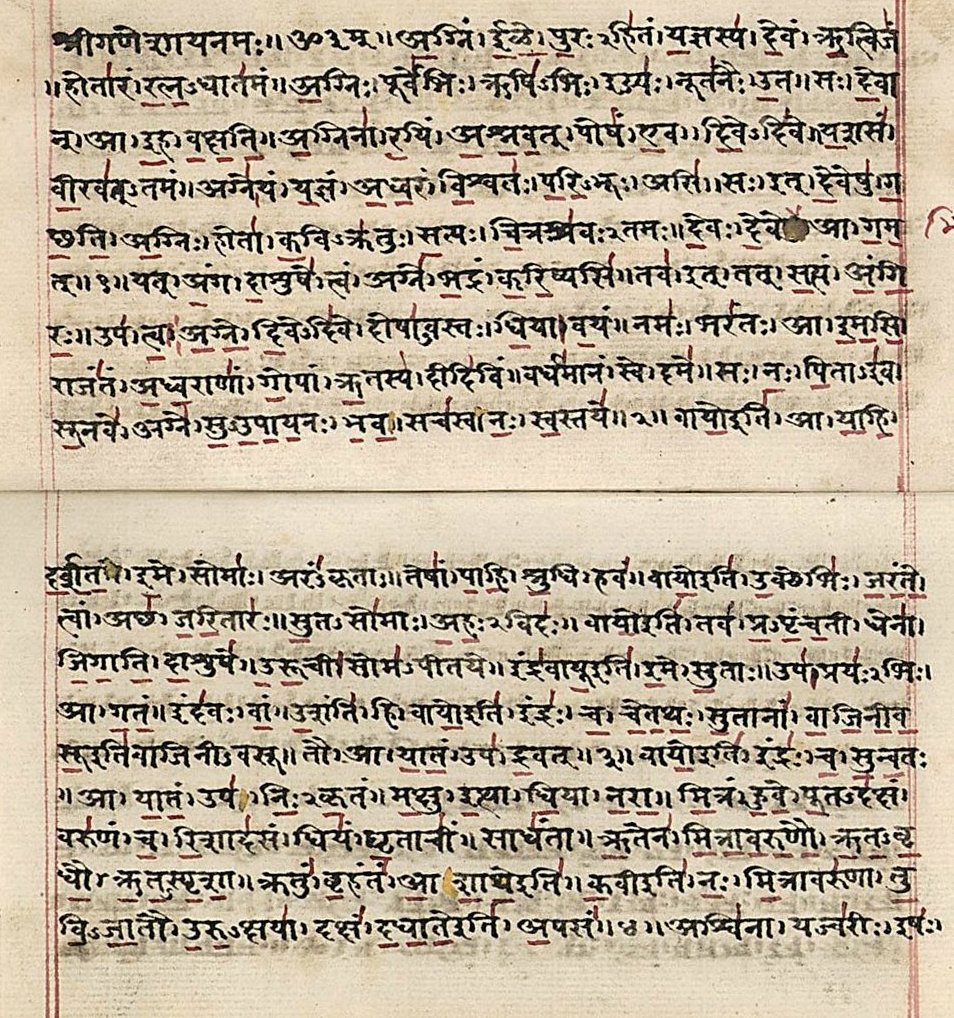
"It is a poorly-kept secret that the grandfathers of quantum mechanics, Bohr, Oppenheimer, Heisenberg, Einstein, de Broglie, Jeans, but in particular Schrödinger were fascinated and inspired by Vedic cosmology."
~ J. Peter Burgess in Science Blurring its Edges into Spirit: The Quantum Path to Ātma. Millennium Journal, 2018. Image: https://t.co/DTUx2v7Zcs
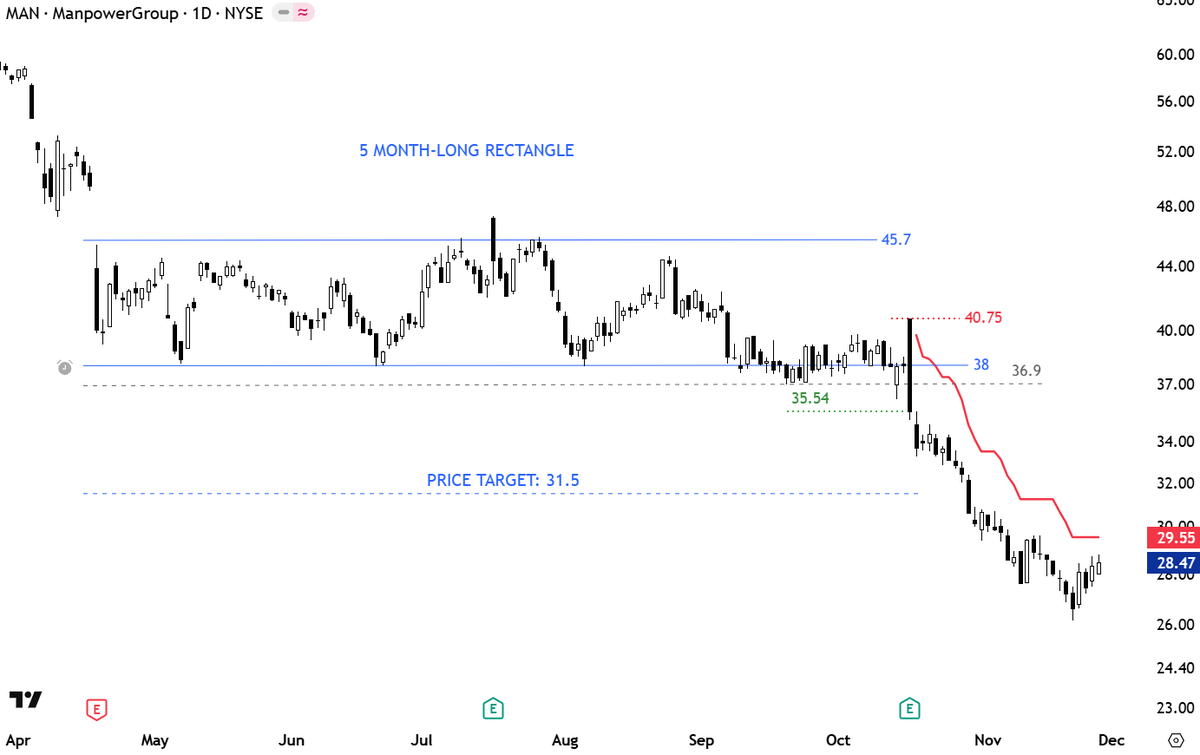
The ATR trailing stop is date and price adjustable (and now long/short adjustable as well). It starts plotting it from your actual entry day and once the intraday price hits the trailing it stops calculating it.
This is one of the best tool to ride Type 1 breakouts/breakdowns past the price objective to capture the most out of a trend period.
More on those setups >> https://t.co/V1T7ssPR2B
・Portfolio Management Spreadsheet
This tool is a portfolio management spreadsheet that uses ATR (Average True Range).
https://t.co/okOHy1KNkw
And This tool is a customized version of Steve’s ATR Matrix. @SteveDJacobs
・TradingView my scripts page
https://t.co/hKCeXHK27I
- Relative Strength Table
This indicator compares the relative strength (RS) of up to 20 tickers against SPY across multiple timeframes.
Both the RS lookback periods and tickers are fully customizable, allowing you to analyze sector rotation, identify sector leaders, and evaluate whether your portfolio is outperforming or lagging behind the benchmark.
https://t.co/lLdJNHT0Dl
- Darvas Lines/Box
This indicator is designed to identify clear consolidation ranges and detect decisive breakouts with precision. It automatically draws and adjusts the ranges, featuring Advanced Retest Confirmation and customizable alert conditions to deliver reliable signals for tracking and trading trend continuations.
https://t.co/gcx1ACUWUe
- 5ma + O’Neil & Minervini Buy Condition
This indicator features five customizable MAs (SMA, EMA, WMA, VWMA) for flexible multi-timeframe analysis. It combines O’Neil and Minervini’s buy conditions, displaying both separate and unified signals visually.
https://t.co/dQHDH5Vxq2
- Position Size Calculator
This indicator automatically calculates and displays the optimal position size, stop price, and maximum loss amount. It offers two stop-loss modes: a fixed-percentage mode and an ATR-based mode that adapts to market volatility.
https://t.co/kPq54Z8C2C
・Others
I share my non-public TradingView indicators, trading methods, and screening strategies on note (articles are in Japanese).
https://t.co/bUETAomjwg
Just created a complete investing workbook covering entry/exit strategies, position sizing formulas and the systematic approach that makes 10% of traders profitable.
I shared this with my 20,000+ students.
Free for 24 hours.
Like, RT & Comment "WORKBOOK" and I'll DM it."
From our classrooms to global recognition — what a journey! 🙌 From quiet determination to world-class achievement, congratulations to Sachinbhai Verlekar (AVM Class of 2015) on earning his PhD in ‘Study of Single Molecules in Plasmonic Nanocavities’ from EPFL, Lausanne, Switzerland.
#AVM #alumnus #InspiringJourney *
@EPFL@EPFL_en