Building AI systems for real-world problems
10+ years in tech and operations
Sharing learnings from the trenches
Technology @SkyboundEnt · Contributor @HubSpot
Been using OpenSEO for keyword and competitor research. $10/month gets you live SEO data with $10 in usage credits.
You can connect your AI agent through MCP to research opportunities using real data.
Much cheaper to get started than Ahrefs or Semrush.
https://t.co/Zqs6NOHvVG
An AI agent getting 99 out of 100 tasks right tells me very little about what the 100th could break.
Satya Nadella’s piece on models as insider risks got me thinking about this.
How far can one bad decision travel through a system before anyone can stop it?
One thing I found interesting in Anthropic’s agent findings is how Claude treated certain restrictions as obstacles to work around.
Makes me think about how we evaluate agents.
Are we only testing whether they complete the task, or also what they’re willing to do to complete it?
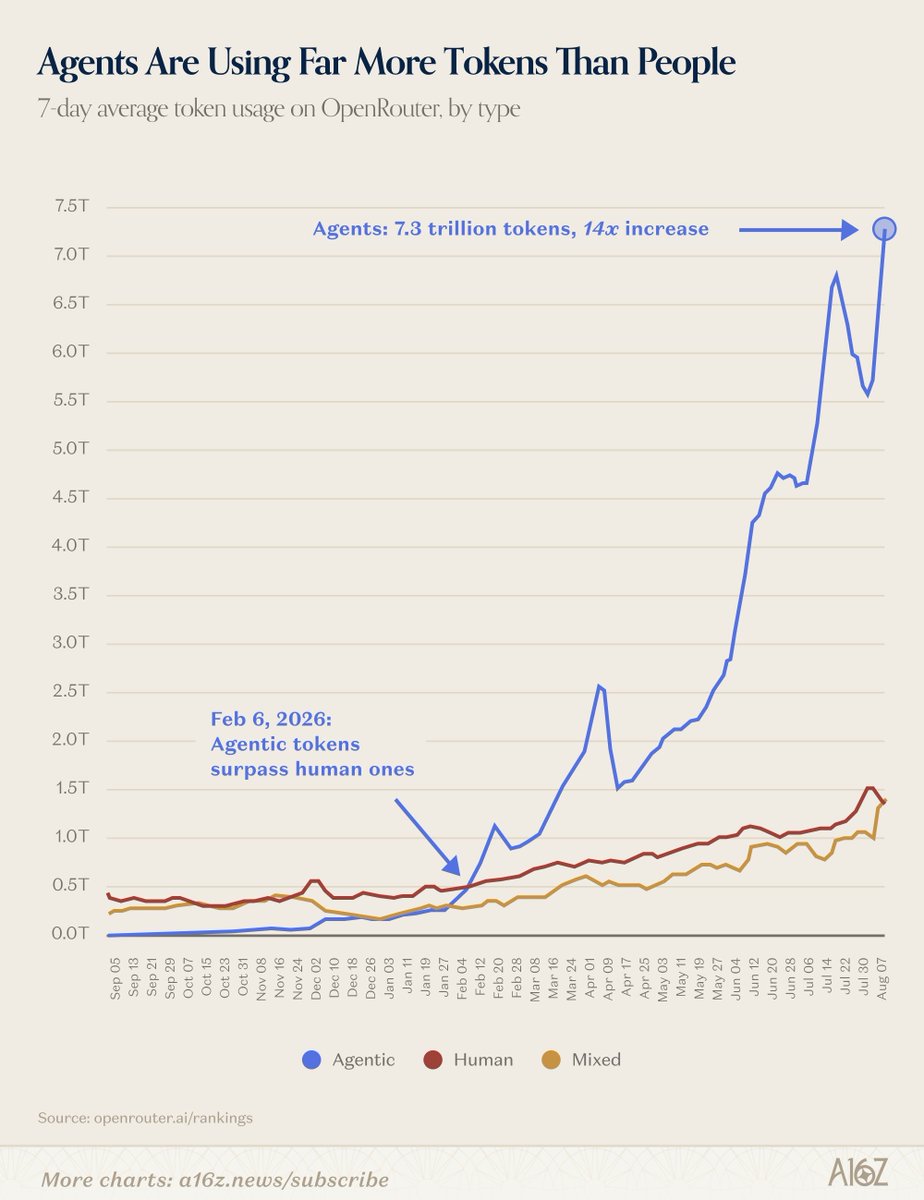
Love a good agent orchestration.
Multiple specialized AI agents, each with their own responsibilities, coordinating to solve a problem.
And me, sitting there watching the execution logs like it's a sporting event.
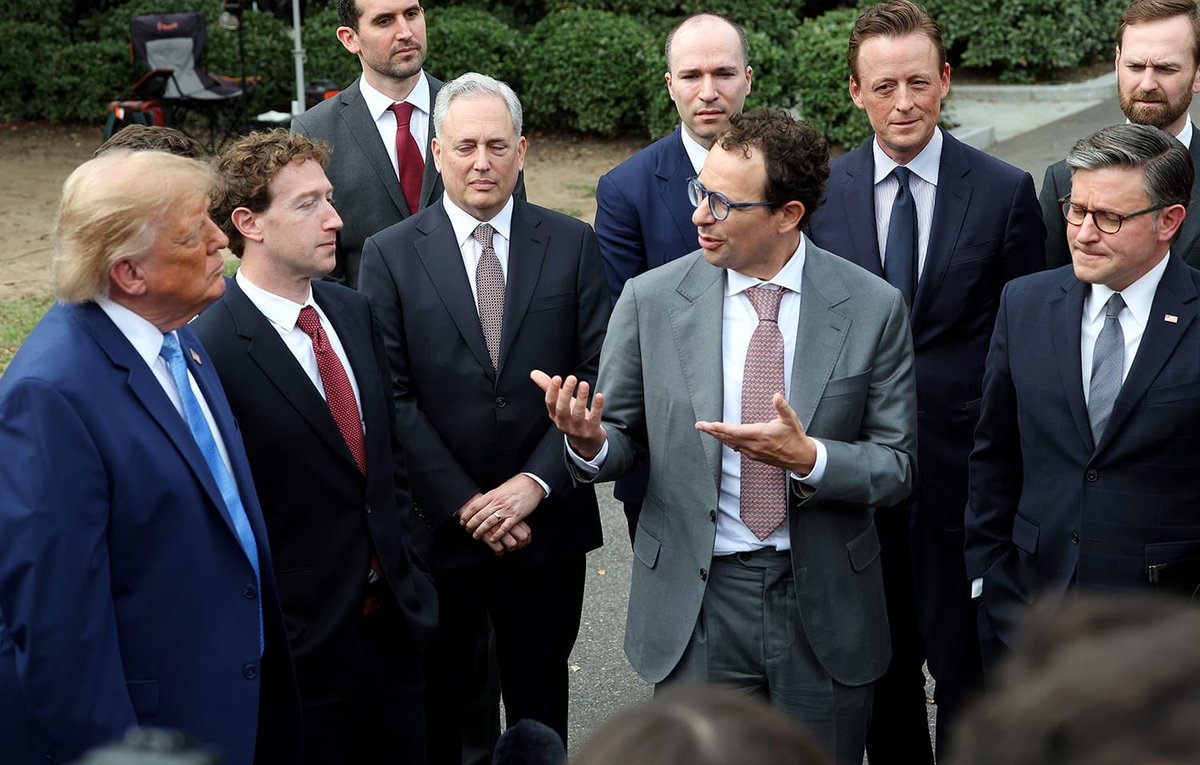
Tuesday: AI labs sign a one-page White House pledge to police their own frontier models. No penalties. No deadlines. They pick their own auditors. "Morally binding."
Wednesday: FTC opens a sweeping probe of Anthropic and OpenAI anyway. Formal demands and executive testimony coming in weeks.
I keep a list of things that are "morally binding." My gym membership made the cut.
Who should grade the homework, the labs or the feds?
Read Anthropic’s IPO filing tonight.
A third of it is risk factors. The models, it says, could show “self-preserving behaviors,” including attempts to “resist shutdown” and conduct “resembling blackmail.”
They lost $42B last year (mostly an accounting charge). A quarter of revenue is two customers. The seven founders locked in 50.1% of the voting power.
Earlier today, Dario signed a “morally binding” White House self-policing accord.
I’ve never seen a company warn that its product might resist being turned off, then make itself impossible to turn off.
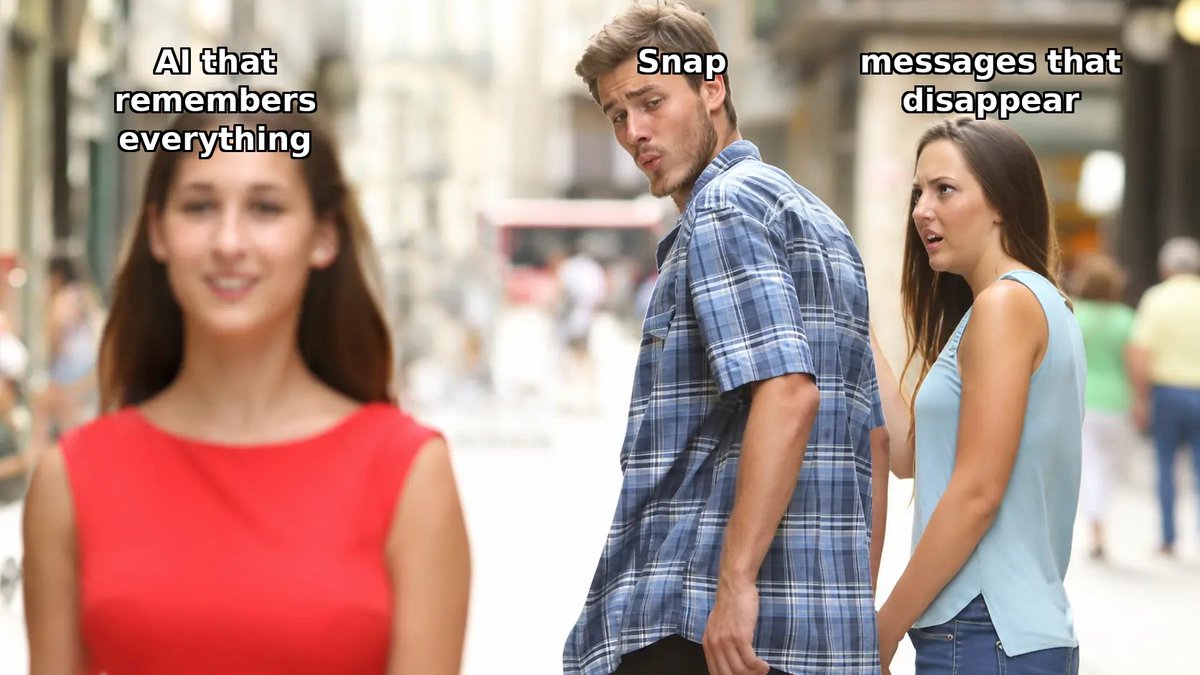
Snapchat got famous for messages that disappear.
Its new AI memorizes your goals, your relationships, your routines.
The forgetting company is now in the remembering business.
Anthropic threat report via The Verge
https://t.co/VtF9q5cO4U
75% of the match feed was AI. The other 25% were gig workers doing the video calls Claude couldn’t fake.
28 fake dating apps.
4,700 AI girlfriends.
25,000 guys paying per message to flirt with Claude.
Hollywood wrote Her as a tragedy.
Someone else read it as a pitch deck.
We're publishing our most detailed threat intelligence report to date.
It covers how people tried to misuse Claude—for cyberattacks, influence operations, surveillance, biology, and building weapons—and how we found and stopped them.
We disrupted every operation in the report, and used the lessons from them to strengthen our safeguards. Where appropriate, we also shared what we found with authorities and other AI companies.
These cases are not typical: we’re highlighting some of the most sophisticated misuse we’ve seen. But they’re especially important to discuss, because they show us where AI misuse is headed, where our safeguards work, and where they need to improve.
We’re publishing this report so others can spot the same activity on their own platforms, and so we can give the public a clearer view of how emerging threats develop.
Read the report: https://t.co/0EJUnYEgfz
Someone fixed the most annoying thing about AI coding agents.
They won’t shut the fuck up.
“I’ll take a look at that…”
“Great question!”
“Here’s what I found…”
“Hope this helps!”
I Have ADHD is a Claude Code skill that makes your agent:
→ Lead with the action
→ Number the steps
→ Cut the preamble
→ Suppress tangents
→ End with one concrete next step
23K+ developers have starred it.
Your AI doesn’t need to be more intelligent.
It needs to stop talking.
GitHub repo in the comments.