A fall can change everything in an instant. Mike now faces a life of constant care and medical expenses after a simple shower turned his world upside down. Your support can make a real difference. Please consider donating or sharing to help him find some stability in this new reality. https://t.co/HIY93LRrhq
Gut health and gut healing are similar ideas but have a distinct difference between them.
Health is the state of well-being. Yet healing is a verb, which is an active state of change towards improvement in health.
We should strive for both, but most people need to focus on healing the gut, not just gut health.
The healing process requires intense nutrition and at the same time, easy-to-digest foods as well.
This is why you won’t find “healthy” things like high fiber beans and whole grains on this list. While high in fiber, they can be surprisingly upsetting to the gut for some people, contain anti-nutrients, and are even inflammatory in the body when not eaten properly.
Raw Sauerkraut
Fermented cabbage, also known as raw sauerkraut, helps with just about every aspect of gut healing. This is because the fermentation process increases the vitamins available in cabbage. A powerful superfood, raw sauerkraut also contains digestive enzymes that aid digestion.
For these reasons, it helps the body absorb nutrients that heal the gut lining. Raw sauerkraut also helps improve gut pH for many people and is a natural source of both prebiotics and probiotics.
Because of all of these things, raw sauerkraut also acts to reduce indigestion (antacid effects).
Grass-Fed Beef
Many people avoid healthy meats but may do so at the expense of their gut health. This is because grass-fed beef contains some of the most gut-healing nutrients out there, including zinc, L-carnitine, protein, collagen, omega-3 fatty acids, choline, vitamins, selenium, and more. It is rich in antioxidants like polyphenols, vitamin E, vitamin A, and terpenes too.
New research also suggests that getting adequate protein is critical for attaining a healthy microbiome too. Some people with chronic gut issues often find that adopting a diet rich in grass-fed beef while reducing processed food intake have a tremendous improvement in their overall gut health.
Ginger
Well-known for its ability to reduce nausea, ginger has a lot of other soothing effects on the gut too.
Ginger is good for digestive health because it is rich in antioxidants and is able to help improve the emptying of the stomach. Many people find it helps heal from heartburn and acid reflux too.
Ginger for digestion is a tool to have around at all times. This is because it also contains natural digestive enzymes and what’s more, it enhances the gut’s ability to absorb nutrients. For this reason, it is super helpful for indigestion and symptoms of acid reflux for many people.
Bonus: Ginger can help reduce irritable bowel syndrome because it helps increase the movements of the muscles in the gut.
Medicinal Mushrooms
Prebiotics are a hot topic these days because they help support the diversity of the microbiome. The unsung heroes of prebiotics are mushrooms of all kinds.
Research shows that mushrooms help support healthy immune function, which in part is due to their effects on supporting a healthy microbiome. In other words, mushrooms help beneficial bacteria thrive in the gut.
Edible mushrooms like Shiitake, Maitake, Chaga, Reishi, Cordyceps, and Lion’s mane are just a few that are known to help support gut health.
Related post: 12 Medicinal Mushrooms You Will Want to Try
Seaweed
Always a feel-good food for me, the seaweed in sushi is healing for the gut too. This is in part because it contains alginate which helps strengthen the gut lining’s mucus layer. Seaweed is rich in a diverse range of antioxidants too, such as iodine, which help reduce free radicals in the gut.
There is such a thing as too much of a good thing though. Seaweed is a big part of the diet in Japan, which puts them at risk of too much iodine. However, most people also combine seaweed with foods that bind iodine, such as broccoli and cabbage.
Tip: buy organic seaweed as it is less likely to contain heavy metals than its conventional counterparts and combine it with a wide variety of vegetables.
Bone Broth
Bone broth is not only nutritious, but it also contains healing compounds that support your gut strength. These include collagen, gelatin, glycine, calcium, magnesium, zinc, and potassium.
Plus, eating bone broth is a great way to make your soup have more flavor and complexity too. Instead of grabbing bouillon for your recipes, use bone broth for soups, stews, and slow-cooked meals.
Pasture-Raised Liver
Eating liver was once commonplace in most homes, but now people sometimes never taste a bite of it. However, if you don’t eat pasture-raised beef or chicken liver, you are missing out on the most nutrient-dense food on the planet.
Rich in all gut-healing vitamins and minerals, eating liver helps heal the gut by supplying the nutrients it needs. And yes, it contains a lot of antioxidants too that help to reduce inflammation.
Broccoli Sprouts
If you could pick one food that helps to reduce toxins in the gut, that food should be raw broccoli sprouts. Concentrated in a potent antioxidant called sulforaphane, broccoli sprouts dampen inflammation in the gut and help the body clear toxins through the liver.
Additionally, broccoli sprouts can help reduce constipation, reduce cancer risk, and minimize the risk of getting a stomach ulcer too. And broccoli sprouts are rich in nutrients and prebiotics (as if that were a surprise!). A little goes a long way: a typical serving size is around 2 tablespoons to 1/4 cup.
Eating broccoli everyday can help too, even if you haven’t given broccoli sprouts a try. But you should try broccoli sprouts too. They can contain over 100 times as many antioxidants as broccoli florets.
Tip: Leafy greens like kale and arugula also contain similar compounds that dampen free radicals in the body.
Wild-Caught Fatty Fish
Most people know that eating fish helps to cut inflammation in the body, and this also happens to benefit the gut.
Fatty fish like sardines and wild salmon also are rich in protein and minerals like selenium and zinc that help heal the gut too.
If that wasn’t enough, research now shows that eating fish improves gut microbiome diversity too.
Fermented Chia
When you ferment foods, they are almost always better for the gut, and chia seeds are no exception. Chia seeds are rich in soluble fiber, which is a good thing.
But just like any fiber-rich foods, chia seeds can be upsetting to the gut for some people because they contain anti-nutrients. The fermentation process helps the body process the nutrients from chia better and makes the nutrients more available for absorption.
If you want to ferment chia seeds, simply mix 2 tablespoons of chia seeds into 4 tablespoons of water to hydrate them, then add to yogurt and refrigerate overnight. You can also mix these hydrated healthy seeds into your kombucha. Don’t skip the fermentation step because these seeds do contain lectins that can be upsetting to the gut if you don’t.
Fermented Dairy
Fermented dairy products like yogurt, kefir, and even aged cheeses can be very beneficial for gut health because they are rich in probiotics. These probiotics can help improve many aspects of health and may even reduce the risk of gut infections. Natural probiotics in yogurt help to reduce the risk of stomach inflammation too.
However, if you are sensitive or allergic to dairy, you should avoid yogurt, aged cheeses, and kefir.
Virgin Coconut Oil
Natural coconut oil, also known as virgin coconut oil, has some incredible benefits for the gut. It reduces the growth of harmful bacteria, reduces candida growth, and may even enhance the absorption of other healthy fats like fish oil.
Coconut oil contains easy-to-absorb fats including butyrate and medium-chain triglycerides. This is very important for people with conditions like inflammatory bowel diseases. Using coconut oil also may improve the microbiome too.
Apple Cider Vinegar With the Mother
Most people who use raw apple cider vinegar (with the mother) will tell you that they notice that their digestive tract feels better. This is because it contains live and active probiotics, fermentation compounds, and acetic acid. Acetic acid can be helpful for people who suffer from low stomach acid.
Also helpful for fighting unwanted microbes, apple cider vinegar is a helpful antiseptic too.
Tip: make sure to dilute apple cider vinegar when you use it. For example, mix it with extra virgin olive oil and serve it as a vinaigrette dressing.
Cardamom
Cardamom is a gut healing remedy that goes back for thousands of years. It can help alleviate nausea, indigestion, reduces inflammation, and may even protect the stomach lining from ulcers.
My favorite way to use cardamom is to add it to coffee or make a freshly brewed cardamom tea. Simply crack a few cardamom pods and add them to your favorite beverage.
Licorice Root
Licorice tea or licorice capsules help calm the stomach and has been used for thousands of years as a gut remedy.
Research even shows that licorice may help better than antacids for indigestion. I’ve known people who find licorice root very effective in helping to reduce nausea symptoms too.
Some studies even show that using licorice is more effective than antacids for reducing acid reflux.
Licorice also helps with liver health because it has helpful antioxidants that reduce free radical damage in the body.
Tip: Don’t overdo licorice because it can increase blood pressure in some people or drop potassium levels: check with your doctor before adding daily licorice to your diet.
Extra Virgin Olive Oil
Using extra virgin olive oil helps just about every aspect of your digestive system, from keeping bowels regular to improving the microbiome. For these reasons, extra virgin olive oil is top on the list of powerful superfoods for the gut.
Make sure you choose extra virgin olive oil, not light olive oil, and use it consistently to get the most benefit. After all, the traditional Mediterranean diet would include over 4 tablespoons of olive oil a day on their plates!
A surprising benefit of extra virgin olive oil is that it may be helpful for weight loss, too. This is because it helps curb appetite and also helps to reduce abdominal fat.
Avocados
If you are missing out on fiber in your diet, avocados are a simple way to boost your fiber intake. Avocados contain 10 grams of fiber per cup, which is almost half of your fiber needs for one day.
The bonus is that the type of fiber is soluble fiber, which promotes healthy bacteria in the gut. Research also shows that avocados reduce the bile acid content of bowel movements and increase short-chain fatty acids, a gut-healing compound.
Just be careful if you have histamine intolerance: avocados contain histamine and can cause GI upset for people with this condition.
Peppermint
Using peppermint is helpful for irritable bowel syndrome according to a review of 12 studies. Acting to reduce spasms in the gut, peppermint oil is helpful in reducing symptoms of nausea and also increases the speed of stomach emptying.
Not surprisingly, peppermint is anti-inflammatory too, making it helpful for gut health and healing.
Tip: some, but not all, people experience reflux when using peppermint, so it��s best to avoid it if you do. However, other studies show it is helpful for this condition as well, so it could be worth trying out.
Enzyme-Rich Foods
Superfoods for gut health include enzyme-rich foods. Enzyme-rich foods are often fermented foods too, which is really nice. This is because fermented foods also contain healthy bacteria and many other healthy compounds.
For example, most fermented foods contain digestive enzymes that can help heal the gut. This is because they help break down your food into the nutrients that nourish your gut.
These enzyme-rich probiotic foods include kefir, kimchi, miso, sauerkraut, and yogurt. Raw honey also contains digestive enzymes too. Fruits that naturally contain enzymes include pineapples, papayas, apricots, mangoes, bananas, avocados, kiwi, and ginger.
Turmeric
Turmeric is one of the most popular supplements these days and for good reason. By reducing inflammation and providing a wide array of antioxidants, this spice is also healing for many gut issues. Early research shows that turmeric may protect the digestive tract from some kinds of cancers such as gastric cancer and colon cancer.
Useful in helping alleviate inflammatory bowel diseases as well, turmeric can provide pain relief for many people with ulcerative colitis or Crohn’s disease too.
This helpful spice is amazing to add to hot beverages, soups, curries, and stews. Turmeric is absorbed better when you consume it with fat and black pepper. Other spices like ginger also enhance its absorption.
Supplements for Gut Healing
Superfoods are a cornerstone for gut healing, and adding targeted supplements can also help speed the process up.
*A few good choices are:
Natural multivitamins and minerals by Seeking Health, contains zinc, antioxidants, and natural B-vitamins to speed intestinal repair
Bovine colostrum by Sovereign Laboratories for helping reduce inflammation and healing leaky gut
Optimal GI Plus- by Seeking Health contains L-glutamine as fuel for intestinal cells
Probiota 12 Probiotics by Seeking Health
GastroDefense Daily: by Sovereign Laboratories, contains probiotics, prebiotics, and colostrum
Read more: https://t.co/wn4rrF4CTS
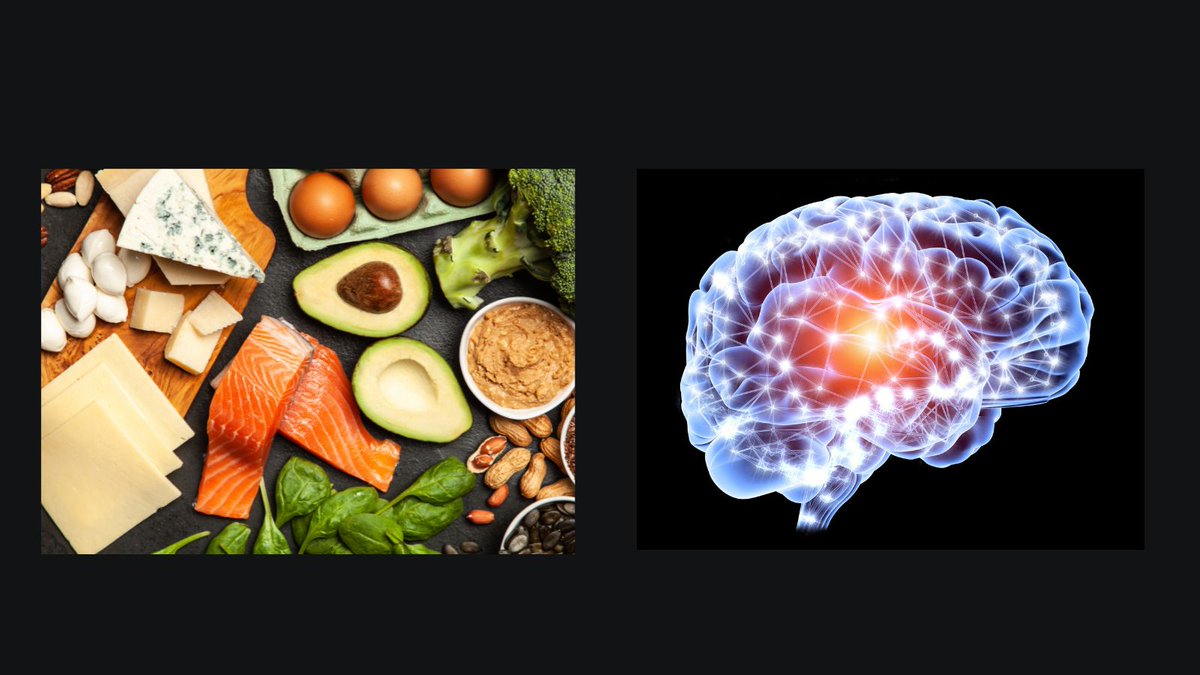
The brain is nearly 60% fat by dry weight. This should clue people in to how important it is to get the right amounts and types of fats in their diet!
Of this brain weight, a good majority is omega-3 fatty acids.
It is no wonder that a ketogenic diet is now proving beneficial for conditions like Alzheimer's disease, Parkinson's disease, depression, and Epilepsy in many cases.
Many people also do well on a modified ketogenic diet approach because it's more flexible and has more variety in it.
As you can imagine, the health of the brain, largely relies on getting enough fat from foods and getting the right kinds of fat in the diet.
But, fats in the diet can be very susceptible to oxidation, especially processed seed oils. Avoid these like the plague.
Eating omega-3 fatty acids in a natural form from wild-caught salmon and grass-fed meats is more protective because these foods contain natural antioxidants that protect these fats from oxidations.
Cellular membranes in the brain rely on choline that is found in fatty foods in the diet and the richest choline sources are organ meats and foods like eggs.
Foods like whole walnuts and Brazil nuts contain protective minerals and vitamin E that reduce lipid oxidation.
Read more: https://t.co/qXF5Kzm1uY
https://t.co/qXSh4dqonD
Drones filmed from a commercial airplane. How is this not a security and safety threat?? Where tf is Joe Biden and Alejandro Mayorkas? Enough with the gaslighting! #dronesightings#dronesoverNJ https://t.co/fnz3PVWHVt
That's when a cheaper sugar alternative by the name of High Fructose Corn Syrup started being used in almost every food and drink. That was one ingredient that has changed American's health! @robertlufkinmd , @diettipstweet , #diet, #health, #nutrition, #fatloss,#diettips,#weightloss, #fitness, #exercise, #naturalhealth
Fat alone doesn’t make you fat. Historically, human diets were rich in healthy fats without leading to widespread obesity. For the body to store significant amounts of fat and contribute to obesity, carbohydrate intake plays a crucial role by stimulating insulin, the hormone that promotes fat storage. It’s the combination of high carbohydrate and high fat consumption—common in modern processed diets—that drives fat accumulation most effectively.
Great point @HeidiHmoretti . Most of the time you have to request the provider to check your #vitaminB levels and your #vitaminD levels. And even then, some doctors will tell you it's not necessary. @diettipstweet
If you get a standard healthcare check-up, you should know doctors rarely check vitamin B12 levels, or any other vitamins, for that matter.
Quite ironic because many medications that docs prescribe cause vitamin B12 deficiency.
This includes stomach acid medications, metformin, blood pressure medications, including diuretics.
I highly encourage you to ask your doctor or healthcare provider to check your blood vitamin B12 status if you suspect you may be low.
Read more: https://t.co/IvoRwLqfdg
the official X Shop is here! shop our first drop before it sells outhe official X Shop is here! shop our first drop before it sells outhe official X Shop is here! shop our first drop before it sells out
This is a great article! @NutritionGoGo@diettipstweet
Is pumpkin pie or apple pie healthier? The No. 1 pick, according to a dietitian https://t.co/BFQsgPR6bW via @TODAYshow
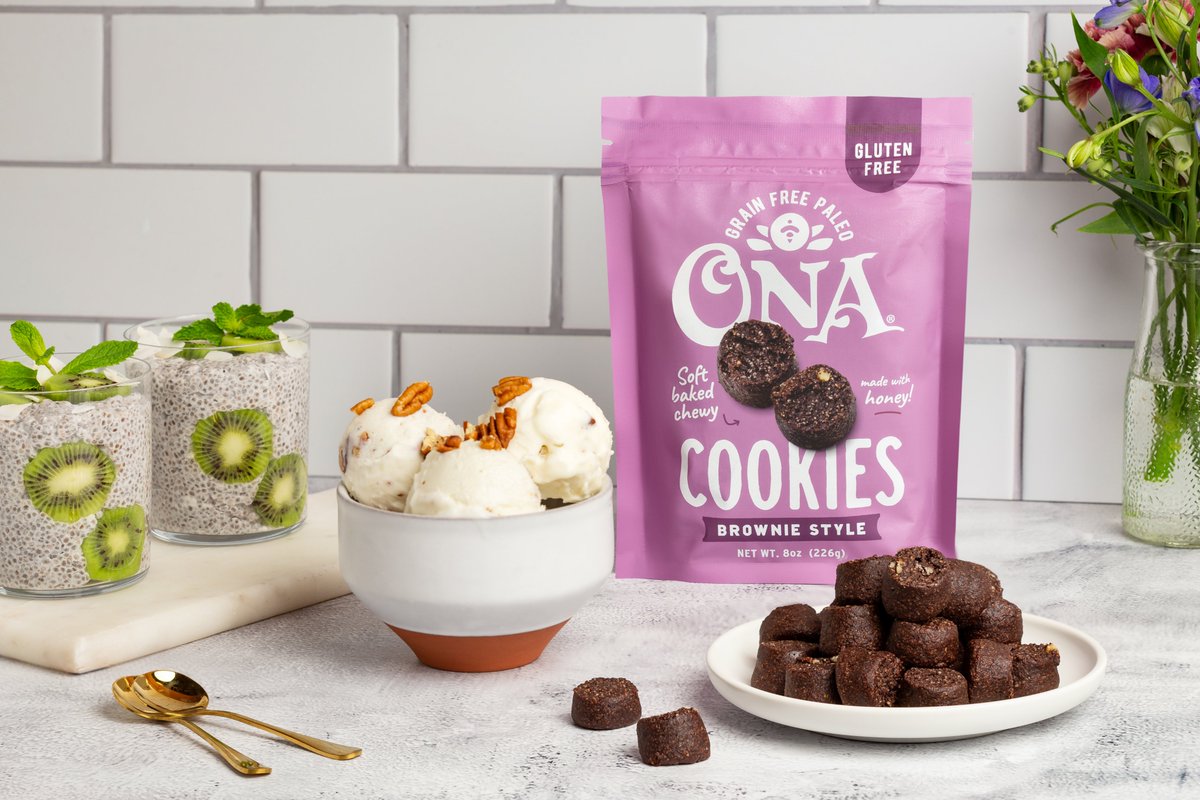
Brownie lovers, meet your new favorite treat: chewy, bite-size, grain-free morsels sweetened only with honey. All the joy of chocolate with nothing artificial, ever.
#paleo#grainfree#glutenfree