Earth, rotating in full view, captured by NASA’s EPIC camera aboard NOAA’s DSCOVR spacecraft.
DSCOVR sits near Sun-Earth L1, about 1 million miles away, where it can continuously view the fully sunlit side of our planet. This is not composited, these are full Earth hemisphere photos assembled into a video.
EPIC takes 10 narrow-band spectral images of Earth, from ultraviolet through visible light, roughly 13 to 22 times per day. The public images are natural-color views assembled from that real data.
Frame after frame, Earth turns.
Cloud systems move. Continents rotate through sunlight. Weather evolves across a curved, spinning world.
This is what reality looks like. Flerfs in denial.
Happy Earth Day! 🌎 🌍 🌏
To mark this special day, we’re tuning in to @sen, the world’s first continuous 4K video livestream from space.
Sen’s cameras are hosted on our Columbus module of the International @Space_Station, with data delivered via the @AirbusSpace platform.
Streaming in real time, it shows breathtaking views of our planet as the International Space Station passes over cities, oceans and deserts.
Watch Earth from above, just like our astronaut @SophieAdenot does on the #εpsilon mission.
📹 Sen
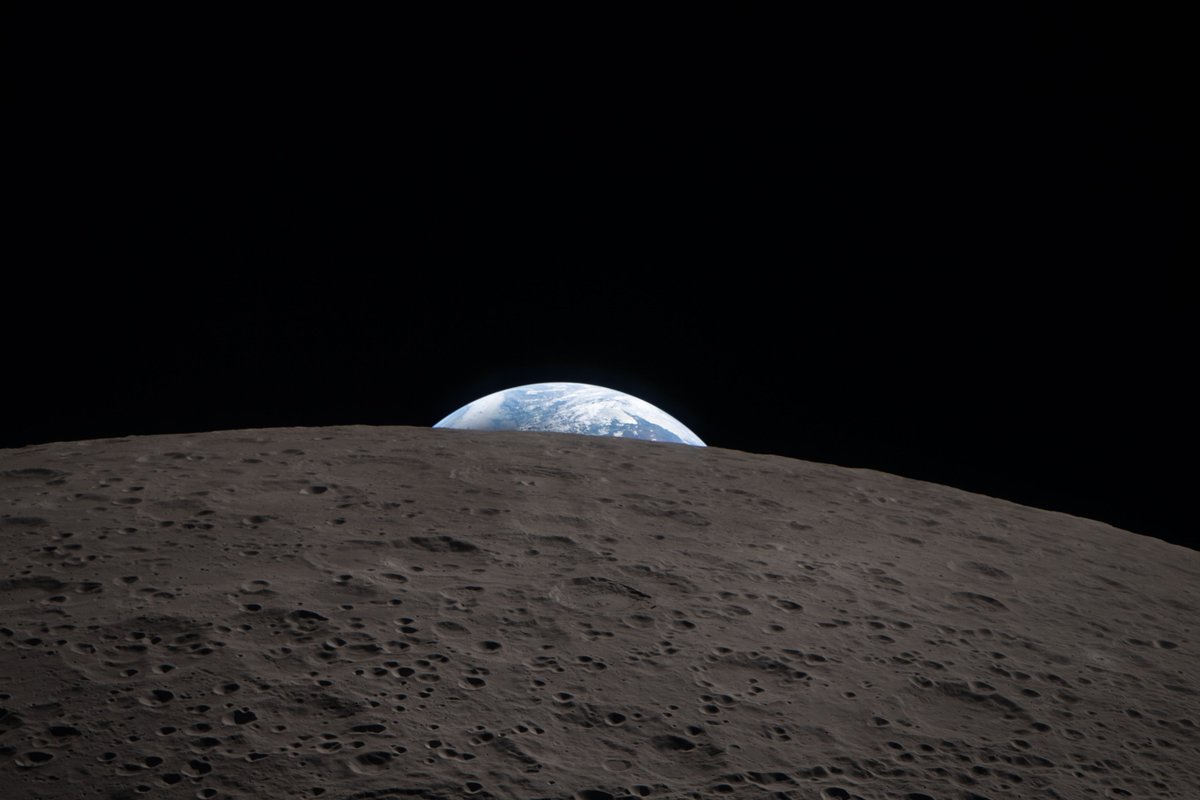
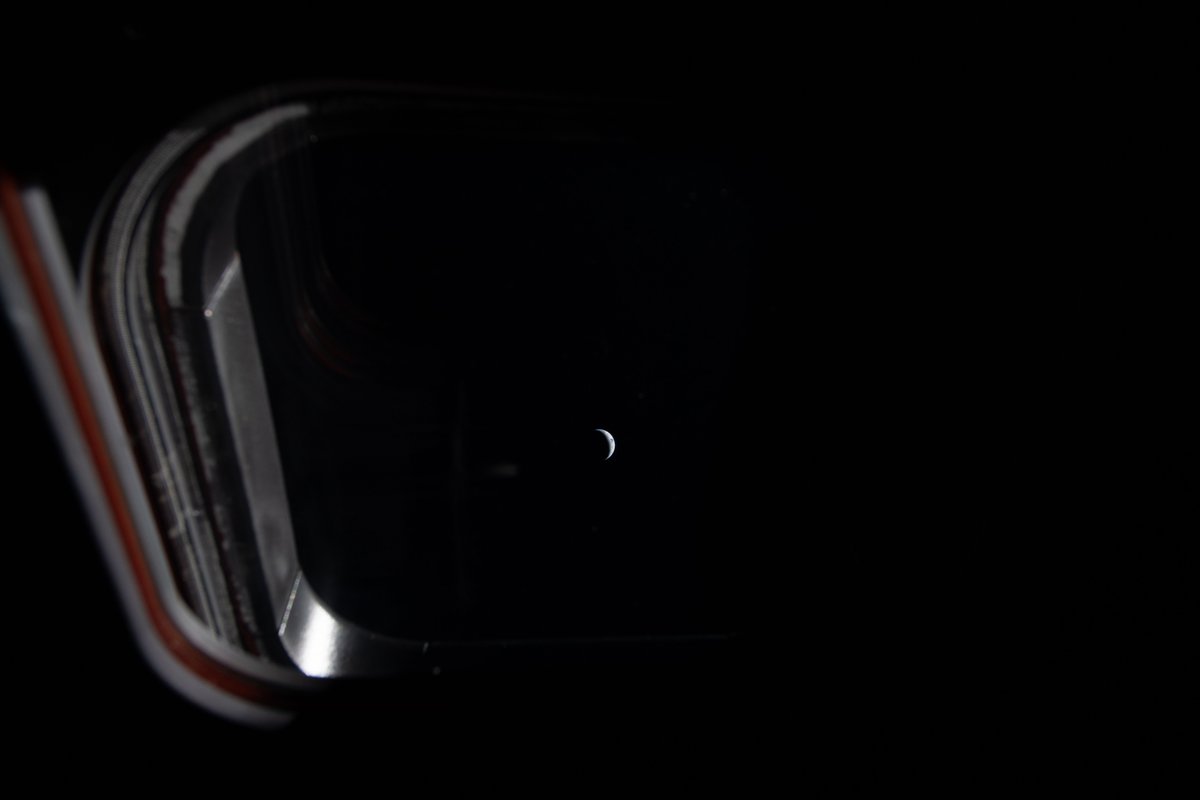
Your close personal friends, the @NASAArtemis astronauts (and Rise), can't wait to get home!
In the meantime, enjoy a few new pictures from their camera roll. And watch their return with us live at https://t.co/z1RgZwQkWS.
"We aren't going to the Moon, but rather meeting it at an exact point in space.
And it isn't necessary to spend fuel, either; the calculations are made so that everything works through pure physics and gravity.
It is flawless."
One last look at Earth before we reach the Moon.
This view of the Earth was captured on April 5, the fourth day of the Artemis II mission, from inside the Orion spacecraft. The four astronauts will reach their closest approach of the Moon tomorrow, April 6.
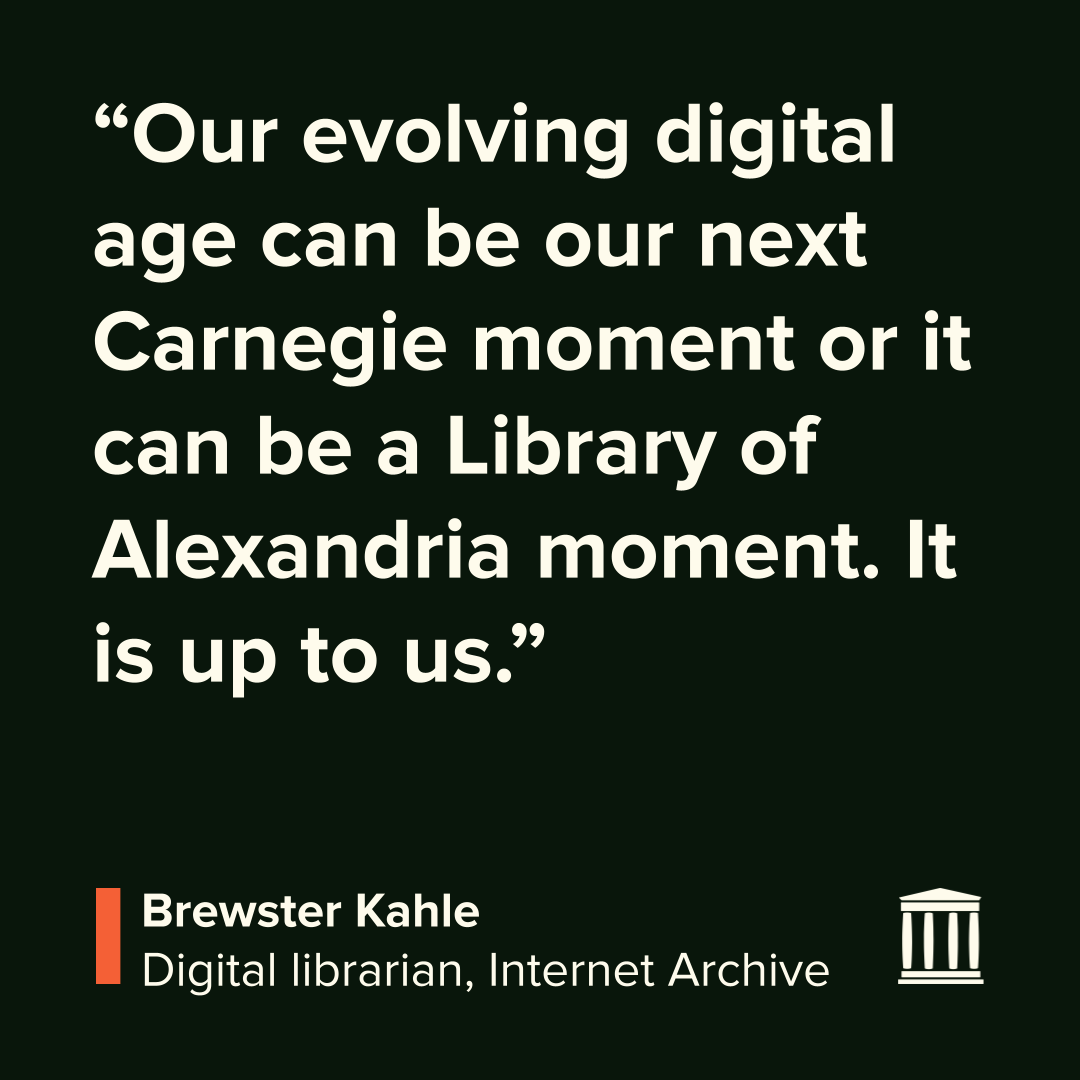
“Libraries are under attack,” said Brewster Kahle. At our Escaping the Memory Hole event, he made a passionate call to action for defending digital libraries amid cyberattacks, lawsuits, & censorship. 📚💿 🎞️📼🏛️
Full video ➡️ https://t.co/3tuw6Y95fd
#MemoryHole #Preservation @In@InternetArchive
📚 Fair use empowers libraries, learners, journalists & creators—it’s essential to a healthy digital society.
With turmoil at the Copyright Office, @brewster_kahle urges us: don’t lose sight of fair use.
Read the post ➡️ https://t.co/chsvjFT4Vf
#FairUse#DigitalRights
Welcome to the public domain, UN CHIEN ANDALOU (1929), the surrealist short from Luis Buñuel & Salvador Dalí that shocked cinema with dream logic, stark imagery & one gruesome eyeball. 🔪👁️💭
Learn more. ➡️ https://t.co/jNLDikrT0y
#PublicDomain#PublicDomainDay#InternetArchive
“No film left unscanned.” 🎞️ Film historian Rick Prelinger (@footage) explains why motion picture film is vanishing, and why digitization is crucial to saving our cinematic history.
Full video ➡️ https://t.co/5LmTqr9VTh
#DigitalPreservation#FilmHistory#MemoryHole#Film
This #NationalLibraryWeek, we're celebrating the power of libraries to endure—even in the face of unprecedented challenges.
In our latest Vanishing Culture essay, @brewster_kahle shares why preserving the library system matters now more than ever: https://t.co/vlUAPi1ZhV
"We want to preserve public health data that are crucial for people's well-being," - social epidemiologist Nancy Krieger, on the value of the Internet Archive’s Wayback Machine
https://t.co/O4FPByDPN4