Founder at Banter Marketo
Mission to Build Biggest Inbound Marketing Agency in India.
Generated 40k+ Traffic in 6 Months on Niche Site | SEO Consultant
@codyschneider Creative performance is often interconnected, so judging each ad in isolation can hide its contribution to conversions. The real advantage comes from understanding how creatives work together across the funnel.
@ChadSE0 High impressions with zero clicks can reveal an intent mismatch, not just missing keywords. The real opportunity is making the page the most useful answer for that specific search.
@benradack The key is separating creative potential from budget limitations. Consistent purchase signals and new customer acquisition costs reveal which ads deserve more spend without scaling too early.
@asaio87 The real value is using search data to guide internal links, not just automate them. Prioritizing pages with existing traction can strengthen topical relevance and distribute authority more strategically.
@denohawari Bing visibility is worth addressing, but indexing alone does not guarantee AI citations. Strong technical foundations, relevant content, and credible third party mentions all influence discoverability.
@mannybarbas_ Channel diversification works best when each channel has a clear role in the customer journey. The real goal is sustainable growth, not simply reducing Meta spend.
@denohawari The shift is from content that attracts attention to content that supports decisions. Clear use cases and honest comparisons help both buyers and AI systems understand where a brand truly fits.
@benradack The real value of funnel based reporting is knowing what to fix before scaling spend. Connecting creative engagement to purchase behavior makes optimization far more strategic than chasing isolated metrics.
@denohawari The bigger opportunity is connecting AI visibility to actual revenue, not just citations or traffic. Strong results come when discoverability aligns with buyer intent and conversion paths.
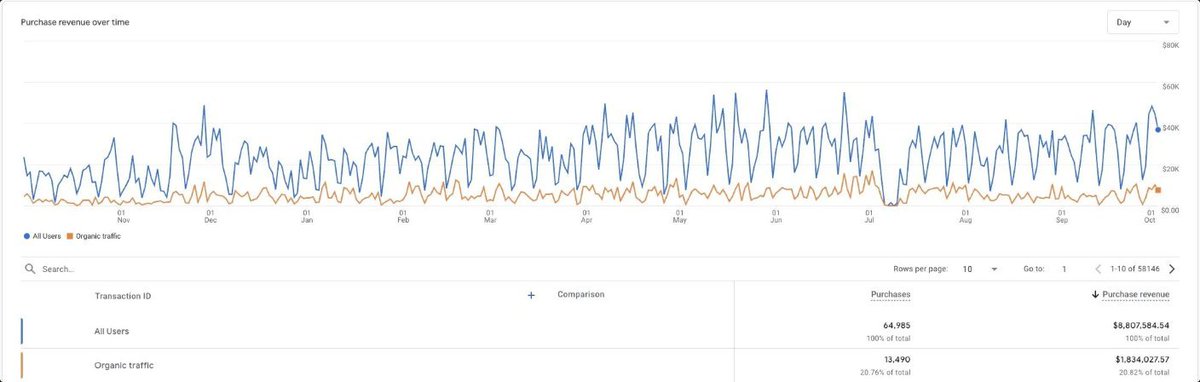
we helped a SaaS company rank #1 in ChatGPT
- $1.8M+ total revenue
- 8,200%+ traffic growth
- $35K+ monthly SEO traffic value
all powered by our LLM SEO framework.
most companies have no idea this is even happening:
buyers are rapidly moving to LLM-driven discovery tools like ChatGPT, Claude, and Gemini
if your brand isn’t showing up there, your competitors are straight up stealing your traffic and conversions.
I broke down our entire methodology into a 800-word guide:
- how we structure content LLMs consistently surface
- data from the 8,200% growth case study
- the step-by-step system that drove the $1.8M+ revenue lift
- the AI-first keyword discovery framework we use across LLM platforms
- the on-page signals that unlock visibility in ChatGPT, Claude, and Gemini
this SaaS company's entire organic engine was built through this new AI-first SEO method
now you can just steal it
want the full breakdown?
1. like + follow
2. comment “LLM”
and I’ll send it to you
Reddit is KILLING your AI SEO traffic.
And Google is helping.
Think about searches like "@HubSpot vs @Salesforce" or "best CRM for startups."
These are buyers comparing options, checking reviews & getting ready to spend money.
SaaS companies spend thousands building comparison pages to capture these searches.
Meanwhile, Reddit users are discussing hidden costs, broken integrations & which products they'd never buy again.
And Google is putting those threads right in front of buyers.
The kicker? ChatGPT, Perplexity & other AI search engines can cite those same conversations.
One Reddit thread can now influence buyers across multiple platforms without the brand spending a dollar promoting it.
If you're a B2B SaaS founder, here's what I'd watch👇
→ Which Reddit threads rank for your money keywords
→ Who's getting recommended & why
→ Which complaints keep coming up about your product
→ Whether AI engines are citing those discussions
Publishing another 50 comparison pages won't fix what real customers are saying about you.
Spend more time understanding those conversations and get actual experts involved to build a product people want to recommend.
Because your biggest AI SEO/AEO opportunity might be getting recommended by people who have absolutely no reason to promote you.
@PhilKiel Automation creates value when it protects expert judgment rather than replacing it. Clear SOPs turn experience into repeatable decisions, giving media buyers more room to improve performance.
@TheCoolestCool@HubSpot@salesforce AI search is making reputation part of discoverability. Brands cannot control every conversation, but they can address recurring customer pain points and earn recommendations through better experiences.
@maxzrco Small budget testing is really about managing uncertainty, not just finding winners. Giving creatives enough exposure before judging them helps prevent premature cuts and stronger decisions.
@asaio87 Starting with achievable keywords creates room to learn before competing for harder terms. The real edge comes from using search data to refine strategy, not just measure rankings.
@benradack Looking at funnel metrics together helps separate creative performance from landing page and checkout friction. ROAS shows the outcome, but these signals explain where the real problem sits.
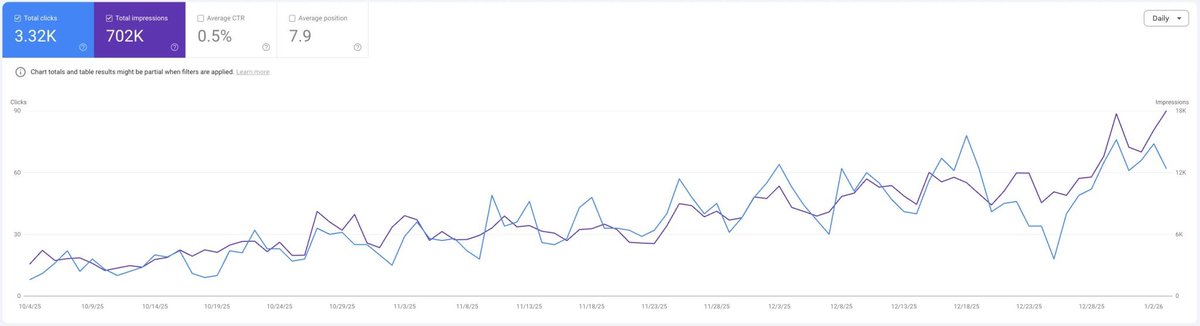
we helped a B2B SaaS scale organic traffic 825% in 3 months
six-figure revenue growth. $40K/month traffic value. 50K+ views per month from Reddit
all driven by our LLM SEO framework
most brands don’t realize they’re in the middle of the biggest SEO boom since Google’s early era
here’s what’s happening as we speak:
your buyers are shifting to AI tools like ChatGPT, Claude, and Gemini every month
if you’re not visible there, your competitors are taking your pipeline
i broke down the full methodology we used:
- how we structure landing pages LLMs surface
- the 825% traffic growth breakdown (in just 3 months)
- the system that drove six-figure revenue growth
- our AI-first keyword discovery framework
- the on-page + authority signals for ChatGPT, Claude, and Gemini
- how we drove 50,000+ views per month generated from Reddit marketing
the early movers are being rewarded right now
but the window won’t stay open forever
want the full breakdown?
1. like + follow
2. comment “LLM”
and I’ll send it straight to your dms
@denohawari AI search visibility is valuable, but traffic growth alone tells only part of the story. The real measure is whether citations bring qualified buyers who convert into revenue.
Google just revealed how long SEO actually takes.
They've given typical timelines for 23 crawling, indexing and serving processes, so I've put them all into this simple graphic.
A few worth highlighting:
- Discovering a new page: ~20 hours
- Recrawling an existing page: ~30 days
- Processing link signals: Minutes to 3 weeks
- Updating a title in search: 1-2 days
- Processing a site migration: 1-3 months
- Recovering from a core update: 3-6 months
For context, these timelines aren't how long it takes from making a change to seeing a result.
Google needs to discover, crawl, index and serve your content, and those processes stack up.
For example:
Google might index your changes in just 1.5 hours. But if it doesn't crawl your page for another 30 days, those changes could stay unseen for a month.
Some practical takeaways:
1. If you've updated a page and nothing's changed, check the last crawl date in Search Console before assuming your changes didn't work.
2. If new pages aren't getting indexed, look at your internal links, sitemap, crawlability and content quality.
3. If you're migrating a website, don't expect everything to be sorted overnight. Monitor redirects, canonicals and indexing throughout the process.
4. If you've been hit by a core update, don't expect a few quick fixes to bring your traffic back next week.
And remember, these are Google's estimates, not guarantees. Some processes can take much longer or never happen at all.
I've included all 23 processes in the graphic below.
Save it for the next time you're wondering why your SEO changes aren't showing up.
@codyschneider Sequencing shifts creative strategy from winning individual impressions to building intent over time. The real advantage comes when each ad advances the buyer’s understanding instead of repeating the same pitch.