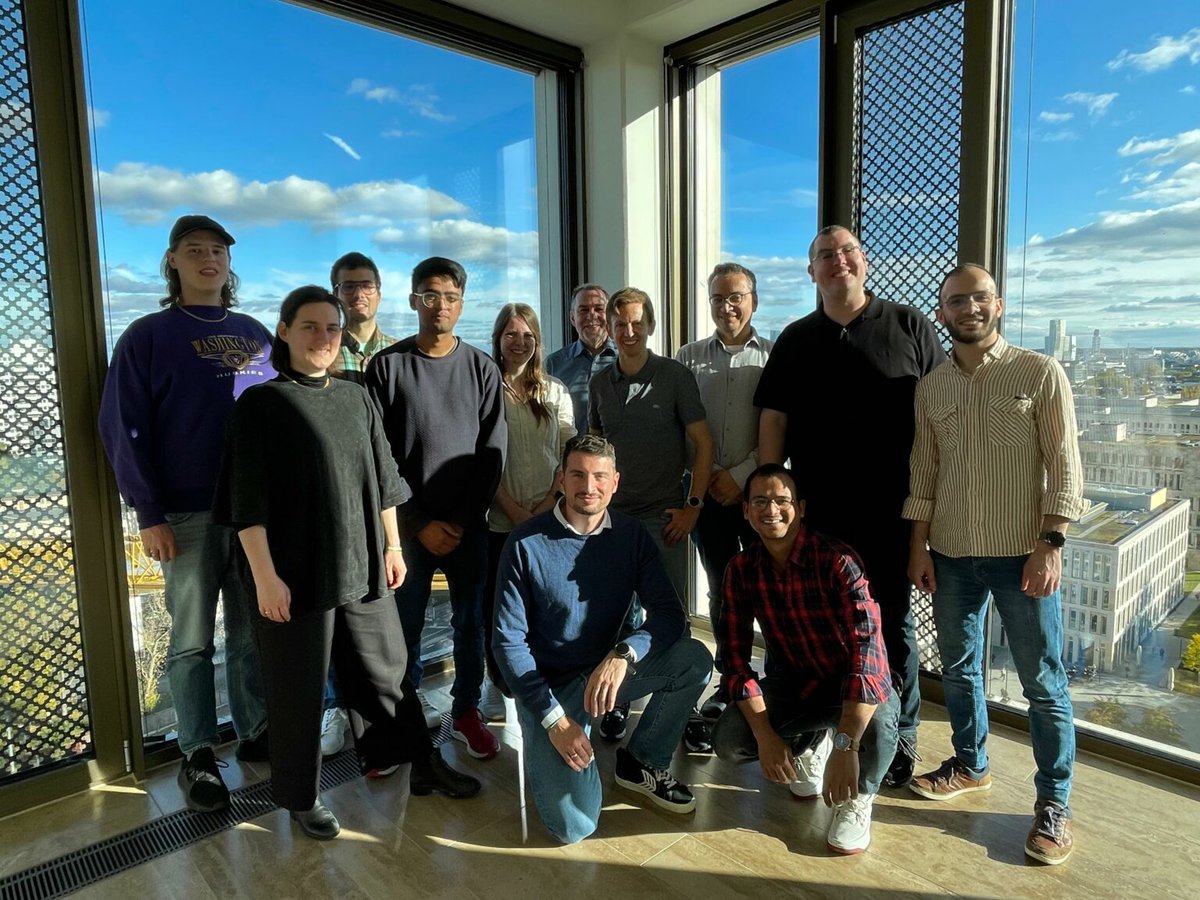
We had a productive #HyTea Project meeting today at @dipf_aktuell with @BMBF_Bund reps. Presentations, discussions, and planning sessions advanced our goals. Thanks to our team and Mr. Manuel Friedrich for valuable insights!
More updates: https://t.co/OUmHk3YYcD
"The publishers allegedly agreed to make peer reviewing an unpaid job, prevent academics from submitting manuscripts to more than one journal at a time, and bar them from freely sharing their findings during the lengthy peer review process."
https://t.co/p7uCPGk42o
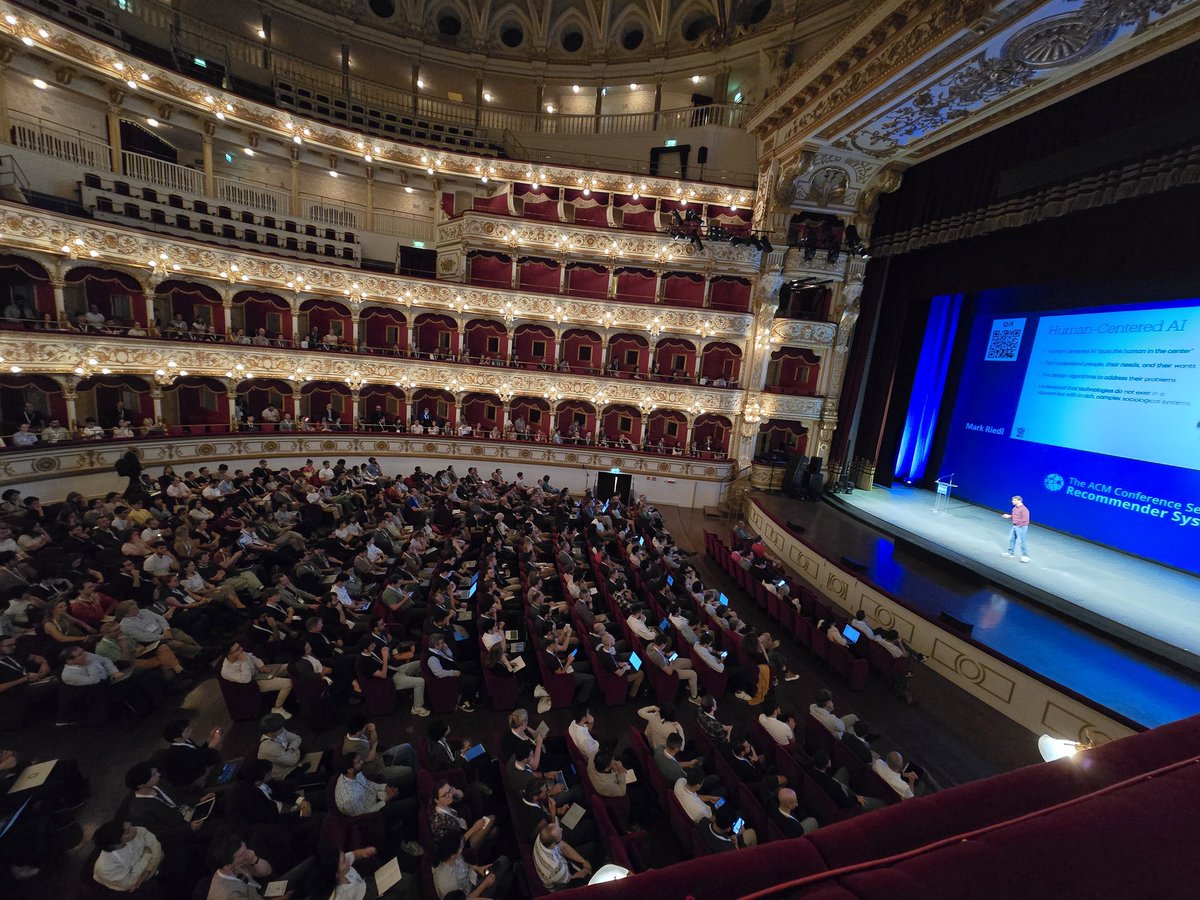
#recsys2024 runs in a magnificent setting of 19th century grand theater. Those of us coming late from registration were lucky to be ushered to the 2nd tire seats with a big-pucture view.
"Using LLMs as personal tutors by asking them for explanations improves learning outcomes whereas excessively asking LLMs to generate solutions impairs learning."
A new paper from the University of Cologne about the benefits and harms of ChatGPT
https://t.co/eSk7jLTJE0
Yesterday at the Johanna Quandt Young Academy School, I presented with Dr. Elena Galeano Weber on "Complexity in Human Learning" at the Forschungkolleg in Bad Homburg. My focus was on "Supporting Learning with AI through Feedback." More outcomes soon.
https://t.co/QXXYKKe8kE
I am appalled that Israel keeps targeting schools in Gaza — where thousands of displaced people are sheltering — with indiscriminate strikes. My heart goes out to the loved ones of all victims, including the UN aid workers who were tragically killed.
Schools and humanitarian workers must never be targets. There must be accountability for violations of international law, and there must be a ceasefire now.
A Warm Welcome: Our Guest Researcher Víctor Alonso-Prieto Begins His Visit -- We are very excited to welcome Víctor Alonso-Prieto, who has just joined the Ed https://t.co/K6ufczPCRm
I am glad to see this happening.
Finally, adults take responsibility for something that - especially young children - cannot regulate themselves.
But this is not enough: students should also be taught how to use smartphones properly.
https://t.co/U86RNbK8nO
I am an AIED researcher using GenAI in my work, and It works great for many things. However, as a scientist, I am still genuinely searching for an honest debate that deeply considers all "promises" and "challenges" and derives conclusions more based on data than enthusiasm.
I read the recent commentary by some colleagues on "The promise and challenges of Gen AI in education."
https://t.co/qSrRu18Jci
I am pleased that edtech experts are approaching this topic with more reflection than others did:
Still, I don't see mention of some key aspects:
All these and many more challenges should make us (ed-tech experts, educators, and policymakers) think: is this the future we want to see in education? What is the real advantage (net to all its hidden costs) of using GenAI in education?