Arrived at OrangeCon? Come find us on the floor! We'll be happy to talk about offensive trends, tradecraft, and getting your daily dose of vitamin C (C for cybersecurity, of course) with our evasive #redteaming toolset, OST.
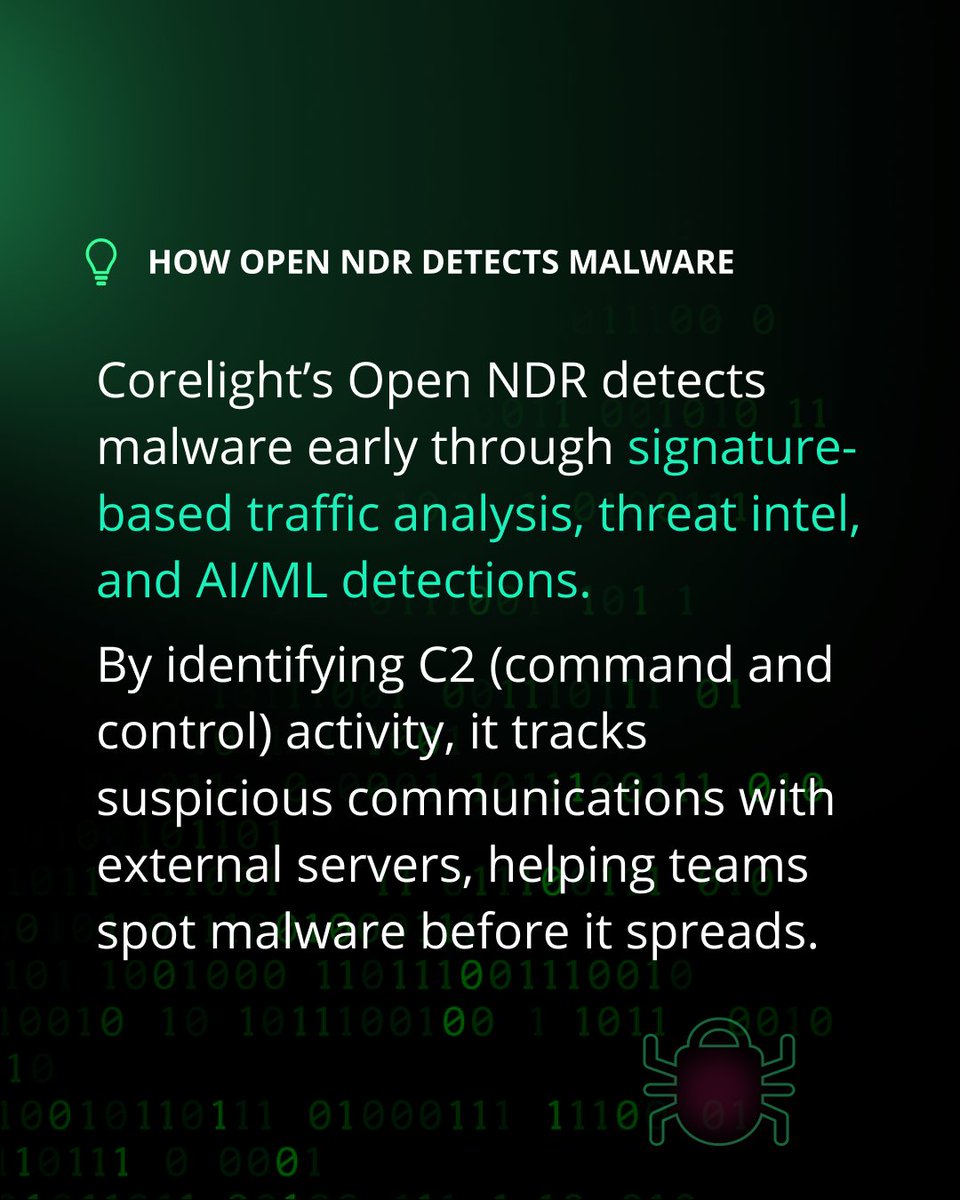
When you’re in the middle of an investigation, context matters.
Understanding how network logs, alerts, and supporting data connect is what helps you move quickly and make decisions with confidence.
📌 Get the cheatsheet: https://t.co/YwqpZw4L31
#NetworkSecurity#SOC#NDR
AI coding agents can build quickly, but unstructured workflows can create fragile software.
In this handbook, Qudrat shows you how to build a software factory with Claude Code.
You'll create specialized agents, an orchestrator, hooks, and review workflows for safer production development.
https://t.co/EBUiXWbon6
Secure networking starts with understanding how traffic is managed.
In this article, @manishmshiva explains what proxies and reverse proxies do and when to use each one.
He covers privacy, caching, load balancing, and protection against common threats.
https://t.co/L6qUXUk15T
Troubleshooting should not start with changes. It should start with evidence. By following this structured CompTIA troubleshooting methodology and combining it with packet-level visibility from the IOTA, teams can resolve issues faster and with accuracy.
https://t.co/BJaIbByGO9
Security teams are dealing with an environment that continues to grow in scale and complexity. Understanding what’s happening across that environment, and being able to investigate it effectively, remains a consistent challenge.
We’ll be at GPSEC St. Louis connecting with the community and continuing those conversations.
📍 May 6 | St. Louis, MO
🕘 8:00 AM – 4:00 PM CT
📌 Energizer Park
Be sure to stop by and say hi to the team 👋
🔗 Register now: https://t.co/NA7CYffhtG
#Cybersecurity #NetworkSecurity #NDR
Repetitive digital tasks can eat up a lot of your time.
In this course, @EstefaniaCassN teaches you how to automate them with Zapier, from basic Zaps to more advanced AI-powered workflows.
You’ll learn about triggers, actions, and how to connect the apps you already use.
https://t.co/X0cJp0UZLJ
This new CISO’s Guide breaks down how modern attacks span network, application, and API layers, and what it takes to stop them.
The reason to read: traditional approaches miss what today’s attackers actually do. Rethink your strategy.
Download now. https://t.co/7HmNZjk4KZ
Our latest analysis reveals unprecedented growth in network and application layer attacks throughout 2025. Discover how multi-vector campaigns are evolving and why automation is now essential for defense.
Download the full report: https://t.co/qzElZnGJ5k
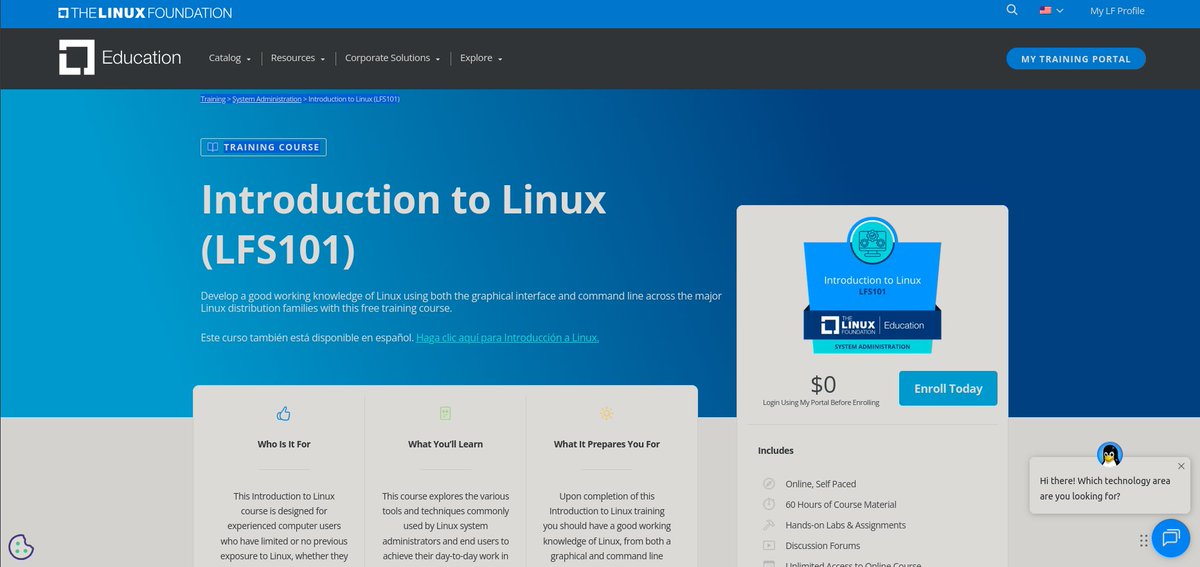
The best Linux resources that are FREE to learn in 2026:
1. Linux Foundation Training
https://t.co/lb0u5E5ptl
2. Linux Journey
https://t.co/jtGd0Muzi8
3. Ubuntu Tutorials
https://t.co/Bzzqyvh5ay
4. Red Hat Training Resources
https://t.co/czdQ2HZkI9
5. GNU Documentation
https://t.co/Fr8DYYHP9p
6. OverTheWire Bandit (Linux Wargames)
https://t.co/fEVqANSlkV
7. The Linux Command Line Book
https://t.co/Vzk5I7x9Vj
8. MIT Missing Semester (Linux & CLI)
https://t.co/mGRZgMjgi2
9. DigitalOcean Linux Tutorials
https://t.co/Gewym4sg2b
10. Linux From Scratch
https://t.co/2HPp4ZLj4r
11. Arch Linux Wiki
https://t.co/CdfA9gOOGg
12. freeCodeCamp Linux Course
https://t.co/i8ZbNPhXYw
13. Linux Survival
https://t.co/a94ZVchlJp
14. NDG Linux Essentials
https://t.co/IBMbsG2xTQ
15. Bash Guide
https://t.co/q6wAtVeRVB
Everything you need is already free.
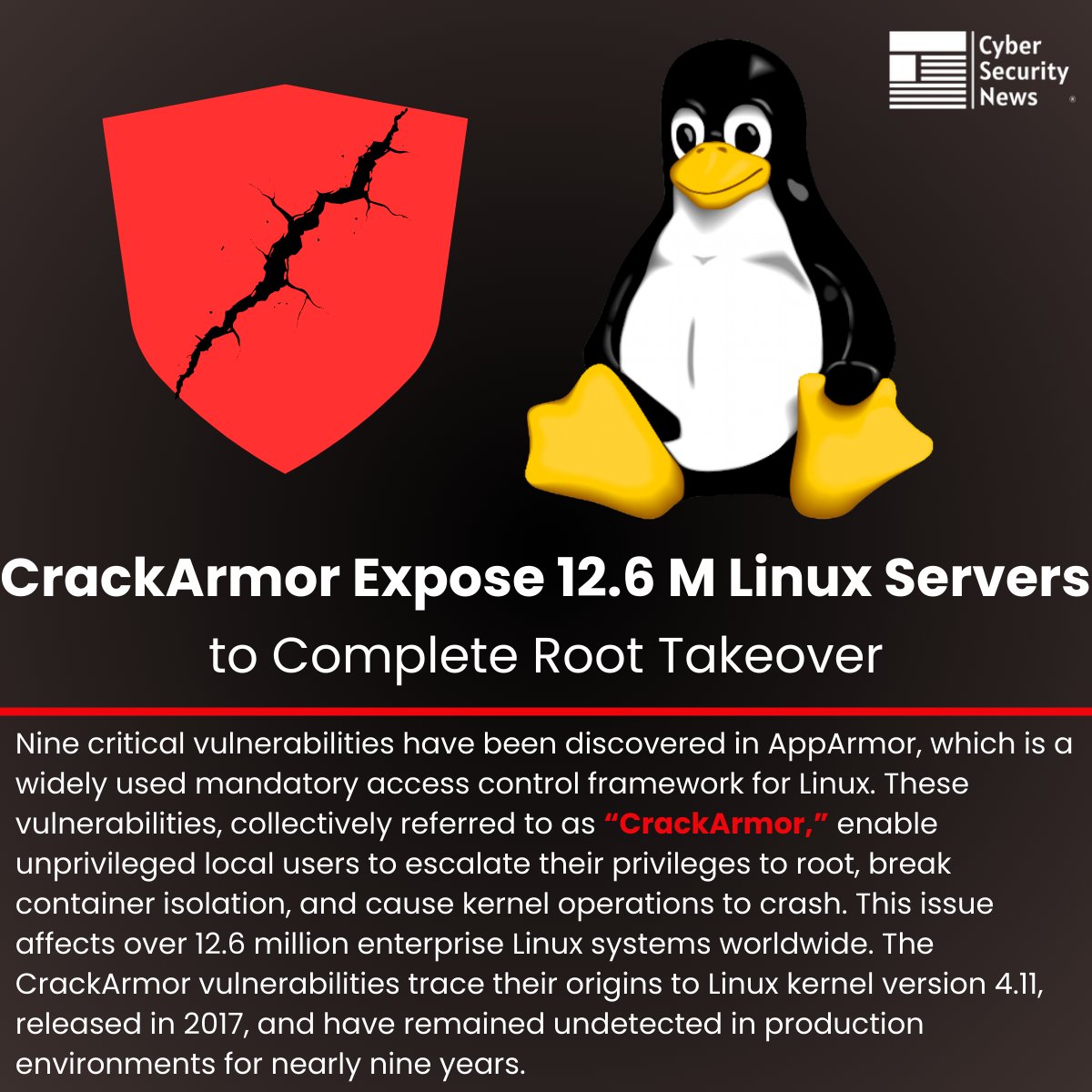
🛡️ CrackArmor Vulnerabilities Expose 12.6 Million Linux Servers to Complete Root Takeover
Source: https://t.co/tazNV6OvL7
Nine critical vulnerabilities have been discovered in AppArmor, which is a widely used mandatory access control framework for Linux.
These vulnerabilities, collectively referred to as “CrackArmor,” enable unprivileged local users to escalate their privileges to root, break container isolation, and cause kernel operations to crash. This issue affects over 12.6 million enterprise Linux systems worldwide.
The CrackArmor vulnerabilities trace their origins to Linux kernel version 4.11, released in 2017, and have remained undetected in production environments for nearly nine years.
#cybersecuritynews #linux
🚨 This Tool Finds Hidden Subdomains of Any Website… 🌐
Using Subfinder you can quickly discover subdomains and map a website’s infrastructure during reconnaissance.
In this reel I run Subfinder inside Termux to show how security researchers gather information about domains.
⚠️ Educational cybersecurity demonstration.
👉 Don’t comment yet
🔁 Share this reel first to support my work
💬 Comment SUBDOMAIN and I’ll send you the link for more information
Quick Linux tip:
When you need to create several directories at once, you don’t have to do it one by one.
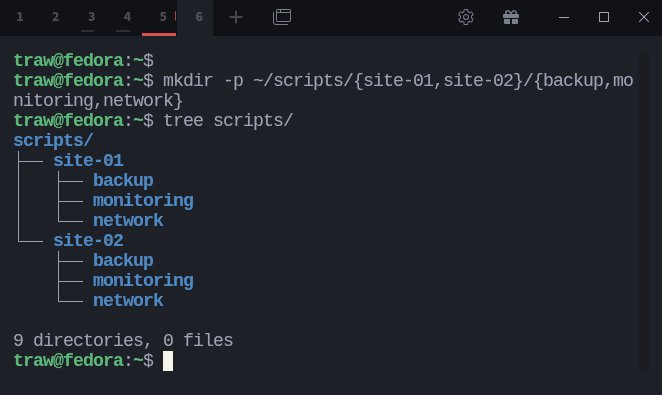
The mkdir command supports brace expansion, letting you create multiple nested directories in a single go.
$ mkdir -p ~/scripts/{site-01,site-02}/{backup,monitoring,network}
This instantly creates folders for two sites, each with its own backup, monitoring, and network directories.
A neat way to save time and keep your directory structure organized.
Red Hat and @NVIDIA are industrializing open source to power the next generation of gigascale #AI factories. We’re delivering a specialized build of #RHEL optimized for Day 0 support for the NVIDIA Rubin platform: https://t.co/f13oOf3txX. #NVIDIAGTC
Many modern apps rely on real-time data, like live sports scores, chat apps, collaborative tools, and more.
A common way to power this is with WebSockets.
In this tutorial, Nneoma explains how WebSockets work, how to build them in Python, and how to use them with FastAPI.
https://t.co/UVZHTDuzEX