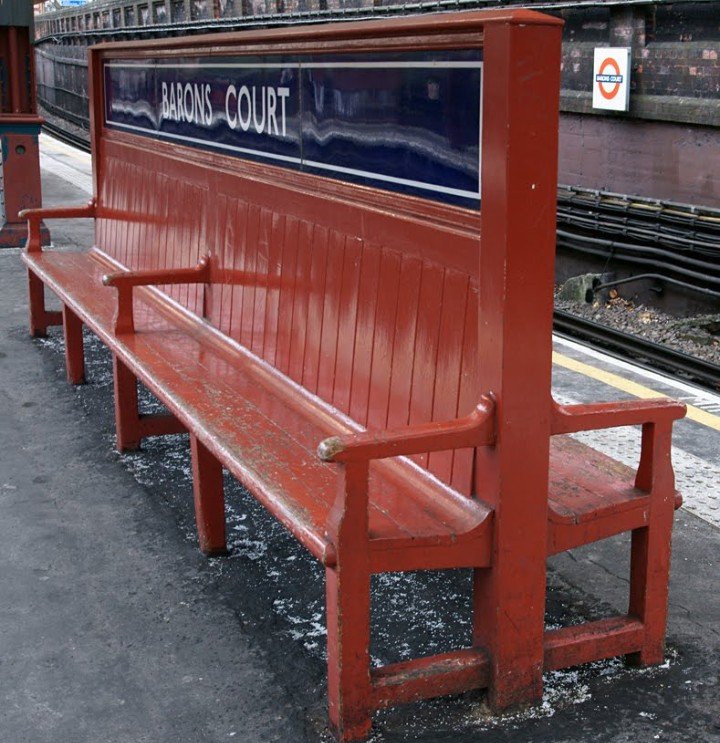
The platforms at Barons Court Station feature the network's only surviving original 1905 wooden back-to-bsck blood-red benches complete with large, cast-iron station nameplates.
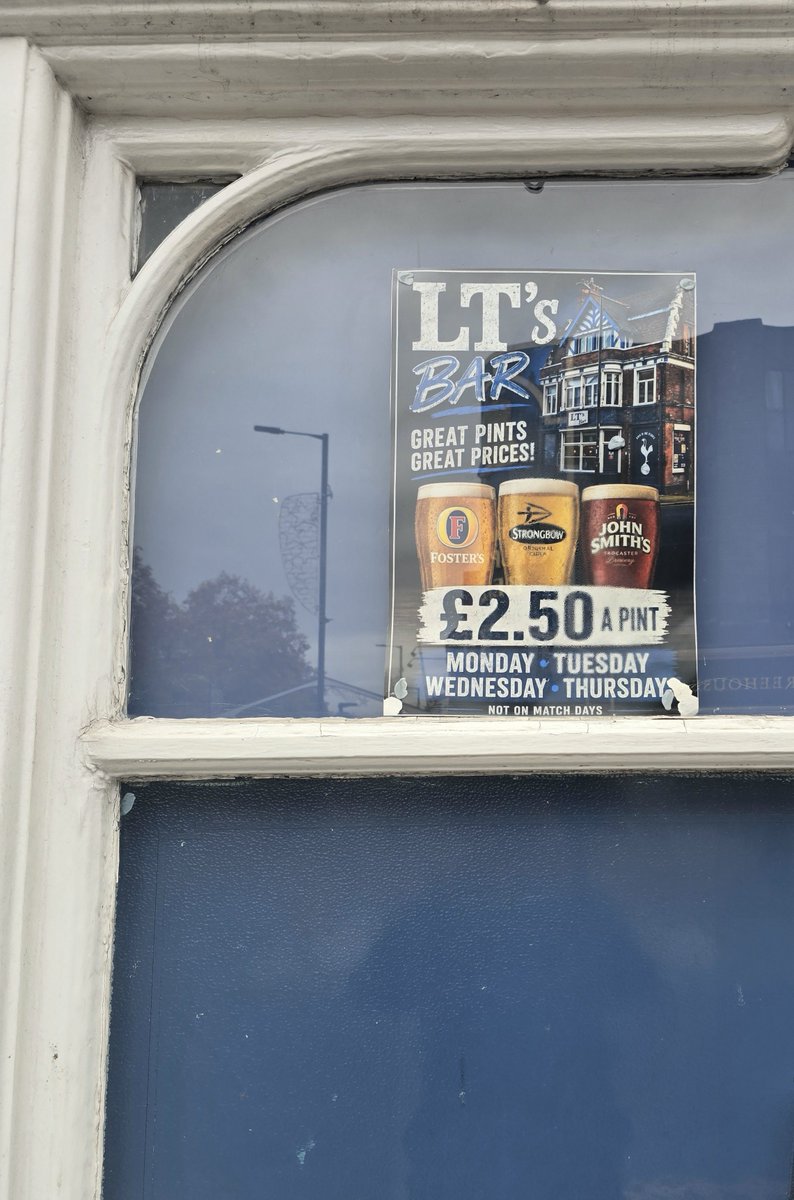
Obviously not a Pub I drink in but does anyone know of a Pub in London doing cheaper Pints than LT's Upper Edmonton N18 not including Wetherspoons???👀👀👀🍻🍻
Yellow rain warning for Cork and Waterford from 15:00 Monday 16 November to 23:59. Localised flooding possible, with difficult travelling conditions. https://t.co/QfD9DQCYZL
70% of essential medicines are currently unavailable in Cuba.
These shortages are not mainly a production problem. Cuba manufactures most of its own medicines. The bottleneck is access to raw materials, spare parts, and financing, precisely what the blockade and secondary sanctions restrict.
Add power cuts that interrupt operating rooms and cold chains, and the human cost multiplies.
The U.S. says it does not block food and medicine. The numbers on the ground tell a different story.
#EndTheBlockade
La religieuse. Deux choux, une collerette de crème au beurre et un nom qui n’a rien d’innocent.
Paris, 1856. Sous Napoléon III, le café Frascati, près du boulevard Montmartre, est une adresse bien connue des Parisiens. On y vient pour ses glaces, ses pâtisseries et son élégance. C’est là que serait née la religieuse.
Mais celle de l’époque ne ressemble guère à la nôtre. Elle est carrée, faite de pâte à choux garnie de crème pâtissière et surmontée de crème fouettée. Pas encore de petit chou posé sur un gros. Pas de collerette.
Il faut attendre la fin du XIXe siècle pour qu’elle prenne progressivement sa silhouette actuelle. Un gros chou pour le corps, un petit pour la tête, tous deux garnis de crème pâtissière. Le pâtissier les recouvre de fondant et dissimule leur jonction sous une couronne de crème au beurre.
Pourquoi « religieuse » ? L’explication traditionnelle tient à sa ressemblance avec une religieuse en habit, le glaçage sombre évoquant la robe et la crème claire, la collerette. L’origine exacte du nom reste pourtant incertaine.
Chocolat ou café. Deux parfums historiques, une même architecture. La religieuse partage presque tous ses ingrédients avec l’éclair, mais exige davantage de travail. Deux choux de tailles différentes à cuire, garnir, glacer, assembler et décorer.
La maison Stohrer, fondée à Paris en 1730, en a même fait une spectaculaire pièce montée, assemblant une multitude d’éclairs et de crème au beurre.
Aujourd’hui, la religieuse se décline à la pistache, au caramel ou à la rose. Mais la version classique reste une petite merveille de pâtisserie française.
Seabrook Smoky Heatwave: Grab a pack of these to kick-start your nervous system. The sting of the chilli starts strong and only escalates the more you crunch. Then there's the fruity tang of tomato in the background alongside a smoky, rush of herbs. Hot stuff. Rating: 8.5
Repas simple de novembre au bord de la Manche.
Hareng 1,10€
Beurre de ferme......j'ai oublié le prix.
Pomme de terre du jardin.
Pain au levain de moi.
À tout casser, 2,20€ l'assiette.
Et c'est bon.✊😋
#OnThisDay 1984. The iconic picture taken by Don McPhee during the picketing of Orgreave was featured at the Ilford Photographic Awards in London and won a £250 prize.
A Catholic priest used a vast underground network to save thousands of Jews, Allied prisoners, and anti-fascists from Nazi persecution during World War II.
Monsignor Hugh O'Flaherty (1898–1963) was an Irish Catholic priest and Vatican diplomat born in Kiskeam, Cork, and raised in Kerry. He rose through Vatican ranks, becoming a senior official in the Holy See. When Mussolini’s Italy fell in 1943 and the Nazis occupied Rome, he refused to stand by as they rounded up Jews and escaped Allied POWs.
Using his Vatican connections and diplomatic status, he arranged safe houses, forged documents, and smuggled people to safety using a network of priests, nuns, diplomats, and ordinary Italians. His dangerous efforts helped save about 6,500 people.
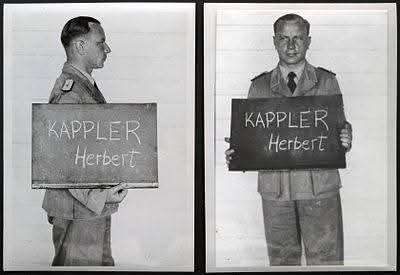
During this heroic mission he played a lethal game of a cat and mouse with the ruthless SS chief in Rome, Herbert Kappler. There was even a bounty on Irishmans head, forcing him to use clever disguises, secret signals, and Vatican immunity to evade capture. The Nazis even painted a white line at St. Peter’s Square to mark where they could arrest him...he never crossed it!
After the war, in an extraordinary act of forgiveness, O’Flaherty visited Kappler in prison and eventually converted him to Catholicism. He returned to Ireland in his later years and died in 1963.
He is commemorated across the world, including a bronze statue in Killarney and the US Congressional Medal of Freedom. His heroism was immortalised in the Gregory Peck movie "The Scarlet and the Black" (1983)
A house staple here: clean, crisp Chardonnay with nice acidity and pear/apple profile. Aging on fine lees adds a little smoothness on the palate. A great every day white
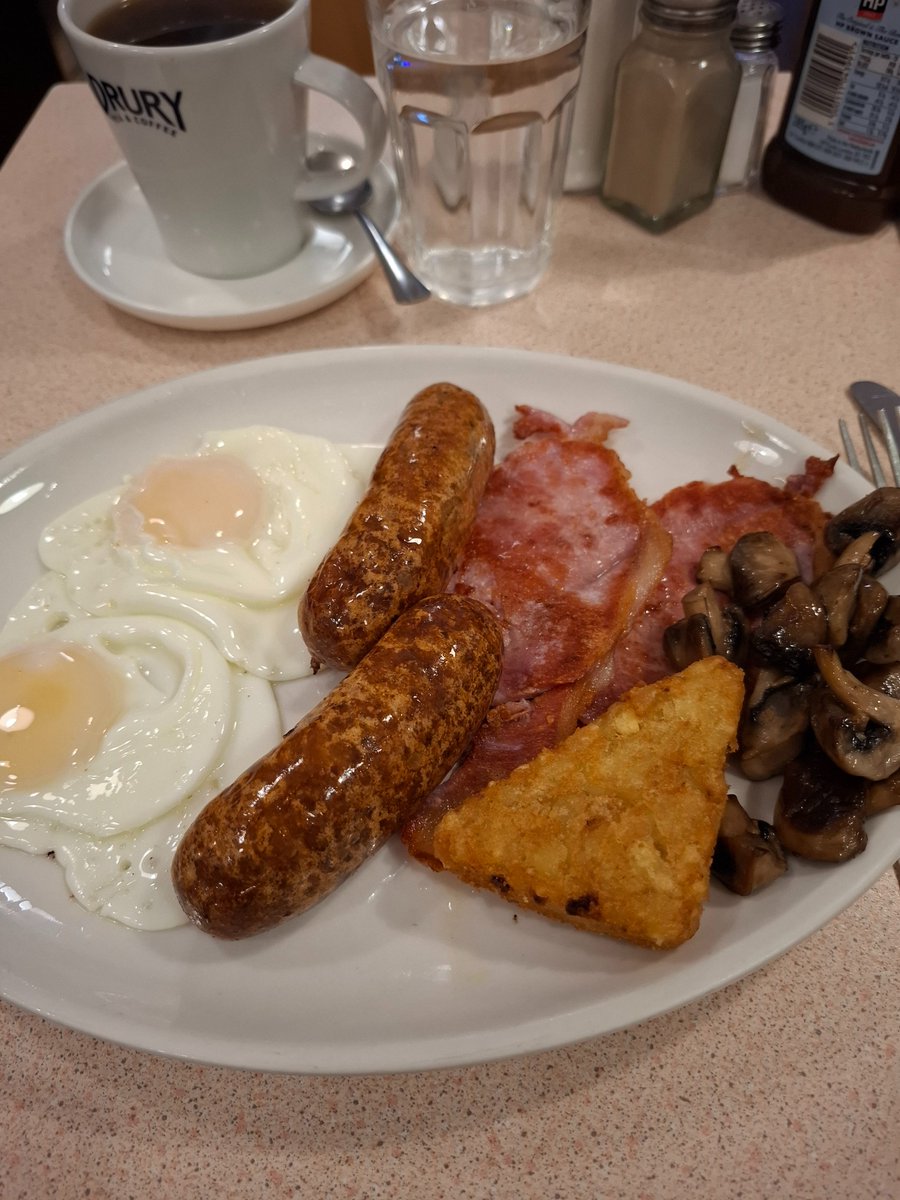
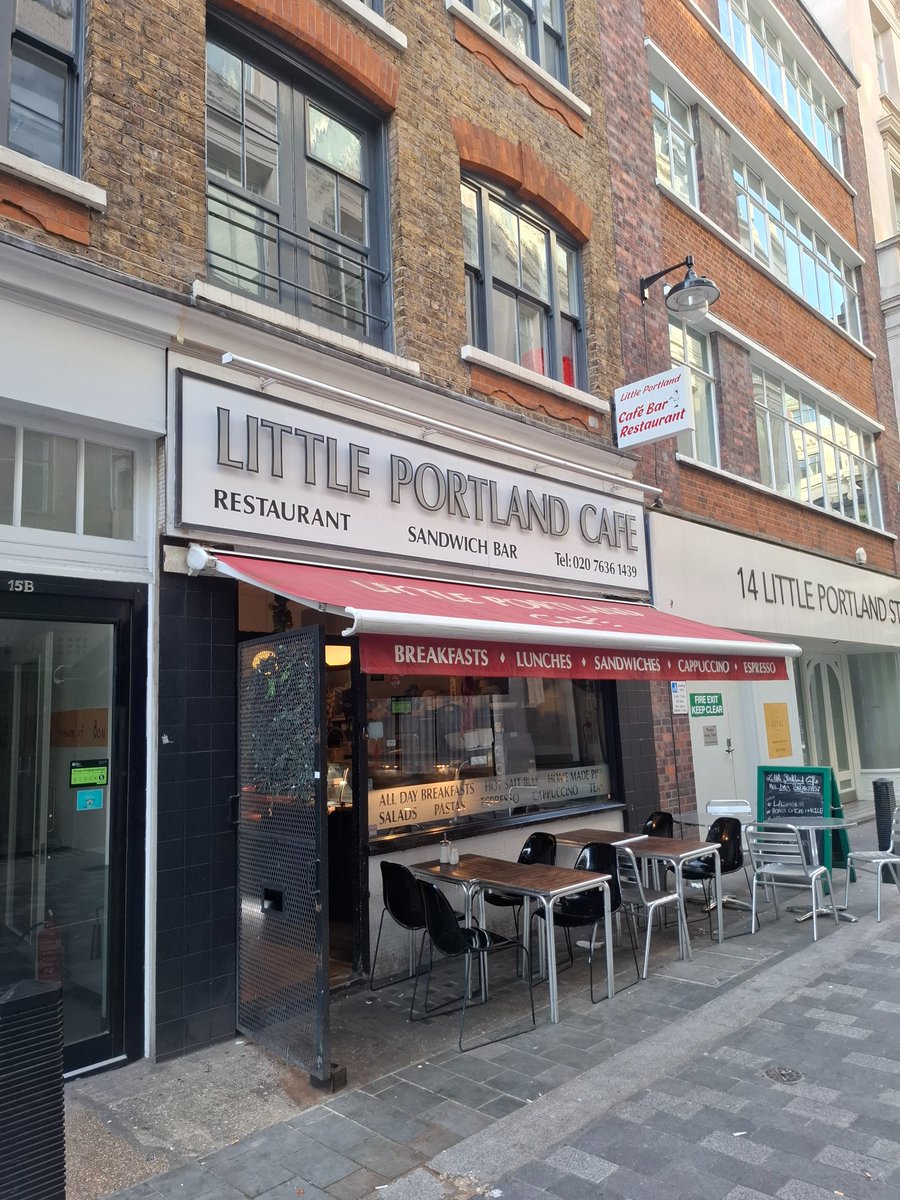
A favourite breakfast spot of mine
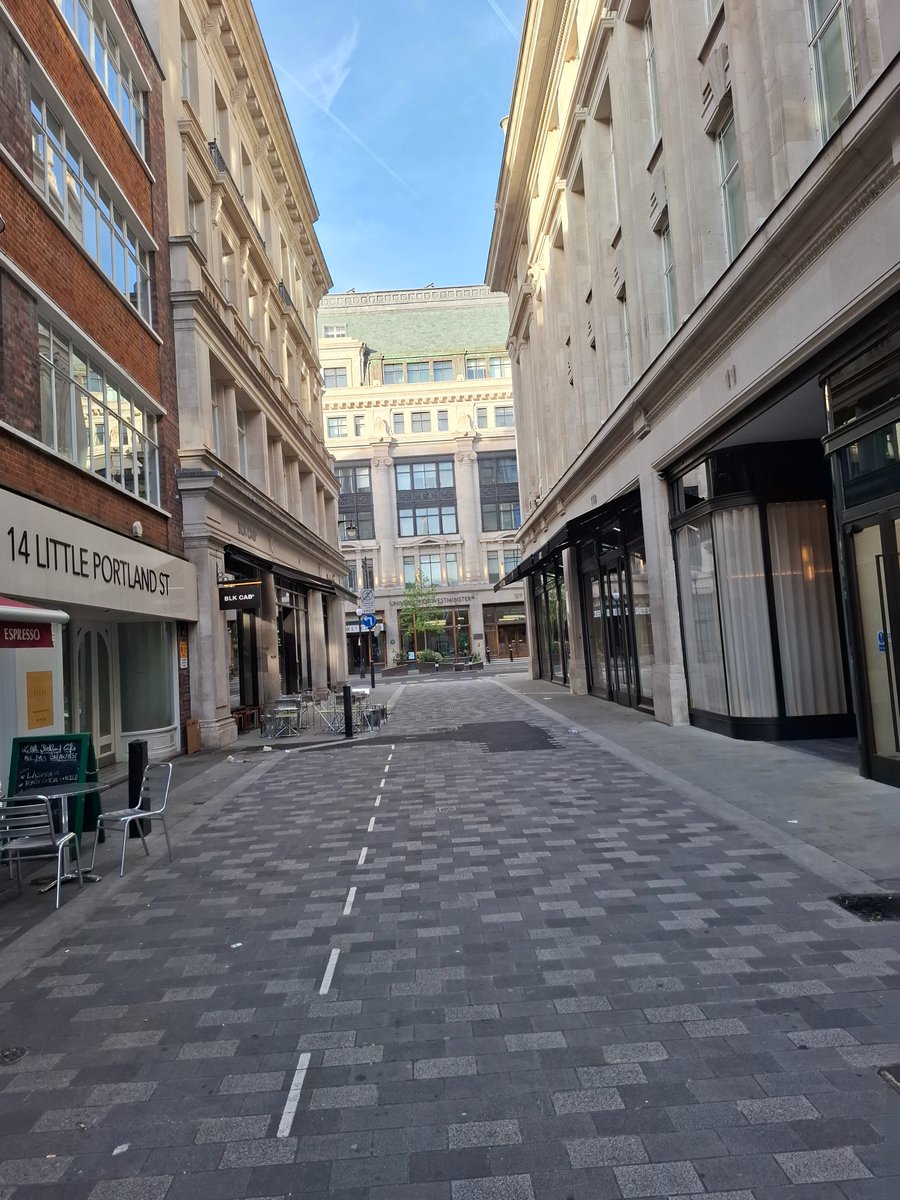
Little Portland Cafe.
Large breakfast, just over a tenner.
I swapped beans for an extra sausage...extra 80p.
Also comes with toast and tea/coffee.