HHMI released the official 2027 Gilliam Fellowship details, and a lot changed. Deadline's earlier this cycle: Oct 27. Int'l & MD-PhD students now eligible. Stipend up to 50K. New postdoc pathway adds up to 7 yrs of support. No Journal names!!!!
https://t.co/fi5rPJHLEA
@HanqiangD et al found that disturbed blood flow switches on a gene regulator #FOXO1 via lactate to drive #inflammation & #plaque formation, while healthy flow turns it off, revealing new targets to prevent #atherosclerosis. Learn more at https://t.co/RKMjawxOT1
Review at eLife isn’t here to gatekeep.
Our reviews are constructive for authors, and eLife Assessments help readers evaluate the work. What’s more, since they’re public, they give prominence and recognition to the work of reviewers.
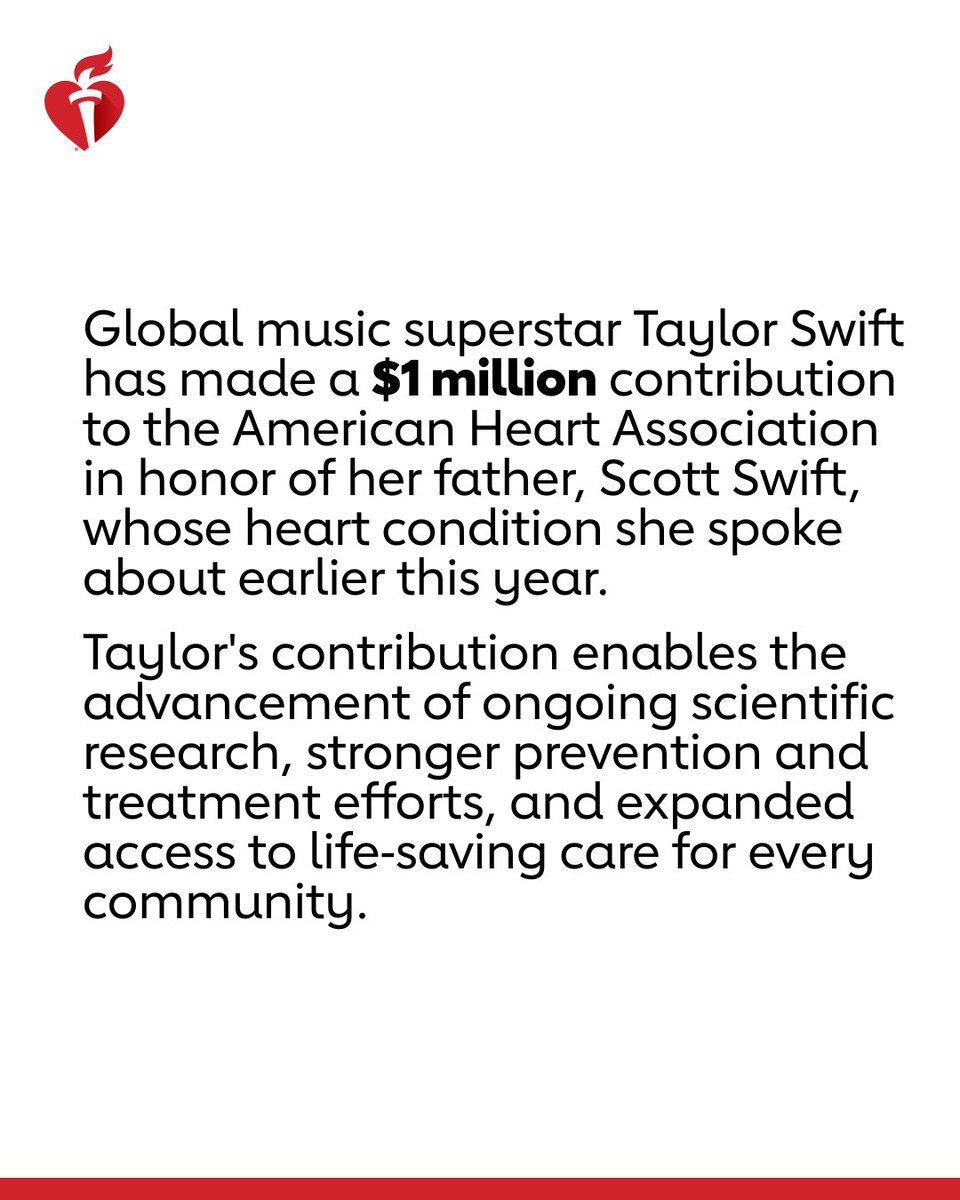
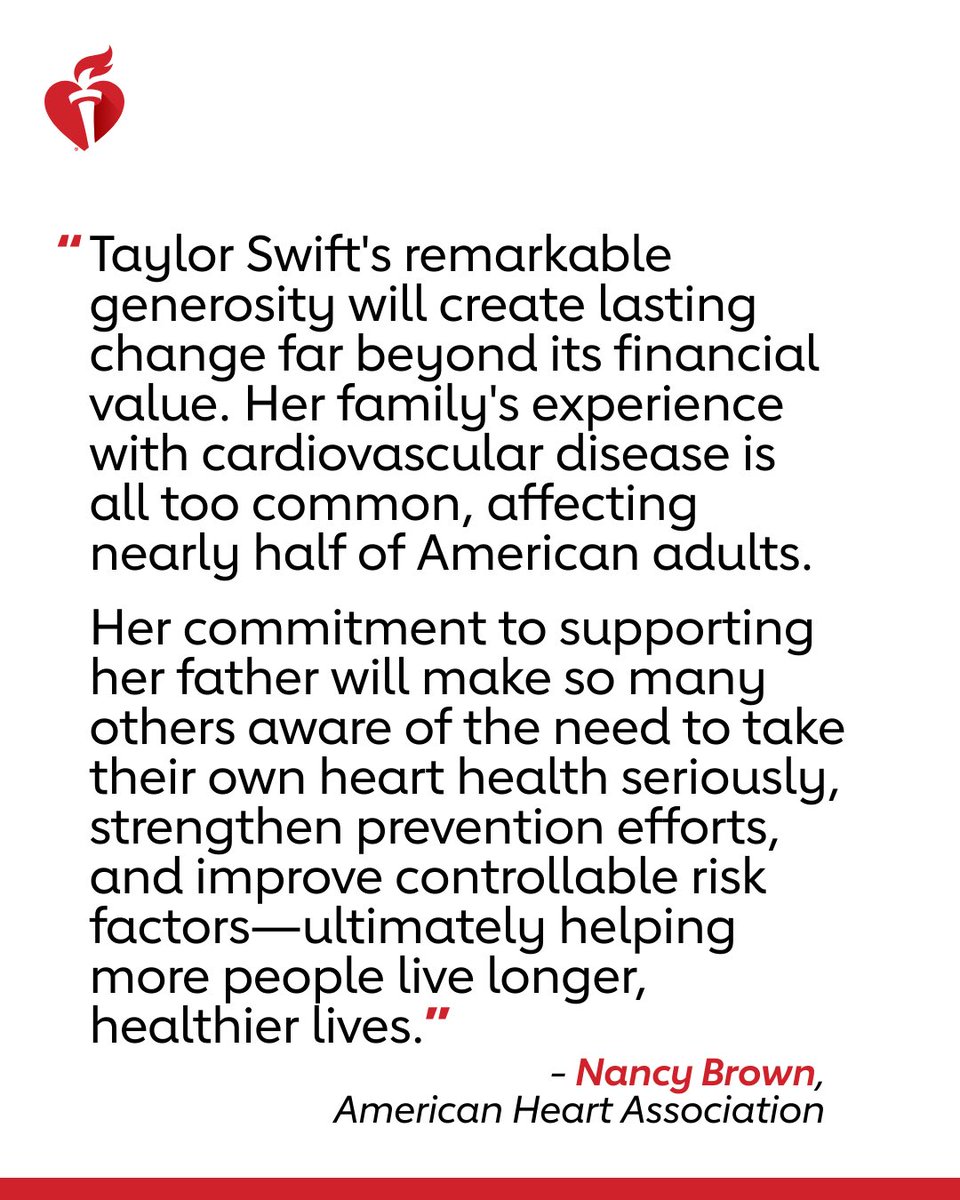
🫶 Thank you, @taylorswift13, for your generous gift! We remain "Fearless" in our relentless commitment to prevent heart disease and stroke. Every donation we receive is an honor.
On Sundays as a trainee, to give my brain reprieve from the heavy papers read during the week, I used to relish reading Sydney Brenner’s essays -“ Loose ends”. Chanced upon one today - Jim Watson had given a lecture on “rules to succeed in science”. Here’s Brenner’s take on it 😃
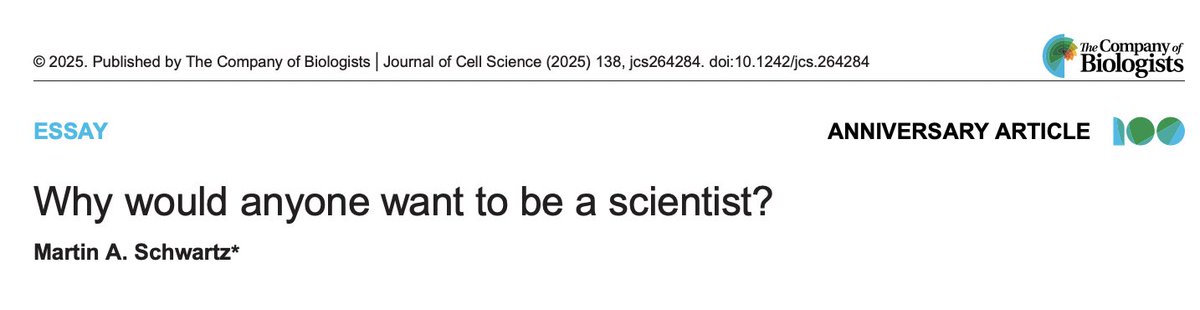
Another great essay by Martin Schwartz...@J_Cell_Sci
"It is difficult to fathom why anyone intelligent enough to be a scientist would actually choose to be one. Doing good science requires the utmost exertion of body, mind and spirit, yet is consistently filled with failure and rejection. But, strange even to myself, I not only don't question the unfavorable risk-to-reward ratio but consider myself astonishingly lucky to be a scientist. There are three fundamental pleasures that have sustained me through 50 years of this madness."
How do cells link adhesion to protein synthesis? New findings suggest the protein p130Cas forms droplets that bud from focal adhesions and suppress translation, hinting at a novel mechanism for regulating cell state via phase separation.
https://t.co/A8VAMJu6wc
India needs strong academic institutions to become a knowledge superpower. But institutions are only as strong as their leadership. In a fast-changing world, each one of us needs to unlearn, re-skill, and reimagine our roles.
That is the spirit behind 𝐋𝐄𝐀𝐃 – 𝐋𝐞𝐚𝐝𝐞𝐫𝐬𝐡𝐢𝐩 𝐢𝐧 𝐄𝐝𝐮𝐜𝐚𝐭𝐢𝐨𝐧, 𝐀𝐝𝐯𝐨𝐜𝐚𝐜𝐲, 𝐚𝐧𝐝 𝐏𝐨𝐥𝐢𝐜𝐲 𝐃𝐞𝐯𝐞𝐥𝐨𝐩𝐦𝐞𝐧𝐭. We are creating a LEAD academy in BITS to train mid-level academics in education to become leaders. This will be slowly extended to other professions too.
This first-ever 𝐬𝐢𝐱-𝐦𝐨𝐧𝐭𝐡 𝐡𝐲𝐛𝐫𝐢𝐝 𝐜𝐞𝐫𝐭𝐢𝐟𝐢𝐜𝐚𝐭𝐢𝐨𝐧 𝐩𝐫𝐨𝐠𝐫𝐚𝐦𝐦𝐞, beginning in August 2025, is designed for Vice Chancellors, Directors, Registrars, and senior academic administrators who are shaping the future of higher education in India.
We have brought together some of the 𝐦𝐨𝐬𝐭 𝐫𝐞𝐬𝐩𝐞𝐜𝐭𝐞𝐝 𝐚𝐜𝐚𝐝𝐞𝐦𝐢𝐜 𝐥𝐞𝐚𝐝𝐞𝐫𝐬 𝐢𝐧 𝐭𝐡𝐞 𝐜𝐨𝐮𝐧𝐭𝐫𝐲, individuals who have led Institutions of Eminence, created policy impact, and inspired change. The speaker list includes the who’s who of Indian academia.
This is not just a course. It’s a 𝐧𝐚𝐭𝐢𝐨𝐧𝐚𝐥 𝐞𝐧𝐝𝐞𝐚𝐯𝐨𝐮𝐫 𝐭𝐨 𝐛𝐮𝐢𝐥𝐝 𝐭𝐡𝐞 𝐧𝐞𝐱𝐭 𝐠𝐞𝐧𝐞𝐫𝐚𝐭𝐢𝐨𝐧 𝐨𝐟 𝐚𝐜𝐚𝐝𝐞𝐦𝐢𝐜 leaders who can steer our institutions into the future - with clarity, integrity, and vision.
Participants will earn a certificate, receive BITS Pilani alumni status, and benefit from structured mentorship by those who have led from the front.
This initiative is being led by R Subrahmanyam, IAS, former Secretary, @EduMinOfIndia and advisor (Professor of Practice) in BITS. Mr. Subrahmanyam is the finest civil servant I have come across in my long career in Government.
#AcademicLeadership #LEAD @bitspilaniindia
Join us next week for a discussion with Dr. Maneesha Inamdar (@InamdarManeesha) from @DBT_inStem!
Her team recently published an @eLife article on #TGFβ signaling during mouse vascular development.
🔖 Check it out: https://t.co/4iJXFOZc4H
Excited to share our latest publication in @eLife: Rudhira-mediated microtubule stability controls TGFβ signaling during mouse vascular development https://t.co/2PFv2S6fgR
Huge thanks to all the amazing co-authors @InamdarManeesha@PreetiJ89839688 and Ronak 🙂
Inviting Indian diaspora for research collaboration !!
@IndiaDST invites applications under VAIshwik BHArtiya Vaigyanik (VAIBHAV) Fellowship for collaboration between scientists of Indian Diaspora with Higher Educational Institutions (HEIs), Universities and Research Labs.
Not everyday that a visiting speaker has to sign a bunch of their articles for students. Wonderful to have Martin Schwartz from @yale spend a few days @IISERPune. Fantastic vascular biology work and conversations on science and life in science. Hope you have you back soon Martin.
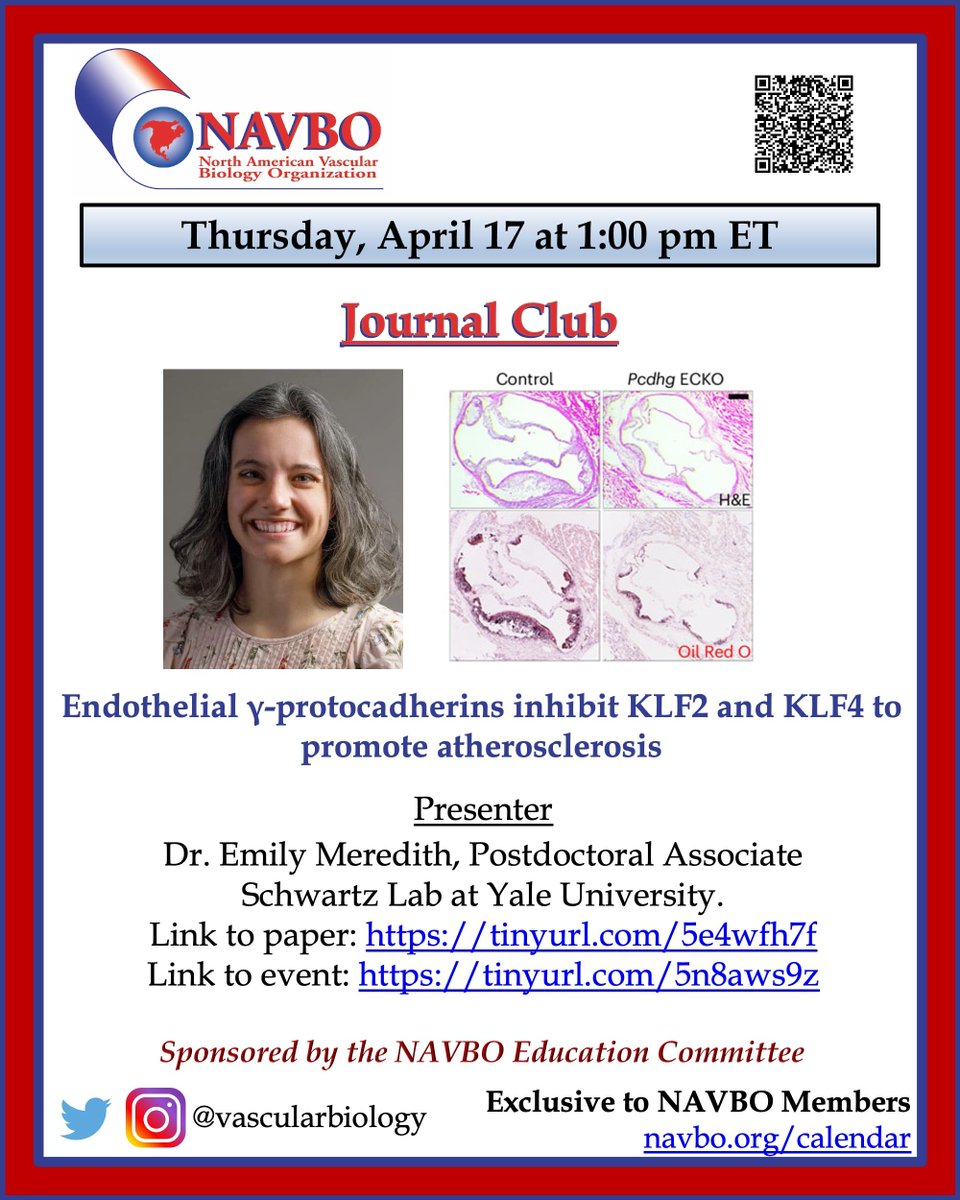
NAVBO Journal Club on Apr 17 at 1:00 pm ET
Endothelial γ-protocadherins inhibit KLF2 and KLF4 to promote atherosclerosis
Dr. Emily Meredith
Schwartz Lab at Yale University
Paper: https://t.co/RWlGuRFLNB
Event: https://t.co/yW0LajgeK6
https://t.co/3eV6kZG3VD
🚨 The Ghersi Lab is Hiring! 🚨
If you're passionate about hematopoietic stem cells, developmental biology, and cutting-edge research, I’d love to hear from you. Feel free to share. 🩸🐠
📍 Montreal, Canada
📩 [email protected] and https://t.co/j3bDZvHLss
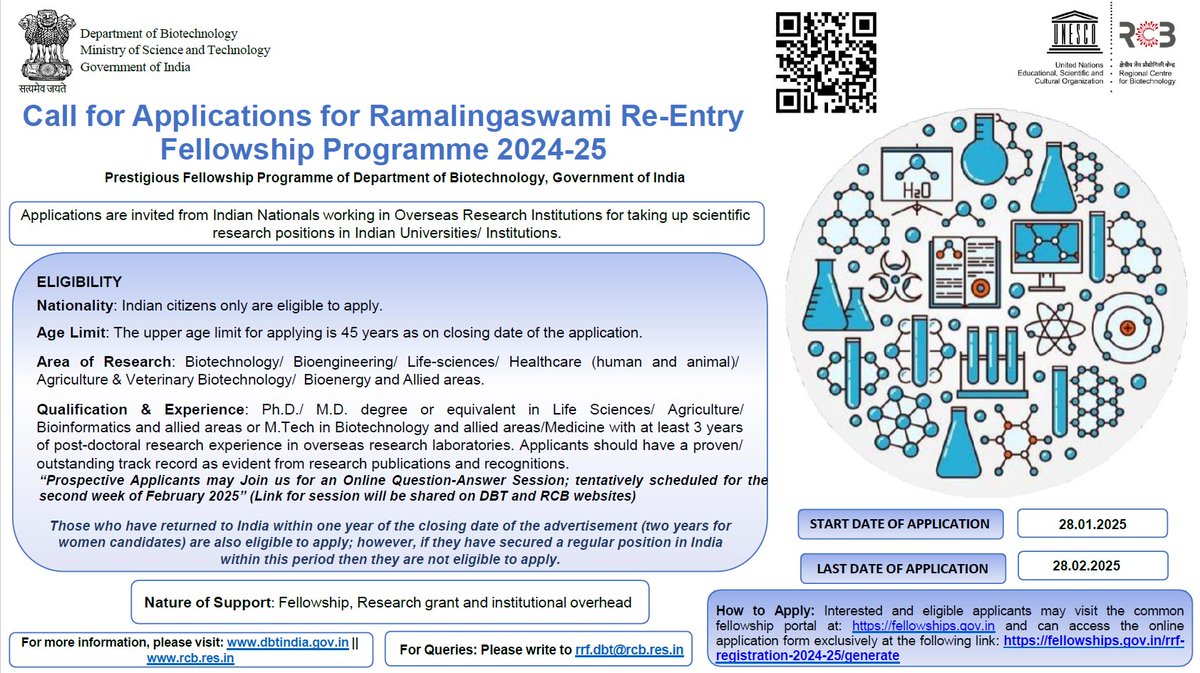
📢We are now calling for applications for #Ramalingaswami Re-entry #fellowship.
Applications are invited from Indian Nationals working in Overseas Research Institutions for taking up scientific research positions in Indian Universities/ Institutions.
🔗 Click to apply: https://t.co/PElEH4qUmC
@DrJitendraSingh@rajesh_gokhale @BricDbt7510 @unescorcb