Semi‐automated hippocampal avoidance whole‐brain radiotherapy planning: Abstract
Background
Hippocampal avoidance whole-brain radiotherapy (HA-WBRT) is designed to spare cognitive function by reducing radiation dose to the hippocampus… https://t.co/PZuV5Fhv31 #JACMP
2024 official @MDAndersonNews #radonc faculty photo arrived! Although incomplete, this faculty gathering for a photo is our largest to date. #endcancer
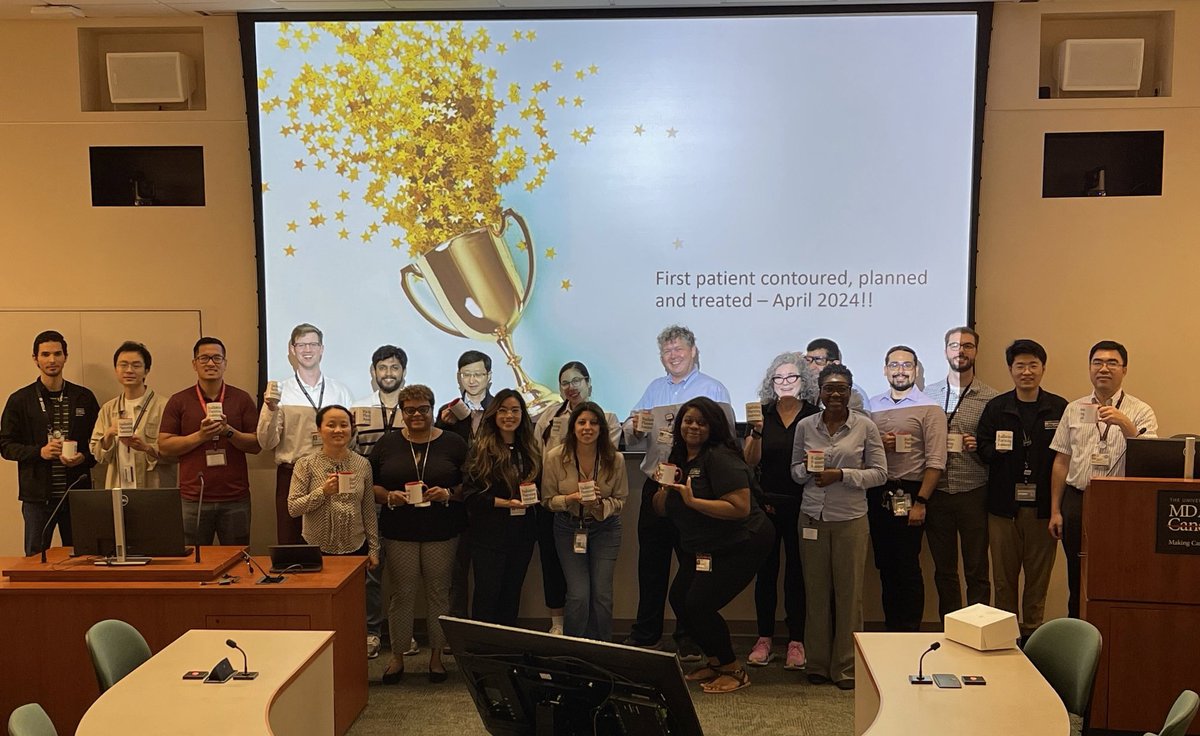
Today our development team celebrated our Radiation Planning Assistant milestone of actually planning a patient in South Africa. Thank you to everyone who has supported us on this journey to support radiotherapy in low- and middle-income countries! @MDAndersonNews
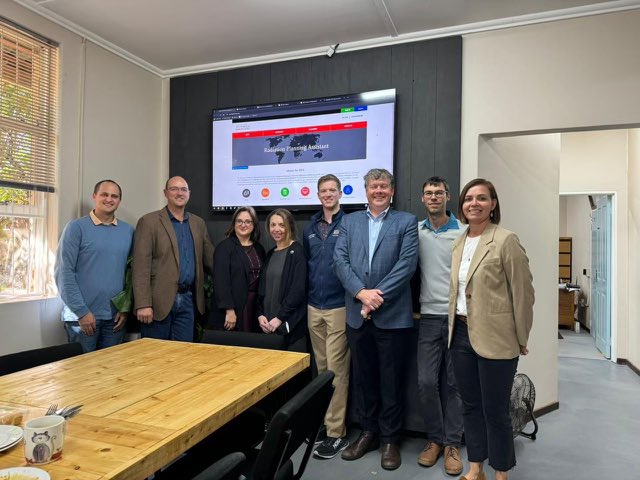
The RPA is in clinical use in South Africa! Our first patient (with cervical cancer) was contoured/planned and approved today at the University of the Free State, Bloemfontein. @MDAndersonNews@nethertonians
What is “clinically acceptable”? A difficult question when developing and testing automatic contouring and planning tools. Please see our review, a collaboration of the Court, @kkbGoBlue and @ca_chung labs. Out today! @MDAndersonNews https://t.co/9SAXOQZ3qq
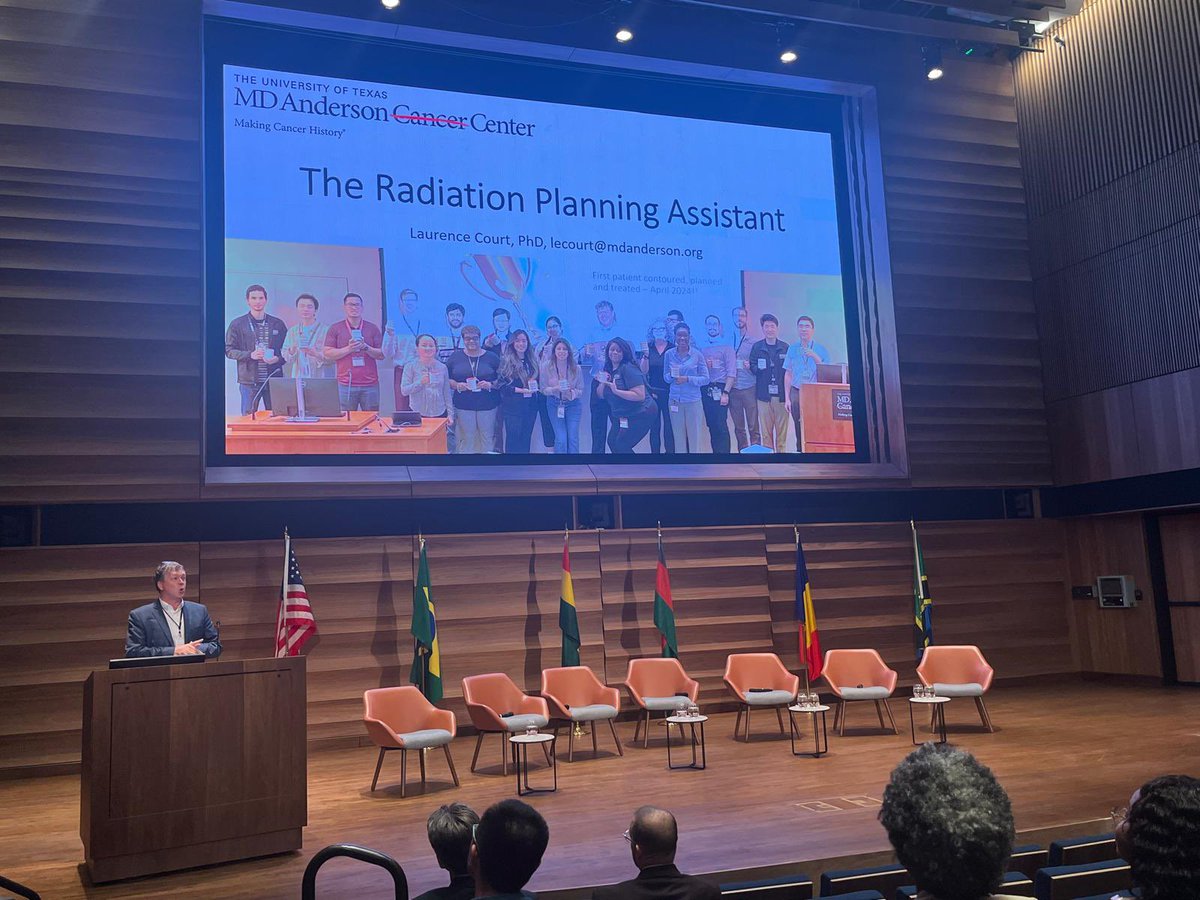
Radiation Planning Assistant -
We’ve been working on this for 6 years now - 50 papers and boom chapters, 10 grad students and Postdocs…. Please see our video history @MedPhys_MDAUTH@MDAndersonNews
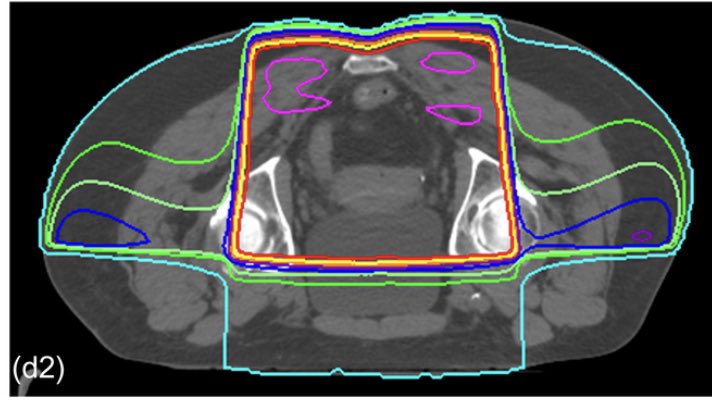
Automatic treatment planning for rectal cancer - with field-in-field and wedges - Part of the Radiation Planning Assistant project to support radiotherapy planning in LMICs. @huang__kai@CarlosMedPhys@djrhee08@MDAndersonNews . https://t.co/nZPLVKcIcL
Tips on writing a NIH R01 on #AI. In last 6 weeks our group landed 4 @NIH / @theNCI R & U grants on #AI in #imaging & #medicine. I got a number of enquiries about grant writing tips. I share some thoughts below. Also free offer - Happy to review & provide f/b on your S aims page
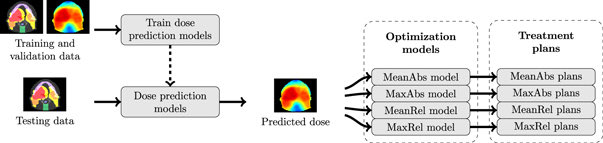
#MedPhysTwitter check out our latest international publication evaluating 76 KBP pipelines for automated radiotherapy planning! Huge congrats to lead author @a_babier and everyone involved 🥳🥳
NIH peer review system is far from perfect, but it's the best I've seen. I just "retired" from the GCAT study section after 4 years' of service, which prompted me to share a few thoughts re computational proposals. These are the points that I also remind myself. Other thoughts?🧵