EIJ DEBATES
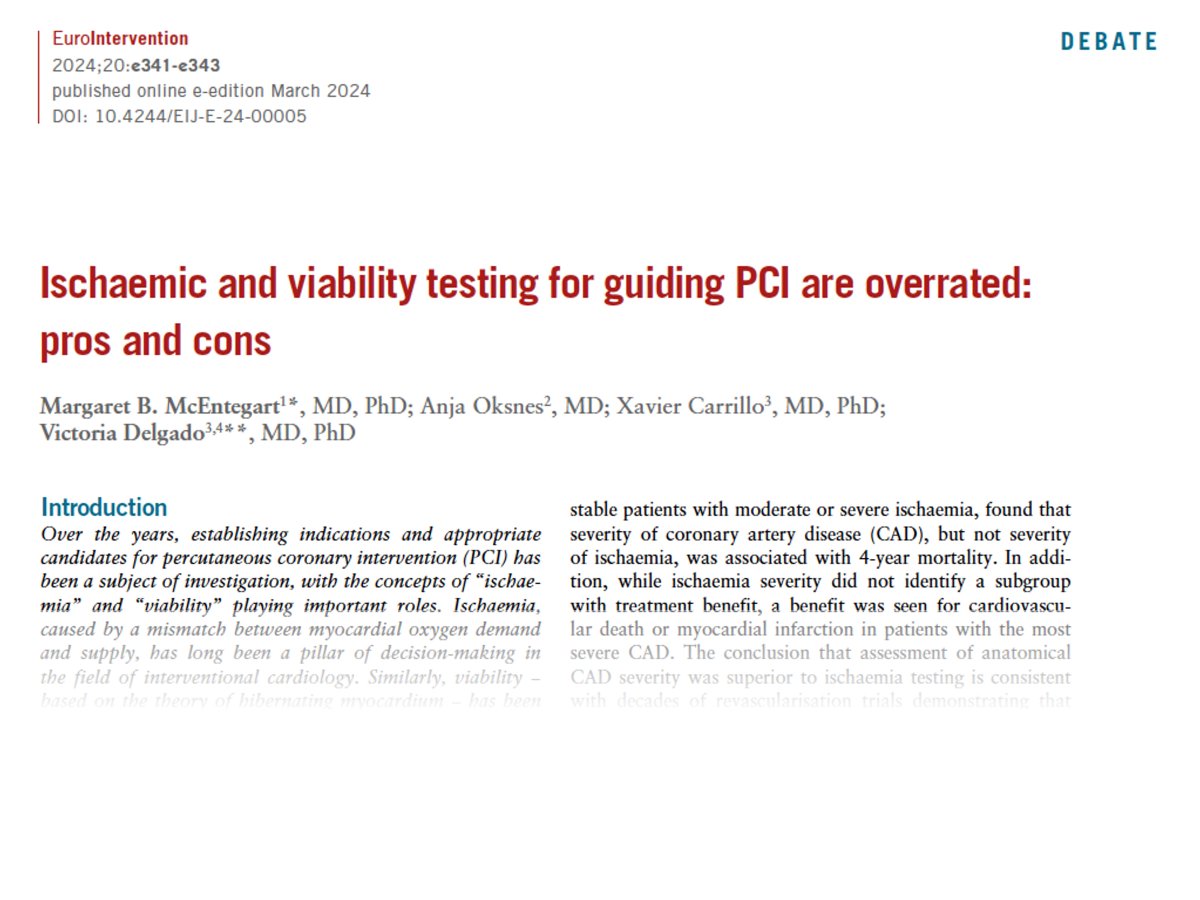
Over the years, the use of "ischaemia" and "viability" has been crucial in deciding who undergoes percutaneous coronary intervention (PCI). Ischaemia, a mismatch in heart muscle oxygen demand and supply, and viability, indicating a temporarily weakened heart muscle, have guided intervention decisions. However, recent studies challenge their effectiveness in directing PCI, leading to uncertainty about their roles and if they're best suited for specific patients or situations. https://t.co/1txkxuJcD6
🚨#HotOffThePress🚨
📕Evaluation + Management of patients with #CTO Considered for Revascularisation
by #EAPCI + #EACVI + WG Cardiovascular Surgery
TOPICS:
🎯Examination
🎯Imaging
🎯Decision-making: #HeartTeam
🎯Clinical outcomes
🔗https://t.co/QTralKT2dl (@EuroInterventio)
8. Doctors are not being greedy to ask for a fair wage, paying some of our brightest people that have responsibilities of life and death, £14 /hr isn't right. The NHS can no longer go on like this.
Penultimately it will be for the general public to decide what they want for them and their families , and who they want delivering their healthcare.
7. Medicine is more than just science, it's about interpersonal skills and being able to identify with the experiences of your patients. I think it will be a sad loss for medicine if a whole stratum of society can no longer afford to go into this beautiful profession, and more importantly a whole stratum of society can no longer afford healthcare for them or their families.
6. If we want to have a diverse workforce that represents the population they serve, we have to make medicine attractive again, to young people from underprivileged backgrounds like mine. This means paying them- so that medicine doesnt become an expensive hobby for the privileged few
5. If I was an 18-year-old lad now, with the same family background, I couldn't afford to do medicine- particularly when the job prospects at the end are so bleak.
The reason this is important is that people who do medicine should represent a broad section of society, not just the financially fortunate few
4. Doctors today do not receive such grants, pay tuition fees and leave university with debts > £100,000. they no longer get free accommodation and less comparatively than I did 23 years ago ➡️
3. When I studied medicine we didn't have to pay fees, received financial grants if you were underprivileged, and had free accommodation in the hospitals. The salaries 23 yrs ago. When I qualified weren't too bad- I saved enough for a house. In contrast....
2. My father had to work two jobs to support us. I went to a state school. My friend ended up in prison for holding up an off-licence with a gun.
I am the first person / only person in my family that has received an education over the age of 16 and to get into university (oxford)- the only reason I was able to do this was that I received a grant of around 2-3000£ from my council every year.
1. Medicine is rapidly becoming an expensive hobby- working class people can no longer afford to become doctors given the poor salaries and huge debts on graduation.
I am the son of immigrants - I couldn't speak English until i was 5-i was born/ brought up in longsight, Manchester- in the top 3% of the most deprived areas in England.
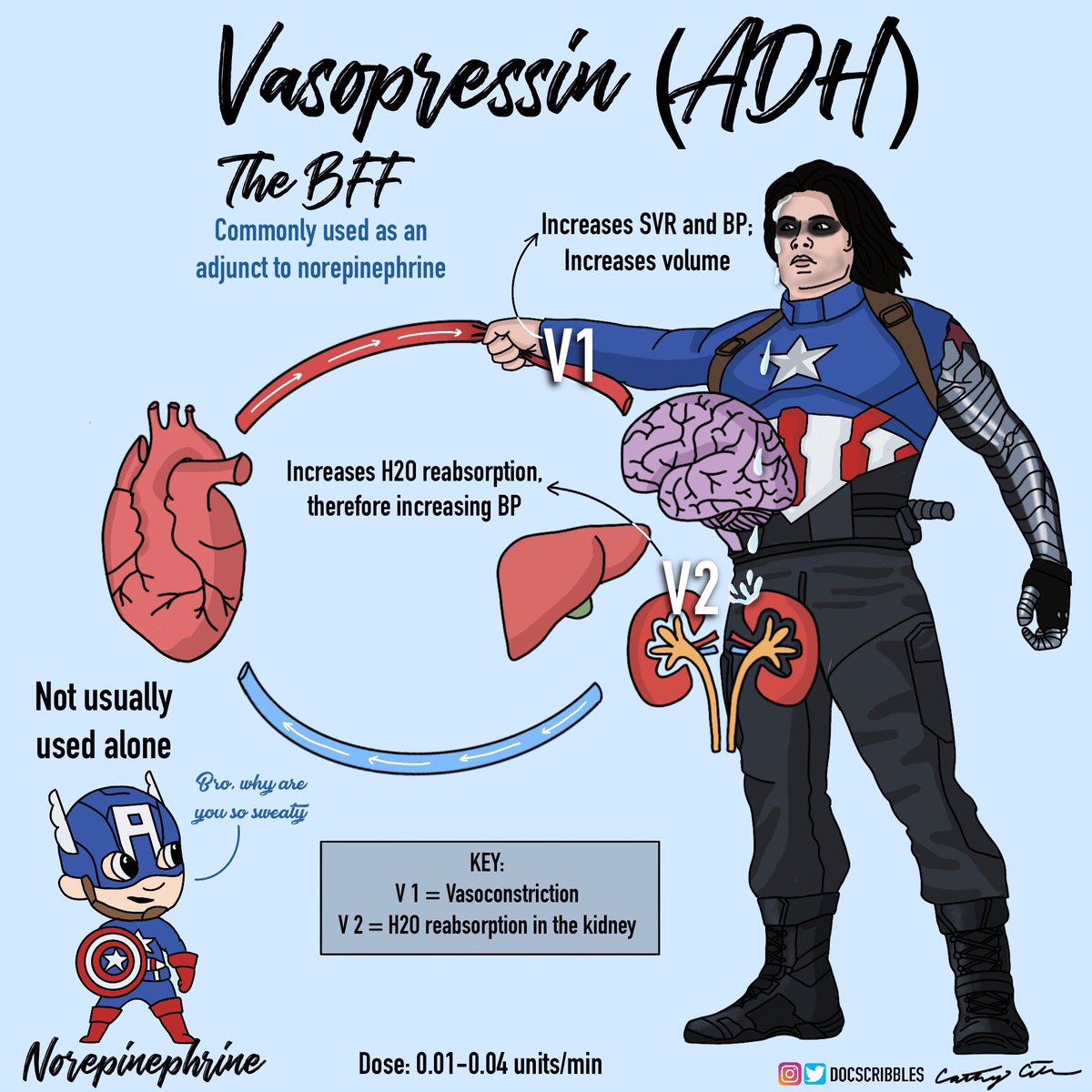
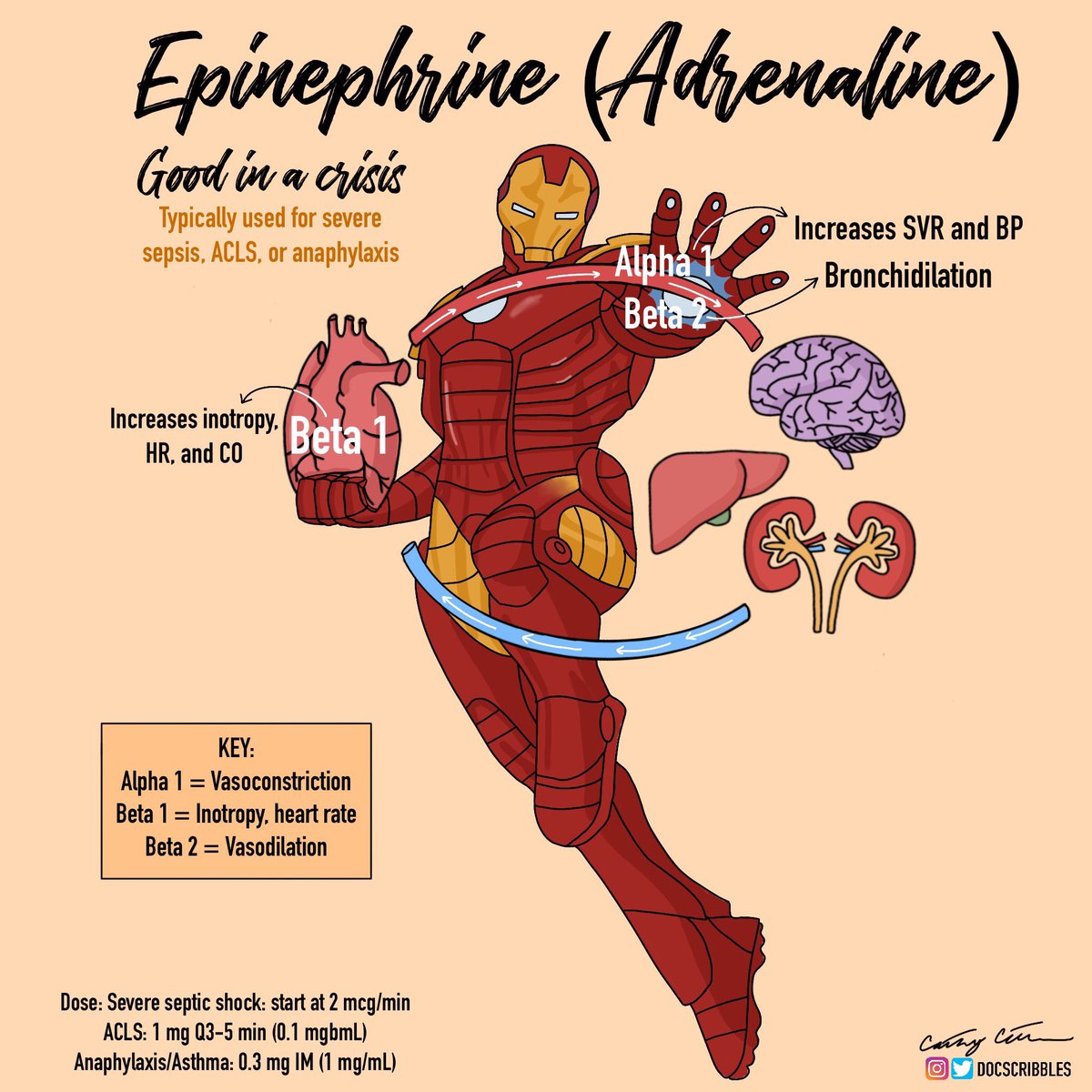
🚨❤️ It's #CPRAEDAwarenessWeek! Nearly 3 out of 4 cardiac arrests happen outside a hospital. Be prepared to take action! Learn Hands-Only CPR and become a real-life superhero. 🦸♀️🦸♂️ Let's create the #NationOfLifesavers, ready to make a difference. ❤️ @ElevanceHealth
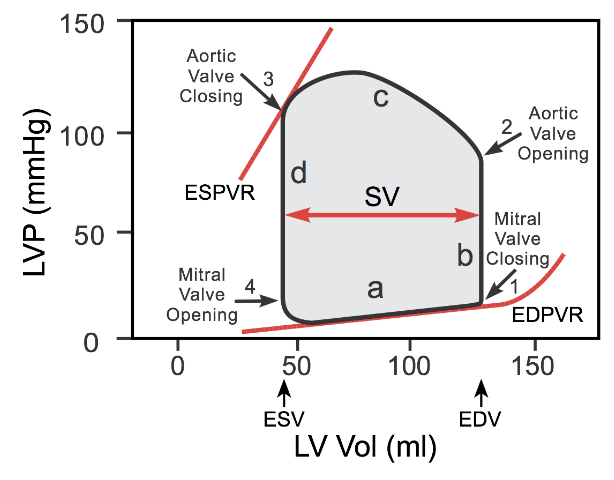
Do you ❤️ hemodynamics? How about PV loops?
Here is Part I of our journey to to help YOU better understand PV loops and make them a little less daunting. Couldn't have done this without ⭐ @TJUHospital resident @jayamj94, and edits from @PSullivan000. Stay tuned for Part 2!