Dr Rajesh Kesari- Consultant Diabetologist- Founder Total Care Control, Dedicated to Diabetes Better control and prevention of complications in Diabetics
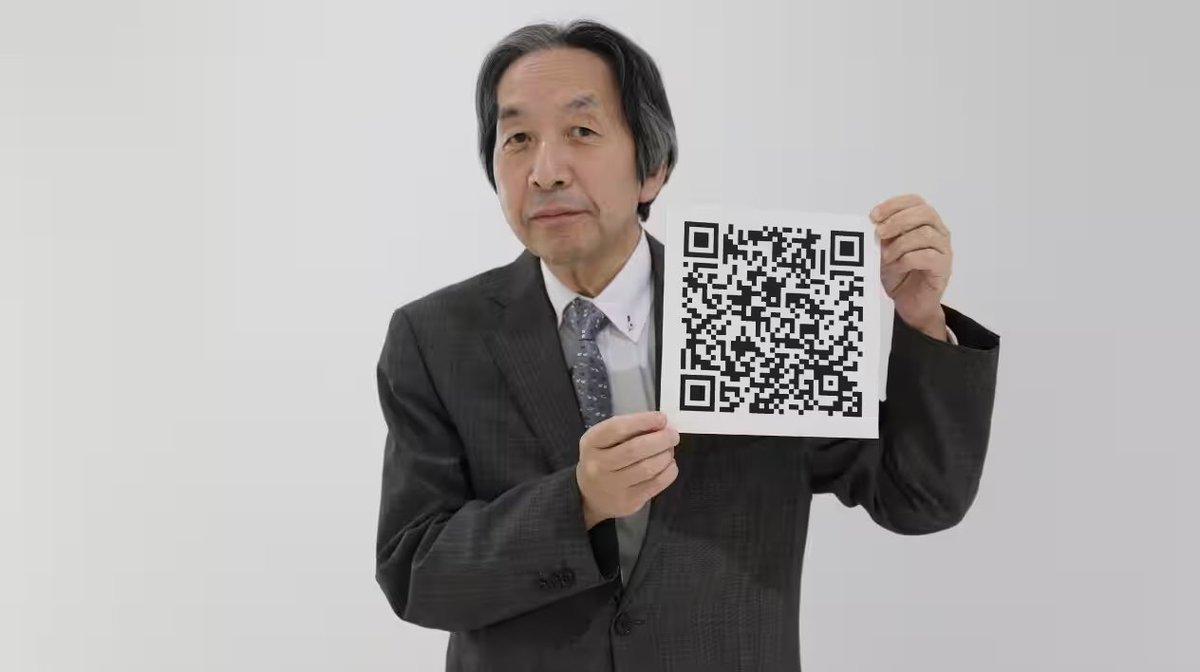
A Japanese engineer invented the QR code for one job, tracking car parts on a Toyota line, then his company chose to give the patent away for free, which is the only reason it ended up on every restaurant table on Earth.
His name is Masahiro Hara. The company was Denso Wave, a parts supplier owned by Toyota.
In 1992 the problem landed on his desk, and it was not glamorous. Workers on the factory floor were drowning.
Every car part had a barcode, but a barcode can only hold about twenty characters, so to track one component they had to stick five or ten barcodes on it.
A worker would stand there scanning a single part ten times in a row. Some of them were scanning close to a thousand barcodes a day. The job had stopped being about building cars and turned into pointing a scanner at stickers all day long.
And there was a second problem nobody upstairs cared about. This was a factory. Oil got on everything. A smudge of grease across a barcode and the whole thing became unreadable, and the line stopped.
Hara was asked to make the scanner faster. He looked at it for a while and realized the scanner was not the problem. The barcode itself was the ceiling. A line of black bars can only hold information going one direction, left to right.
He decided to build something that held information in two directions, up and down as well as across, so it could store hundreds of times more in the same little square.
Then came the part that sounds made up but is not.
Hara played Go on his lunch breaks, the old board game with black and white stones sitting on a grid. He was staring at the board one day and it clicked.
The grid of black and white stones was already a way to store information in two directions. That was the shape of his code.
But building the code was the easy half. The hard problem was speed, because the whole point was to be fast, and a scanner wastes most of its time just trying to figure out where the code is and which way it is turned.
The fix came to him on a train. He was looking out the window at buildings, and one building stood out from all the others because of its shape against the sky. That was the idea.
He put three little square targets in three corners of the code. The moment a scanner sees those three squares, it knows instantly where the code is and how it is rotated, even upside down, even at an angle.
Now here is the detail that shows how far he was willing to go. Those three corner squares only work if nothing else on the page looks like them.
If a magazine ad or a cardboard box happened to have the same black and white pattern nearby, the scanner would get confused and grab the wrong thing.
So Hara and his tiny two-person team went and surveyed printed material. Magazines. Flyers. Cardboard boxes. Piles of it, for days, reducing every picture down to its ratio of black to white area, hunting for the one ratio that almost never shows up in print anywhere. They found it. One to one to three to one to one.
That exact rhythm of black and white is baked into every corner square of every QR code on Earth, and it is there because it is the pattern the printed world almost never produces by accident.
Then he solved the oil.
He built the code so it carries a backup of its own information, spread mathematically across the whole square. You can tear off, smudge, or scratch out up to thirty percent of a QR code and it still scans perfectly, because the code rebuilds the missing piece from the copy it kept of itself.
A worker could get grease on a third of the label and the line would keep moving. This is the same math that lets a scratched CD still play and lets a spacecraft send data back across the solar system without asking to repeat itself.
He finished in 1994. He named it Quick Response, after what it does for the person using it, not after what it is.
And then Denso made the decision that actually mattered.
They held the patent. They could have charged a fee on every single scan, and given how many billions happen now, that would have made someone unimaginably rich.
Instead they announced they would not enforce their rights to collect royalties, and they published the specification openly so anyone could use it. Hara later said it was not even a big argument inside the company.
That one choice is the whole story. A code that costs nothing to use is a code everyone builds on. Airlines put it on tickets. Phone makers built readers into cameras.
Then a pandemic hit and the world needed a way to hand someone information without touching anything, and the free little square that a Toyota engineer built for greasy factory workers was suddenly on every menu, every payment, every door.
Hara still works there. He has said, more than once, that he never imagined it would spread this far, and that the part he is proudest of is that it got used to keep people safe.
The man built it to survive oil on a factory floor. It ended up surviving everything else too.
You have scanned his work a hundred times this year. Now you know whose it was.
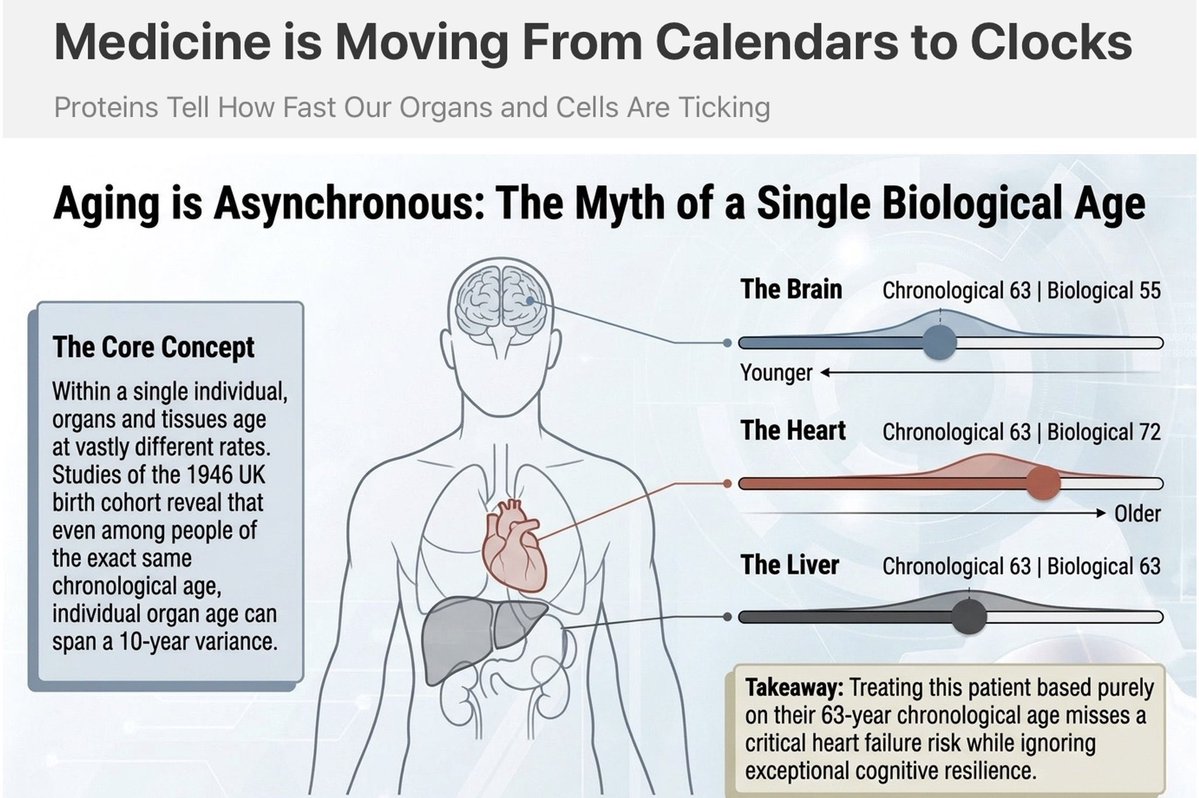
Yaşlanma Asenkron👇
Bir insanın kronolojik yaşı 63 olsa bile
✔️Beyni 55 yaşında çalışıyor
✔️Kalbi 72 yaşında
✔️Karaciğeri ise tam 63
Aynı vücutta organlar 10 yıla varan farklarla yaşlanıyor.
1946 İngiltere Doğum Kohortu (NSHD) ile yapılan çalışma (Groves ve ark., 2025) bunu açıkça ortaya koydu.
Proteomik analizlerle ölçülen organ yaşları, kronolojik yaştan bağımsız olarak gelecekteki hastalık ve ölüm riskini güçlü şekilde öngörüyor.
Tıp artık takvimden saate geçiyor.
Hastayı sadece kronolojik yaşına göre tedavi etmek, kalp yetmezliği gibi kritik riskleri gözden kaçırırken, bilişsel rezilyansı da ıskalıyor.
Kişiselleştirilmiş tıp için proteomik saatler vazgeçilmez hâle geliyor.
#Longevity #PrecisionMedicine #BiyolojikYaş
🦴 A new shot literally regrows knee cartilage.
Stanford Medicine researchers report a promising new approach for regenerating knee cartilage and preventing osteoarthritis.
How do they do it?
By blocking an age-associated enzyme called 15-hydroxy prostaglandin dehydrogenase (15-PGDH), a “gerozyme” that rises with age.
In mice, systemic or locally injected small-molecule inhibitors of 15-PGDH thickened worn knee cartilage and restored smooth, functional hyaline (articular) cartilage without relying on stem cells. Instead, existing cartilage cells (chondrocytes) were “reprogrammed” toward a more youthful gene-expression profile, decreasing inflammatory and cartilage-degrading cell subtypes and increasing cells that support healthy articular cartilage and its extracellular matrix. The same inhibitor also countered age-related cartilage loss in animals and improved joint function.
The treatment further showed strong protective effects in mouse models of anterior cruciate ligament (ACL) injury, dramatically reducing the development of post-traumatic osteoarthritis when given as repeated injections after injury. Human osteoarthritic knee tissue obtained during joint-replacement surgery similarly responded to 15-PGDH inhibition in the lab by lowering expression of degradation markers and initiating new articular cartilage formation. Because an oral 15-PGDH inhibitor has already passed Phase 1 safety testing in humans for age-related muscle weakness, the authors are hopeful that clinical trials in joint disease will follow, potentially paving the way for non-surgical, cartilage-regenerating therapies that could delay or replace knee and hip replacements.
Reference:
Blau, H. M., & Bhutani, N. (2026) Anti-aging injection regrows knee cartilage and prevents arthritis. SciTechDaily.
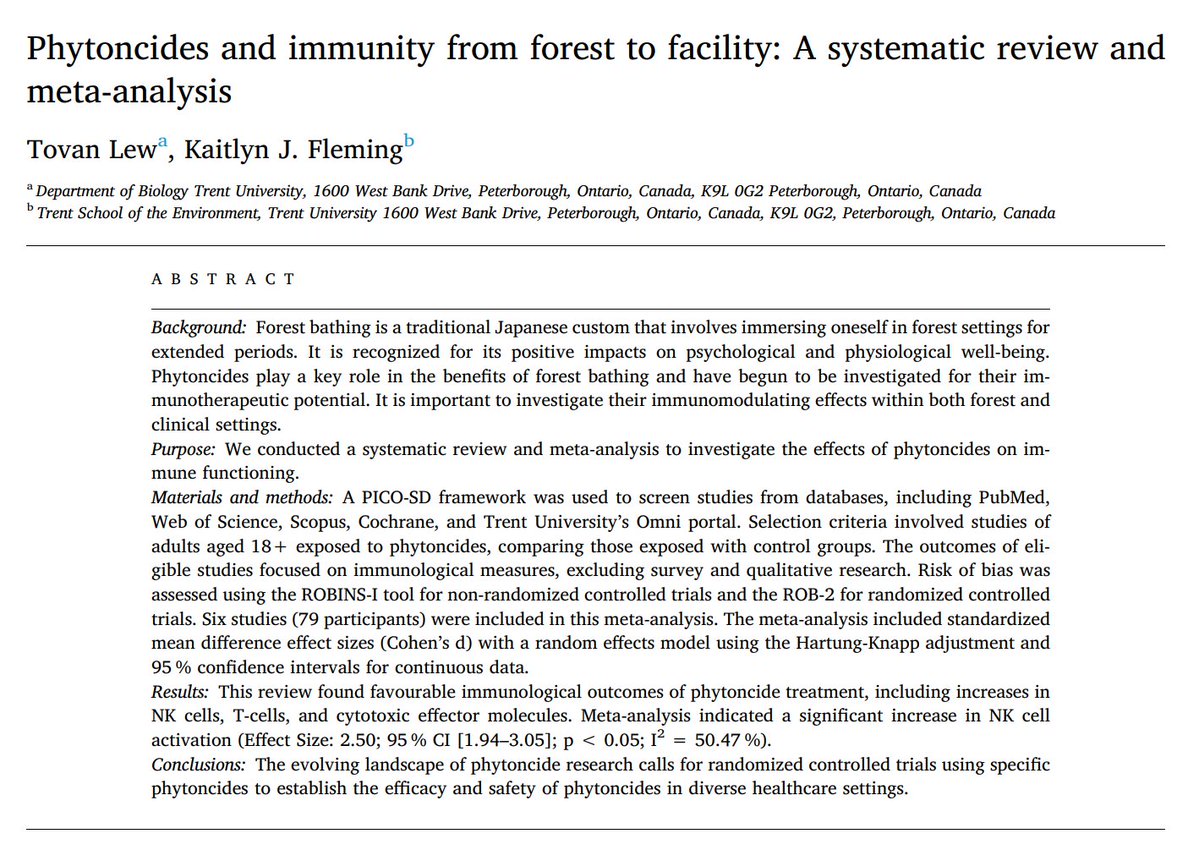
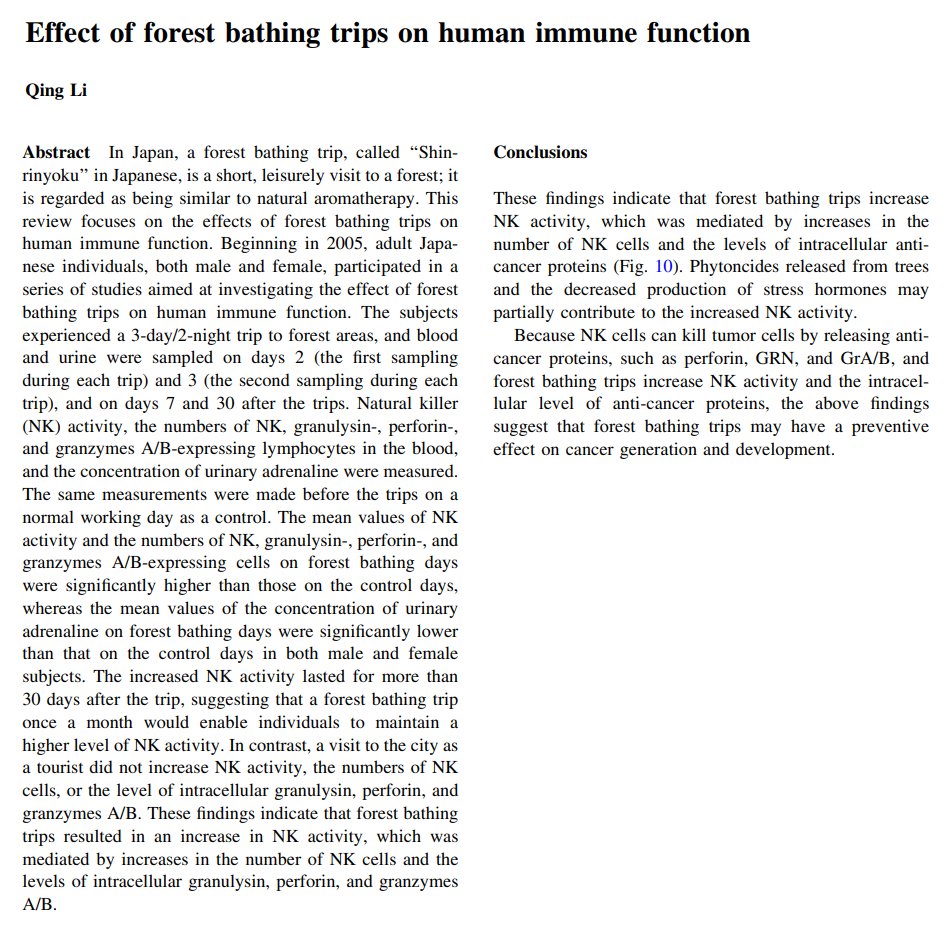
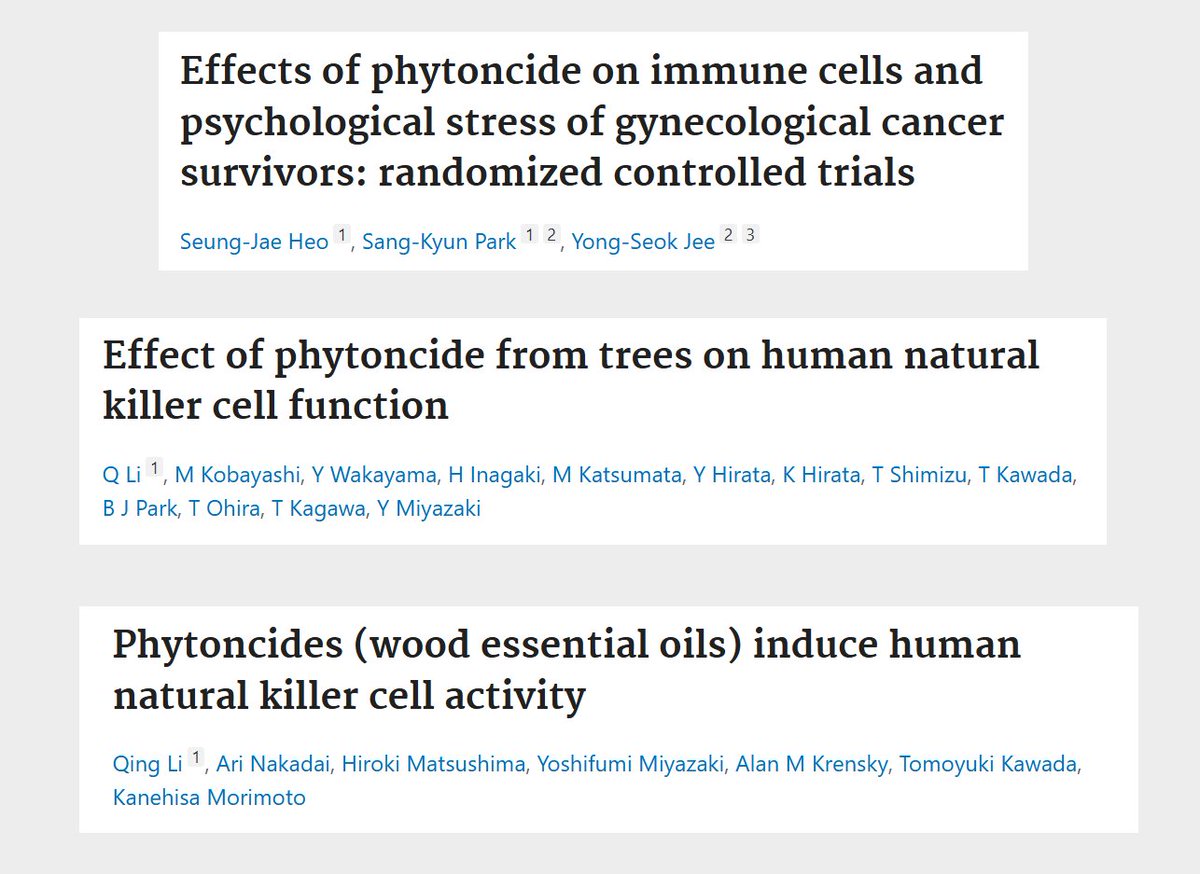
Una de las vías por las que beneficia estar en la naturaleza es la inhalación de fitoncidios, compuestos volátiles liberados por plantas y árboles.
En cierto modo, estás esnifando verdura.
Puede aumentar significativamente el número y la actividad de células antitumorales y antivirales (células NK: Natural Killer); reduce los niveles de hormonas de estrés como cortisol, adrenalina y noradrenalina; y además disminuye la inflamación, baja la presión arterial, mejora el estado de ánimo y puede ayudar a aliviar el dolor crónico.
For years, conventional wisdom held that skin improvements among patients on GLP-1 medications were a byproduct of weight loss, which reduces inflammation. But doctors are spotting a much more complex reality — and new research supports their observations.
At the University of Pittsburgh Medical Center (UPMC) in Pittsburgh, Pennsylvania, dermatologist Joe K. Tung, MD, MBA, noticed dramatic changes in his patients with psoriasis just starting a GLP-1. Their plaques began “melting away” within 2 days. “That’s too fast for that to be a weight-loss effect,” he said. “The next step for me was just thinking, could this mechanistically be plausible?” More on the findings: https://t.co/oFnbZ7M2iF
Scientists have confirmed something extraordinary about human connection our eyes can actually “talk.” New research reveals that the brain can instantly tell the difference between a simple glance and a gaze filled with intent. In just a fraction of a second, our neural circuits decode whether someone’s look is casual, curious, or deeply meaningful.
This study sheds light on how nonverbal communication shapes every human interaction. The moment we lock eyes with someone, the brain’s social processing centers activate, analyzing micro-movements, pupil changes, and emotional cues. It’s a silent language that conveys trust, attraction, empathy, or even caution without a single word being spoken.
Researchers found that eye contact triggers a surge in brain activity, especially in areas linked to emotion and decision-making. This response happens faster than conscious thought, suggesting our brains are wired to interpret visual intention instinctively. It explains why a look from someone close can calm us instantly, or why a stranger’s stare can feel uncomfortable.
This discovery redefines how we understand human relationships. Our eyes aren’t just tools for seeing they are active transmitters of emotion, honesty, and awareness. In digital times where much of communication happens behind screens, this research reminds us of the ancient power of genuine eye contact.
A glance can be fleeting, but an intentional look can speak volumes. Science now proves that our eyes truly are windows to the soul and the brain is the interpreter behind every silent conversation.
A nation of 1.4 billion people and a leading voice of the Global South deserves a greater role in safeguarding global peace and security. The time has come for a more representative, credible, and effective UN Security Council.
#IndiaForUNSC#UNSC2028#ReformedMultilateralism
Your workout may be shaping how efficiently your brain maintains itself, a process increasingly linked to long term cognitive resilience rather than fitness alone.
Exercise may strengthen the brain's glymphatic system through sleep, vascular, and inflammatory pathways.
Animal studies reported up to 90% age related decline in glymphatic flow, highlighting why prevention likely matters most.
El contacto con la naturaleza reduce significativamente el estrés, la ansiedad y la depresión, como muestra un nuevo gran análisis que incluye 116 revisiones sistemáticas con 3.870 estudios y más de 10 millones de personas.
Ejercicio + Sol + Entorno natural = La mejor medicina. Es decir: darle a tus genes lo que "esperan", seguir hábitos evolutivamente coherentes.
Want to slash your heart attack risk by 31%?
Stop obsessing over the number on the scale.
Instead, look at the quality of the muscle around your torso.
A new AI-powered analysis in Radiology studied chest scans from over 1,700 patients and found something surprising:
It’s not the size of your back, chest, and rib muscles that protects your heart. Rather, it’s their density.
Denser muscle means less fat infiltration inside the tissue. For every 10-point increase in muscle brightness on the scan:
• 31% lower risk of heart attack
• 39% lower chance of dying in the next decade
Low muscle quality creates a vicious cycle: more hidden fat → inflammation → higher cardiovascular risk, even if you’re not “overweight.”
The fix?
Build better torso strength with:
• Planks
• Rows
• Push-ups
• Pilates
• Cycling or daily walking. (For aerobic benefits)
Focus on quality tissue over quantity on the scale.
Your heart will thank you.
What’s one move you’re adding this week to strengthen your core and back?
(Radiology journal AI study, 1,700+ patients)
The most powerful health interventions work because they improve multiple biological systems at once, not just a single risk factor.
Regular exercise does far more than strengthen muscles. This review highlights benefits spanning lipid metabolism, immunity, the gut microbiome, and autonomic function, while current guidelines recommend 150 minutes/week of moderate activity.
The greatest performance advantage comes from building resilience across systems, not optimizing one metric.
🍲 You Don’t Have to Ditch Rice or Potatoes to Tame Blood Sugar
What if a simple swap could slash glucose spikes from your favorite carbs—without giving them up?
I love this evidence-based hack: lentils.
In a randomized crossover trial, replacing just half the carbs with lentils cut the relative glucose response by 20% with rice and 35% with potatoes.
The benefit doesn’t stop there. Thanks to the second-meal effect, your next meal several hours later also produces a lower glucose response.
Lentils’ fiber, protein, and resistant starch slow digestion and create lasting metabolic stability.
Easy swaps to try:
• Mix lentils into rice dishes (1:1 ratio)
• Add them to potato soups or roasts
No extreme restrictions needed—just smarter pairings for steadier energy and better metabolic health.
Action step:
Test this at your next meal and note how you feel. Share your favorite lentil-carb combo in the comments!
What carb will you pair with lentils this week? 👇
#BloodSugar
#Lentils
#MetabolicHealth