Presented at #PAS2024:
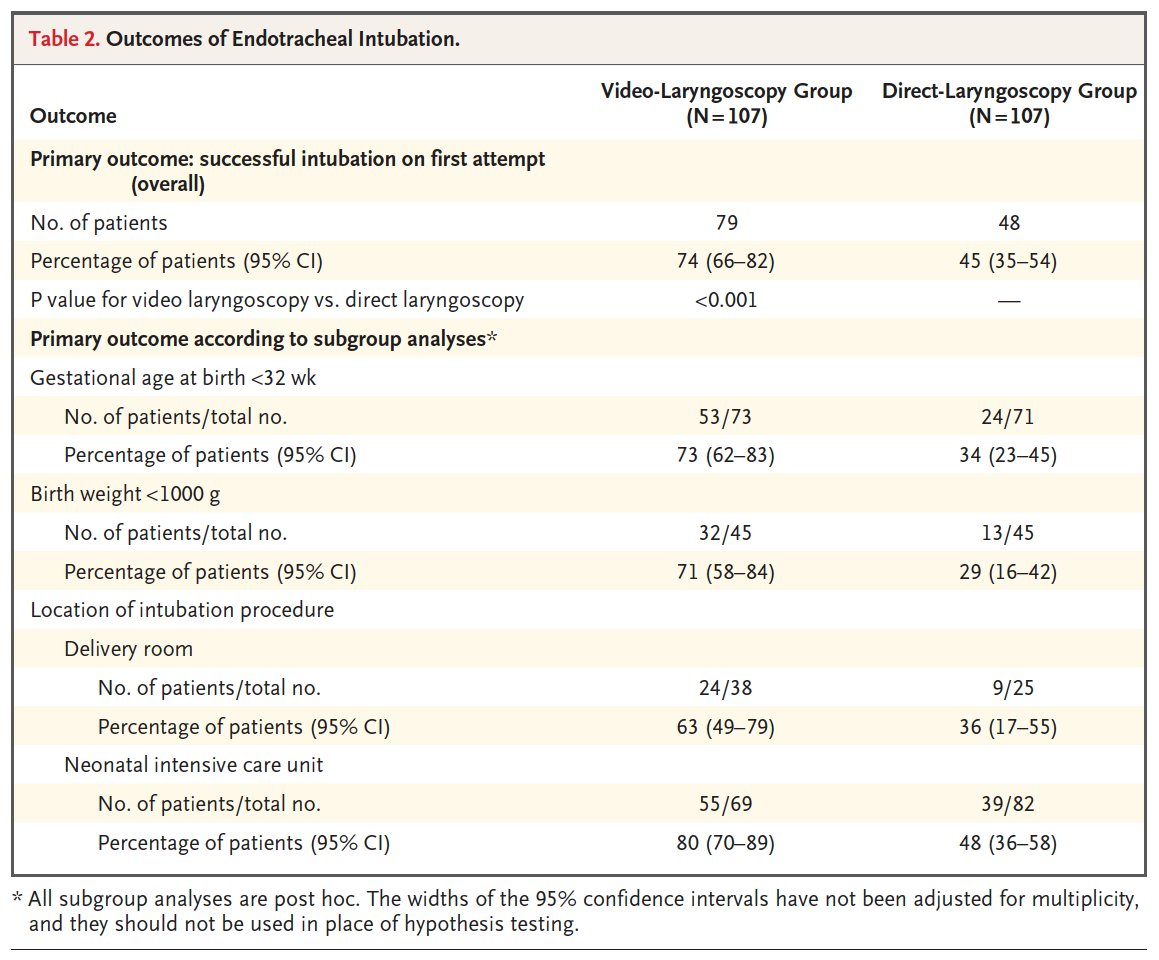
Intubation in neonates is challenging, and repeated attempts are associated with adverse events. Among neonates undergoing urgent intubation, video laryngoscopy resulted in more successful first attempts than direct laryngoscopy. https://t.co/wRywKSRg8u
Plan by @swasFT to introduce pre-hospital anaesthesia air-ambulance teams without a doctor on board. Is this appropriate? We want to start this discussion now.
https://t.co/ozU2B4PJS9
Pediatric Cardiac Arrest
If neurologically intact survival is your goal (it is!), then the right move is to perform resuscitation on scene.
Exactly as we do for adults.
The old “scoop & run” strategy with peds cardiac arrest was based in our fear, and must be discarded.
There are reputable and safe programs that voluntarily elect not to seek CAMTS accreditation. Ones that come to mind are DC Children’s National and PennSTAR.
Does anyone have insight as to why?
I think people are missing the point here. The tension between stability and transport happens where the patient is located. Do the EKG, place the IV etc on scene. Once your in the truck you should be moving, unless you need the driver to perform an intervention (ex RSI).
@emtrnmd Creighton has a 2 week in person program but NEMTC, based in Mass, is an online program (sans clinicals, of course) that is very well regarded.