Interesting paper that shows different neurodegenerative diseases (classified only by symptoms) are just different ubiquitination profiles of the same protein. Maybe imprecise definitions and targets obscure the discovery of useful models of diseases https://t.co/kA2DkNRHQs
Very excited / nervous to release the introduction of Smoke & Mirrors out into the world 😬🙌
Now freely available on my website, for you to download, read and (hopefully) enjoy!
(if you like it, a wee pre-order guarantees you a copy come April 23rd 😉)
https://t.co/pJClq3nr4n
Interesting the difference in public attention given to two antibiotic papers out this week. One old fashioned natural product mining in actinomyces (brought up to date) while the other machine learning in e.coli. Great to see, but isn't the problem here making $$$? #amrcrisis
Climate change dialogue would be better if people stopped assuming that scientific certainty about anthropogenic climate change and the urgency of addressing it entails scientific certainty about HOW to address it.
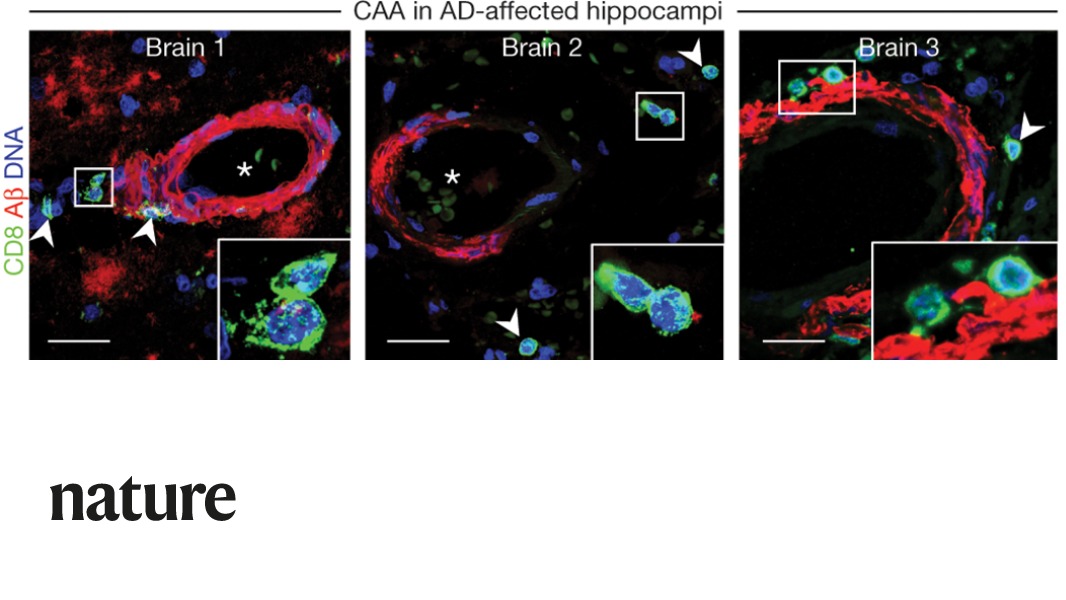
An analysis of several cohorts shows that clonal, antigen-experienced T cells are found in the cerebrospinal fluid of Alzheimer’s patients, suggesting that the adaptive immune system has a role in age-related neurodegeneration, a Nature paper reports. https://t.co/7JoK27xtL9
Really enjoyed the nature biotech podcast with @glostaman- what a fascinating story. Great to hear about the Gloucester Biotechnology Academy also. https://t.co/oq8UfFzAaU
This is one of STAT's most widely read stories from 2019. A must read:
The maddening saga of how an Alzheimer’s ‘cabal’ thwarted progress toward a cure for decades. https://t.co/cKYyudP5Pz via @statnews@sxbegle