🚨⚡️ UNUSUAL:
The first-ever BRICS banknote revealed!
At the St. Petersburg Economic Forum (SPIEF), a 200-ruble experimental note was unveiled, featuring the flags of the founding BRICS nations.
-: The US dollar is trembling... 💵🔥
The Epstein files email that everyone missed…
@esaagar is on Flagrant right now breaking down how the new files are more evil that we thought and who’s the next Epstein. INDULGE!
🚨⚡️ Historical clip worth rewatching: President Putin on Russia potentially joining NATO, George W. Bush laughing, and why Moscow views NATO as an anti-Russia bloc—not a “defensive alliance.” This one explains a lot. 👇
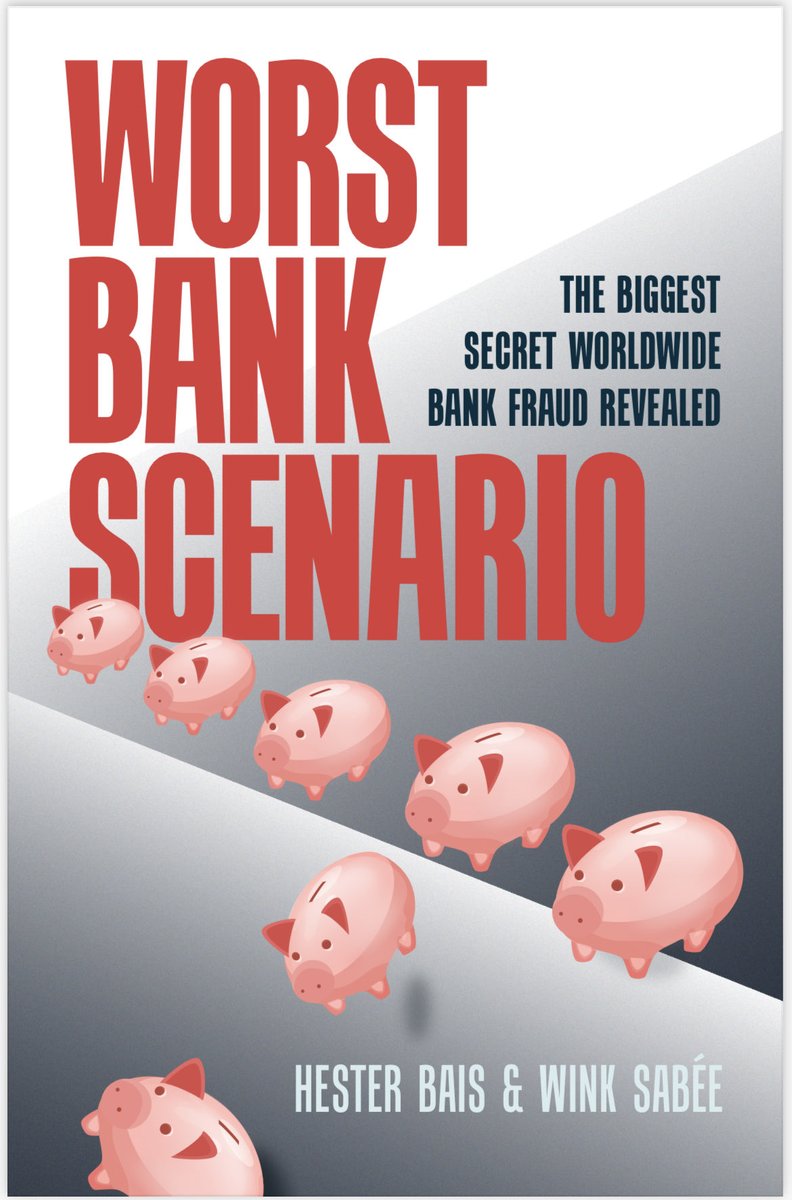
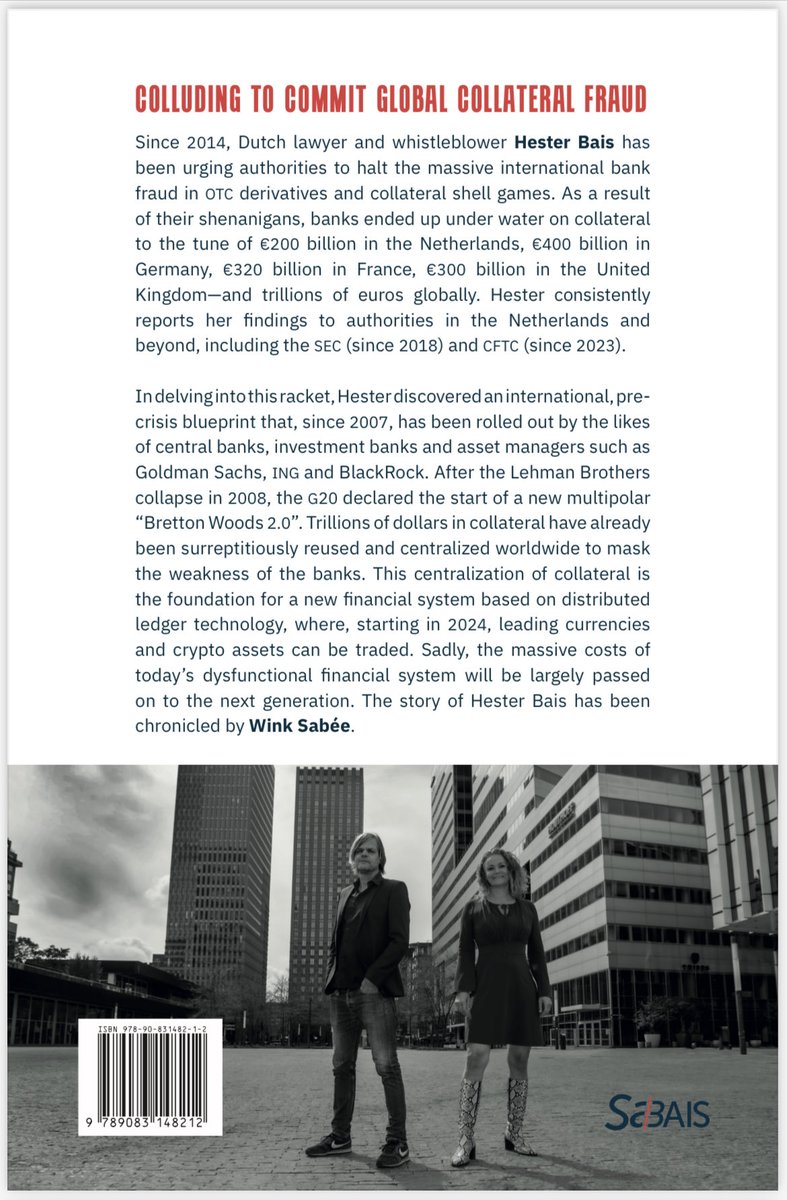
Thanks for reposting this insightful interview with Kevin Warsh. As someone who’s spent years documenting the structural fragilities in our monetary/banking system (Worst Bank Scenario), I listened closely to Warsh’s emphasis on an impending “productivity boom” (AI-driven) that would naturally shrink the Fed’s bloated balance sheet, allow lower rates, and keep inflation “so low nobody even talks about it.”
It’s an optimistic, supply-side narrative: unleash innovation, redirect “largesse” from big firms to households/SMEs, unwind QE-era excesses, and achieve stable growth without inflation fears. Warsh frames this as the path to “regime change” at the Fed—sensible on the surface, especially post-nomination.
But the interview (and Warsh’s recent commentary) is strikingly silent on core mechanics that enabled the very system he’s now critiqued for overreach.
No mention of:
1. The Fed’s abrupt discontinuation of M3 publication in 2006—right as Warsh joined the Board. M3 captured broad money/credit creation exploding via shadow channels (OTC derivatives, securitization, repo). Removing it obscured the buildup to 2008. Convenient timing? Or just “methodological irrelevance” in a deregulated world? Either way, transparency on aggregate money was sacrificed precisely when leverage was peaking.
2. The real driver behind QE’s scale and persistence: not just counter-cyclical stimulus, but emergency collateral patching for massive under-collateralization across banks, insurers, and pension funds. Post-gold standard, internet-enabled opacity in OTC derivatives, maturity mismatches, and repo/securitization chains created trillions in hidden shortfalls. QE filled those gaps via central bank balance sheets—sustaining the system Warsh worked in at Morgan Stanley (his pre-Fed employer, a leader in that innovation wave).
Warsh was on the Board during Bear Stearns, Lehman, and the liquidity panic: he knows margin calls, collateral haircuts, and derivatives exposures firsthand. Yet in discussing balance sheet unwind today, he attributes future stability to productivity magic without addressing how shrinking reserves risks repeating 2019 repo stresses… unless the underlying collateral fraud patterns (rehypothecation chains, hidden credit via swaps on SMEs/public entities) are confronted.
This selective framing raises the question: Is Warsh naïve about these structural realities, or strategically playing within the game to secure confirmation and influence?
His insider credentials (Morgan Stanley M&A, Bush White House, Fed crisis era, Duquesne/Druckenmiller, Hoover, Bilderberg ties) suggest the latter.
He critiques Fed bloat and QE distortion more than most establishment voices; yet stops short of the fundamental overhaul needed: derivatives transparency, collateral chain reforms, money aggregate visibility.
Productivity booms are welcome, but they won’t fix a system built on unacknowledged leverage dependencies and liquidity backstops.
If Warsh truly wants “regime change,” he’d engage directly with the collateral nexus and opacity issues that QE masked, not pivot to AI optimism as a clean escape hatch.
Your interview captures Warsh’s polished vision well, Peter. But from where I stand (documenting EUR 200 billion+ Dutch/EUR 2000 billion+ EU under-collateralization alone post-2008), it feels like narrative alignment over full reckoning.
#Fed #MonetaryPolicy #QE #Derivatives #Collateral #Reserves #ProductivityBoom #DLT #Crypto #Bitcoin #Gold #Whistleblower
🚨 The surveillance state just got an upgrade, and nobody is really talking about it. 🚨
I sat down remotely in conversation with investigative journalist @imelizabethlane where she hosts a high-stakes discussion with me as a former NSA senior executive turned whistleblower and George @zarkadakis as an AI expert and author, regarding the terrifying convergence of unchecked Artificial Intelligence and mass state surveillance.
We’ve heard the warnings about AI, but it’s high time to expose its new reality.
The merger of Big Tech AI and Government Surveillance isn’t coming. It’s already here.
And they aren't just predicting the future — they’re explaining how your data is being weaponized against you right now.
But what happens when predictive algorithms are given the keys to national security?
We dissect the "Hidden Mechanisms" of modern control — moving beyond all the AI hype to discuss the real-world implications of an automated security state.
This is one of the most important conversations on digital liberty you can watch and hear this year.
https://t.co/8AvOWpyYyi
Sharing some thoughts from the week. It’s been a big year, a lot of global chaos but a lot of good things too.
If you were to describe this year in one word what would it be?