We’re collaborating with @truveta, @illumina, and U.S. health systems to create the largest, most-diverse genetic database of electronic health records and linked genetic data to advance scientific innovation and healthcare delivery.
Abstract submission for #eshg2025 is open! The Scientific Programme Committee invites abstracts to be submitted for inclusion in the programme as posters or oral presentations until 30th January 2025. More information found on the conference website: https://t.co/26f98JvQEx
The unique thing about GLP1RAs is that these drugs are not going away despite whatever hysteria is drummed up by skeptics . Unlike most drugs (eg, statins), people desperately want them, not because they will reduce the risk of serious chronic disease (they will)
Introducing a new method called REMETA from the Regeneron Genetics Center (RGC) @RegeneronDNA for meta-analysis of gene-based tests using summary statistics https://t.co/Bv3pqMB1iy This is great work from Tyler Joseph. Pre-print is here
https://t.co/CffQXSZPv2
Happy to see the Sparse Burden Association Test (SBAT) published in @AJHGNews! Great teamwork with @joellembatchou, @marchini, and colleagues at the RGC. It feels special, as it was my very first project @RegeneronDNA.
Whole genome sequencing (WGS) and whole exome sequencing (WES) have championed genomic discovery, but how do they compare? Published in @Nature, our team analyzed ~150K @uk_biobank participants to study WGS vs. WES, and their impacts on discovery in genetic association studies.
Excited to share our latest work from @ceclindgren lab! We combine rare variant testing 📊 + CRISPR KO ⚡️ in human adipocytes to nominate new therapeutic targets for obesity and fat distribution ✨
🧵 [1/9] https://t.co/btVxzOShMh
1 week left to apply to join our statistical genetics team at the @IMS_MRL. Junior or senior scientist opportunities available. Please get in touch if you'd like to discuss further https://t.co/fTpmfNa0EV
Finally, we now know exactly which region and cell types in the brain are mediating the actions of GLP1R agonists.
As many suspected, it's not the hypothalamus where the magic happens. It's brain stem, particularly a region called dorsal vagal complex (DVC).
Two GLP1R containing neuronal populations in the DVC suppresses appetite and stimulates nausea resulting in weight loss, when activated by GLP1 (or its analogues). One innervates the area postrema (AP) region and the other, nucleus tractus solitarius (NTS) region.
The fascinating part here is the two neuronal populations are strikingly distinct. One of them, AP neurons, contribute to aversive effects (i.e., nausea and vomiting) and the other contribute to satiety effect. So, theoretically, by delivering specifically to NTS neurons, one can eliminate the nausea and vomiting side effects of GLP1R agonists.
Mind-blowing dissection of an intricate biology of GLP1 signaling in the brain by Huang, Alhadeff and colleagues from Monell Chemical Senses Center, Philadelphia.
Huang et al. Nature
https://t.co/b43SyCTCRo
As psychiatrists, we are failing our patients.
We prescribe medications and wonder why adherence is an issue.
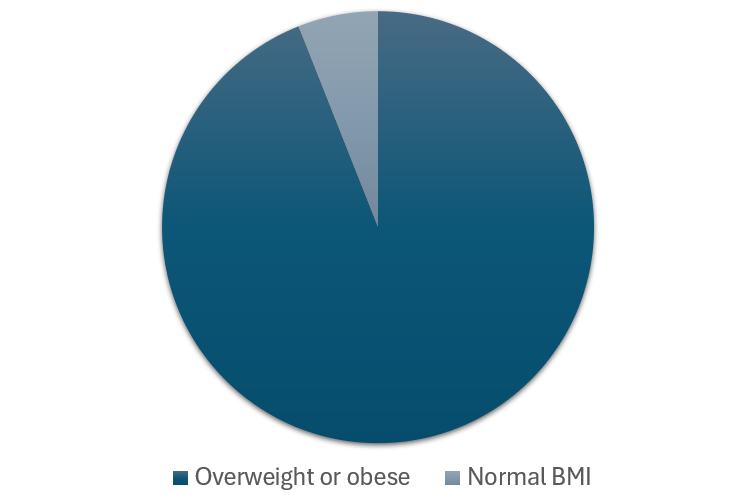
It’s obvious when we see that 94% of people on these medications are overweight or obese.
🧵1/10
Submit your DNA Day Essay Today! ✍️📝 The submissions site is open to give your responses to the interplay of genetics and the environment. Winners will receive up to $1,000 and a matching lab equipment grant. The deadline is March 6; apply now: https://t.co/2BjQ0InqDL #ASHG
The future of team RGC is bright.
With a decade of genomic exploration under our belt, we look ahead to the potential of our ongoing research and collaborations. As we enter 2024, we’re excited for another year of novel discoveries driven by the power of genetic diversity.
From a cross-ancestry GWAS meta-analysis, authors @Cnspracklen, @vishalsarsani & colleagues identified 22 loci linked to adiponectin levels in ≤46,434 individuals. Read the full article from @HGGAdvances: https://t.co/JwhwJEsby8 #GeneticResearch#ASHG
The Biology Department at Detroit Mercy is hiring a tenure track faculty! I am happy to talk to anyone about ate position, the institution, etc.
https://t.co/DwUfim7TLk
Please share and RT!
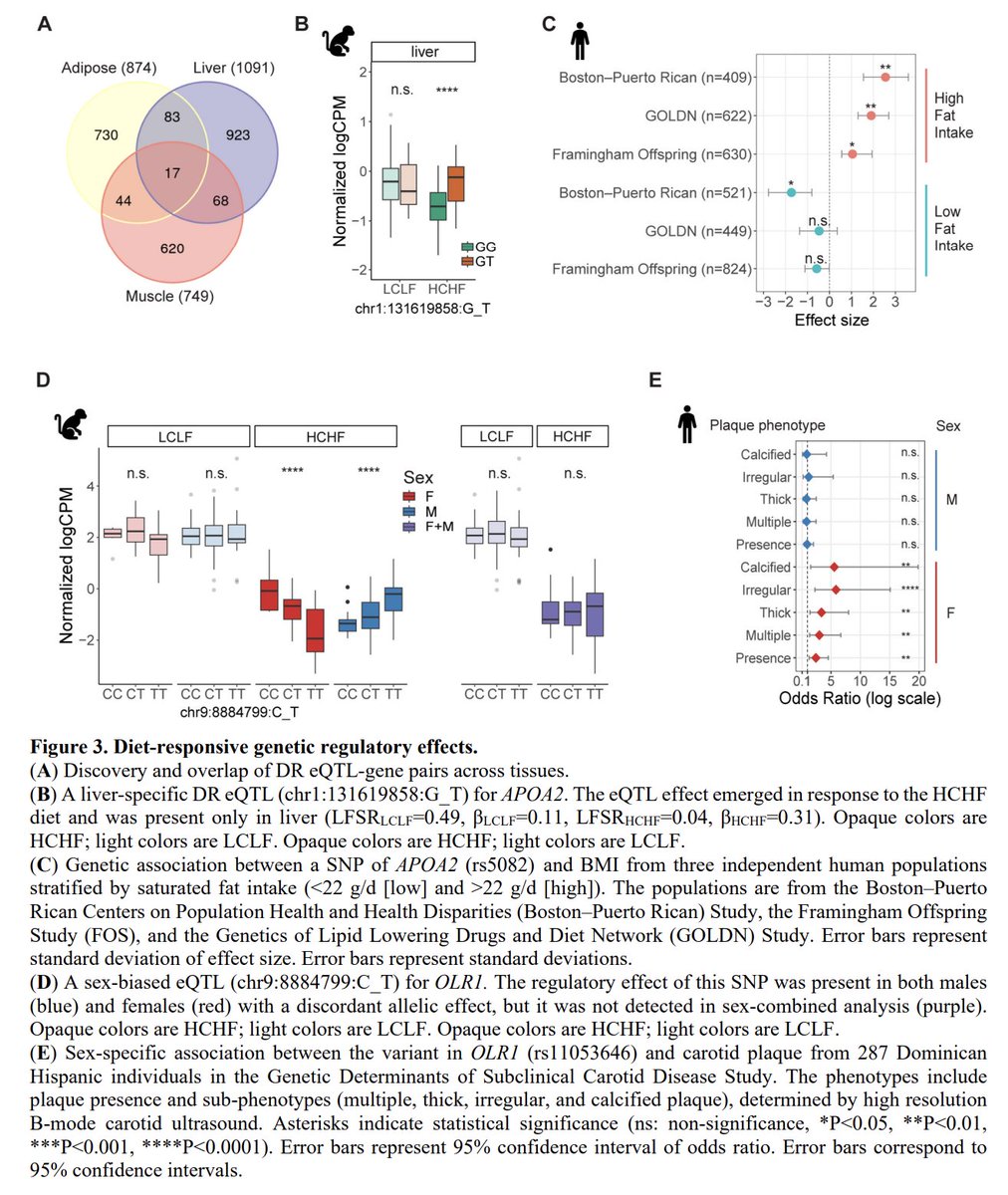
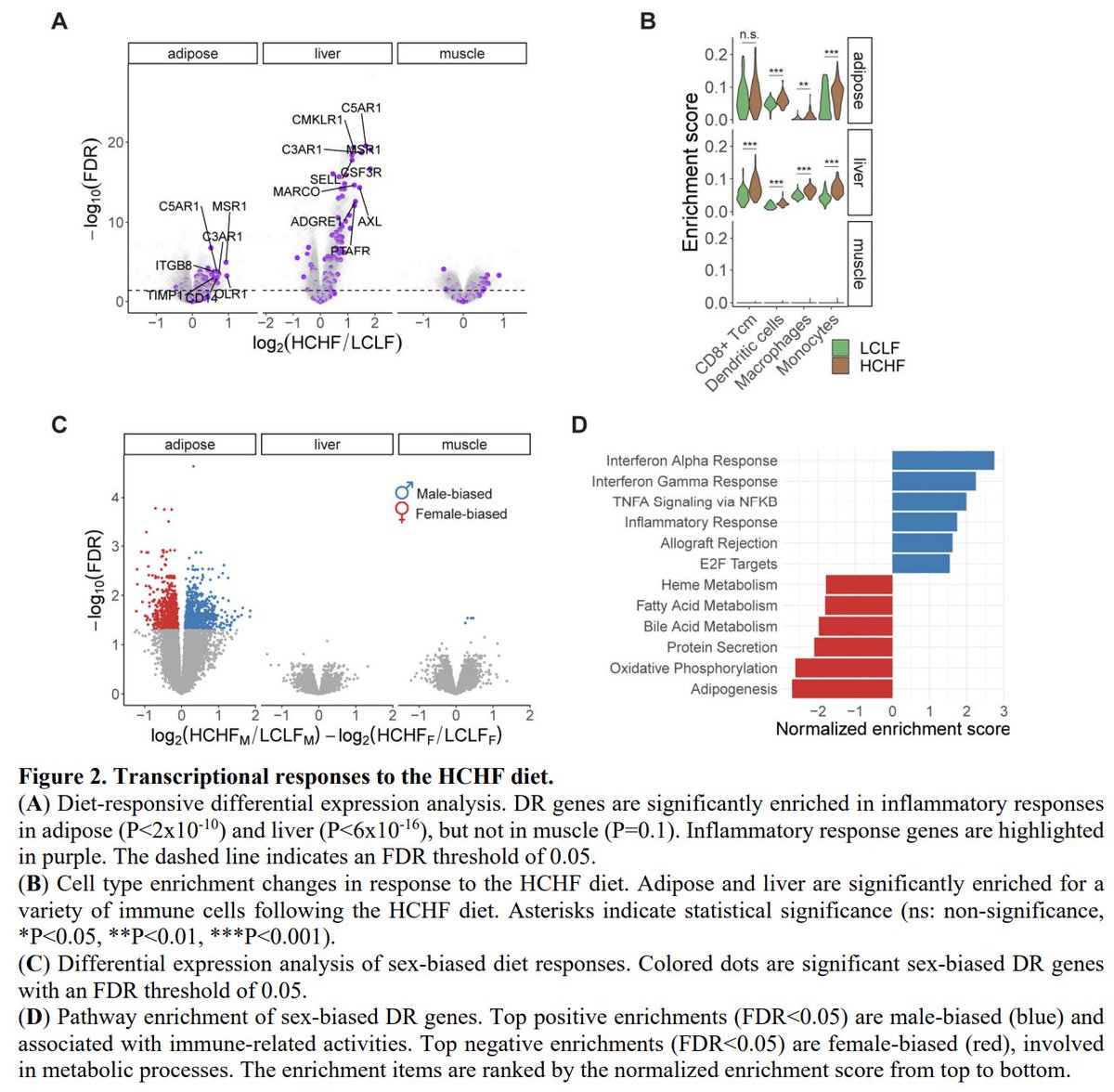
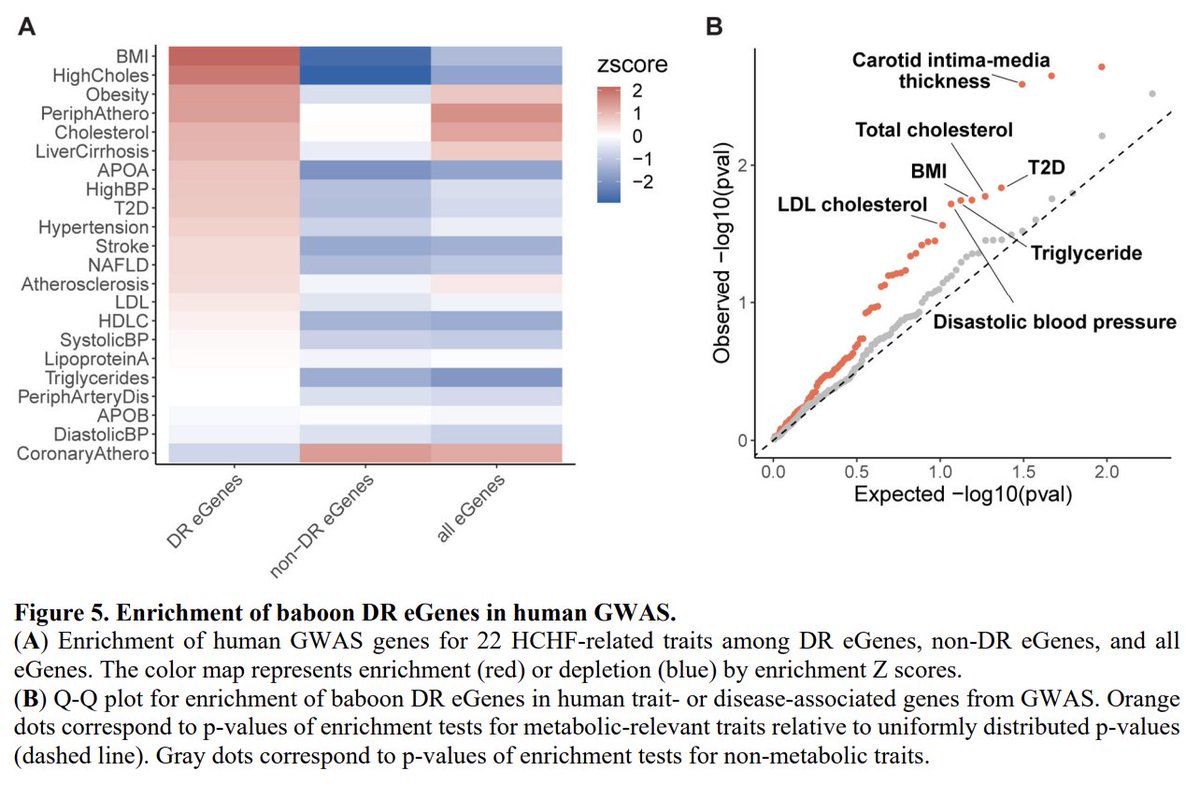
Wow, really cool study. Regulatory variants responsible for high-fat/high-cholesterol dietary influence on gene expression across tissues among baboons are enriched for cardiometabolic-associated GWAS variants in humans not always explained by standard eQTLs. https://t.co/KTbOmMYDJQ @biorxivpreprint
The deadline is fast-approaching! Process is a bit unusual - you apply and see the possible projects in Jan, interview in person in Feb. App is easy, and RGC has some great projects. The one with our group will be dry (integrative genomics) + wet (CRISPR screen) work. Apply now!
Are you driven by your passion for science and looking to learn from a team of industry-leading geneticists? If so, our Postdoctoral Training Program may be for you. Applications are now open. Apply by December 1.
Come get to know team RGC and celebrate a decade of collaboration and exciting genetic discoveries. Sip, snack, and socialize at our #ASHG23 networking event this Friday night at the Marriott Marquis.