A bug geek who loves rolling prairies and dark chocolate. Research Scientist with the Canadian Forest Service. Tweets are my own and not those of my employer
Insect production & quarantine scientist Dr. Amanda Roe (@docaroe) is someone else to follow. Her research helps us understand the impact of #InvasiveSpecies like the spotted lanternfly, ultimately helping us protect Canada's forests.
https://t.co/Pt8n7iTUUW
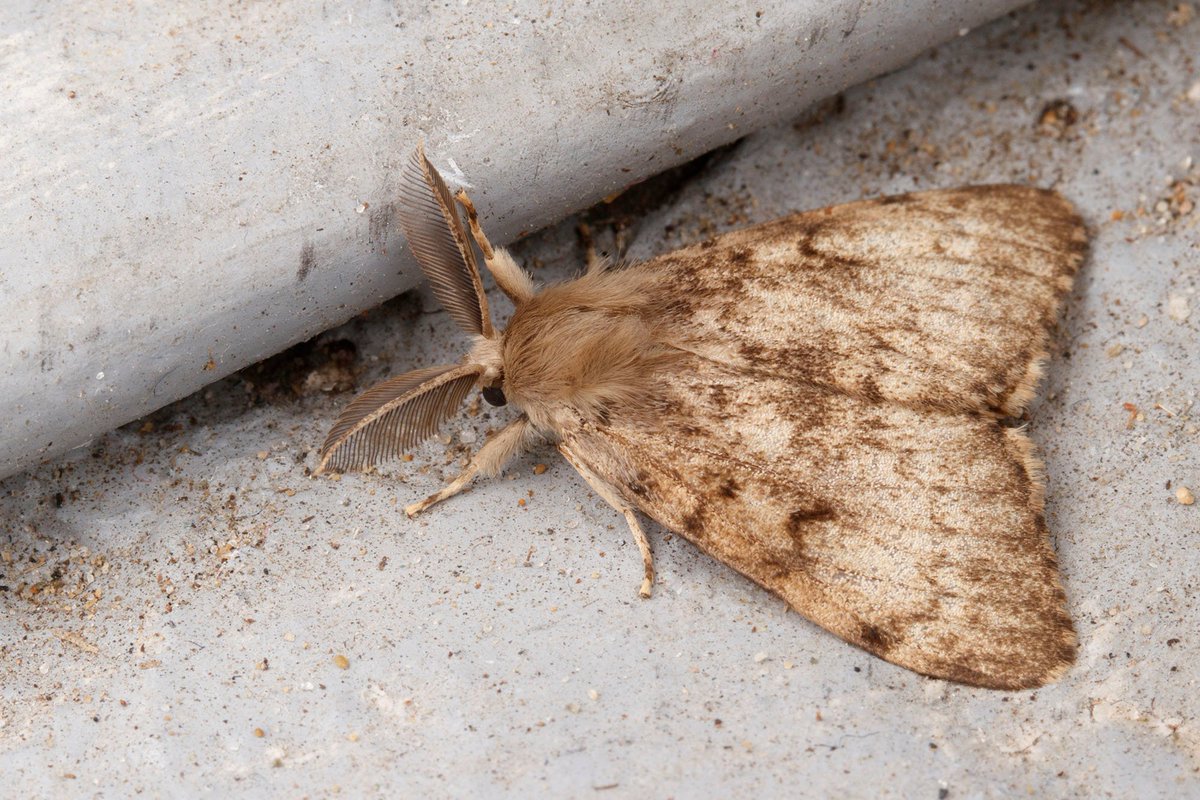
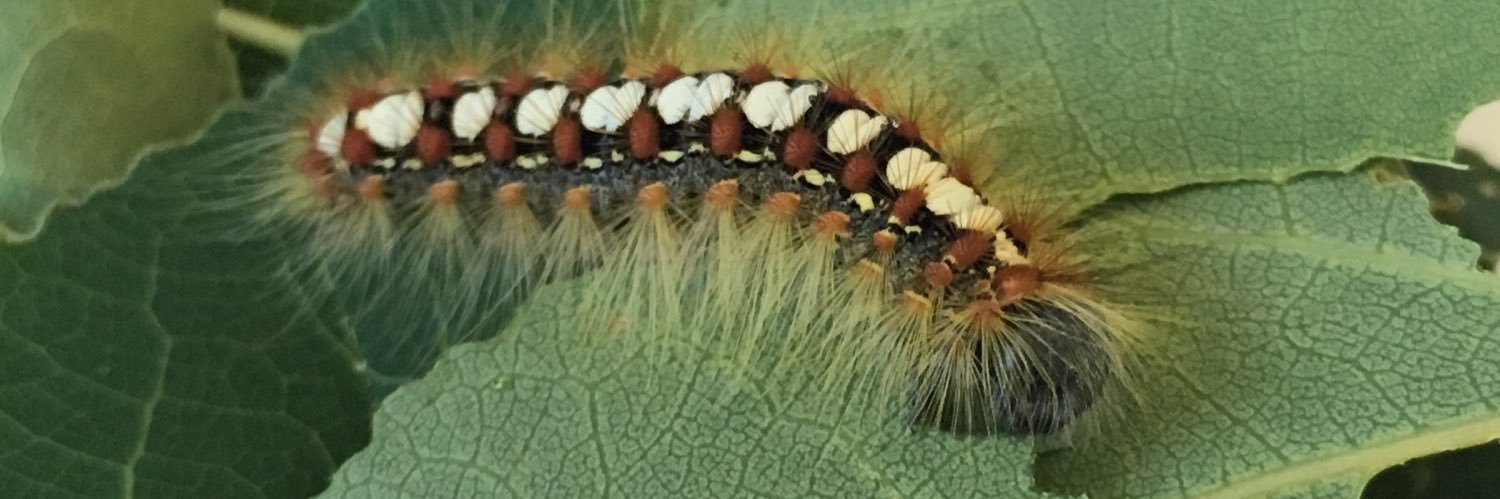
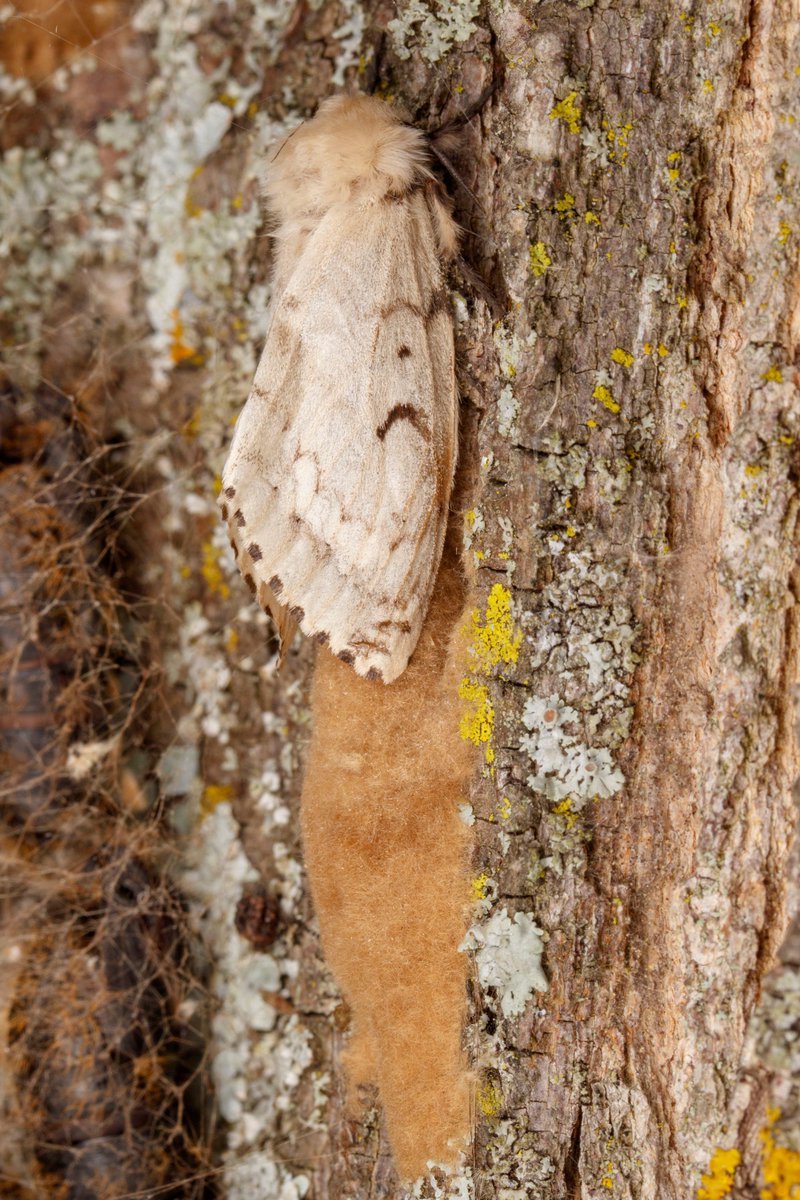
🧵Nine years ago, central British Columbia was experiencing a major forest tent caterpillar outbreak. At the time my youngest son was four-years old. He spent a lot of his time outside among the caterpillars. One day @joyelmarie and I found him tossing caterpillars into a puddle.
FREE ONLINE TRAINING | On June 22 CIF-IFC and the ISC will host a FREE Online training webinar for forestry workers in Eastern Ontario. Topics covered include impacts, management and action. Learn more about registration and eligibility criteria: https://t.co/Pyyy31GAQm
Parents: remember as you cash your $250 childcare rebate cheque this May that you lost $1250 because @fordnation decided to delay the childcare deal until election season.
Great article on letting Indigenous knowledge guides tree seed preservation at the National Tree Seed Centre (Atlantic Foresetry Centre, Fredericton, NB) @NRCan@NRCanScience
https://t.co/J5Y5tiOM1f
We need to change the language around all of our public health measures. Why not call them protections instead of restrictions. Language matters and might help much of the conversation.
Winnipeg emerald ash borers are much more cold-tolerant than their counterparts in Southern Ontario - findings in @brentjsinclair's team's newest paper in @cois_cris.
Read more in #WesternU News: https://t.co/rS6A5uQn3Z
@westernuBio
Some "cool" science I was part of on the #emeraldashborer that shows that Winnipeg bugs a significantly more cold tolerant than their S. Ontario relatives. #invasive#winter