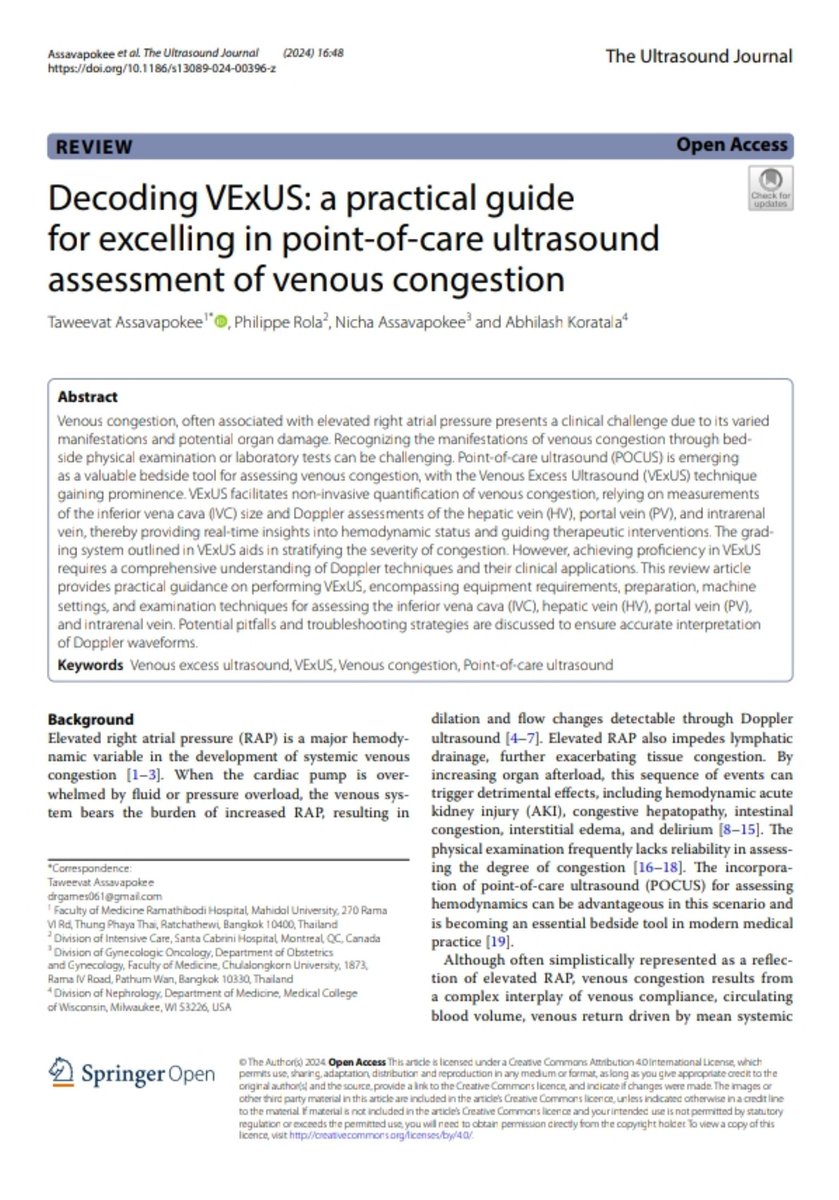
🌊 Como Interpretar La “Sobrecarga de Volumen”?
🫀 Congestión ≠ Volumen IV
📈La TA Aislada No Define Hemodinamia
🩻Uso de VExUS
🔰📚JAAC 2026
Artículo Completo👇✅🆓
https://t.co/aR5SFK2xfj
For the last 5 years my crew has been podcasting our way through Burtin Rose's classic Clinical Physiology of Acid Base and Electrolyte Disorders. We are up to chapter 23, Hyponatremia, and the first part of that was released yesterday. If you want a chance to see how good the podcast can be, this would be a great episode to jump in on.
https://t.co/uwAiyamOOb
ICU Pharmacology Secrets:
If you work in an ICU of a hospital with busy cardiology and cardiothoracic programs, keep this on your radar:
Ticagrelor (Brilinta) can cause false-negative results in functional laboratory tests for heparin-induced thrombocytopenia (HIT), such as the serotonin release assay (SRA) and heparin-induced platelet activation (HIPA) test
Why this happens
Ticagrelor is a reversible P2Y12 receptor antagonist commonly used after coronary interventions or acute coronary syndrome. Unlike clopidogrel, prasugrel, or aspirin, its reversible binding leaves active drug circulating in the blood sample. HIT antibodies activate platelets through the FcγRIIA receptor, but this pathway relies heavily on P2Y12 co-signaling. Because ticagrelor blocks that receptor, it inadvertently shuts down the lab assay, giving you a clean result on a patient who actually has HIT
Clinical significance
While HIT isn’t everyday occurrence, it carries massive risk, especially in cardiac patients. The incidence of HIT after cardiac surgery is 1-2%, and it is ∼0.5% after transcatheter aortic valve replacement. Even if ticagrelor is held pre-op, we routinely restart it shortly after surgery in high-risk patients
Another high-stakes scenario is managing surgical patients with a recent history of HIT. Heparin remains the standard for cardiopulmonary bypass. Guidelines allow us to use heparin intra-operatively, once functional tests turn negative -even if the antibody ELISA stays positive- while keeping them on non-heparin agents before and after. If ticagrelor is masking that functional test, you could re-expose a patient to heparin under a false sense of security
Take-home messages
1. Never rule out HIT on a negative functional assay alone if the patient is taking ticagrelor
2. Trust the full clinical picture: Re-evaluate the 4Ts score and look closely at the anti-PF4/heparin ELISA. A strongly positive optical density (e.g., OD > 1.5) should raise red flags regardless of a negative SRA
3. Consider workarounds: Send alternative testing like the PF4-dependent P-selectin expression assay (PEA), if available
4. Stay the course: If clinical suspicion remains high, maintain non-heparin anticoagulation (bivalirudin is our go-to), remove all heparin from the lines, and re-test once the drug clears or alternative panels are back
Useful reference:
Blood (2020); 135(11): 875-8
💧 Not every hemodynamic assessment ends in "give more fluid."
Chapter 5 of Rational Use of Intravenous Fluids in Critically Ill Patients makes the reverse case: in fluid accumulation syndrome (FAS), the finding of fluid UNresponsiveness can itself serve as a trigger — and a safety parameter — to guide active fluid removal and help restore euvolemia.
This reframes what responsiveness testing is for. Assessing fluid responsiveness isn't only about identifying who needs fluid — it is equally about identifying when to stop, and when to reverse. Determining responsiveness before administering fluids is what avoids volume overload and the added morbidity and mortality that come with it.
Two questions, one assessment: does this patient need fluid — and can this patient tolerate more?
📘Open-access chapter: https://t.co/7iwfo4bGdS
💬Discussed at IFAD 2026 in Antwerp, 3–5 December.
📍Registration: https://t.co/wATwBWAIge
#FluidAccumulation #FluidResponsiveness #Deresuscitation #CriticalCare #ICU
Today I learned that for differentiating hypereosinophilia etiologies, the degree of eosinophilia is rarely helpful unless eosinophils >20k. Counts this high are rarely caused by infections, more likely a clonal process. Parasites rarely cause eos greater than 5k
Differential:
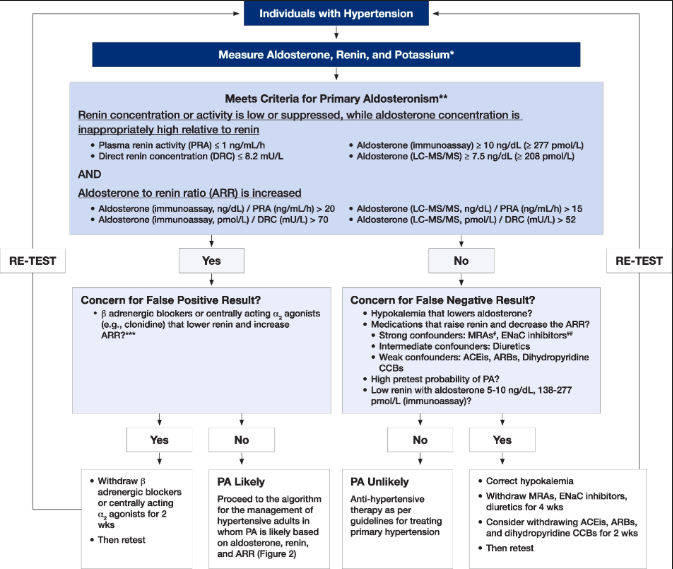
Debemos tamizar hiperaldo primario a TODO hipertenso, en la practica sabemos que no ocurre.
Una de las razones es "pereza" a hacer washout de los antihipertensivos antes de las pruebas. Recuerda que por guias esto NO es necesario. Toma los test CON los antihipertensivos.
The Lancet just released the REMAP-CAP manuscript pre-peer review. Oseltamivir (5 or 10 days) vs no antiviral in critically ill influenza. 🧵
https://t.co/c6bvL7totX
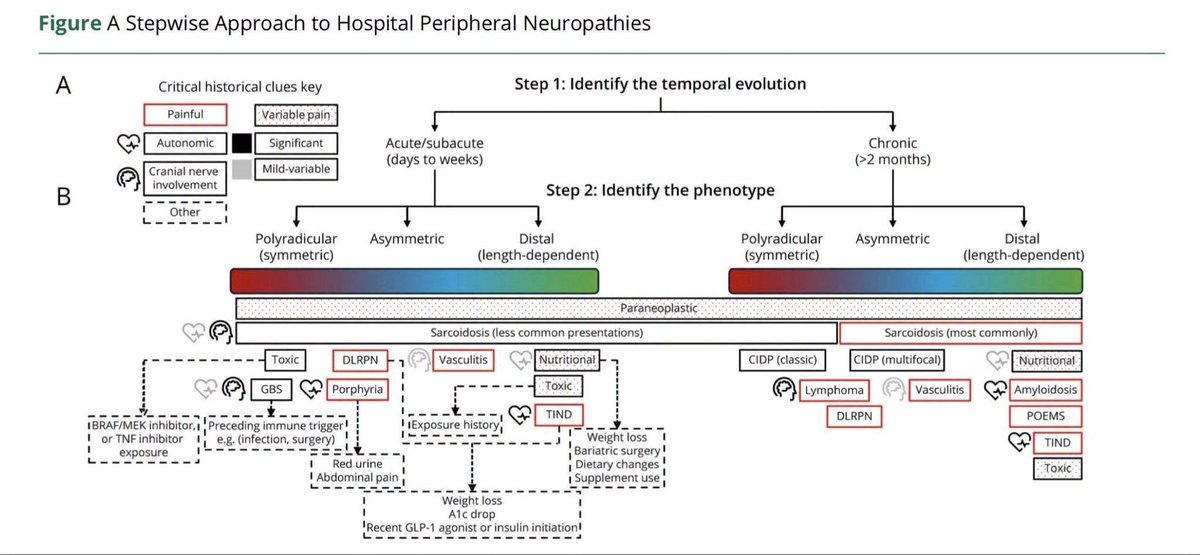
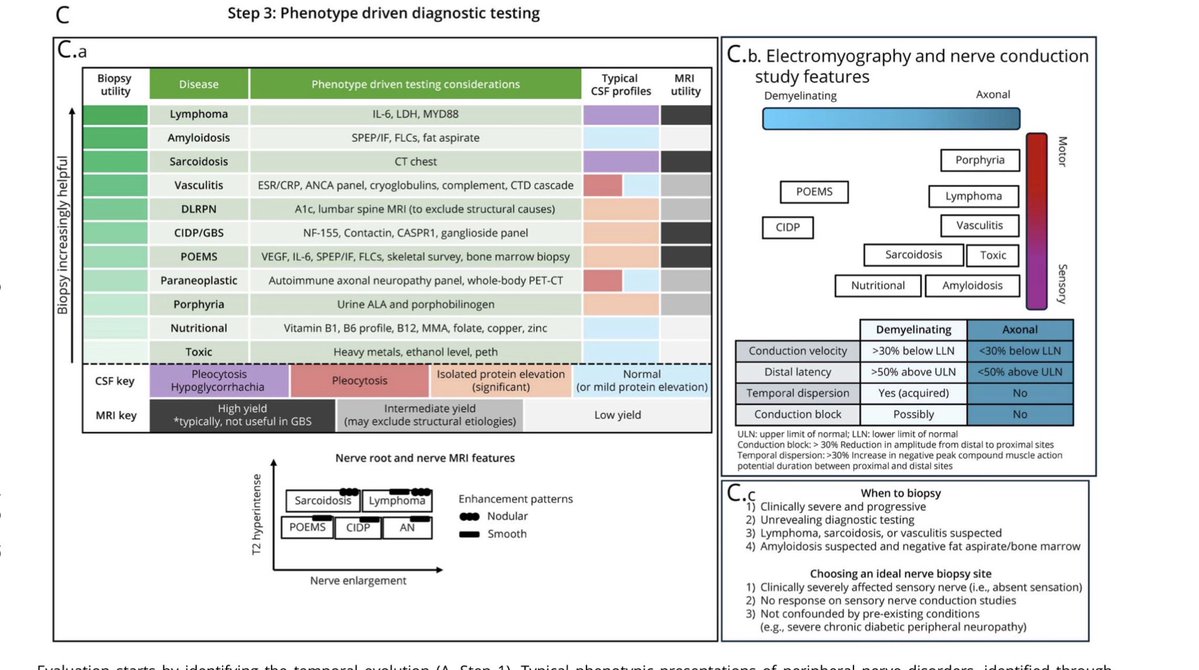
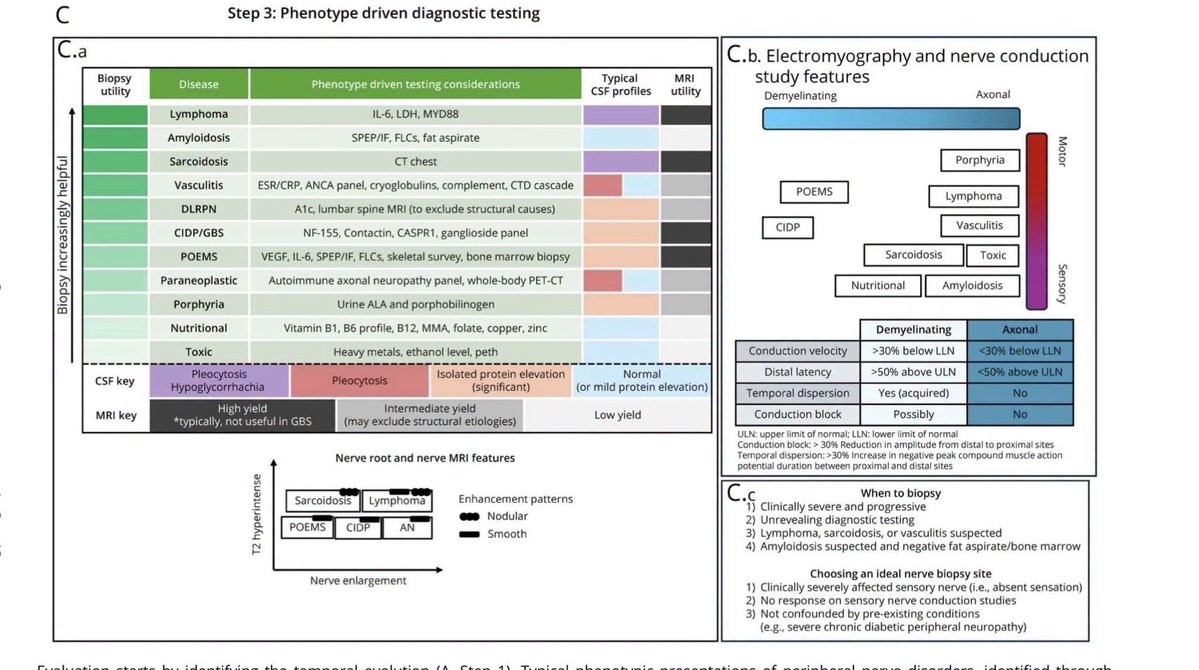
One of my missions is to make Peripheral Neuropathies more understandable for non-experts. Recognizing that physicians often find PNs challenging, especially in the hospital setting, I collaborated with @MayoClinicNeuro Neuromuscular hospitalists, @ReeceHass and @SantilliAshley, and my former NM co-fellow #JMartinezThompson to develop an engaging infographic that simplifies how to approach neuropathies leading to hospitalization. The incredible artistic skills and creativity of @ReeceHass truly brought this project to life, exceeding all expectations. We hope you find this helpful. https://t.co/HjEJbfOkqh
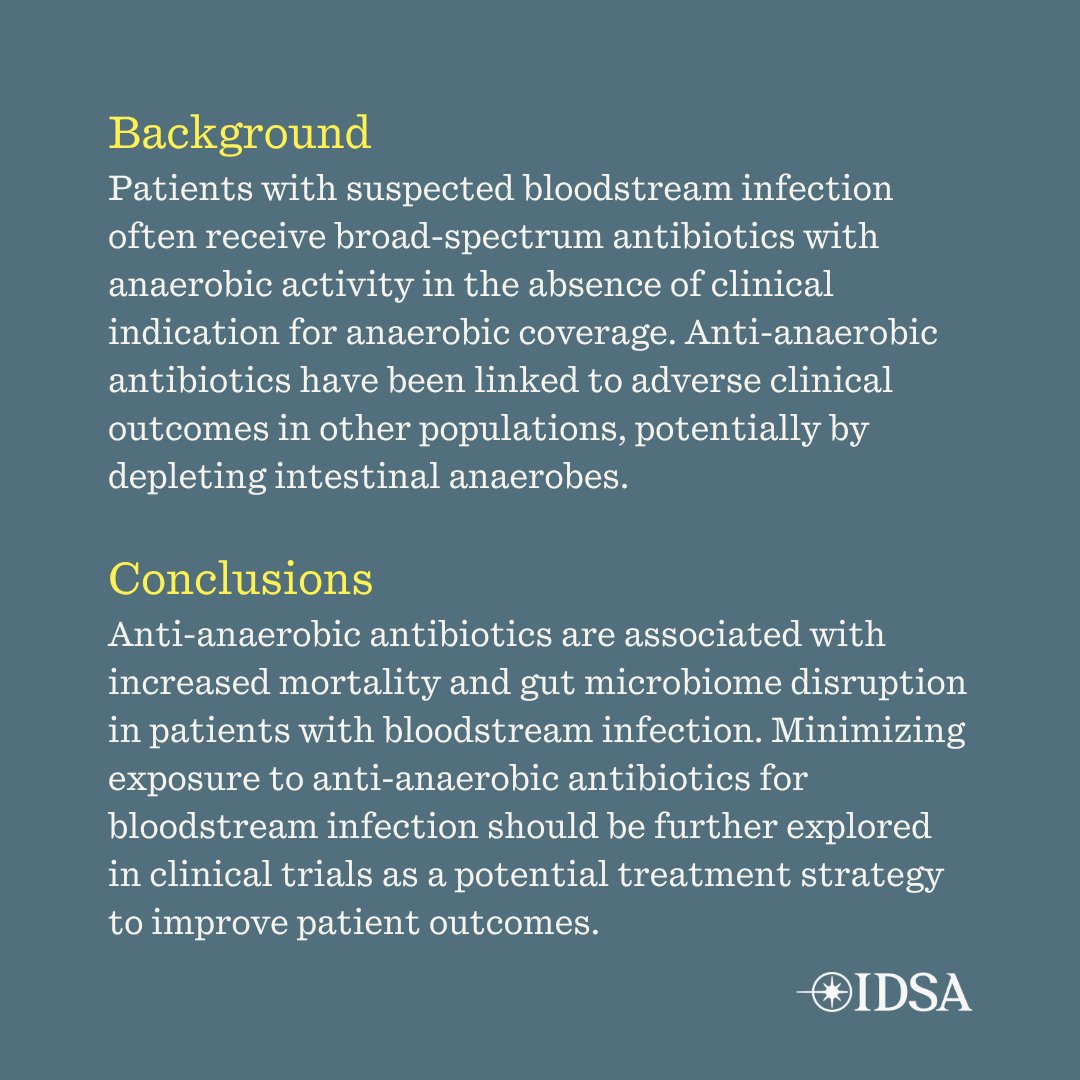
Association of anti-anaerobic antibiotics with mortality and the gut microbiome: a sub-study of the BALANCE randomized clinical trial
✅ Just Accepted
⭐ Editor's Choice
🔗 https://t.co/301v0rS2TL
The price of anaerobic coverage when treating bloodstream infections.
🆕💥🟢Pre-planned BALANCE RCT sub-study (n=2,851) evaluated patients with bloodstream infection without a clinical indication for anaerobic coverage who survived to 7 days after the index blood culture.
After balancing measured confounders using IPTW, receipt of anti-anaerobic antibiotics was associated with:
📈 41% higher adjusted odds of 90-day mortality (OR 1.41; 95% CI 1.03–1.92)
🦠 Greater depletion of beneficial gut anaerobes
⏳ Longer duration of therapy → greater mortality risk and microbiome disruption
#IDXposts https://t.co/BIOdqX1iv4
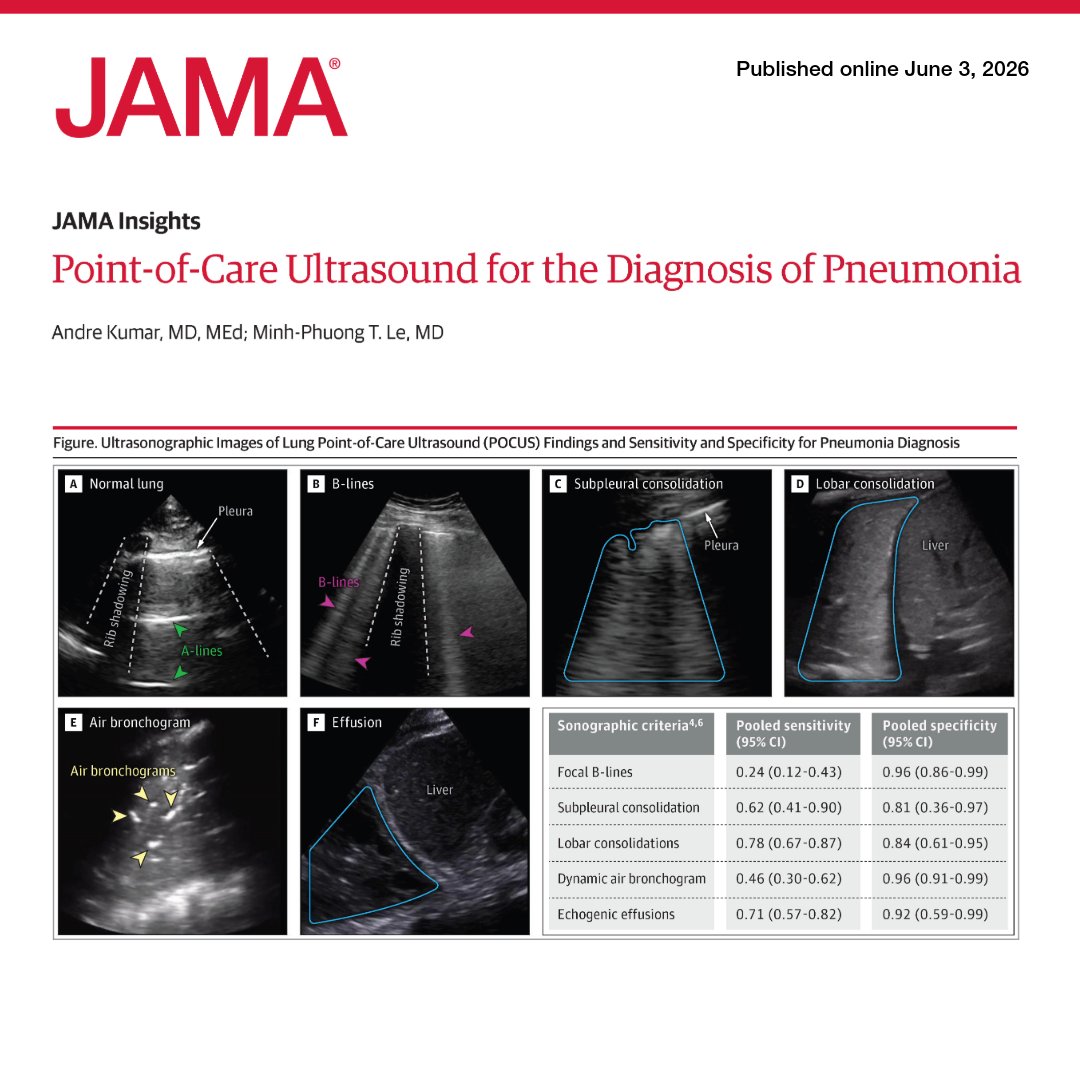
💡 JAMA Insights: #POCUS by trained clinicians is a guideline-endorsed alternative to chest radiography for #pneumonia diagnosis, offering higher sensitivity and specificity, immediate results, and no ionizing radiation.
https://t.co/fo9n15FfKV
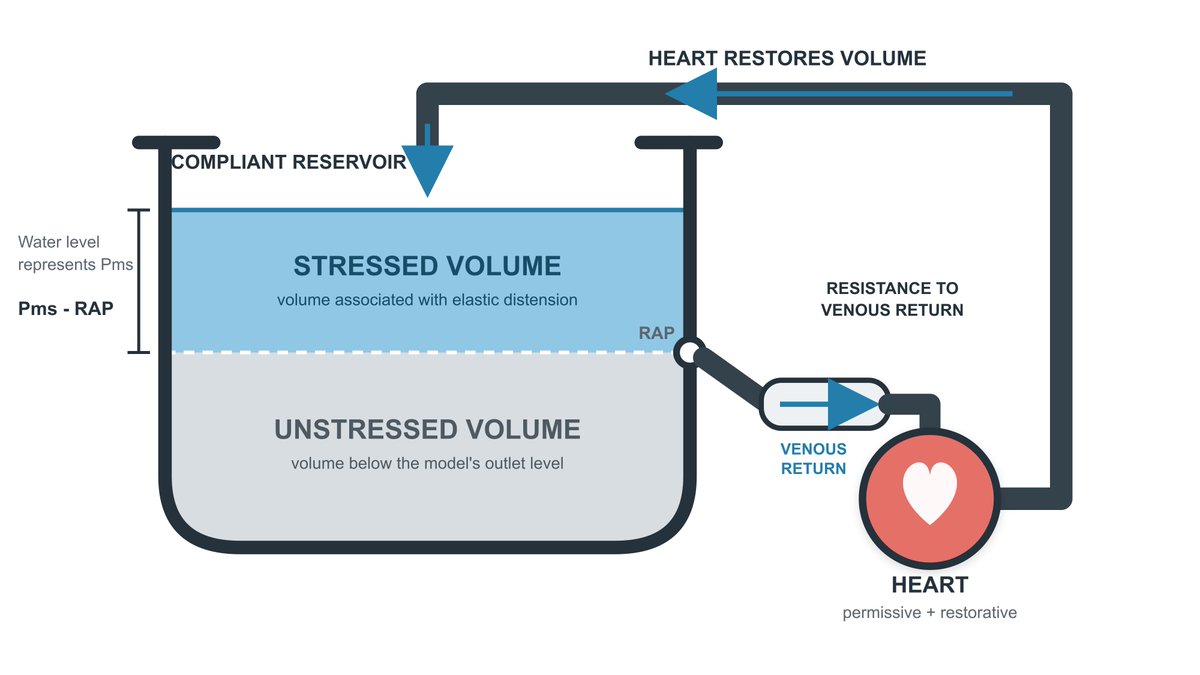
Venous Return Wars, Episode V: The Reservoir Awakens
If Mean Systemic Pressure (Pms) is not a pressure source pushing blood towards the heart, how do blood volume and venous tone influence cardiac output?
Sheldon Magder’s bathtub offers a compelling answer.
Perhaps too compelling. Link in reply 👇
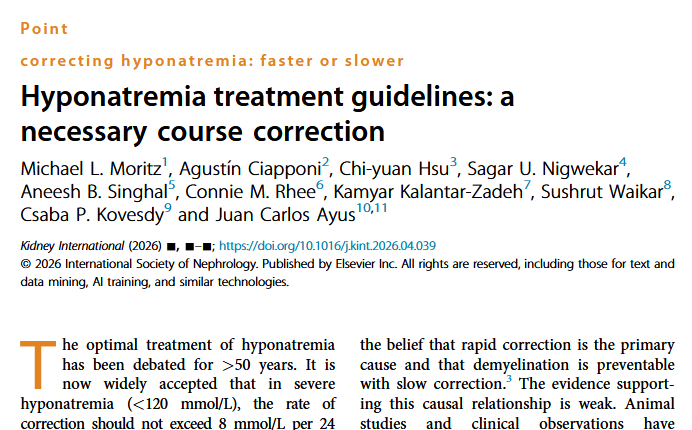
Hyponatremia treatment guidelines: a necessary course correction: 1) Is rapid correction of hyponatremia harmful? Not really? Read in #Kidney_Int
https://t.co/GEqoXeZn7F #Hyponatremia#ODS
Absence of Significant Interaction Between Serum Albumin Level and Carbapenem Type on 30-Day Mortality in ESBL-positive E. coli and K. pneumoniae Bacteremia: A Multicenter Study with Inverse Probability of Treatment Weighting Analysis
🔁 Repost
🔗 https://t.co/7tKp7oaJce