Start here.
The first question to ask any wallet: where are the keys that unlock it?
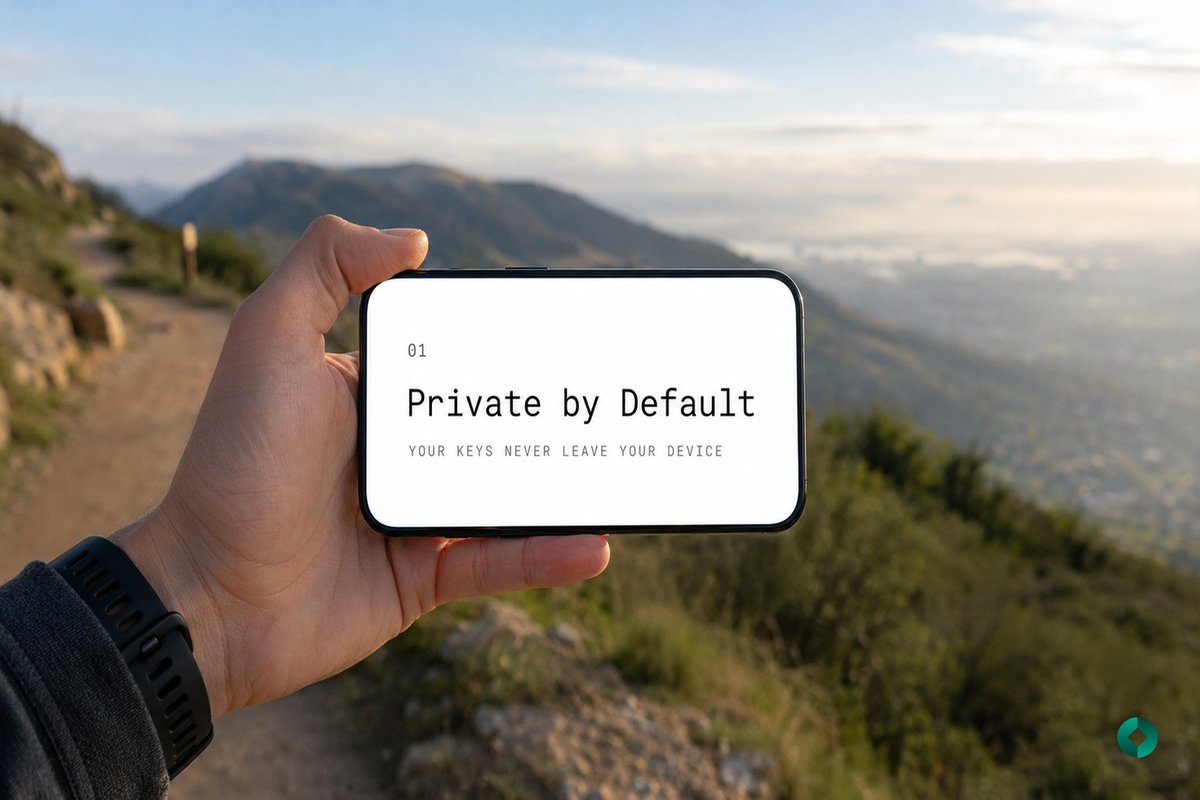
The Doma Wallet home page answers in one line: "Your keys are generated and held on your device."
It sits in the transparency list, item 01, Private by Default.
https://t.co/ewDP3PKbFd
@lopp Plain answer: a real wallet maker will never mail you a QR code or ask you to type your recovery words into an app. First step: find the official support page of your device maker and check how they say they will contact you.
@cz_binance Plain answer: no wallet removes all risk, but you can shrink it by knowing where your recovery words live and who could reach them. First step: check that your backup is written offline and that no photo or cloud note of it exists.
1/ What happens to wallet signatures once quantum computers arrive? DOMA Wallet is getting ready for that question, and its home page shows what it's working toward.
@KeystoneWallet Plain answer: air-gapped signing means the device holding your keys never plugs into the computer; the unsigned and signed transaction travel as QR codes. First step: on the device screen, check the address and amount match what you typed before you sign.
@BlockstreamJade@Blockstream Plain answer: in a multisig the descriptor is the map of which keys belong to the wallet, so recovery phrases alone may not be enough to spend. First step: open your wallet settings and find the export option for the wallet descriptor or config file.
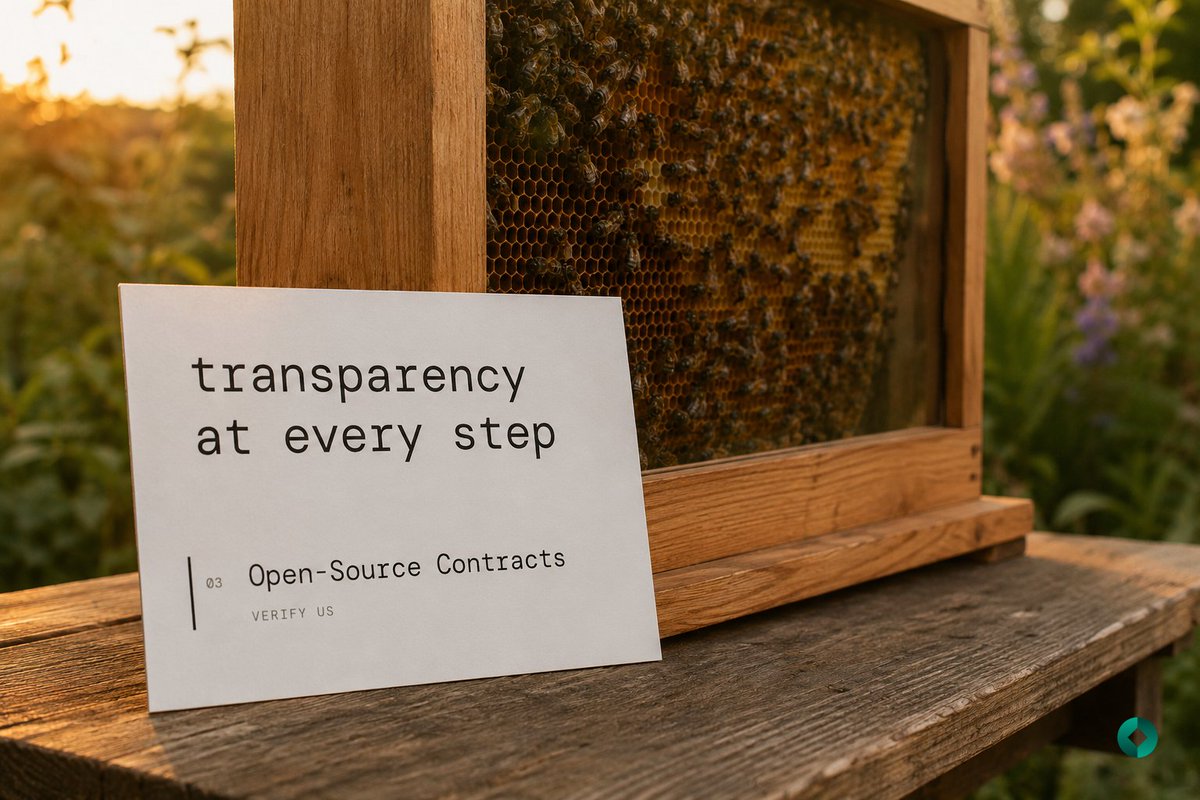
1/ How do you check a wallet's rules without taking its word for it? It's worth asking before you put anything in one. DOMA Wallet's home page gives part of the answer.
@KeystoneWallet@dhoneysett Plain answer: a paper seed can burn, soak or fade, and anyone who finds it can take the coins, so where it sits matters as much as writing it down. First step: find your backup and check every word is still easy to read.
@DocumentingBTC Plain answer: no computer today can break a Bitcoin key, and the coins most exposed later are ones whose public key already sits onchain from old or reused addresses. First step: check whether you keep reusing one receive address.
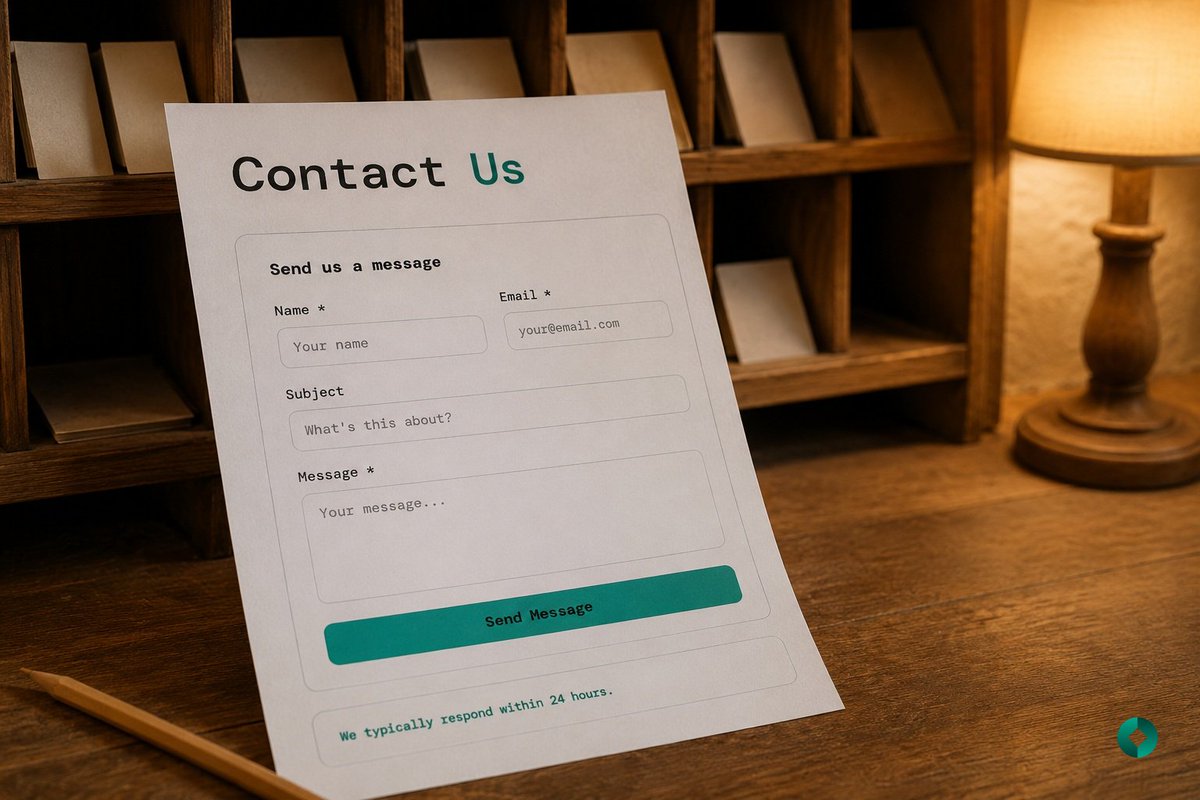
1/ If something goes wrong, is there a real page to write to, and do they say how fast they answer? For DOMA Wallet, the answer to both is on one page.
4/ Then one line answers the second question: "We typically respond within 24 hours." Note the word "typically": it tells you what usually happens, not a promise.