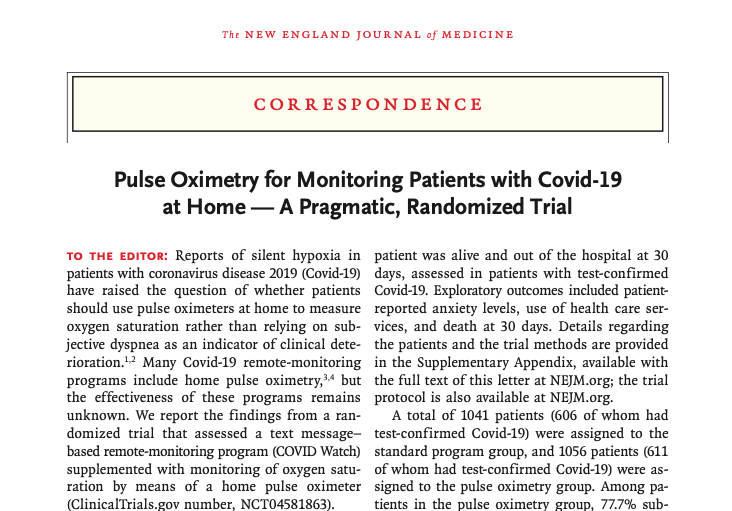
Great work by the team assessing the value of pulse oximetry in Covid patients isolating at home. Turns out pulse ox monitoring doesn't improve clinical outcomes when compared to a simpler text message check-in program.
Pulse oximeters are widely used to monitor for low oxygen levels among #Covid19 patients at home.
But does pulse oximetry improve outcomes over monitoring for symptoms of shortness of breath?
Our team provides some answers today in @NEJM 🧵👇
https://t.co/j9EbiG6RsB #SGIM22
Great work by the team assessing the value of pulse oximetry in Covid patients isolating at home. Turns out pulse ox monitoring doesn't improve clinical outcomes when compared to a simpler text message check-in program.
Pulse oximeters are widely used to monitor for low oxygen levels among #Covid19 patients at home.
But does pulse oximetry improve outcomes over monitoring for symptoms of shortness of breath?
Our team provides some answers today in @NEJM 🧵👇
https://t.co/j9EbiG6RsB #SGIM22
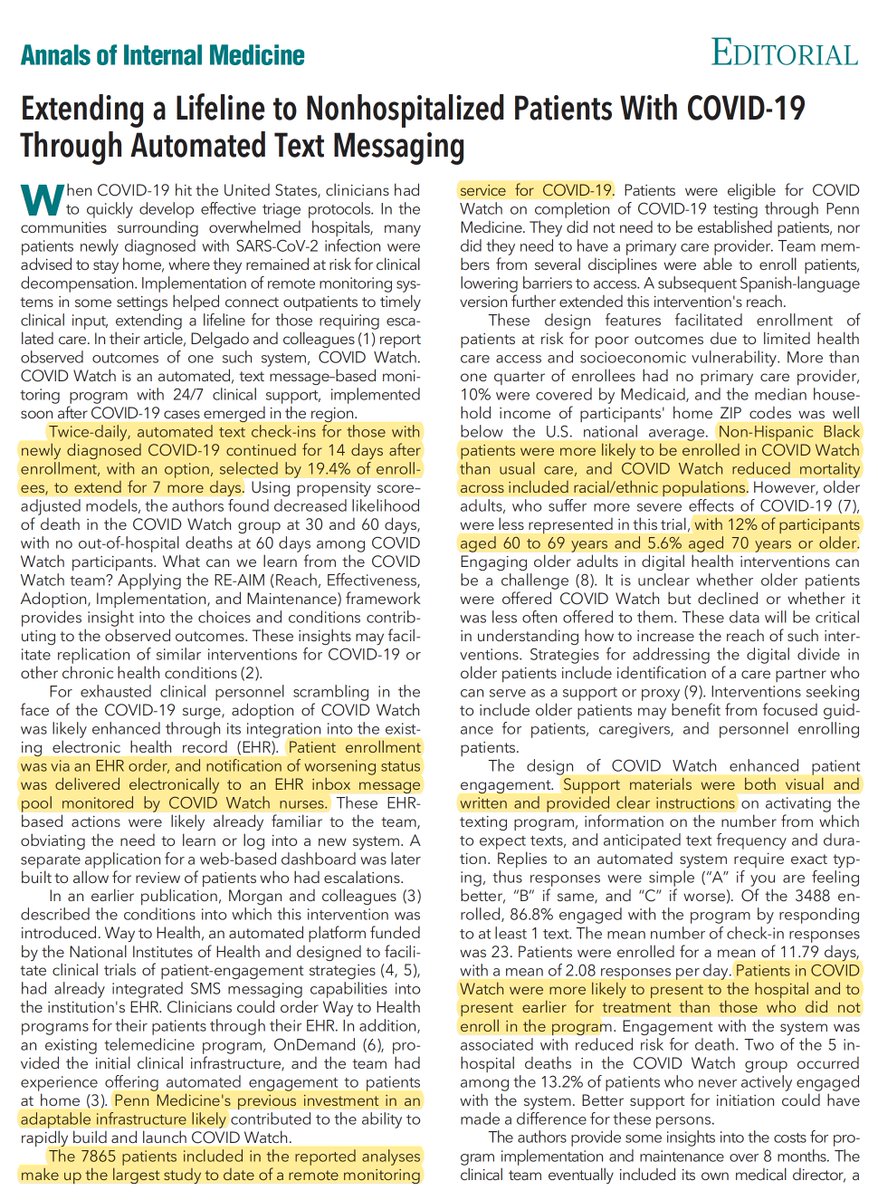
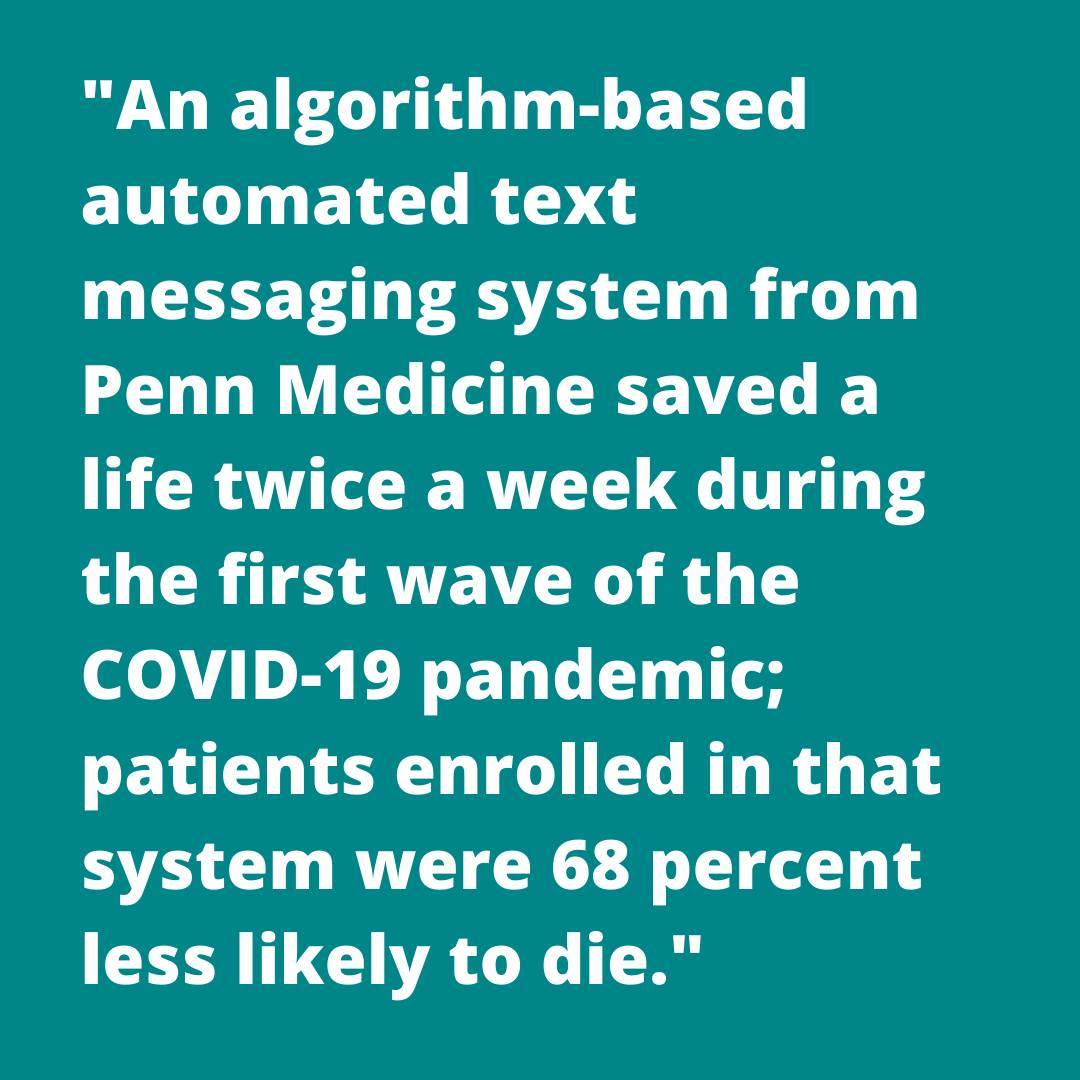
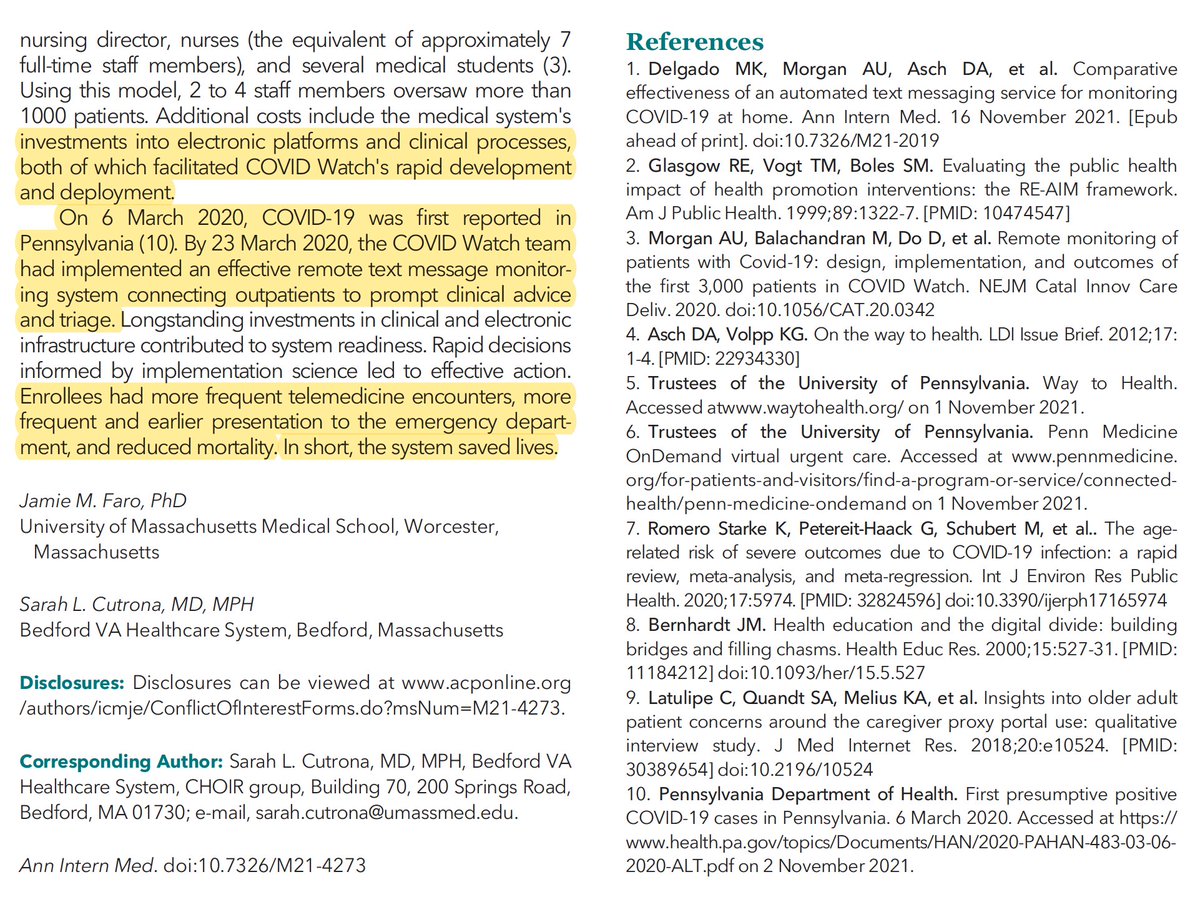
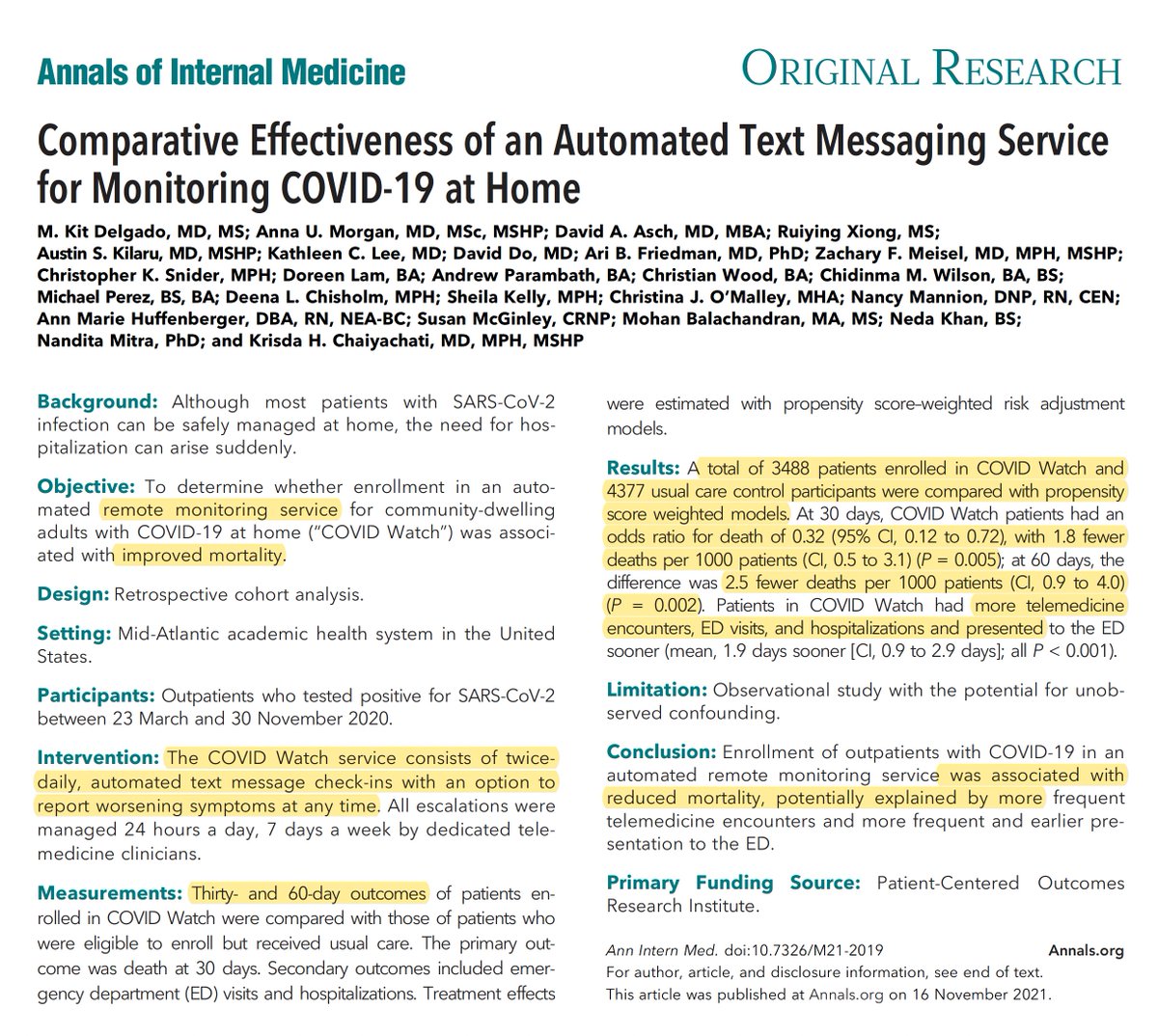
From #BestofAnnals 2021 collection: A @PennMedicine algorithmic text system saved 2 lives a week during 1st wave of #COVID19. Patients enrolled in the system were also 68% percent less likely to die than those not using it https://t.co/2En0sqIVSi.
One more time for the people in the back...
We have shown:
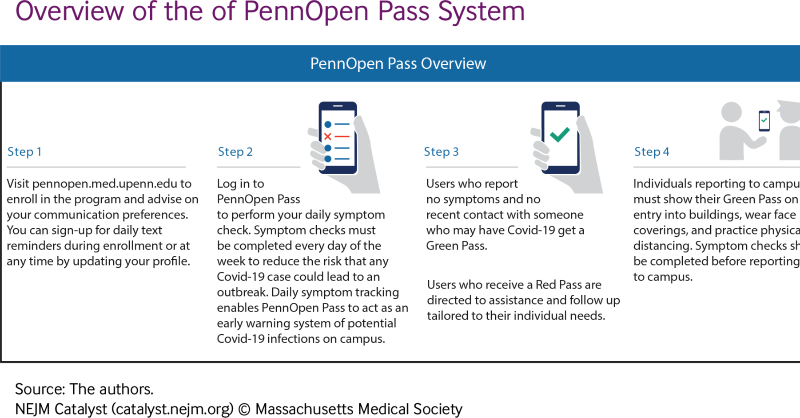
Symptom based monitoring program > no monitoring (Annals of IM 2021)
Monitoring program + pulse ox not better than monitoring program alone (NEJM 2022)
We didn't study self-monitoring with pulse ox vs. no monitoring
Valuable learnings for the future when designing interventions that optimise healthcare resource utilisation for patient outcomes. More tech/monitoring/data is not always the answer. See our last paper on the survival benefit conveyed by COVID Watch: https://t.co/3ag0xMT3pX
Note, patients were enrolled in winter 2020/2021, a year before Omicron. Patients in the pulse ox cohort also showed increased utilisation of healthcare resources without improved outcomes (primary measure was days out of hospital within 30 days).
Kudos to our @PennMedicine colleagues, including med student and CHCI innovation fellow @dor_lam, on their initiatives to assess improve tracheostomy care. Their report is published in @PAPATIENTSAFETY https://t.co/noB9l4EjAJ
Nearly 20,000 pts have been enrolled in COVID Watch to date, and this latest study found that it was equally accessible and effective for everyone - with all major racial and ethnic groups benefitting.
We've been in the digital era for years, but just now discovering in medicine that simple text messaging can help substantially reduce Covid deaths
https://t.co/nXlF6UpiIH
@AnnalsofIM@kit_delgadoMD@PennMedicine@PCORI
1/ For the >80,000 people in the U.S who will test positive for #Covid19 today, what can we offer to support access to care but help them safely remain at home?
Our team is excited to finally share important, new findings out today in @AnnalsofIM
👉https://t.co/VOtpucwWGD
Very excited to share our findings today in @AnnalsofIM
Patients who received COVID Watch were 68% less likely to die — that comes out to one life saved every 2-3 days during the height of the pandemic.
It took an amazing team!
Congrats to @CAMBUpenn MD/PhD student @DanielAkuma5 and all the members of the @UPenn team that developed the SANIPACK N95 portable UV-C sterilizing device to extend life of N95 masks! Check it out on pp. 71-73 of @AmerMedicalAssn Impact Challenge: https://t.co/fJFcsteCqU
Today is a reminder of all the work that still needs to be done. Happy to share this AMAZING article with FANTASTIC recommendations on how to appropriately use race in medicine by @ChristinaAmutah@mrmunyikwa and co-authors!
https://t.co/9S17kvcdCC