In 14 selected patients with ketogenic diet–associated hypercholesterolemia, ezetimibe reduced LDL-C by a median 53% vs ~18% usually expected.
Intriguing, but hypothesis-generating. Next: prospective trials measuring ApoB, sterol flux and cholesterol kinetics.
@drpablocorral@JACCJournals Hard to believe that journals with impact factors higher than some countries’ GDP now publish observational studies with no control group, no events, and bold causal claims 🤐
Peer review must’ve taken a sick day
So… if plaque progresses but ApoB didn’t do it, and the group is “heterogeneous,” it’s kind of like saying:
🚬 The fire spread, but don’t blame the matches. It was probably the shape of the forest 😶🌫️
The two main takeaways from the KCT study I won't stop emphasizing are:
1) LMHRs are a CVDrisk heterogeneous population. We we shouldn't put them in the same category.
2) While both low and high CVD risk sub-populations have high ApoB, it didn't explain their plaque changes.
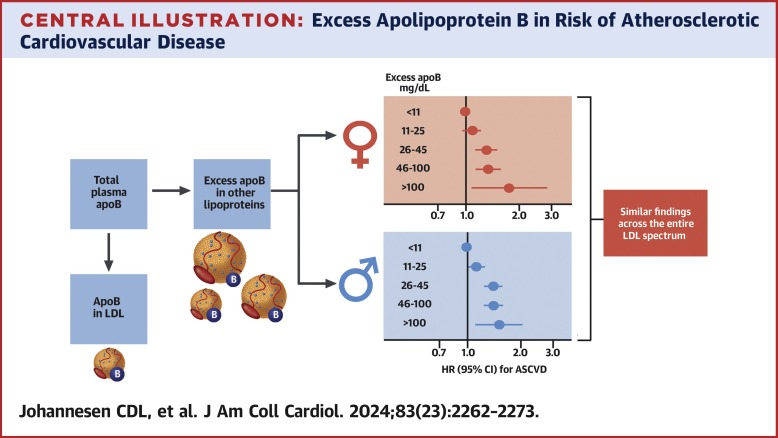
Excess apoB (ie, the value of apoB above that contributed by LDL-C levels alone) is associated dose-dependently with an increased risk of MI and ASCVD in women and men.
#evidence not #rethoric
DOI: 10.1016/j.jacc.2024.03.423
@DrNadolsky Breaking: 100 people drive without seatbelts for a year and report no accidents.
New headline 👉seatbelts may not be necessary after all. 🚗📉
That’s the logic we're applying to ApoB now?
#Fascinating
@nicknorwitz Claiming low CVD risk based on a unique phenotype, despite extreme ApoB/LDL-C levels, without long-term clinical outcomes, ❌ science, ��speculation.
Being "well-informed" doesn’t override decades of causal evidence linking ApoB to atherosclerosis.
We need rigor, not rhetoric
ApoB-containing lipoproteins are causal in atherosclerosis — from the earliest lipid deposition to plaque rupture.
Short-term imaging in highly selected LMHRs cannot overturn decades of mechanistic and epidemiological evidence.
#ApoB#CardioTwitter#EvidenceBased
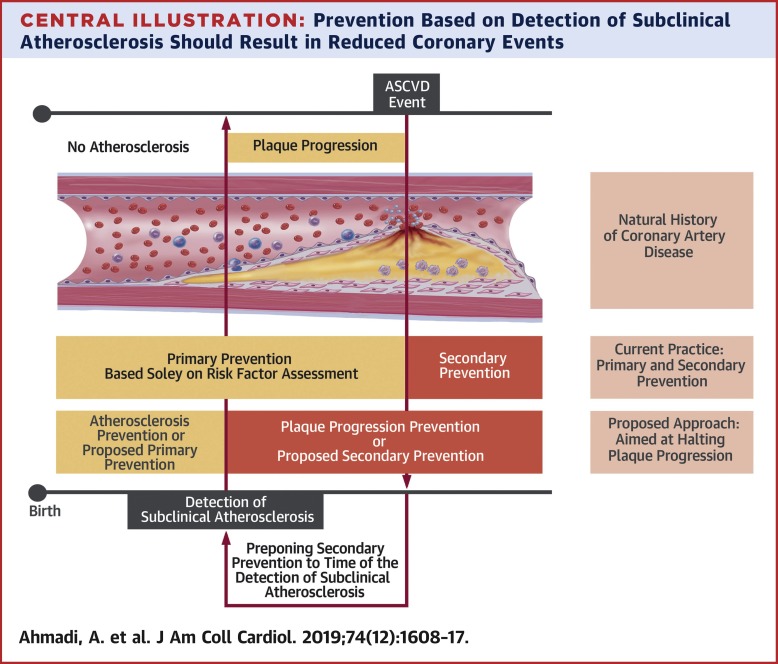
Atherosclerosis is a decades-long process that begins early in life—long before clinical events appear.
Its root cause?
Atherogenic lipoproteins containing ApoB.
These particles initiate and sustain plaque development, even in the absence of symptoms.
From early lipid retention to plaque rupture—ApoB drives the entire cascade.
📌 Detecting subclinical disease is key.
🧬 Targeting ApoB is fundamental.
Open Access https://t.co/IJdkNtKyI6
@society_eas
Intriguing data from KETO-CTA, but caution warranted: no control group, short follow-up, and a self-recruited sample. The null ApoB-plaque link in LMHRs doesn’t negate decades of causal evidence.
#ApoB#LDL#CardioTwitter#Lipidology#KetogenicDiet
💥The response to yesterday's paper has been UNREAL! My phone hasn't stopped buzzing. If you've been under a rock, here are some highlights in <90 sec 👇
🫀Most participants showed no or minimal progression of coronary plaque
🫀Neither ApoB nor LDL exposure predicted plaque progression
🫀But plaque predicted plaque progression
What does this mean, in a phrase: "While this paper doesn't disprove the lipid heart hypothesis, it does help expose a major blindspot."
There will be a LOT more coming soon... I promise you that...
#Cholesterol #LDL #KetoDiet #ApoB #CAC #CCTA #LMHR #LEM #SaturatedFat #HeartHealth #MetabolicHealth cc @realDaveFeldman@DrAseemMalhotra@JEverettLearned@janellison@Metabolic_Mind
Also not, this is not a one off. There have been 10+ papers leading to this moment... and we are just getting warmed up...
PMID: 40192608, Plaque Begets Plaque. ApoB does not: Longitudinal data from the KETO-CTA trial
PMID: 39372369, Carbohydrate restriction-induced elevations in LDL-cholesterol and atherosclerosis: The KETO trial
PMID: 38237807, Increased LDL cholesterol in adults with normal but not high body weight: a meta-analysis
PMID: 35629964, The Lipid Energy Model: reimagining lipoprotein function in the context of carbohydrate-restricted diets
PMID: 35106434, Elevated LDL-cholesterol with a carbohydrate-restricted diet: evidence for a “lean mass hyper-responder” phenotype
@upRootNutrition Totally agree. Also worth noting: the study lacks an internal control group with normolipidemic keto-adapted individuals. Without that, it’s hard to isolate whether plaque progression is linked to the LMHR phenotype per se, or to keto adaptation more broadly
@nicknorwitz In the KETO-CTA study, ApoB was not associated with plaque progression. But with a cohort selected for extremely low baseline plaque (median TPS = 0), how did you account for regression to the mean and potential floor effects in your statistical analysis?
@realDaveFeldman Interesting findings, @realDaveFeldman, but how generalizable are results from a 12-month observational study on 100 self-selected individuals recruited via social media, without a control group? Was statistical power assessed for detecting rare clinical events?
@AurelianoStingi@nikmarino9 esaustivo e preciso. Aggiungo come oltre agli effetti citati, questa dieta possa aumentare soprattutto il rischio cardiovascolare causando nel tempo un incremento di LDL-C, in particolare ApoB. Ad oggi, è la follia pura, anche se è più folle chi segue questi personaggi.
@nikmarino9@AurelianoStingi Si, a mio avviso così si conferisce maggiore visibilità, è un po’ un effetto boomerang . Oscurerei nome e cognome, fermo restando che concordo pienamente su tutto, ma nonostante ciò la vedo una battaglia molto complicata