I disagree. This is too simplistic. On the one hand by only highlighting one side of medicine and policing. On the other hand, in the caricature of education. Those who say it often mean 'my evidence'.
I predict educators will be getting lots of questions about Sold a Story and Direct Instruction.
Download my free two-page PDF with additional context and research links: https://t.co/kZtqQKDN1z
Tag your friends in the comments.
AI reads well to people who don’t read a lot and don’t read widely. If you do read widely then reading AI-generated text feels like being repeatedly lobotomised
It also immediately changes the context in essential ways (e.g. no choral response, no collective participation). DI (or whatever) was supposed to be known to work because it's been tested. This has not been tested, and when things like it have been tested they've failed.
@burnsmk1@educationweek After 20 minutes, you give them some instruction depending on where they were struggling with the idea that over 2-3 days you give them enough instruction that they can solve them accurately. Is this something you think that research weights against?
@burnsmk1@educationweek To put this concretely, suppose you have 3rd graders who know how to add, subtract, and multiply with accuracy. You give them a problem with circles or squares as variables in basic equations to see if they can figure it out without you showing them how e.g. + 😃+😃 = 6.
Is there a bias where people most invested in Direct Instruction or / di and phonics are also more inclined to conduct and trust meta-analysis as a tool?
I created a mini workshop called How To Use An Open Middle Problem that has K-1, 2-5, and 6-12 examples. It includes everything from why you want to use them, how to use them, and how to prepare ahead of the lesson.
Learn more here: https://t.co/Mu6gpQyFnk
Ah well, that says it all 😶🌫️ @Alphaschool
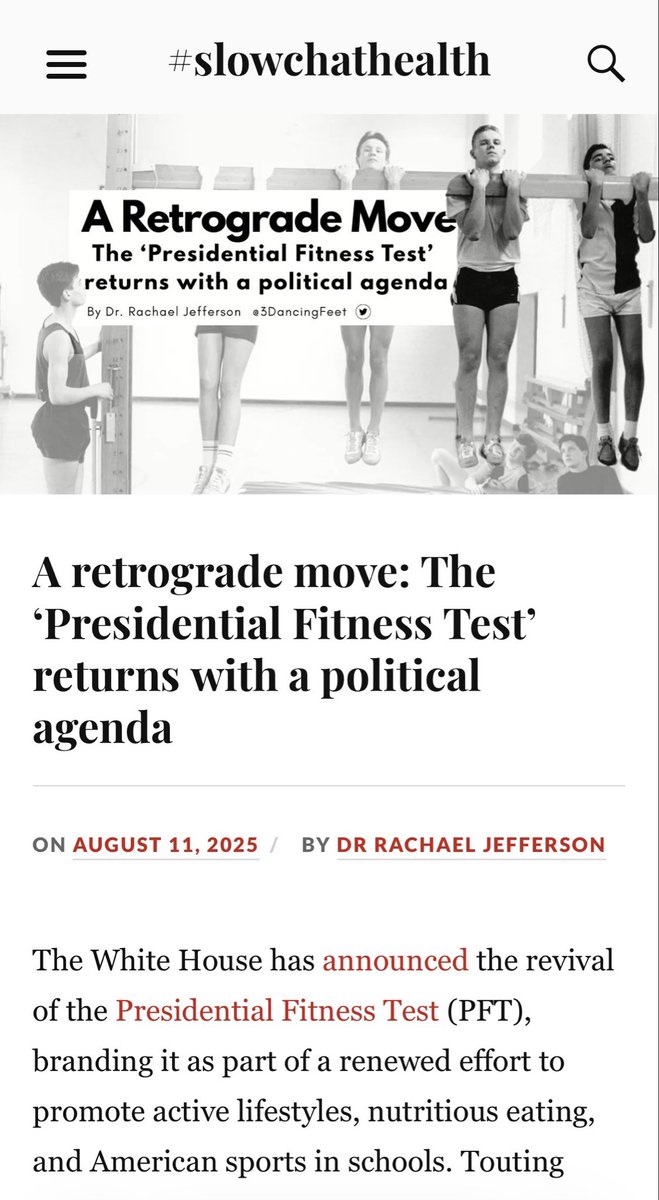
Here are my thoughts on the US fitness test craze - all part of the right wing agendas 🫣👇
https://t.co/jeDmEXf50w
Nice report on this meta-analysis https://t.co/i5BZAU64MV
(Slightly critical word use e.g. 'myth', or interchangeably using 'discovery', 'productive struggle', 'productive failure' etc.)
A special education/math education professor on the historical legacy of Project Follow Through (not quite the same story that is being gleefully spun in media right now) https://t.co/IQS6Yhy4uI
@tryfrizzle@educationweek This link goes to a more in-depth piece about the Stockard data with a link to this table. Follow through is even more of the data in other categories. Also, you can tell how dated the data is (say that three times fast)
https://t.co/Zijf8JonPR
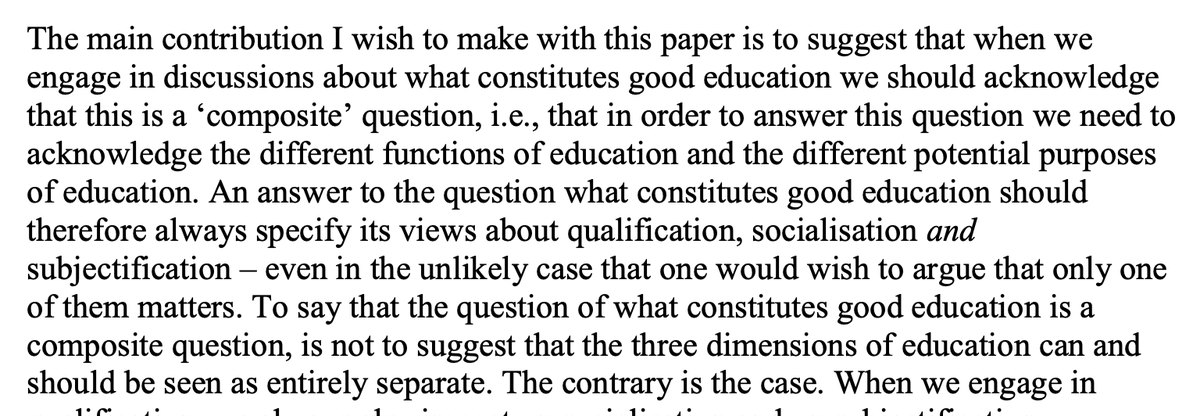
@PCSnow1604@ehanford His main point that asking what's a good education is a composite question is really important. A democracy should think about how schools prepare students with qualifications, how they socialize students into society, and how they build the identities of students.
@PCSnow1604@ehanford and that 'learning' is empty with respect to content and direction. There are lots of things we might learn that we don't consider to be educational.
I think it's a good thing to be able to talk about 'teaching' and 'teachers' and not just 'learning'.