People have been DM and asking me: with an HR of 0.68 for durvalumab + BCG in POTOMAC, why isn’t this for every high-risk NMIBC patient?
Here’s how hazard ratios work – and why they can mislead you if you stop there. 🧵 #ASCO26@tompowles1@WesKassouf@shilpaonc@DrFelixGuerrero
POTOMAC trial- Durvalumab + BCG shows positive results for DFS in high-risk NMIBC vs BCG alone. sasanlimab (CREST) also had an EFS advantage here: HR 0.68. Consistent results in early disease is compelling. IO tox is relevant in risk/benefit ratio. https://t.co/NgHW54WzxT
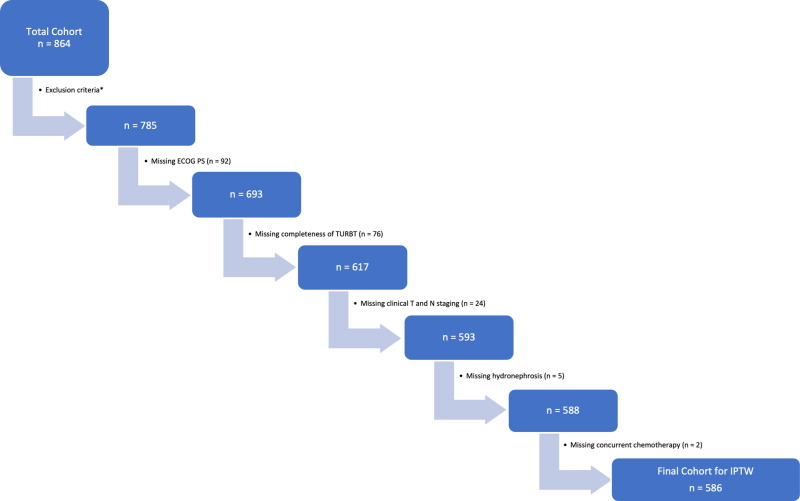
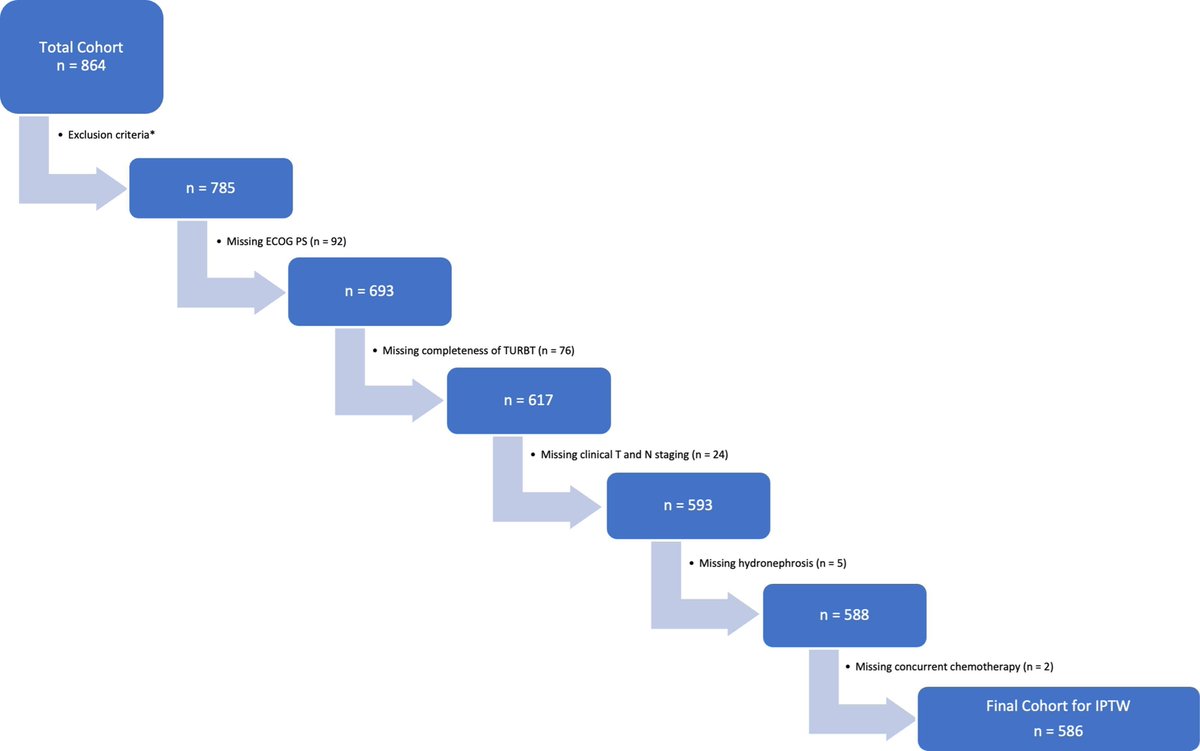
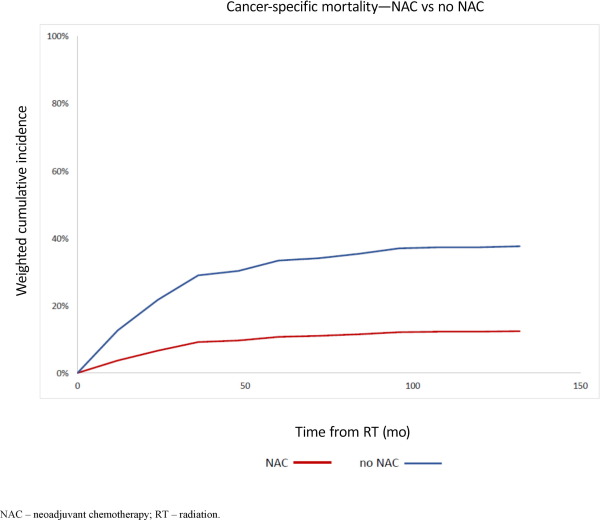
Benefit of Neoadjuvant Cisplatin-based Chemotherapy for Invasive Bladder Cancer Patients Treated with Radiation-based Therapy in a Real-world Setting: An Inverse Probability Treatment Weighted Analysis by @dr_rkool
Full article: https://t.co/iVVBPpKm2V
#UroSoMe#MedTwitter
A pleasure to finally share our findings of a large RCT of radical cystectomy patients from 10 Canadian institutions. To our shock, TXA did not reduce transfusion. Thank you to the patients, collaborators, and the many research staff. @WesKassouf@mcisaac_d@CIHR_IRSC
Congratulations @gautiermarcq@dr_rkool and all on moving this field forward. As patients’ profiles who opt for #chemoradiation#TMT is changing to include healthier patients with higher risk muscle-invasive #bladdercancer, pelvic nodal radiation becomes relevant and important
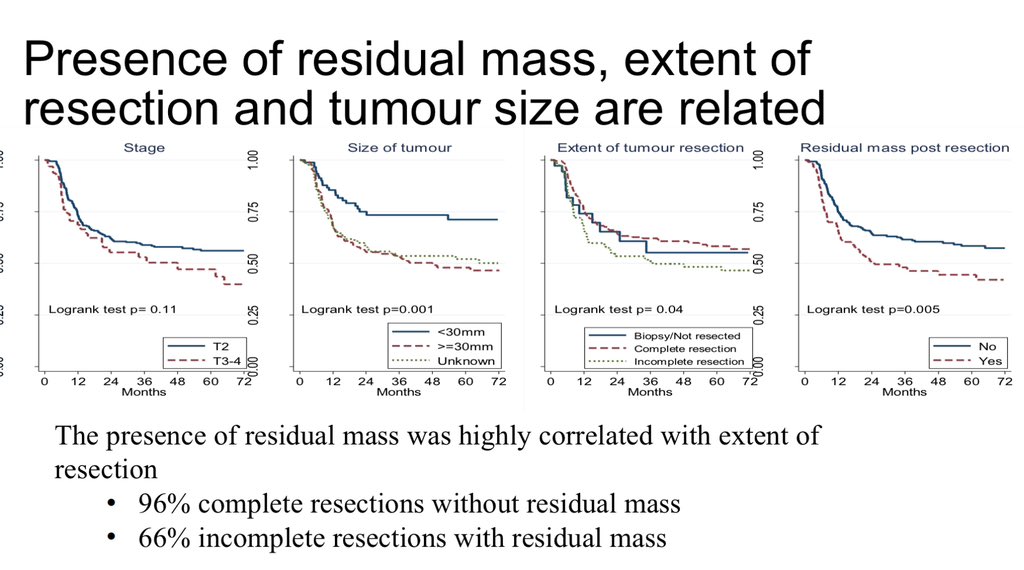
Really important and been saying this for many years so good to see other sources supporting. Extent of debulking prognostic but not therapeutic nor practiced in other cancers. Pts in BC2001 with biopsy only did no differently to those with resections
Following IPTW, complete transurethral resection prior to radiation therapy for muscle-invasive bladder cancer was not associated with neither OS,CSS nor MFS. Is complete TUR, in large part, a surrogate for clinical stage?@ppavolio_MD
https://t.co/hShGhqaszh
FGFR3 mutations are frequent alterations in urothelial cancer, but 🚨:
➡️ NMIBC: ~50% are mutated
➡️ MIBC: ~10% are mutated
➡️ UTUC stage independent: ~ 30% are mutated
➡️ mUC (=bc + UTUC): ~15-20 % are mutated
Fusions are very rare throughout all entities! Frequency is ~1%‼️
➡️ to understand why FGFR3 mutations are more frequent in NMIBC 👉 read https://t.co/x1zaqWR9c1
⚡️ Benefit of Neoadjuvant Cisplatin-based Chemotherapy for Invasive Bladder Cancer Patients Treated with Radiation-based Therapy in a Real-world Setting: An Inverse Probability Treatment Weighted Analysis
#BladderCancer@dr_rkool
https://t.co/GOG4bb5y73
Happy to share our work on the Benefit of Neoadjuvant Cisplatin-based Chemotherapy followed by curative Radiation in muscle-invasive bladder cancer
https://t.co/V6KACIefpS
The @NCCN Bladder Cancer Guidelines v1.2024 are now available. It has been a very active time in bladder cancer therapeutic development. Important updates on the treatment of locally advanced/metastatic disease and in many other areas. #BladderCancer
https://t.co/r5buyUY30b