GLP-1s are reshaping obesity care but many patients stop early.
Cost and side effects are the biggest barriers to staying on treatment.
Learn how these challenges impact long-term outcomes: https://t.co/rZ4vBks4LB
In a new study of 7938 patients who initiated semaglutide or tirzepatide for obesity or diabetes and discontinued the medication within 3–12 months, we examined what additional obesity treatment patients pursue and weight changes post-discontinuation.
https://t.co/9Rj3ne7nS5
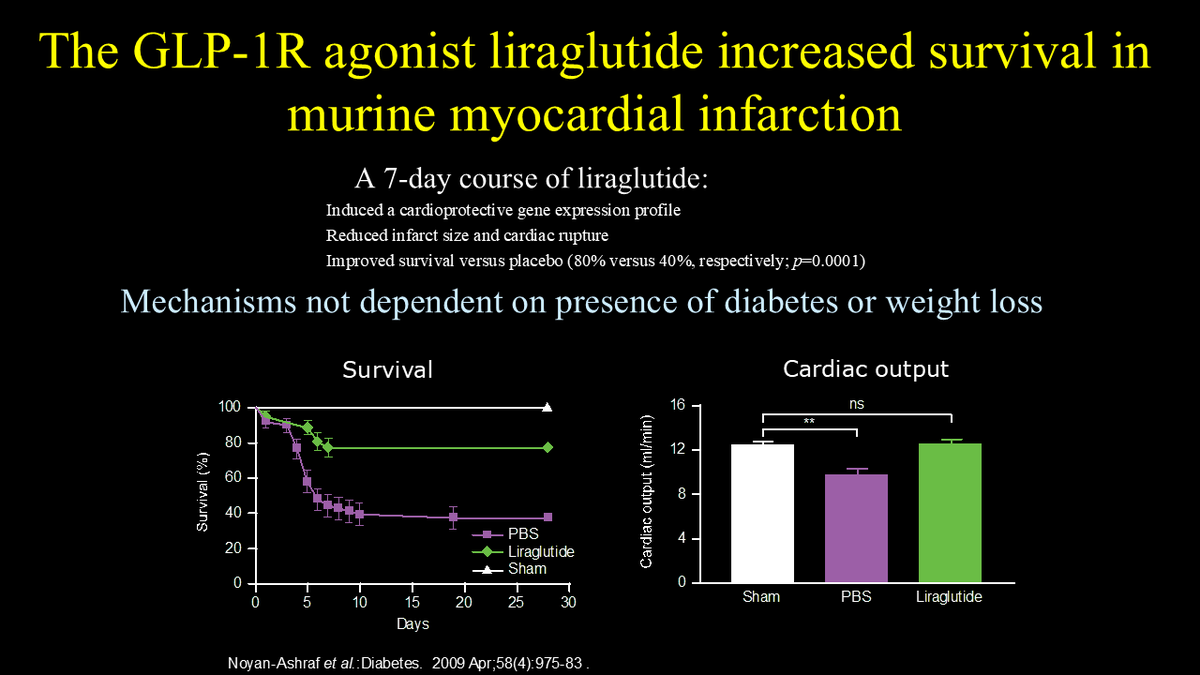
Surprise, or clinical validation of previous findings? 2009. Liraglutide reduces infarct size and death independent of weight loss or glycemic control in mice https://t.co/Q2V40T1Ydl HARMONY Outcomes Trial 2018 Lancet Albiglutide produces 22% reduction in MACE, <1% weight loss
GLP-1 medicines continue to challenge conventional wisdom, with multiple new indications, molecules and mechanisms. Maria Gonzalez Rellan @ChusaGzlzRellan@uoftmedicine provides an update @jama https://t.co/gGUVKhyr7d?
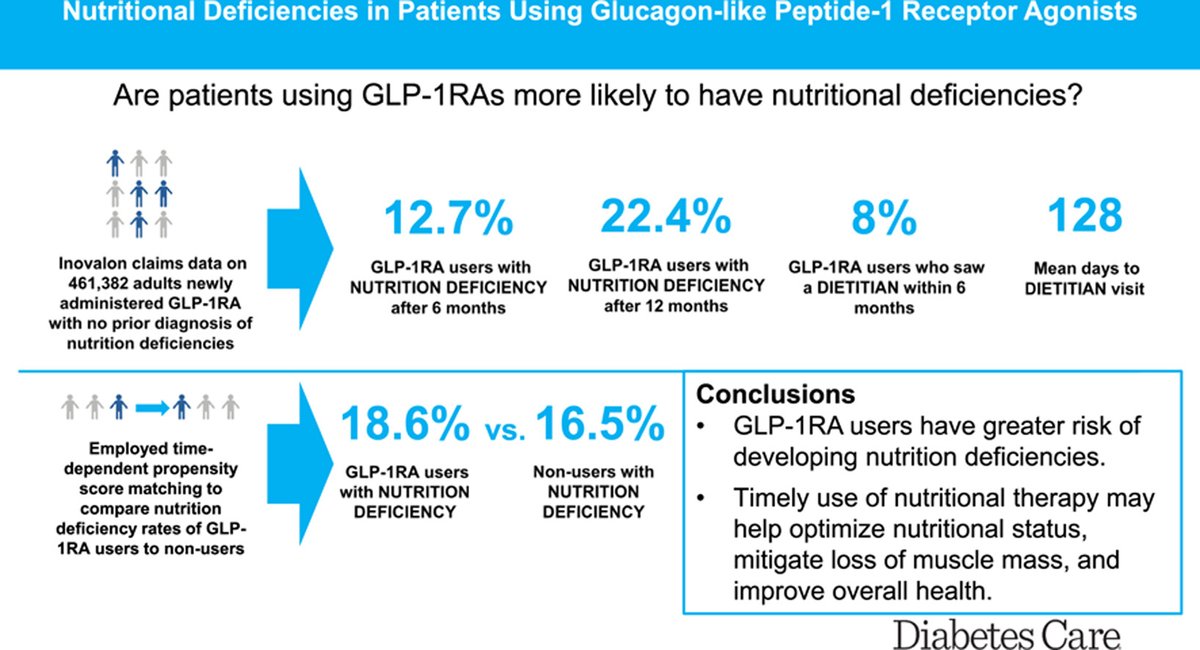
Retrospective claims data reveals over 20 % of GLP-1 medicine users had nutritional deficiencies diagnosed within one-year of starting GLP-1RA treatment. https://t.co/UNDbW7pD9j
This is a fantastic study @drbutsch!
👉https://t.co/fb2qL5GSfR
Whether #GLP1s cause micronutrient deficiencies is a hard question to answer with real world data because access to multivitamin/supplements is so easy
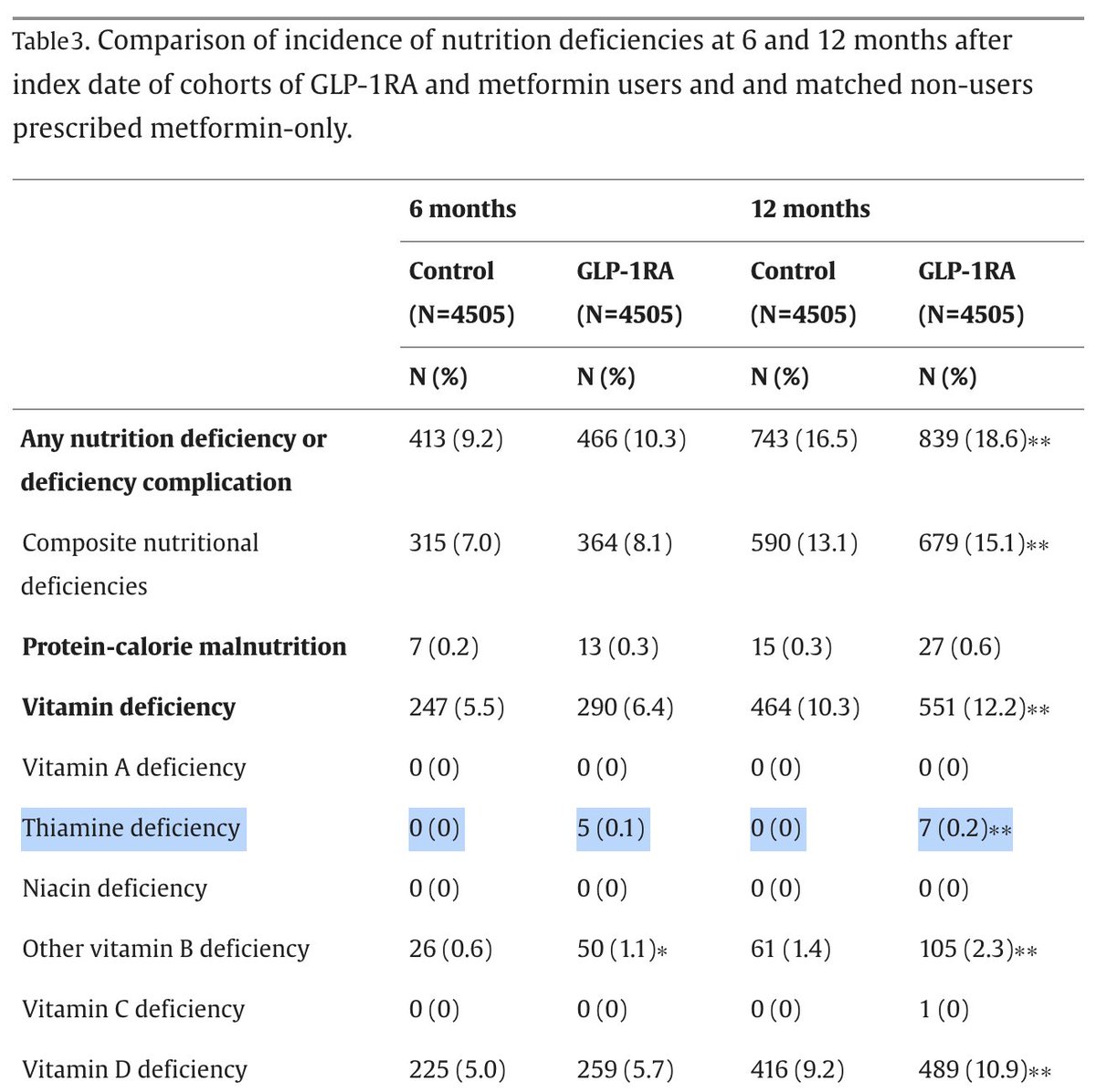
The gold ⭐️ in this retrospective analysis is actually *Table 3* which uses metformin-exposed individuals as the comparator. A crucial observation:
👉 Higher incidence of thiamine (vitamin B1) deficiency with GLP1s at 12 months
(I'm less worried about the vitamin D deficiency--some prevalence estimates are as high as 1 in 3 adults in the general population, without GLP1s)
But the B vitamin deficiencies raises 2 questions:
1. Should we be checking vitamin Bs or preemptively treating?
2. Does this validate GLP1+B12 or B6 compounding? 🧐
#obesity #medicine #nutrition
💉 GLP-1 meds don’t just curb appetite—sometimes they curb essential nutrients too.
- - -
📉 In a study of 460,000+ adults on GLP-1s (mostly with T2D):
🔹13% developed nutritional deficiencies in 6 months
🔹22% within 12 months
🔹Vitamin D deficiency was most common (13.6%)
🔹3% experienced muscle loss
🔍 Patients who saw a dietitian were more likely to have deficiencies identified—not because dietitians caused harm, but because they actually looked.
💡 Clinical translation:
🔹Appetite suppression can lower intake of protein, vitamins (D, B12, folate), and minerals.
🔹Without supervision, this can compromise muscle mass, hydration, and metabolic health.
🔹Older adults and those with obesity are especially vulnerable due to baseline deficiencies.
Treating obesity isn't just about weight loss—it's about preserving health while losing weight.
✅ That’s why supervised care with physicians + registered dietitians is non-negotiable.
✅ Monitor labs (Vit D, B12, iron, folate).
✅ Emphasize protein, strength training, and hydration.
📚https://t.co/zFOUF6CKcv
Credit to @drbutsch and colleagues.
ICYMI 🚨 Senate Judiciary Committee Hearing On Pharmacy Benefit Managers
"[The big 3 PBMs] engage in self-dealing to steer patients to a PBM’s preferred pharmacy and they squeeze out small, rural pharmacies—not just in Iowa, but in Illinois too—with lowball payments. PBMs also abuse rebates and fees to manipulate their formularies, ensuring they—not the doctors—decide which drugs patients receive" @SenatorDurbin
https://t.co/9XRTBgs0R1 @SenJudiciaryGOP@JudiciaryDems
🚨 New data drop: GLP-1s are shrinking more than waistlines—they're reshaping the grocery cart.
- - -
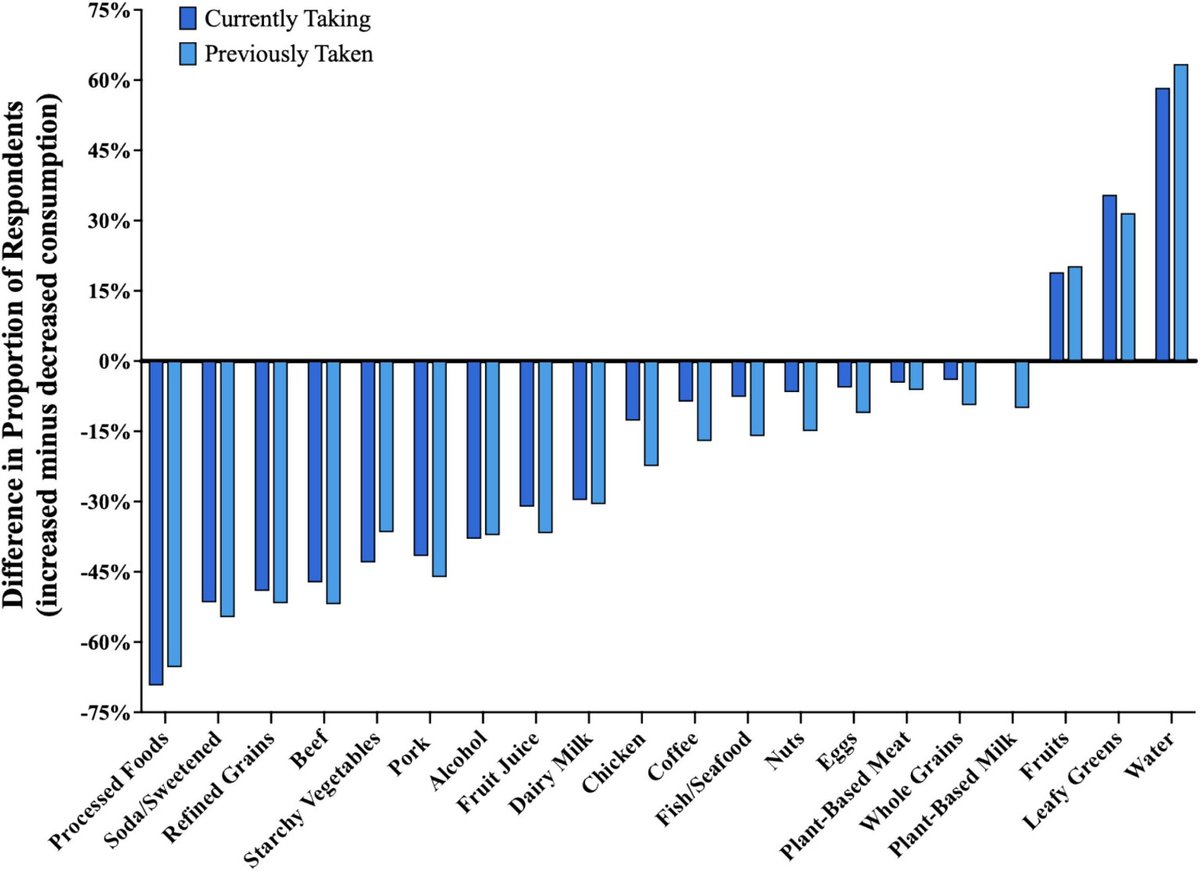
A large consumer survey (n=1955) just revealed how GLP-1 meds like Wegovy and Zepbound are disrupting diets—and potentially the entire food industry. ⬇️
Key survey takeaways
🔹Average reduction in reported intake while on a GLP-1: –700 to –990 kcal/day
🔹 Biggest cut‑backs: processed foods (‑70 %), sugary drinks (‑50%), refined grains & beef (-50%)
🔹 Biggest upticks: leafy greens (+30%), fruit (+15%), plain water (+60 %)
The plot twist: Cravings for high‑calorie treats stay high—even as forks stay down.
Early mechanistic work suggests GLP‑1 therapy:
▪️ Turns up sweet‑taste sensitivity 🧠👅
▪️ Turns down the dopamine “yum” for fatty foods 🍟➡️😐
▪️ Rewires brain‑gut circuits, breaking the usual want → eat loop
📊 Demographics matter: Women, those with higher education and income, and larger households were more likely to be current or future GLP-1 users.
Why it matters
🧠 Takeaway: These meds don’t just suppress appetite—they subtly rewire preferences. That has massive implications for food marketers, clinicians, and public health efforts.
Source: https://t.co/UxyUfeIf52
#Obesity #GLP1 #Ozempic #Wegovy #Zepbound #NutritionScience #FoodTrends #Metabolism
🌟 New research to be presented at #ECO2025 in Malaga, Spain, 11-14 May suggests that weight loss programmes targeting a particular % of weight loss often fail and that other factors should be considered.
Read more: https://t.co/384RkuUnEw
@ObesityCan
🧬 NEW STUDY: Obesity’s Massive Health Impact--from my research group, led by the brilliant @yao_zhiqi.
- - -
🚨 In a nationwide study of 270,000+ adults using the All of Us Research Program, obesity was linked to a higher risk of 16 health conditions—with risk increasing by obesity severity (BMI ≥30).
📊 Top Takeaways
• 42.4% of U.S. adults have obesity; 9.8% have class III (BMI ≥40)
• Class III obesity was linked to:
🔹 11x higher risk of Obstructive Sleep Apnea
🔹 7.7x higher risk of Type 2 Diabetes
🔹 6.7x higher risk of Fatty Liver Disease
🔹 3.5x higher risk of Heart Failure
❤️🩹 51.5% of Obstructive Sleep Apnea cases in the population could be attributed to obesity. Similar trends were seen for T2D, gout, and fatty liver disease (MASLD).
💊 As anti-obesity medications like semaglutide and tirzepatide reshape treatment, understanding obesity’s full burden is crucial for prevention and policy.
🔍 This is one of the largest and most diverse obesity studies ever conducted in the U.S., reinforcing obesity as a root cause—not just a risk factor.
📚 Source: https://t.co/Y5a14RJuac
#Obesity #PublicHealth #GLP1 #Semaglutide #ObesityCare #AllOfUs #ChronicDisease #HealthcareInnovation
Thanks to all the collaborators @CiccaroneCenter@MichaelJBlaha@BevTchangMD@rblument1@khurramn1
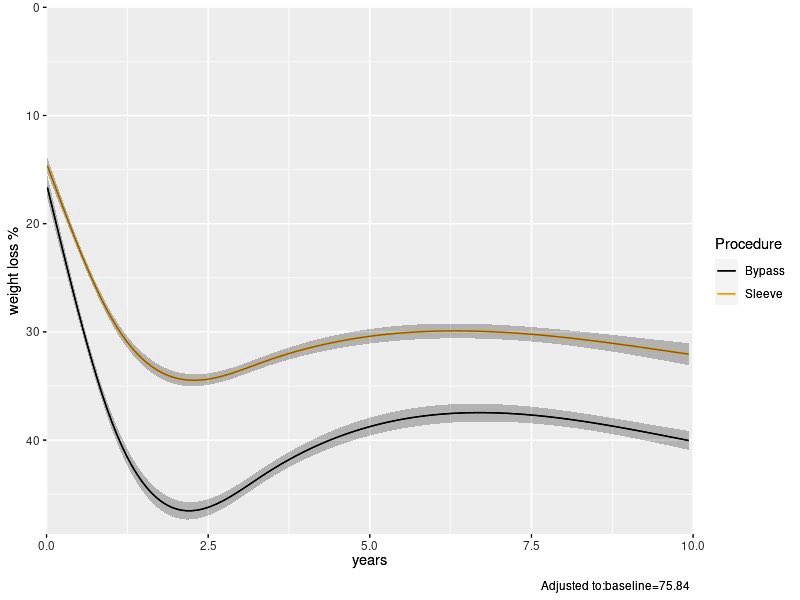
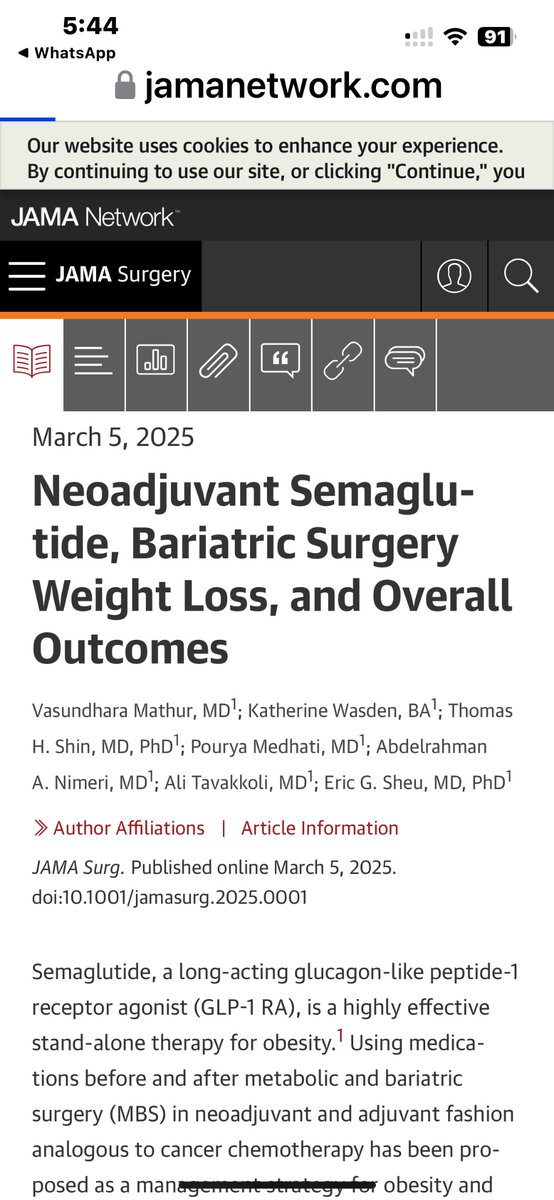
Does a Semaglutide first strategy before MBS lead to more weight loss compared to MBS alone ?
@egsheu led a research team from
@BrighamSurgery to study a marched cohort of >350 patients after MBS
👇
@JAMASurgery@vmathurmd@TomShin_
https://t.co/07WnL0XwBV
Image