I have alot of thoughts and will try to keep this brief, but there are two fundamental issues with this article that undercut its thesis.
1) AI technical capability. AI is actually technically more capable of doing language work than vision work. This is pretty evident in AI overall (e.g., math, code, and language can be automated more broadly than image recognition), and it is also true in medical AI. Look at all these recently published medical AI studies. You will see one pattern: all of these "AI > human doctor" studies on CPC and ED medical diagnosis (e.g., Microsoft's MAI-DxO, which outperformed generalist physicians by more than 2x using older models like GPT5) omit AI interpretation of the medical images; these AI models are given the radiology reports and pathology reports (i.e., language), not the images. OpenEvidence last year claimed to score 100% on the USMLE, with the caveat that they omitted questions with images. This is all to say that, on a technical capability level, AI is further ahead in replacing tasks that deal with text than tasks that deal with images.
2) The idea that physical presence cannot be substituted is silly. The bottleneck has always been physicians' cognitive ability and knowledge. If AI is proven to be able to do the cognitive work no matter how subspecialized, then why must it be a physician who remains in the room? (To be clear, I'm not saying the physician shouldn't be.) Why not have a PA or NP in the room with the patient to do the physical/human interaction, have the conversation recorded and fed into the AI, and then have the AI give you an assessment and plan? PAs/NPs already practice independently in many states, in the ED and in primary care settings, etc. What's to stop PAs/NPs from acting as an "AI wrapper" and using AI to outperform MDs/DOs in, say, cancer diagnosis and treatment? This is not hypothetical. All the ingredients needed to do that already exist today.
Btw, the authors claimed AI can interpret medical images. Since this article is about replacement, I assume what they meant is "interpret at the level of a radiologist." That's not true, at least not yet. There is no AI today that can generally interpret studies end to end at the level (breadth and depth) of a radiologist — by correlating with relevant prior studies (not necessarily of the same modality), clinical history, etc. There are first-generation AI tools that spot pneumothorax or not, PE or not, fracture or not, etc. Recently, there are also AI tools that pre-draft reports and fill in common findings (though with lower accuracy on any specific finding than the first-generation tools). But there are no general AI radiologists (yet).
"AI will replace radiologists." So why did the toppers pick it?
Every radiologist my age has heard it at least once: "AI will replace you."
Among doctors in their 40s and 50s, it is the worry I hear most often. Now look at what 28,000 young doctors just did in NEET PG 2026 Round 1
The numbers
Radiology opened at rank 7. Of the top 100 who took a seat, 28 chose Radiology. Of the top 1,000, 299 did.
Half of all Open MD Radiology seats in the All India Quota went within rank 635. The last one closed at 3,058, the tightest of any major branch.
Within the top 10,000, 1,154 seats went to Radiology. Half of those were DNB or diploma. Toppers were willing to take any route in.
The NBEMS Radiology diploma opened at 1,534 and closed at 15,479, ahead of MD seats in six other branches.
352 doctors took Radiology in deemed universities, paying deemed university fees for it.
Nuclear Medicine, the other imaging branch, closed at 838 for MD.
If the AI threat were real in their eyes, this is not what the list would look like.
What do they see that we are missing?
My reading, as a radiologist and a teacher of 26 years:
1. They see AI as a tool. This generation grew up with software doing half the work. To them, an AI that drafts a report is like a calculator. It makes the radiologist faster, not unnecessary.
2. They know who gets replaced. It is the radiologist who refuses to use AI.
3. They see where medicine is going. More and more clinical decisions now pass through an image. More scans, more follow ups, more screening, more interventional work.
4. They value the life it offers. Teleradiology, flexible hours and a skill that travels across cities and borders.
So is the new generation right?
I think they have sensed something many of us are still debating. The fear was that AI would make radiologists irrelevant. The young doctor's bet is that AI will make good radiologists indispensable.
Data: MCC provisional allotment, NEET PG 2026 Round 1. Open seats.
#NEETPG2026 #Radiology #AIinHealthcare #MedicalEducation #FutureOfMedicine
@jabberwock951 The new guidance is classic NHS management: Over regulated, and completely out of touch with clinical ground reality and practice. The benefits outweigh the risks for legitimate professional access and should not be strangulated with admin work of writing notes to prove usecase.
@jabberwock951 Folllowing up on one of my cancer MDT patient's records, I figured the MDT outcome belonged to a different patient in their record and the other patient had to be found. This error was not picked by anyone for upto 3 days when I spotted it on my follow up and then corrected.
@bhatia_nachiket This is how it has always been for residency in india to the extent it has become normalised as the post title itself says "resident doctors".
@ukboomers I am 100% convinced this account is a social satire on UK housing and people are failing to grasp the gist in comments on every single post. My top fav satire account even if you are not one.
@100kDiary Completely agree with this perspective. If it gets invested and profits outrun it, it is simply like paying 25% CGT in case you need the money or better, great compounding for later life. Savings that grow over time will always matter over cash that deflates with time.
This may seem arcane, but it’s a deeply concerning & spectacularly cynical move from this government to sideline NICE - the National Institute for Health and Care Excellence - whose role is vitally important in protecting NHS patients from the lobbying clout of the Pharma industry lobby.
Until now - and since 1999 - NICE has made independent, evidence-based decisions about which medicines constitute value for money for the NHS to buy. Largely free from political manipulation, it’s renewed internationally as a model of how to protect patients against excessive drug company prices. It enables the NHS to strike hard bargains with Big Pharma.
But @wesstreeting has just used a statutory instrument in parliament (that no-one has voted on) to award himself power to dictate what the NHS pays for drugs, overriding NICE’s vital role in insulating the NHS from pharmaceutical price gouging.
Why would he do something so self-evidently bad for patients? Because, it seems, this is a price the government is willing to pay to do a deal with Trump on US-UK drug pricing.
What an outrageous power grab for a man who claims to care about patients. Already hospitals up and down the country are cutting staff and closing services under pressure to make cost savings. But every pound spent on, essentially, increasing profits for US Pharma is money that *doesn’t* get spent on nurses, doctors and treatments we know are good value for money.
As the editor of the BMJ, @KamranAbbasi, wrote this week, this: "will end up harming vulnerable people to boost the profits of already obscenely profitable drug companies."
Starmer has shamelessly caved in to the White House. Even the former Tory Health Secretary, Andrew Lansley, now a Lord, has joined forces with Labour and Lib Dem MPs opposing Streeting’s power grab.
Truly an appalling move from a government that claims they’re rebuilding the NHS while, in this case, blatantly undermining our abilities to provide cost-effective care.
New paper on PAs has dropped.
Arguably better conducted research than similar in past.
Points to what a complete dog's dinner the PA project has been. No planning. No regulation. No governance.
Much to pick over.
https://t.co/3sTTvGJ8iH
Inflation up to 3.3%, The DDRB’s recommendation of 3.5% as expected looking ludicrous. Even before the fact they stated consultants total pay had been markedly eroded but then rather than doing their job they said should be reset by giving away contractual protections - paying for our own pay restoration.
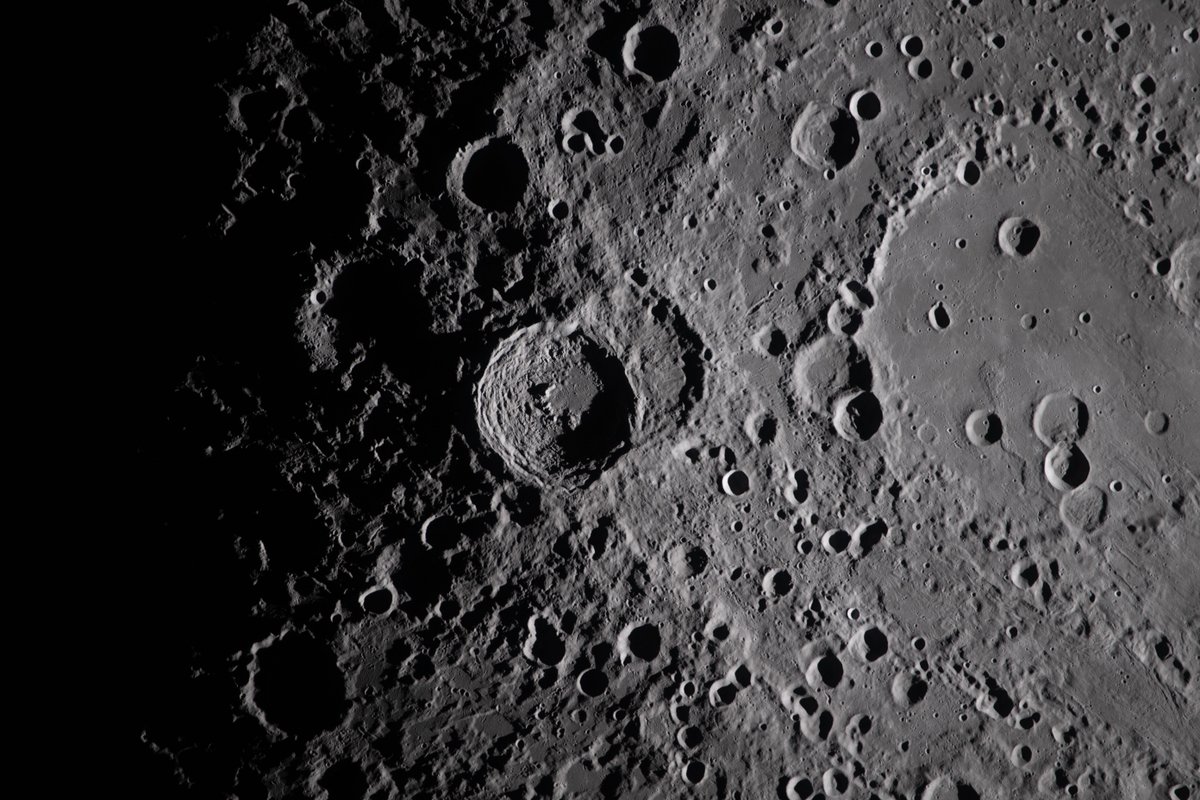
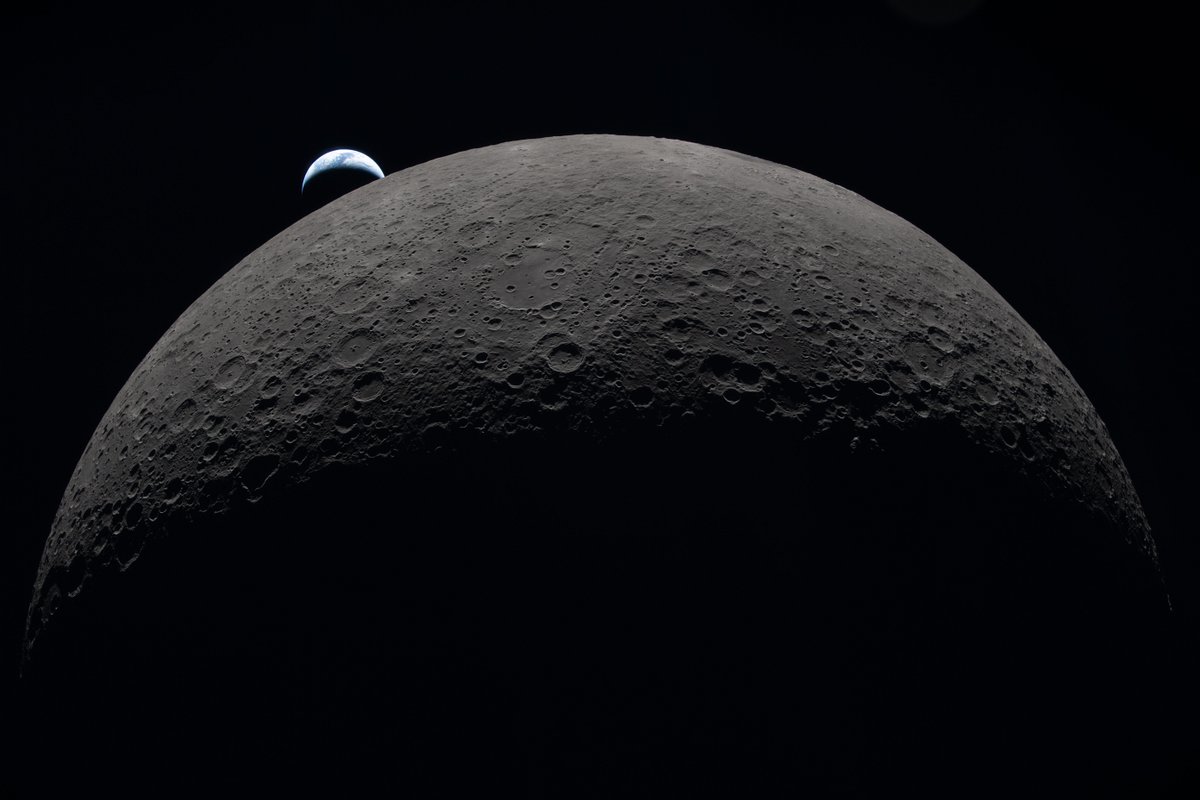
THE ARTEMIS II ECLIPSE.
April 6, 2026.
Totality, beyond Earth. From lunar orbit, the Moon eclipses the Sun, revealing a view few in human history have ever witnessed. Photo: NASA
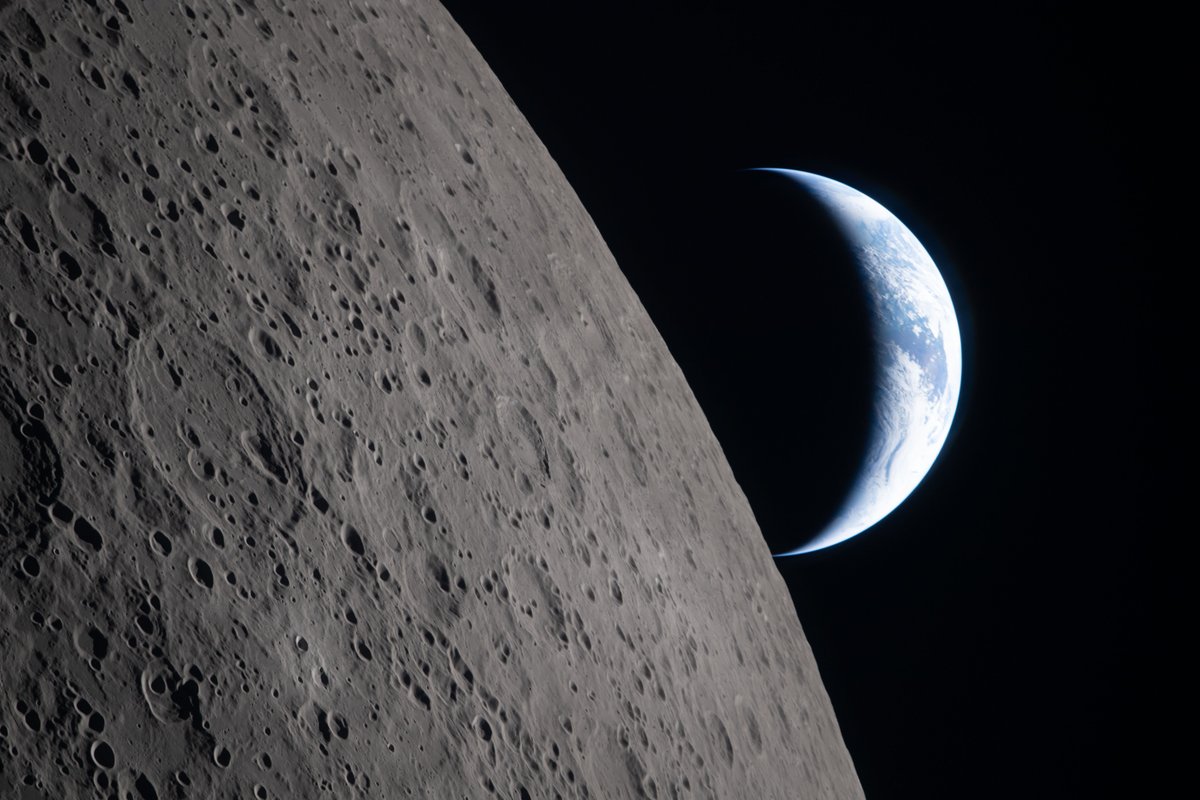
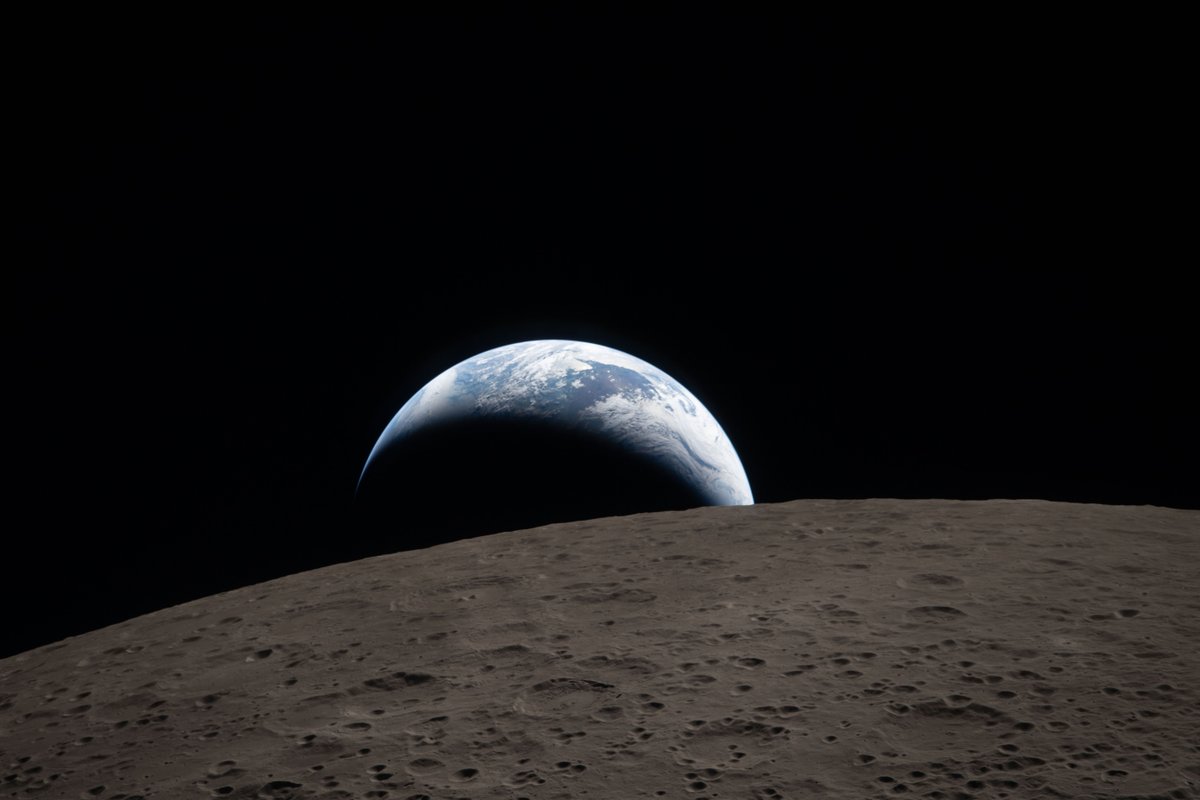
Hello, Moon. It’s great to be back.
Here’s a taste of what the Artemis II astronauts photographed during their flight around the Moon. Check out more photos from the mission: https://t.co/rzM1P0QbOl
Tax his land, Tax his bed,
Tax the table, At which he's fed.
Tax his tractor, Tax his mule,
Teach him taxes are the rule.
Tax his work, Tax his pay,
He works for peanuts anyway!
Tax his cow, Tax his goat, Tax his pants, Tax his coat.
Tax his ties, Tax his shirt, Tax his work, Tax his dirt.
Tax his tobacco, Tax his drink, Tax him if he Tries to think.
Tax his cigars, Tax his beers, If he cries Tax his tears.
Tax his car, Tax his gas, Find any way To tax his ass!
Tax him all he has, then let him know
That you won't be done Till he has no dough.
When he screams and when he hollers;
Then tax him more, take all his dollars
Then tax his coffin, Tax his grave,
Tax the sod in Which he's laid...
Put these words Upon his tomb:
‘Taxes drove me to my doom...'
When he's gone, Do not relax,
It's time to apply Inheritance Tax!
#BudgetDay
If one immigrates to any given country, they must respect the laws and culture of that country and contribute to that country to the best of their ability, doing no harm.
That applies to ALL countries.