Associate Professor|Nephrologist|Mysore Medical College|Karnataka India. @Niranjan’s Health Care | Secretary |(MyNa)|Mysore Nephrology Association| Researcher
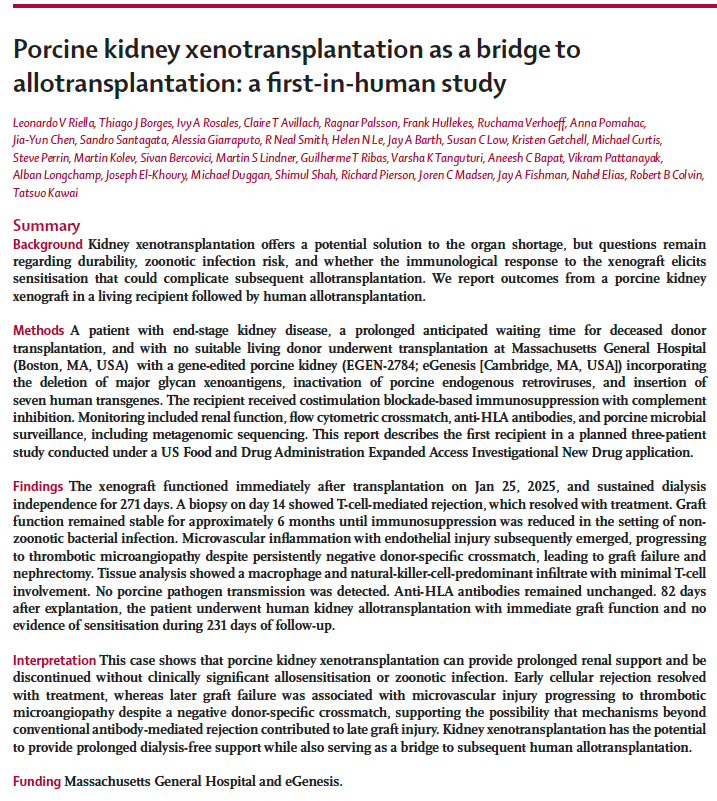
Our latest study, just published in @TheLancet, reports the first successful transition from porcine kidney #xenotransplantation to human kidney transplantation.
A genetically engineered pig kidney provided >9 months (271 days) of dialysis-free kidney function before successful human transplantation, supporting xenotransplantation as a potential bridge while preserving future transplant options.
Beyond the clinical milestone, the study provides new insights into late microvascular inflammation and innate immune activation that will help shape future immunosuppressive strategies and donor genetic engineering.
Link to article: https://t.co/RCZFq2w5vD
@mgh_transplant@MGHSurgery@MGBResearchNews@MGBKidneys@eGenesisBio
In this article we show how the cancer incidence is higher in patients with PLA2R associated MN compared to general population- prostate cancer was one of the most common. Age appropriate cancer screening is essential in this group!
https://t.co/Z0Mo90u8Lf
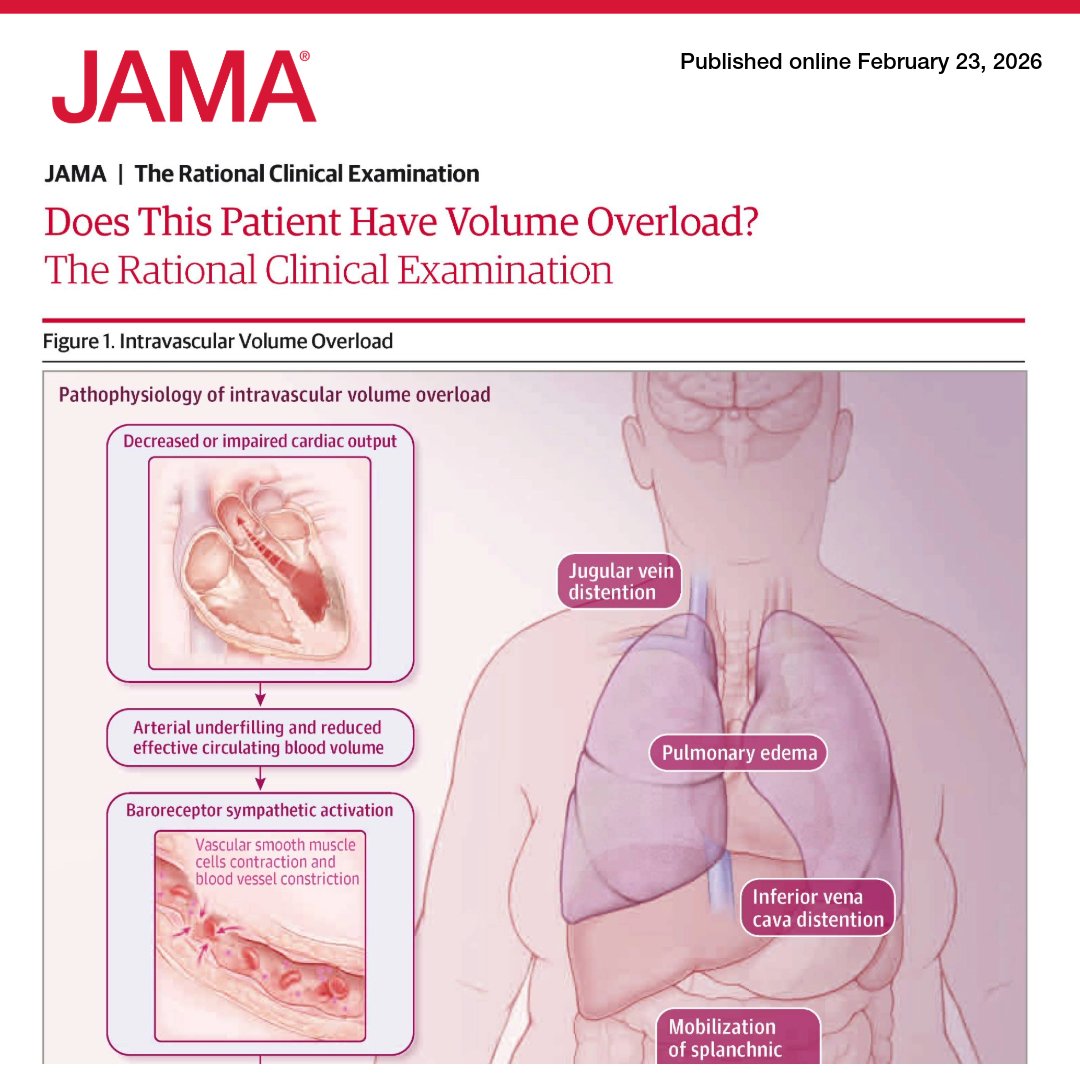
How can volume overload be reliably excluded at the bedside?
📊 This Rational Clinical Examination evaluates the diagnostic accuracy of clinical examination, radiographic imaging, and laboratory testing in assessing volume overload in nonintubated patients.
https://t.co/AkRpUEwfbJ
🎯 Prazosin: A Beacon of Hope for Nightmares in PTSD (Post-traumatic stress disorder)?
👉 Adrenergic hyperactivity begins at night, leading to increased responsiveness of alpha-1-adrenergic receptors, which promotes rapid eye movement (REM) sleep alteration, increases the frequency of nightmares in PTSD
👉 Prazosin is considered sufficiently lipophilic to cross the blood-brain barrier and antagonize the α1 receptors in the CNS, blocking the stress responses
👉 prazosin can improve sleep and reduce nightmares associated with PTSD
👉 Studies of a larger and more diverse patient population are further needed
Source: 1. https://t.co/hRdseugoli
2. https://t.co/JkAFobJduH
#prazosin #antihtn #alpha #PTSD #neph
KDIGO is excited to share the publication of the 2025 Clinical Practice Guideline for the Management of IgA Nephropathy (#IgAN) and IgA Vasculitis (#IgAV), along with the Executive Summary in @Kidney_Int.
Read the Guideline in KI: https://t.co/OvxwTGjjXx
Download the Executive Summary: https://t.co/WLJLwFnlZq
Read the News Release: https://t.co/gHZ1yvcuoe
Co-chaired by Dr. Jürgen Floege (DE) and @BradRovin, this update to the 2021 KDIGO Glomerular Diseases Guideline on IgAN incorporates evidence through August 2024. Given the rapid pace of discovery, KDIGO will continue to update the guideline regularly so clinicians and patients have access to the latest science and recommendations.
“This guideline represents a fundamental shift in how we approach IgA nephropathy,” said Dr. Floege. “For the first time, we can target both the immune mechanisms driving IgA injury and the kidney’s maladaptive responses. This dual strategy offers a roadmap to slow progression and extend kidney survival in ways not possible just a few years ago.”
“The science is moving faster than ever, and the treatment landscape has changed dramatically,” said Dr. Rovin. “With therapies like targeted-release budesonide, sparsentan, and SGLT2 inhibitors, we can intervene earlier and tailor care. We are moving from a single approach to a toolkit of therapies that can truly change outcomes for people around the world."
Download the Guideline: https://t.co/NUzPHXN4Zu
🎯 Managing Genital Mycotic Infections and UTIs Among patients on SGLT2i : Expert Consensus - A Quick Guide
Source: Gorgojo-Martínez et al A
Multidisciplinary Expert Consensus. J.
Clin. Med. 2024, 13, 6509. https://
https://t.co/UBfqatN4p9
#Nephpearls#UTI#SGLT2i#mycotic #infection
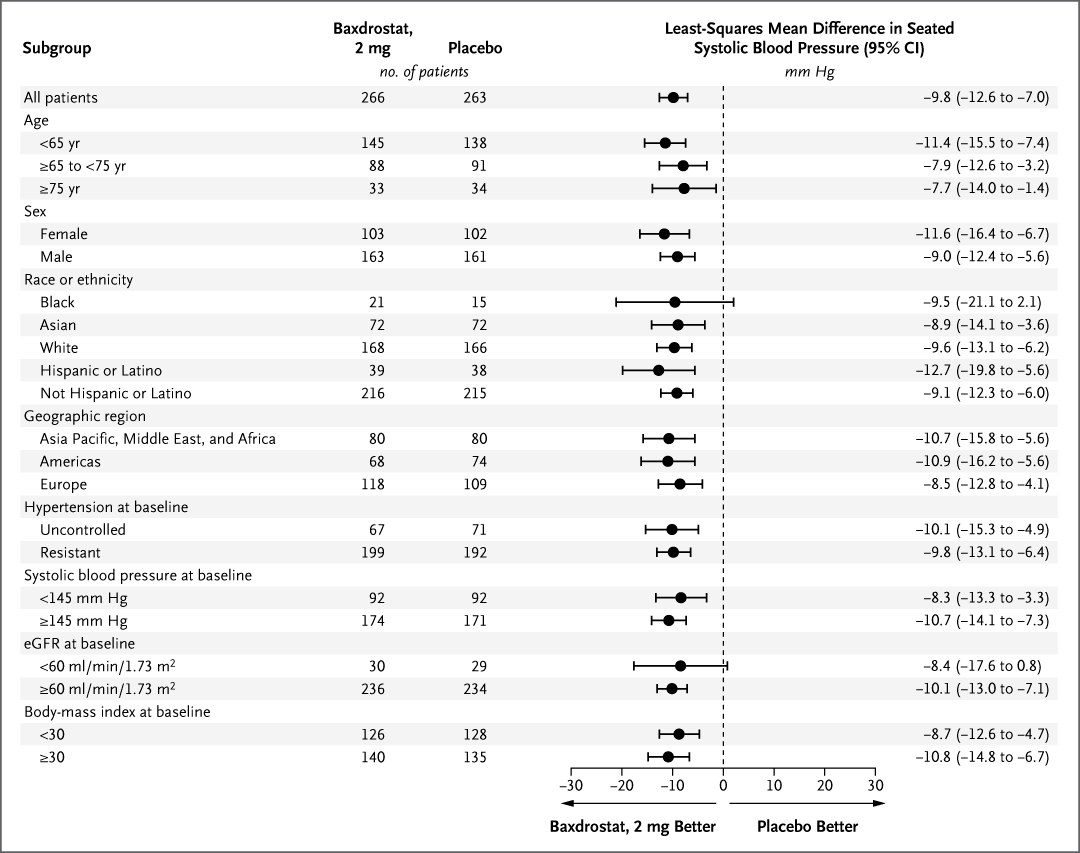
Original Article: Efficacy and Safety of Baxdrostat in Uncontrolled and Resistant Hypertension (BaxHTN phase 3 trial) https://t.co/iRVxdmp7Ss
Editorial: Aldosterone Synthase Inhibition for Hypertension https://t.co/qAx3z4Iy7s
#ESCCongress | @escardio
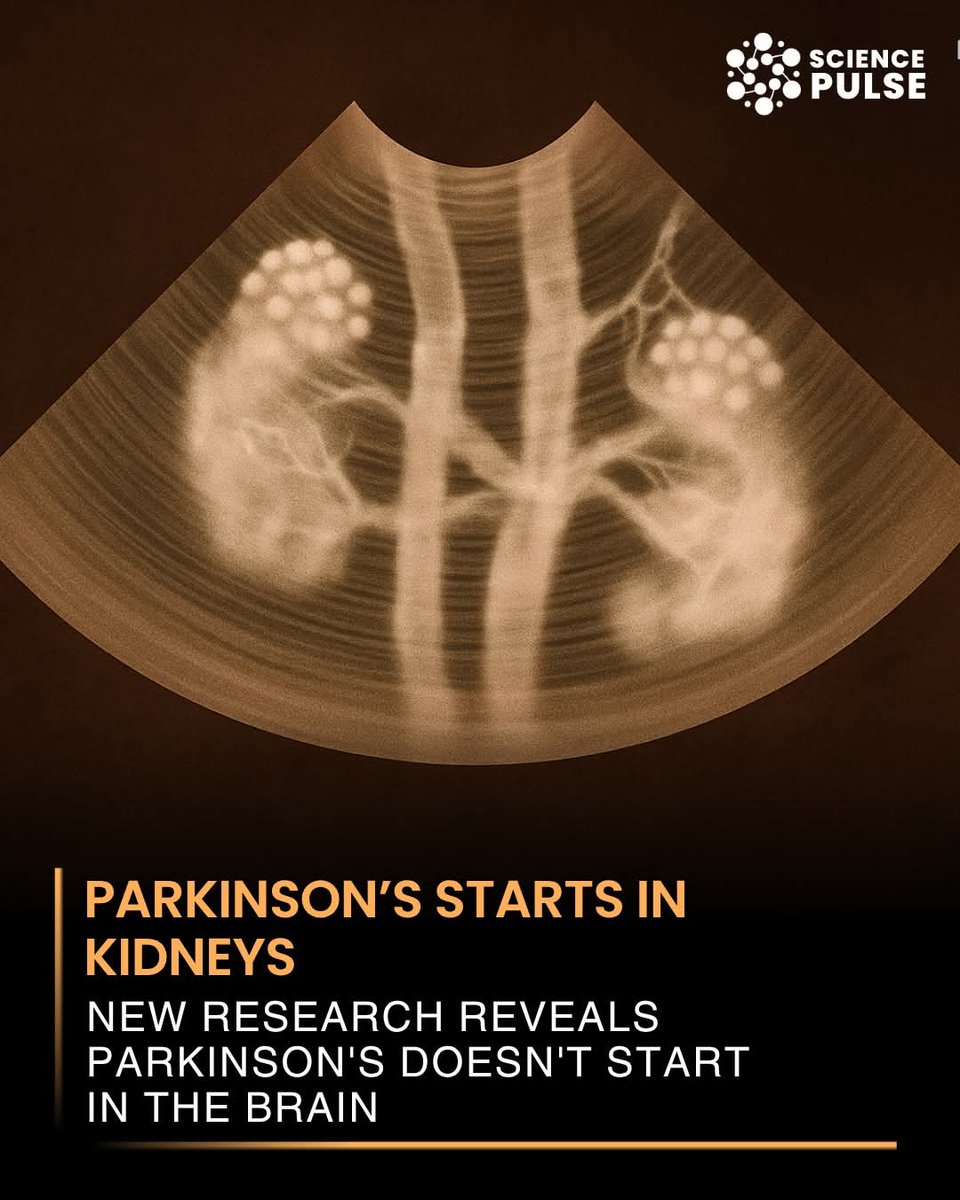
A groundbreaking study from Wuhan University is turning everything we thought we knew about Parkinson’s disease upside down. Researchers now believe the disease may not start in the brain at all, but in the kidneys.
The study found abnormal clusters of alpha-synuclein (α-Syn) proteins, the same ones heavily linked to Parkinson’s, inside the kidneys of affected patients. These proteins are known to trigger neurological damage when they build up in the brain. However, in animal experiments, healthy kidneys successfully cleared these proteins. When kidney function was impaired, the α-Syn proteins began to travel to the brain, setting the stage for Parkinson’s.
Shockingly, even people with chronic kidney disease but no neurological symptoms were found to have α-Syn buildup. This discovery suggests the kidneys might act as an early “reservoir” for toxic proteins, which could later spread through the bloodstream or nerves and affect the brain.
Though early and based on limited data, this research could completely change how we understand and treat Parkinson’s. It raises the possibility that monitoring and protecting kidney health might one day help prevent or delay the onset of this devastating condition.
Occam's razor:
"Diagnostician should assume a single cause for multiple symptoms."
Hickam's dictum:
"A man can have as many diseases as he damn well pleases."
@drniranjanmr2@isn_india@ISNeducation@ECNeph Really high. My pt's creatinine was similar at 9.1
Makes you wonder about the high urea:creatinine ratio and wonder about the usual suspects 👇