Congratulations to @ontowonka and the #N3C team for winning the Grand Prize on #DataSharing as part of the @FASEBorg DataWorks! Challenge! 🎉
And even more congratulations to @ontowonka and the @MonarchInit for winning the Distinguished Achievement Award for #DataReuse! 🎉
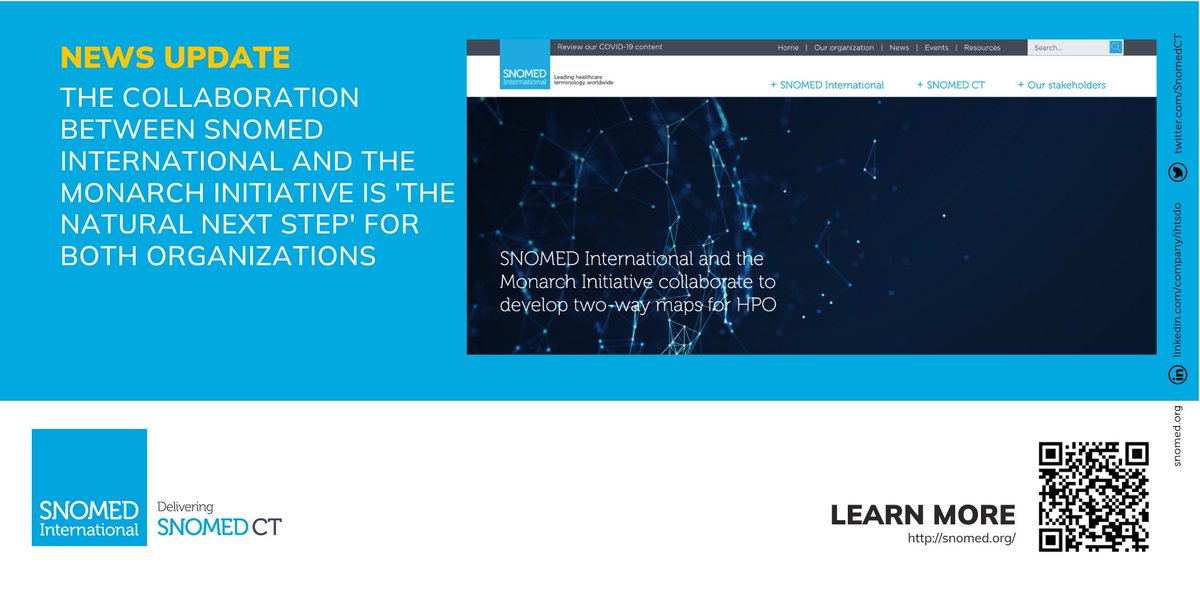
We recently signed an exciting collaboration agreement with @MonarchInit! As part of the agreement, the organizations will work together to develop maps from #SNOMEDCT to @hp_ontology and to @hp_ontology from #SNOMEDCT. Learn more: https://t.co/T0wM2FzJ6v
@sarah_edo Absolutely! We should never forget that "legacy" systems were written by people doing the best they could to generate impact/ship features and so. IMO we should never underestimate that and we better learn from it and plan to evolve it in an organic way.
„it may be useful to introduce specific training modules on the use of HPO nomenclature both in medical school curricula and in post-graduate clinical training programs.“
Anybody here want to share thoughts on how we could make this happen? @hp_ontology
Not any expensive standard is requested. Instead: free and truly open standards that have been proven to work. Read the paper at https://t.co/oL4TnQWSyE
@hp_ontology@MonarchInit
Bridging the language gap - A call for the wider use of Human phenotype ontology by non-geneticist clinicians when requesting genomic tests
https://t.co/RQipSHzKkB
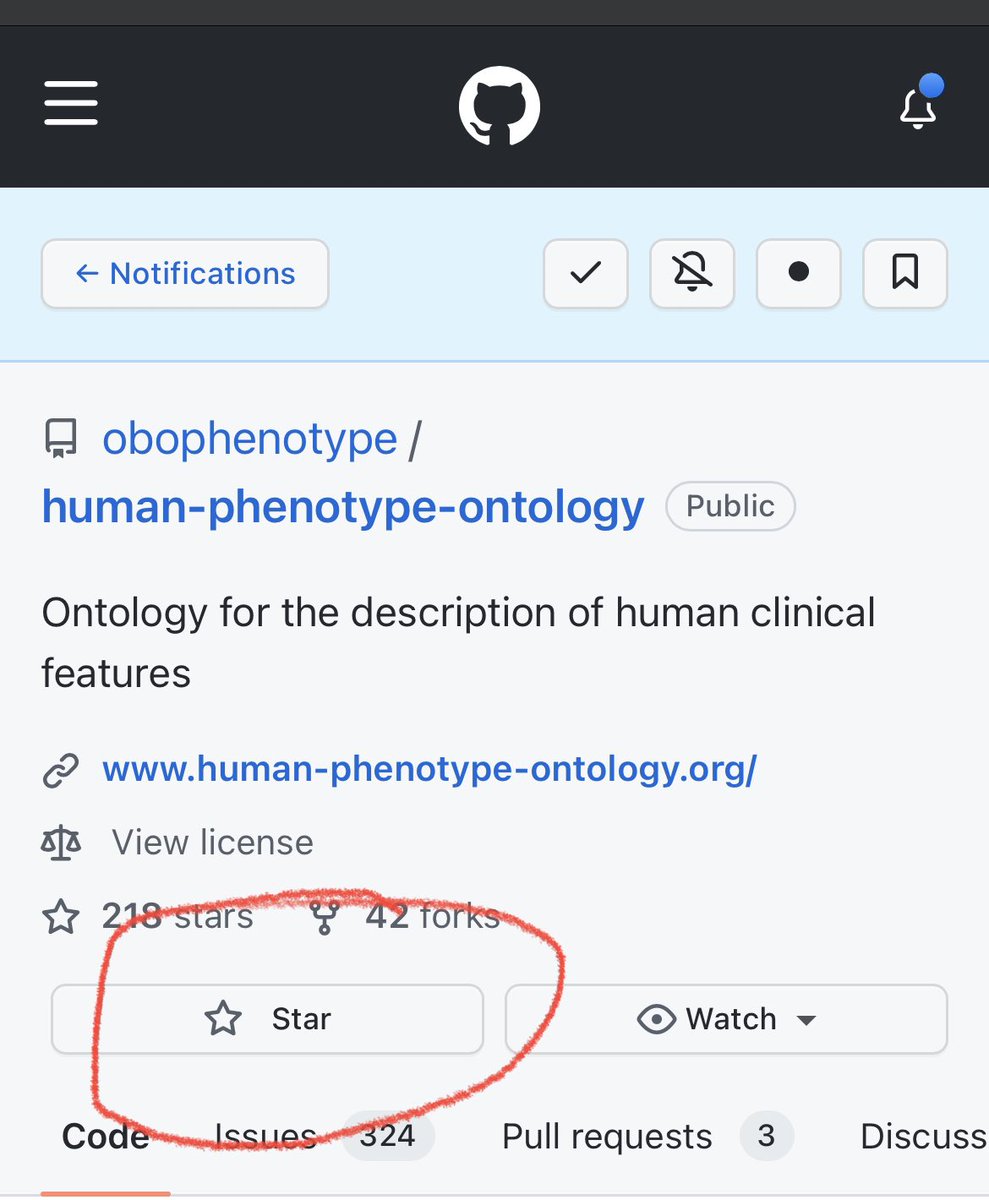
If you have a github account and are a fan of open standards for describing human symptoms and clinical descriptions, please „star“ the human phenotype ontology project on github. @hp_ontology#freestandards#openstandards