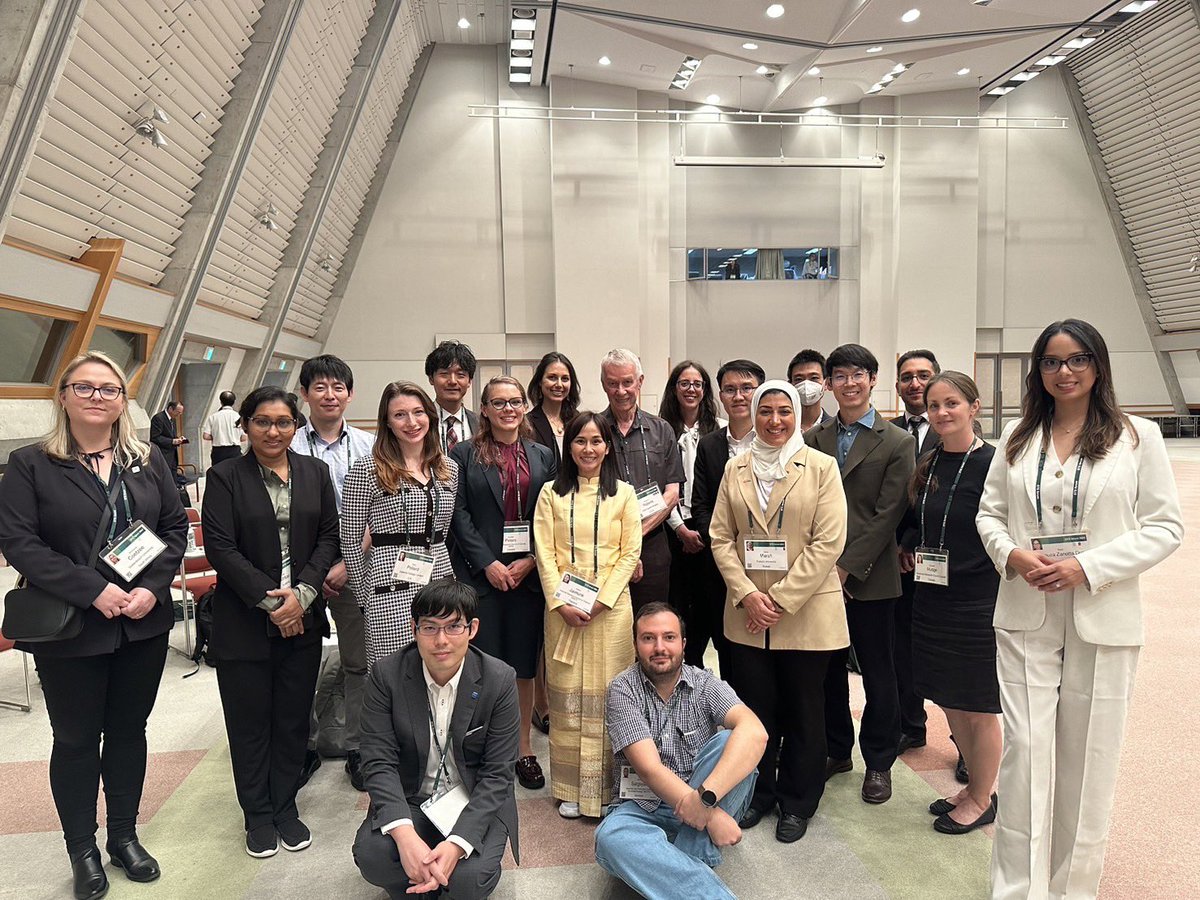
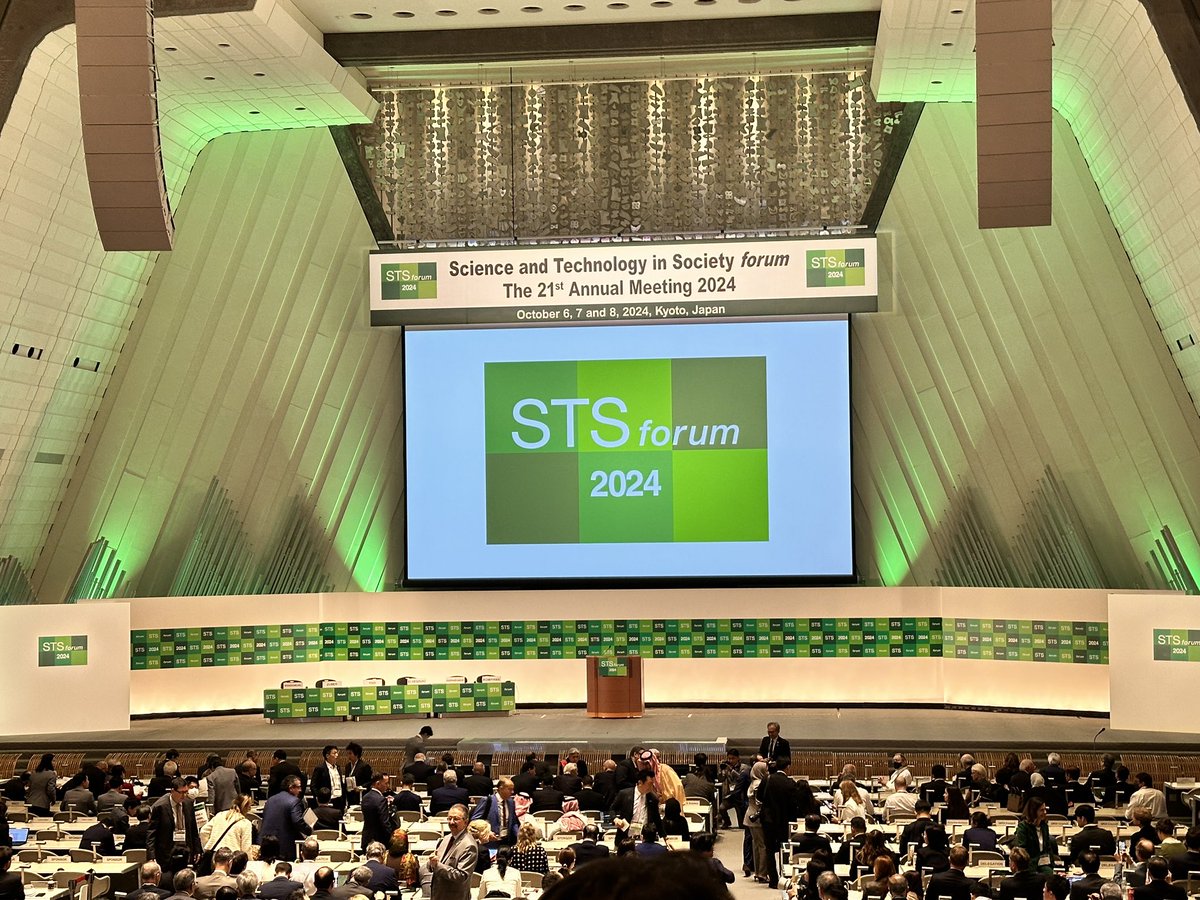
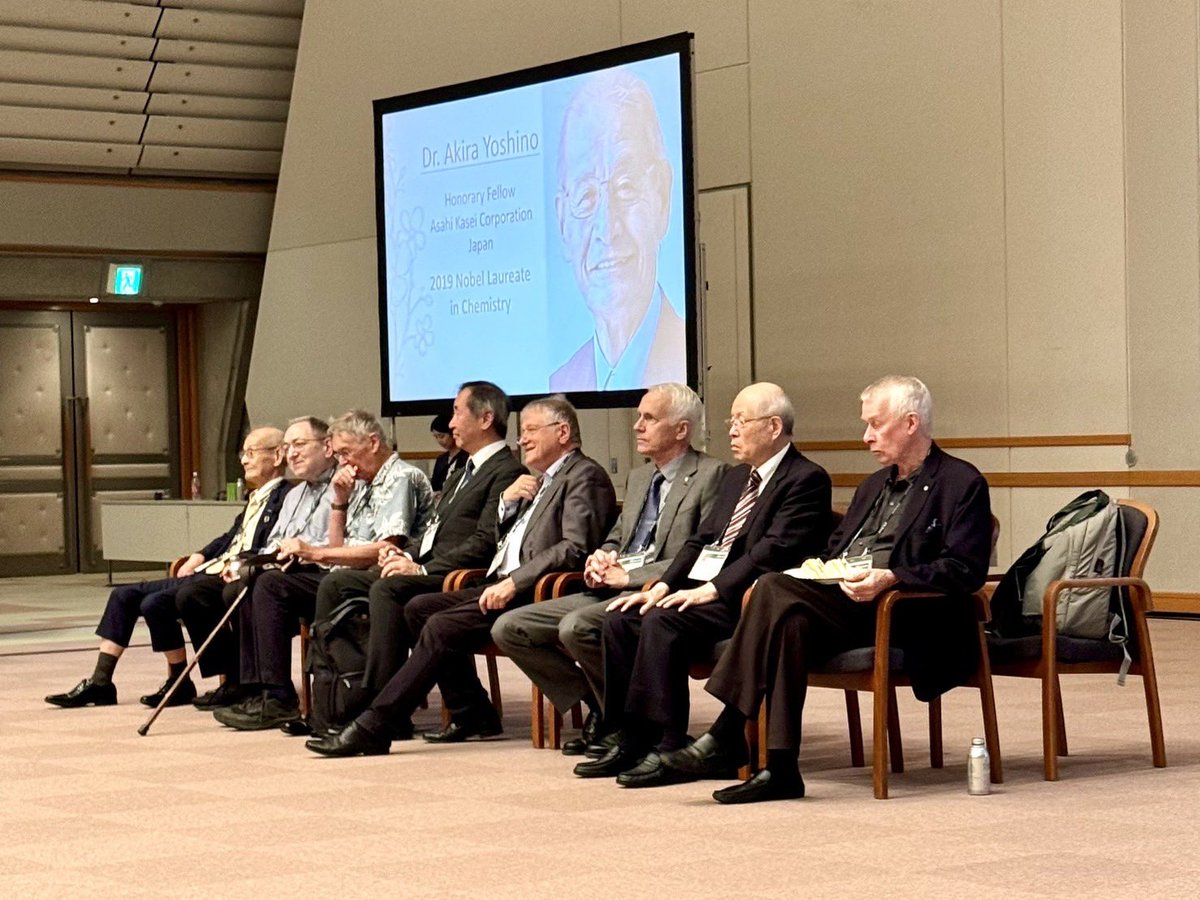
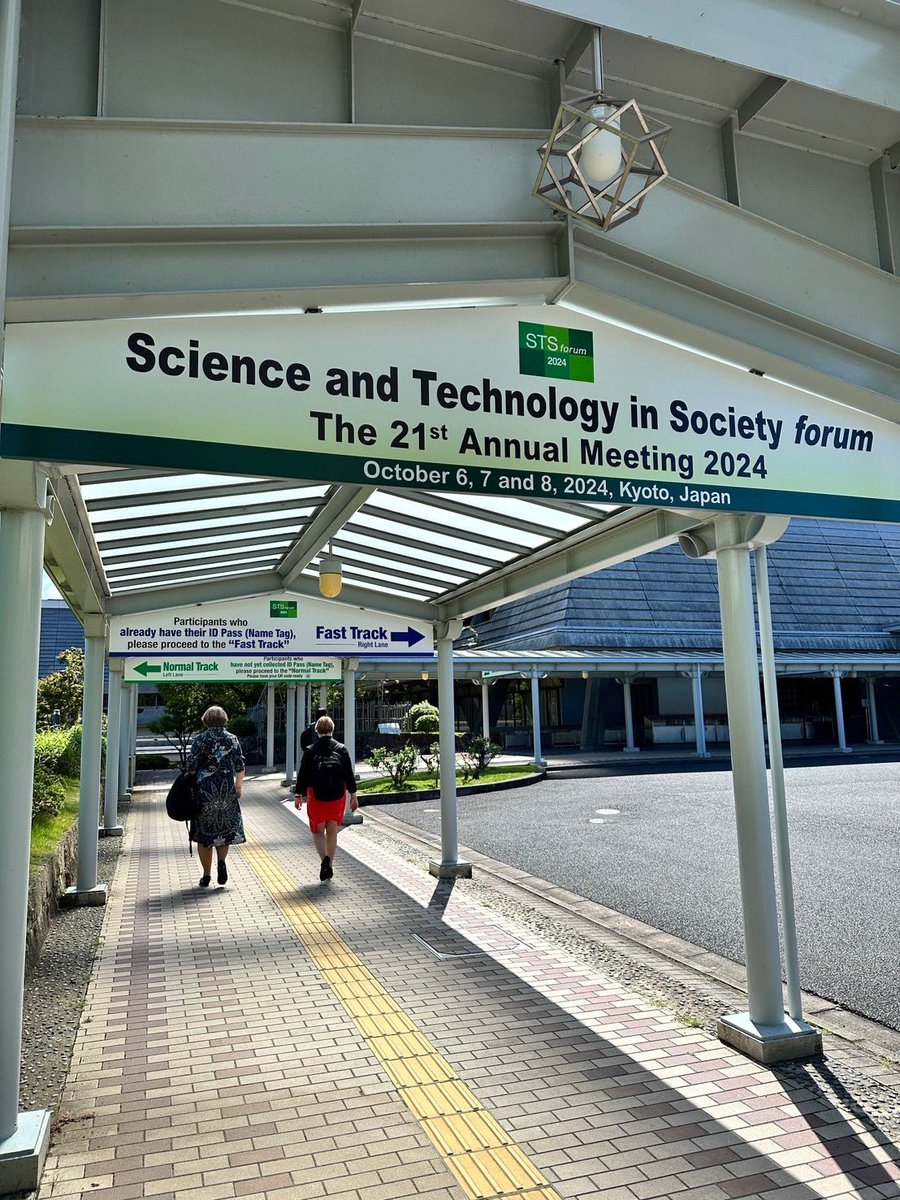
Just wrapped up an incredible experience at the #STSForum2024 in Kyoto! 🌟 Such a great opportunity to network with global young leaders and engage in dialogues with Nobel laureates! Takeaways: Invest in #AI & ensure quality data collection, plus interdisciplinary collaboration.
Want to remember every paper you read and be the most well-read person in the room?
Here is how you can do it:
📚1. Read only two papers a day, slowly
Everyone tries to use AI to read faster. Science is doomed if we all do this, instead read slower! Savour the paper, especially foundational and review papers. I consider 2-4 full papers in one day a lot. Think of yourself as a forensic detective who can solve a crime from just tiny bits of evidence - academia is very similar, and your evidence is papers.
✍️2. Don't highlight – write to remember
The longer you take to write in your own words, the more you consolidate your understanding. When reading the first time summarize every paragraph, especially the introduction.
📝3. Summarize the summaries
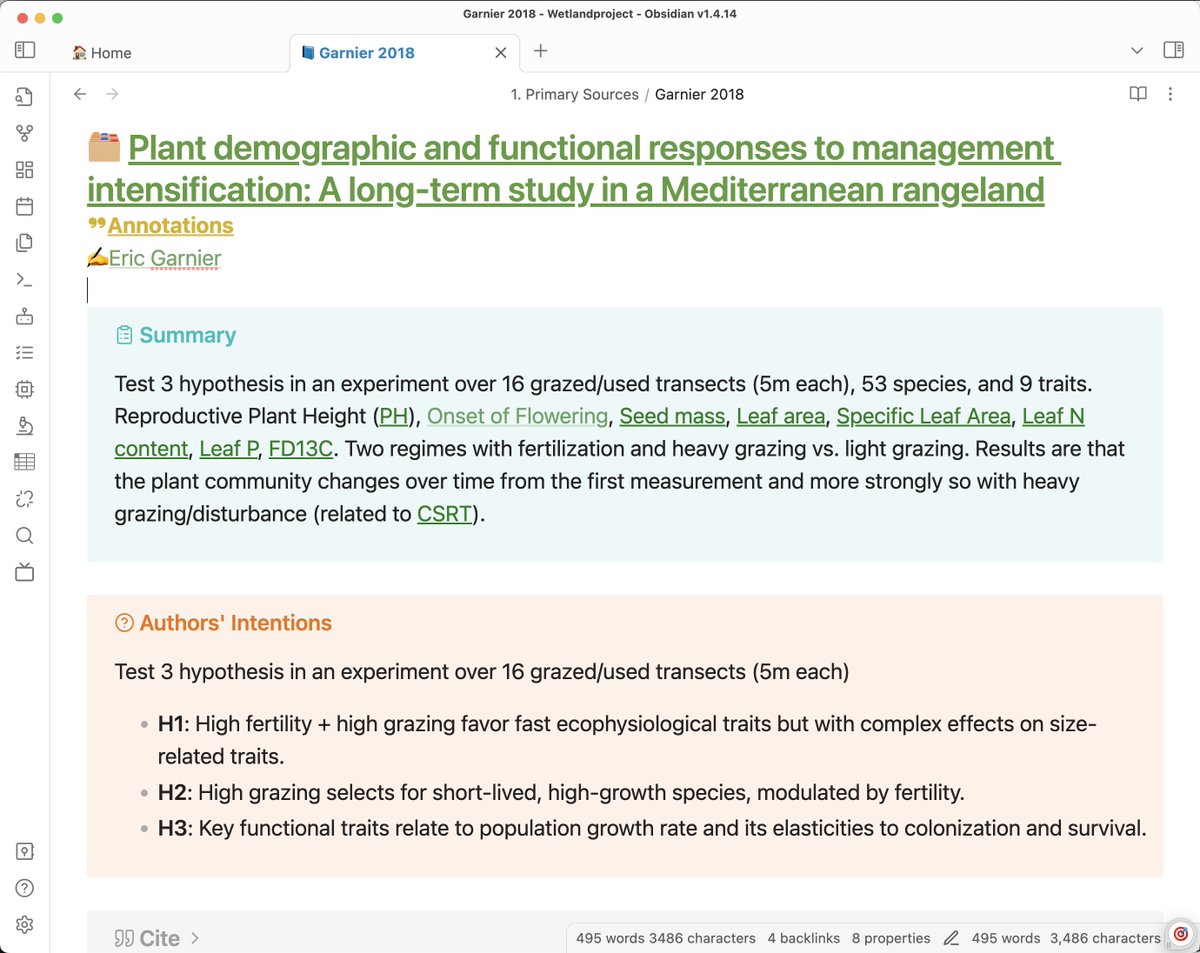
Once you have summarized a paper in your own words, summarize your summary. The advancement of every single paper is often just one tiny idea. (e.g. "Hotter climate leads to plants growing in higher elevation"). Once you get to a point where you have summarized the paper in 1-2 sentences you fully get it.
🤔4. Decode authors' intentions
This is crucial to your understanding. Why did the authors write the paper? Answer this as concisely as you can.
This is how I summarize papers and intentions, notice also the heavy linking to other notes in the summary:
📌 5. Track your sources
Most introduction and discussion sections will have a fair amount of findings from other papers put into context. Whenever you find a relevant idea, write it down and note the original source where it came from. Over time you will find recurring papers and identify what are the "foundational" papers and authors in your field.
📋6. Build a reading wish list
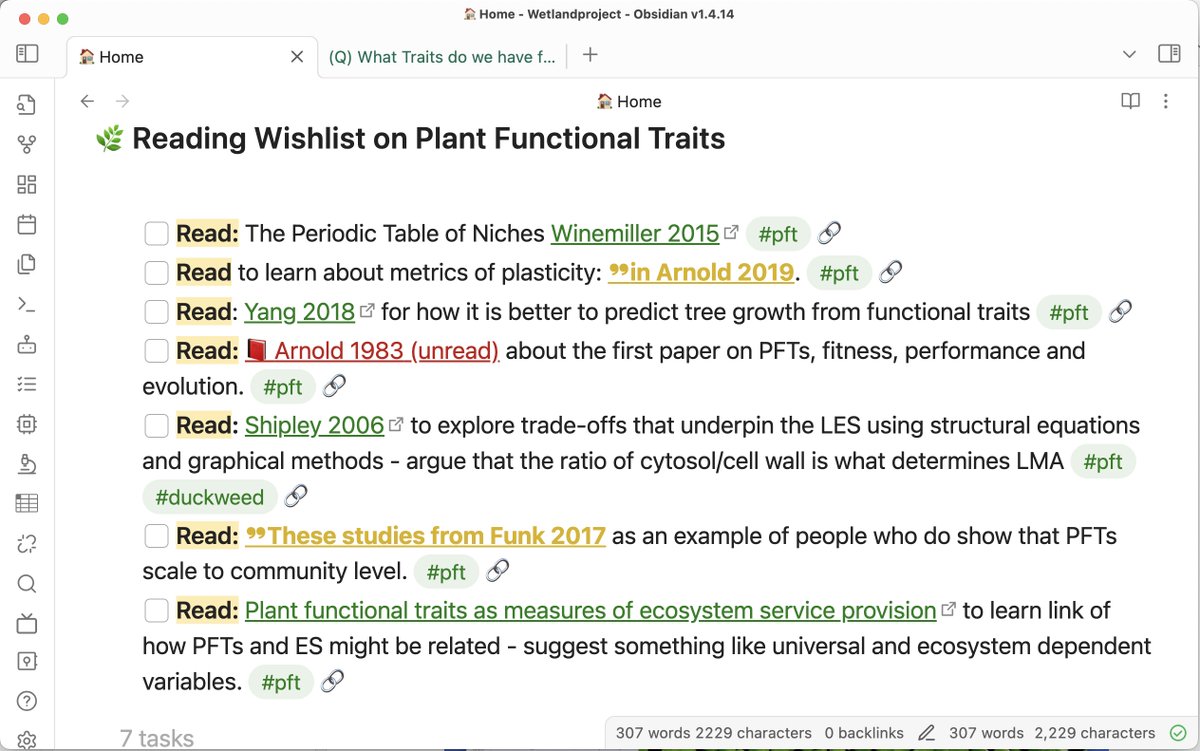
Building a reading list of papers and write down why you want to read them. Never just download papers "for later". The act of downloading is a reward that you get when you commit to reading a paper. This is how this can look:
🔄 7. The Feynman loop: Review your notes
Every time you re-read your notes you tend to refine them. Enrich them with new ideas and make them better. Treat your notes as if you write them for someone else who you want to teach. This is called the Feynman technique.
🖼️ 8. Visualize to Realize
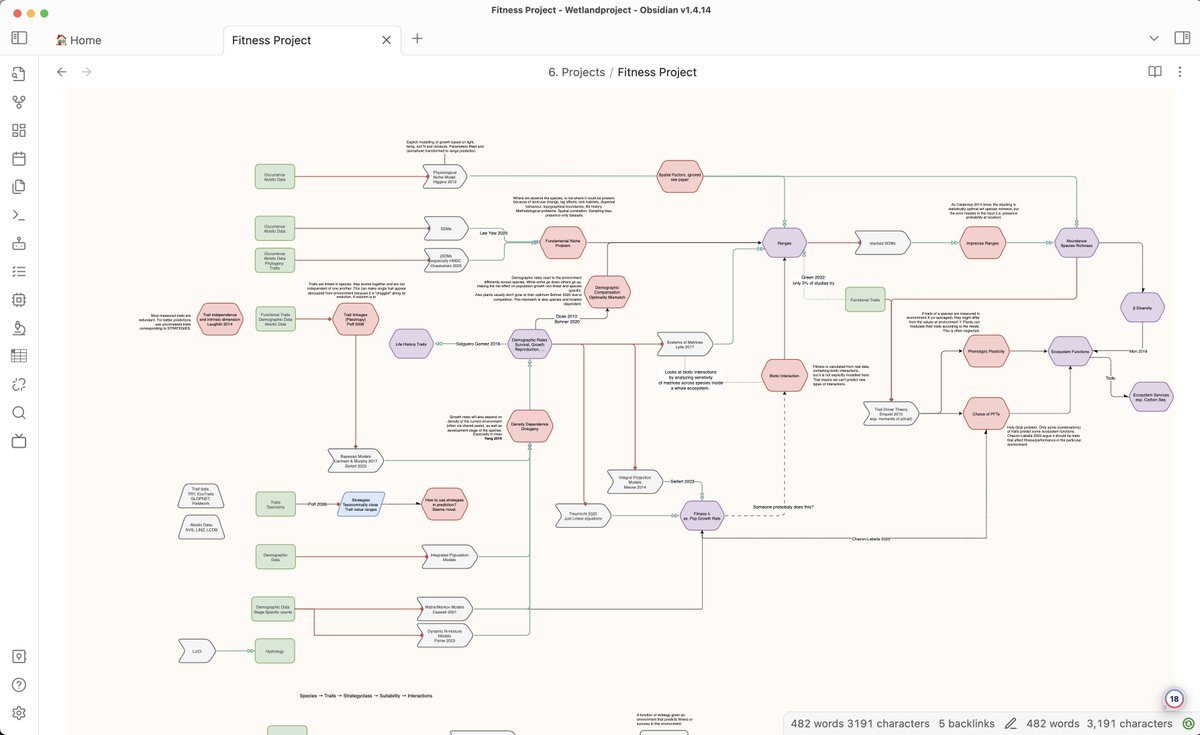
The ultimate summary is visual if you can break down your research into a visual summary you will see the gaps immediately.
I use @drawio to create SVG files and embed them into @obsdmd. So the result is directly embedded into my notes. Think of a simple visual language and use it. I use red for problems, green for data, gray for solutions etc. Here is how it looks:
I can't emphasize enough how crucial a note-taking strategy is in this process. It expands your memory horizon.
You know some things (knowns), others you know that you don't know (unknowns). This is your memory horizon. Everything beyond you don't know that you don't know (unknown unknowns).
Things that are unknowns over time become unknown unknowables. In other words, you forget you ever knew them.
This is what note-taking stops. You may forget a note is there, but it is still linked and present, it can never become an unknown unknowable anymore. If you review your notes, you will find it and remember it.
This process will surprise you! It is the most satisfying feeling.
Start your journey into academic note-taking on EffortlessAcademc(dot)com with my free 8-day starter guide!
In 10 days, the Nobel Prize in Medicine/Physiology will be awarded.
Here are the 73 scientists most likely to get woken up by a phone call from Stockholm, based on looking at recent pre-Nobel “predictor” prizes:
"After we talked through the experiment, the postdoc said, 'I think it’s time to go home and get some sleep … Taking a break is also hard work, you know?'
Those comments planted the seed of a new approach." #NationalPostdocAppreciationWeek https://t.co/ibyEHal4hy
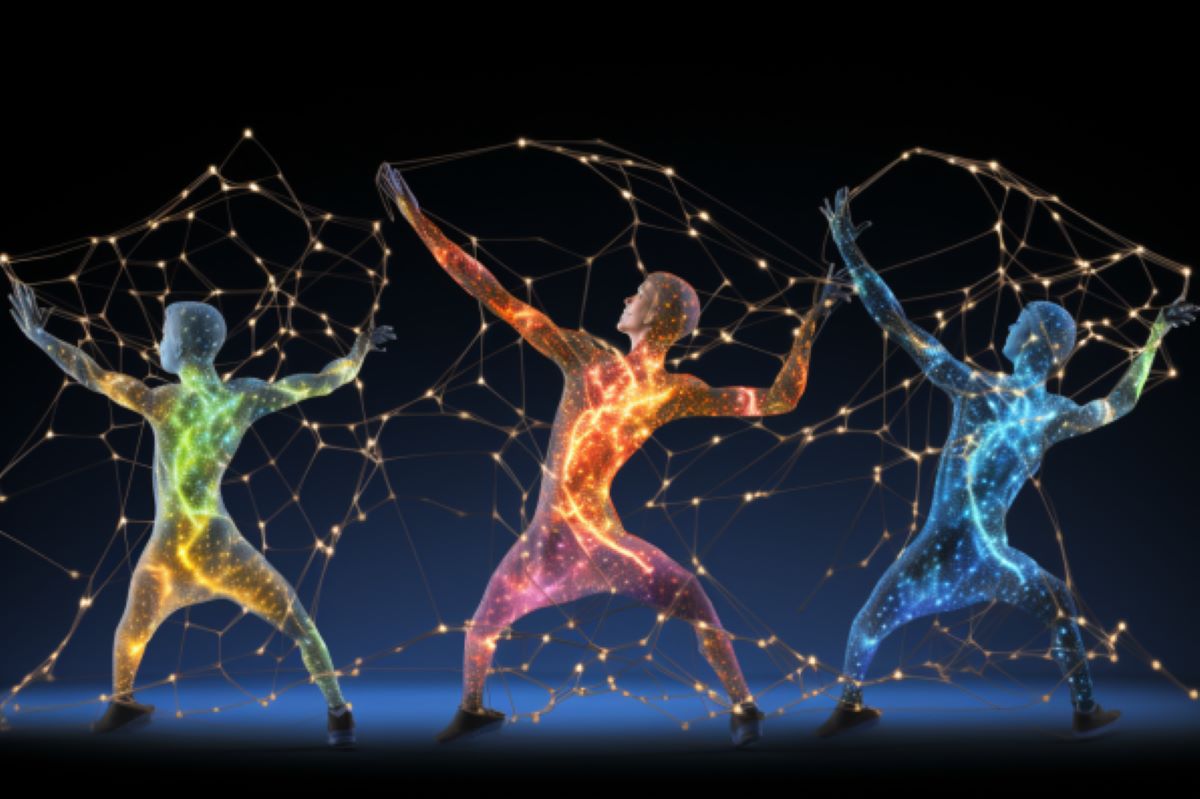
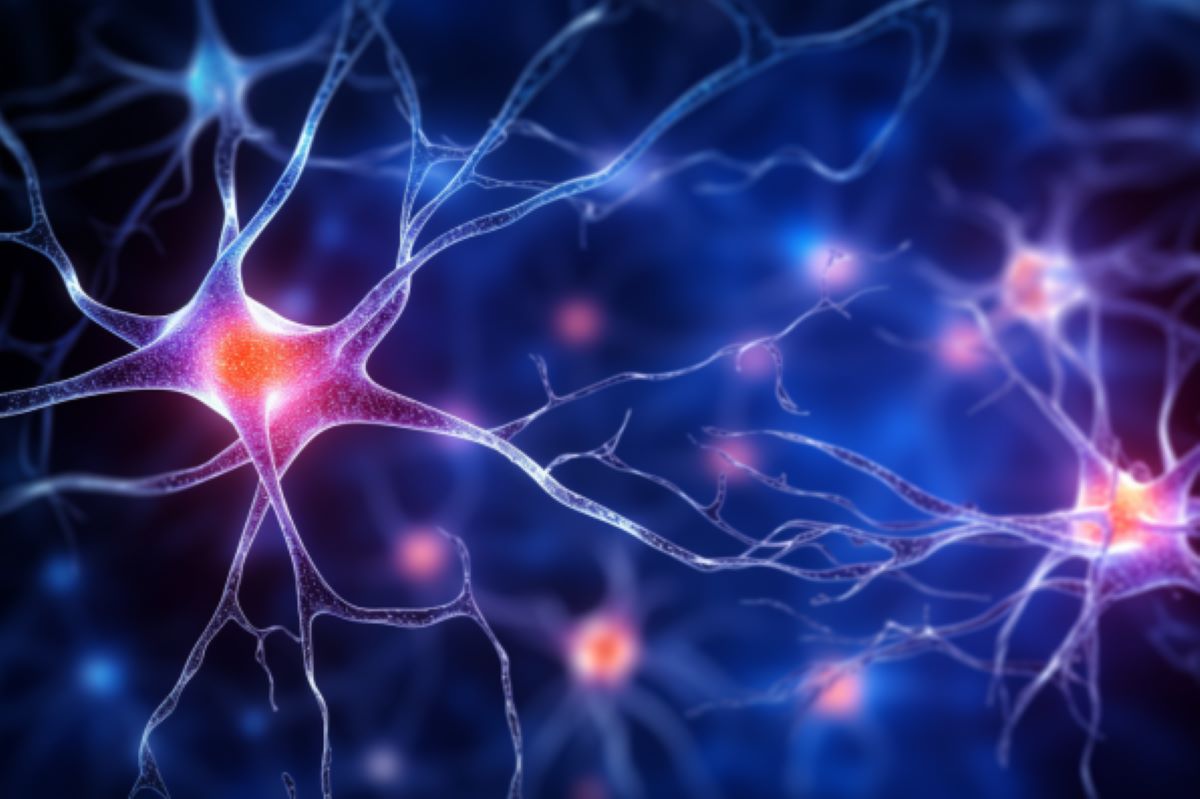
Dancing Neurons: Unlocking the Secrets of The dance of neurons controlling movement! A study decodes two brain circuits, offering insights into eye rotation and body stabilization. This groundbreaking research might reshape robotics and deepen our neurological understanding.
https://t.co/rZbm991U3b
#neuroscience
1/2
Fascinating insight into the world of touch. A new study in eLife uncovers that our fingertips "remember" past forces, influencing tactile neuron signaling to the brain. This might reshape how we understand hand control in daily tasks.
https://t.co/2DXn22YYdQ
#neuroscience
1/2
Groundbreaking discovery from neuroscientists: A new hybrid cell type in our brain! Nestled between neurons and astrocytes, this cell has far-reaching implications for memory, epilepsy, and even Parkinson's.
https://t.co/KS72e3GcA9
#neuroscience
1/2
🔬 Just published research on the deadly rabies🦠 using 3D hydrogel models. 💡 Unlocking the mysteries of infection like never before! 🧪 Please check it out! https://t.co/COT9URdJrv
#RabiesResearch#3DModel#neuroscience#TissueEngineer#StemCell 🧬🔍🧫
Time Out: We All Need a Three-Day Weekend
A three-day weekend is good for our health, a new study reports. An extra day of rest improves sleep duration, increases physical activity, and was associated with overall healthier behaviors.
https://t.co/4vRJkMSH4J
1. Consensus:
@ConsensusNLP is a GPT-4 powered feature that summarizes answers from scientific research.
How to search?
Consensus uses AI to find answers in research papers.
The best way to search is to ask a question.
https://t.co/CmKE9FtWwi
Spotting Early Signs of Dementia
Researchers provide 11 signs and symptoms of cognitive problems to be aware of, as they may signify the onset of dementia.
#dementia#neuroscience
https://t.co/vuNIVsrTaf