Every time I visit San Francisco I have the opposite of the “future shock”. I am absolutely floored by how backward and dilapidated most of the city is, especially the city that prides itself on being on the forefront of the future. There have been barely any significant infrastructure improvements over the past 60 years. When it comes to public transportation alone, you are far better off in any moderately sized Eastern European city for instance.
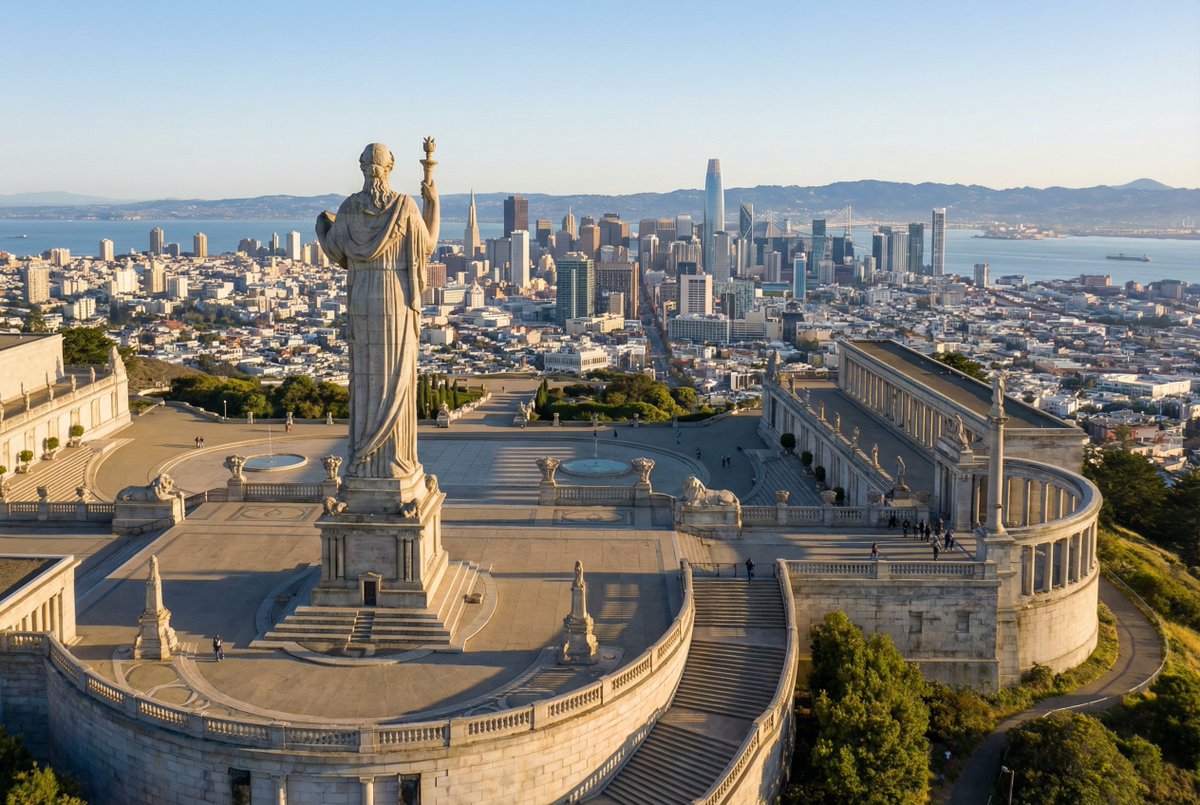
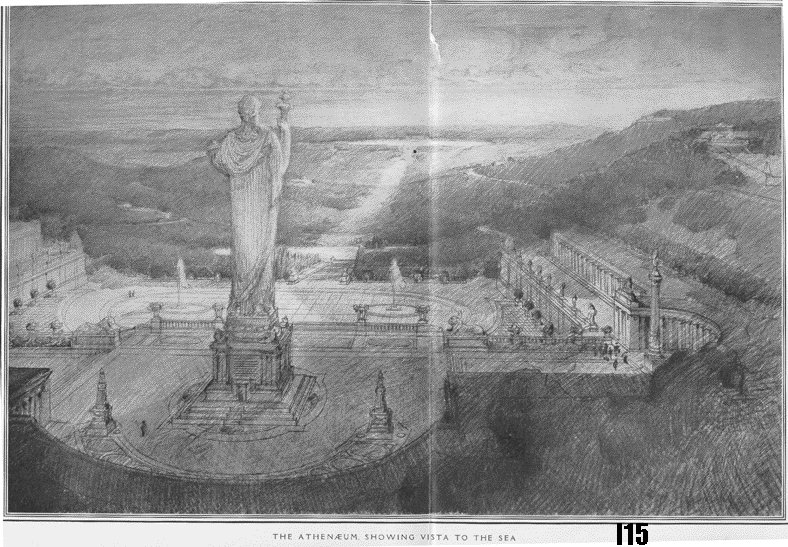
Designing SF as the most beautiful city on earth:
Burnham's 1905 plan, if his proposed Athenaeum at the top of Twin Peaks had actually been built.
Instead, we got Sutro.
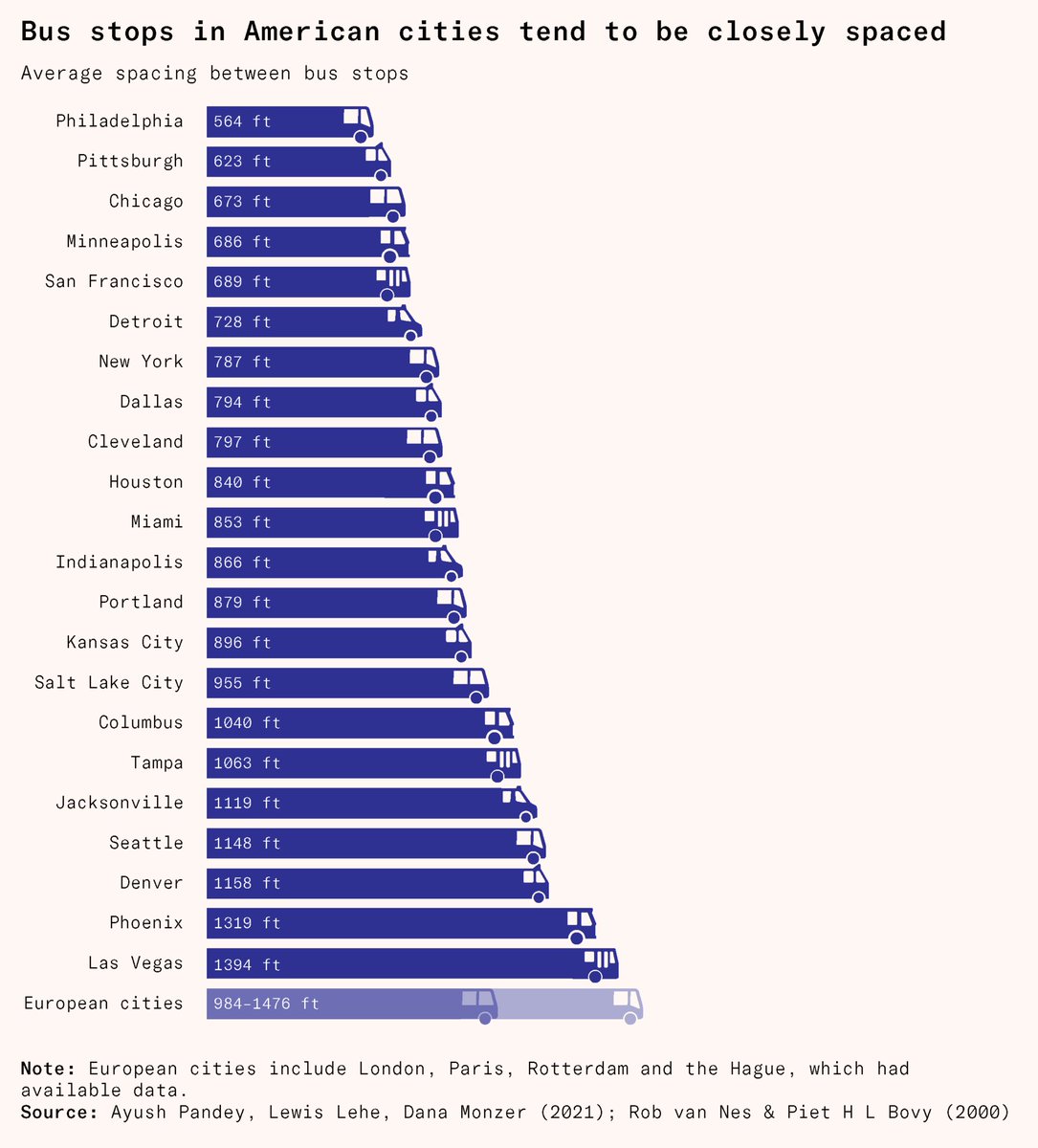
America has too many bus stops. Removing excess bus stops speeds up bus services, makes them more reliable, and reduces transit costs, all of which boosts ridership.
For example: San Francisco has an average of eight stops per mile, whereas European cities tend to have only four stops per mile. Moving to a European model only adds 1–3 mins of extra walking to get to a stop.
Portland saw a six percent increase in bus speeds from a project which increased average stop spacing by just 90 feet. SF boosted ridership by 14% by removing some stops. Other cities have used limited stop services to boost ridership by 25–33%!
New at Works in Progress, @nithin_vejendla on a rare example of a transit reform that is at once fast, cheap, and effective.
https://t.co/JH8A47xdqo
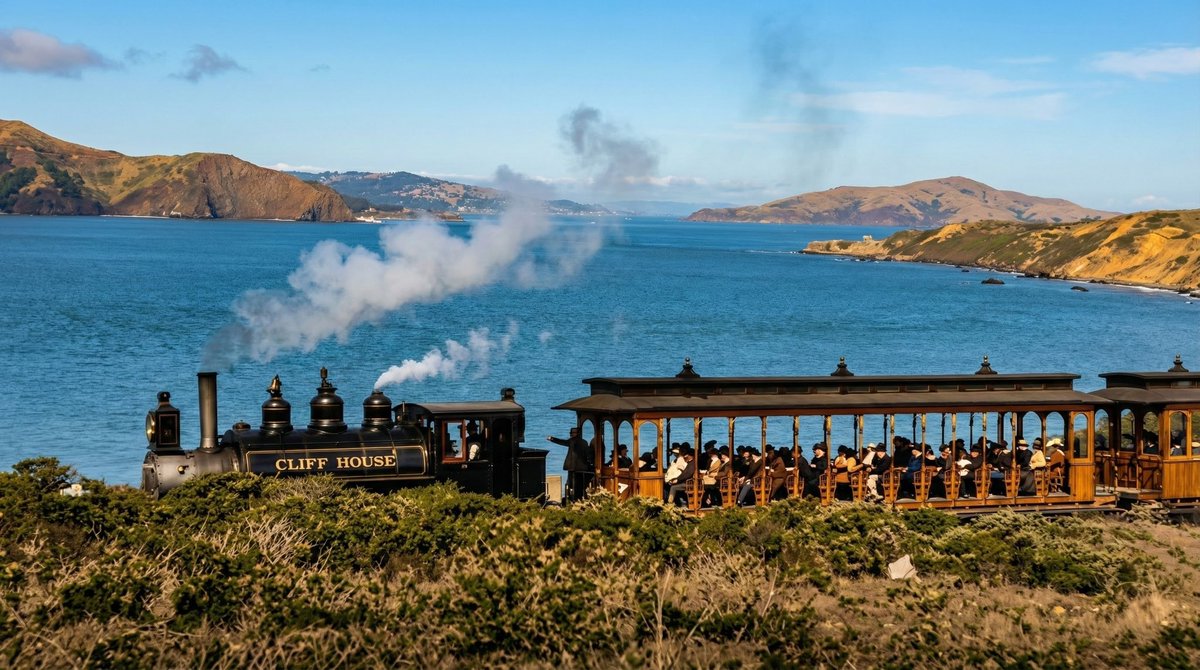
People don’t talk enough about the train that Mayor Sutro built to get from Pacific Heights to the baths. Only cost 5 cents to hop on.
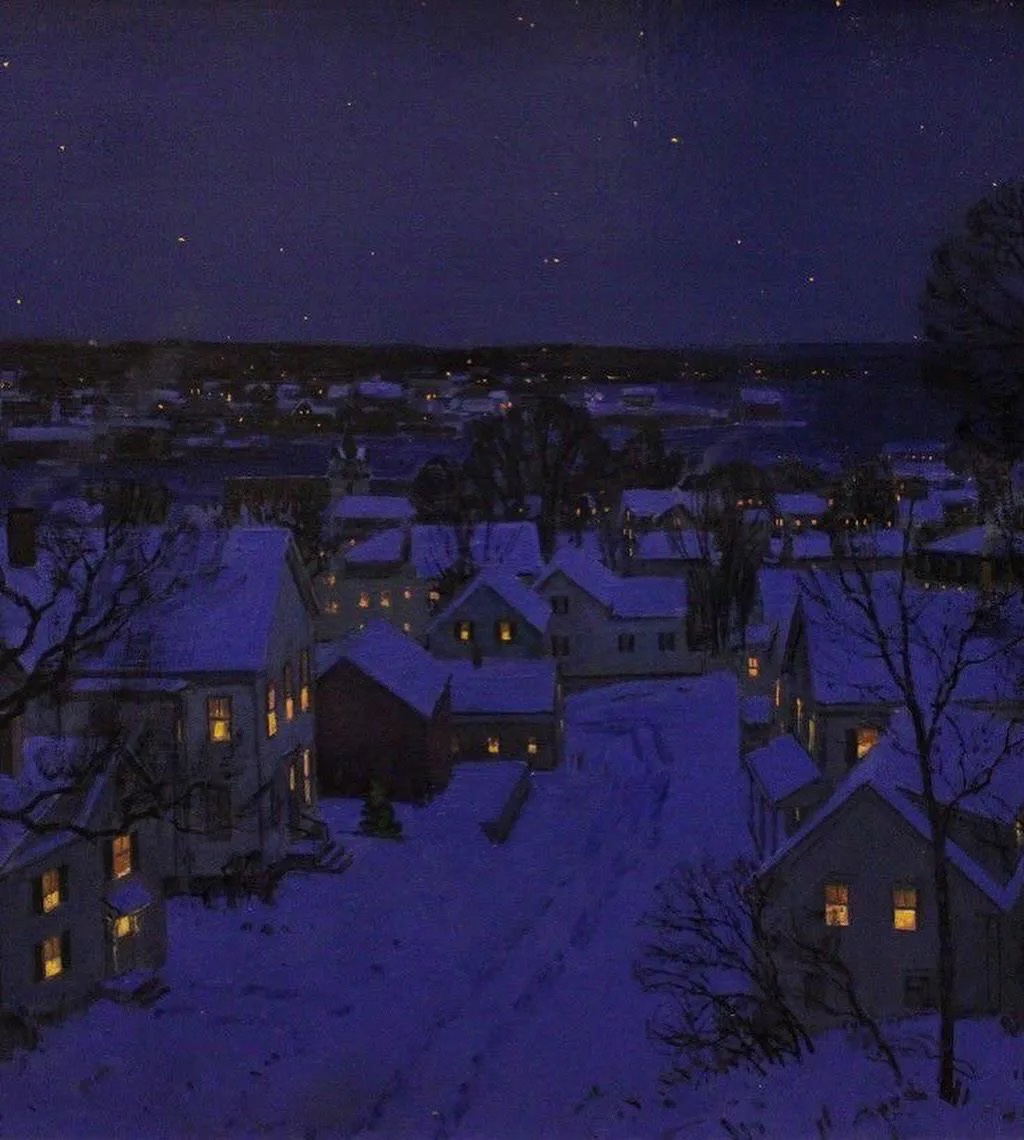
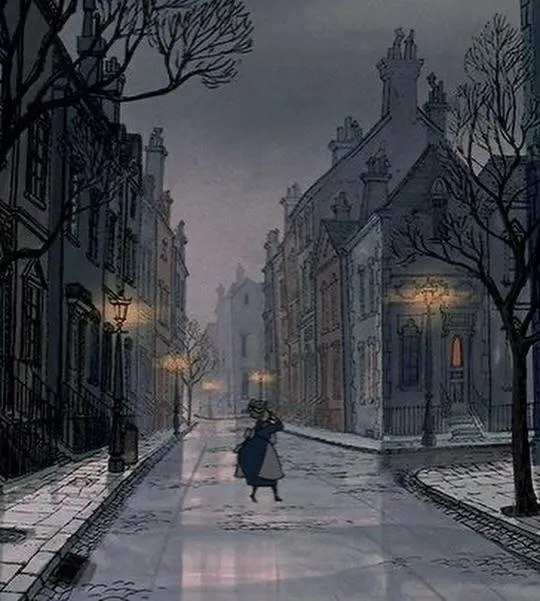
That was San Francisco 100 years ago. It would be cool to see city projects that were this inspiring again.
Very bay area moment with my boyfriend discussing future plans around housing. He told me "no need to go much over 2 million. Anything more would be excessive".
San Francisco isn’t expected to hit 70°F again this July.
If that holds, it’ll tie the all-time record: just two days above 70°F in June and July, the fewest since records began in 1874.
This is your grandfather’s SF summer.
I saw two guys smoking fentanyl and a guy taking a dump on Market street in Sn Francisco during my afternoon walk yesterday.
I also got a ticket for running a stop sign on my bicycle and city fire inspectors are making my company dismantle all our office phone booths bc they don’t have sprinklers.
Anarcho tyranny
Reminder: Your city’s fire department are just a bunch of hosedraggers who like big trucks. When they tell you stuff like this👇 isn’t safe, you don’t have to take their word for it.
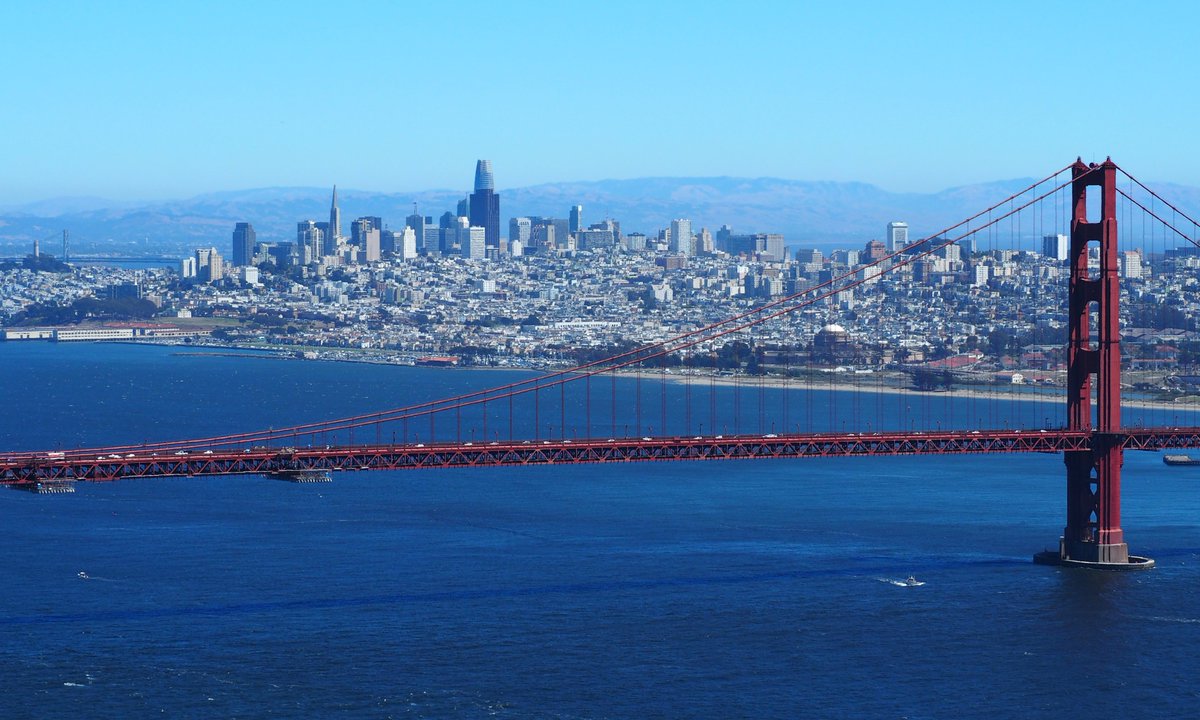
I grew up in San Francisco, walking with my family by the Golden Gate Bridge. I still remember the thick and iconic chain railing that gave the place a sense of distinctiveness.
Now the chains are gone, and they've been replaced by a soulless metal railing that's colder than a hospital waiting room. I'm sure some bureaucrat somewhere justified it with a tidy spreadsheet, but they stripped away a little piece of San Francisco's soul in the process.
This is how a culture loses its charm: slowly, quietly... one small decision at a time.
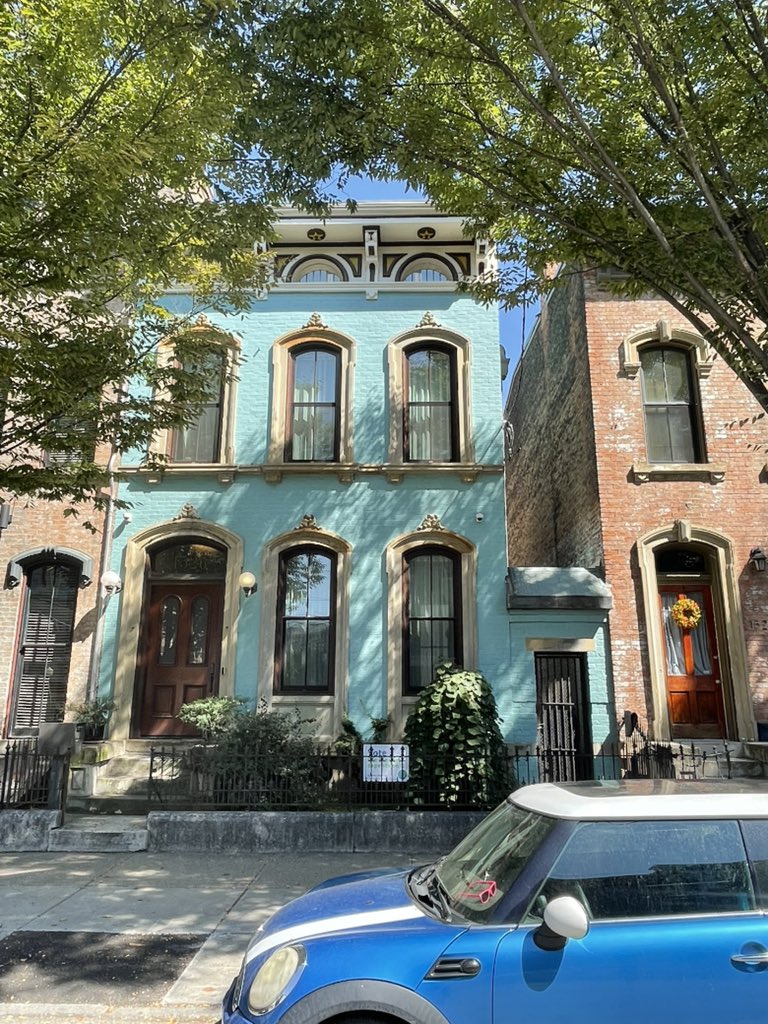
Will never recover from the fact that 1950s Cincinnati looked at neighborhoods like this and said:
“What if we demolished 75% of it for parking lots and warehouses?”
Absolutely tasteless and demonic.
It strikes me as odd that many people argue "transit doesn't need to turn a profit because it's a public good" but mysteriously don't apply this to enforcement of law and order on transit.
Again I'm left to conclude that such people value disorder over fixing any real problems.
It's astounding all of the little things the city has been nickel-and-diming people for over the years and how long we've tolerated it. Hopefully the era of bureaucrazy is over.
Small businesses and homeowners in San Francisco: permitting is about to get easier.
Today, we announced reforms and legislation that will make permitting faster, simpler, and more transparent.
These ordinances will cut red tape, save time and money, and finally make our permitting system work for the people it’s supposed to serve.
Here are some examples of what this means in practice:
➡️ No more permits for sidewalk tables and chairs—putting $2,500 back in the pockets of small businesses and saving them valuable time.
➡️ No more permits and fees to put your business name in your store window or paint it on your storefront.
➡️ No more trips to the Permit Center to have candles on your restaurant’s table.
➡️ No more rigid rules about what your security gate must look like so businesses have more options to secure their storefronts.
➡️ No more long waits or costly reviews for straightforward improvements to your home, like replacing a back deck.
➡️ And we’re getting rid of outdated rules to give downtown businesses more flexibility with how to use their ground-floor spaces—because if adding childcare centers and gyms will help bring companies and employees back downtown, we should support it.
In addition, every city department involved in permitting will track timelines and publish them online. We’re building one system—simple, accessible, and focused on the customer.
And we’re not done.
In the coming months, we’ll roll out a consolidated permit application and bring more of the process fully online.
When we make it easier to open a business, improve a home, or invest in our city—we don’t just support individual success. We fuel our city’s economic recovery.
We attract more customers, more residents, more small business owners—and with them, the revenue and energy that San Francisco needs to thrive.
Learn more about the initiative at https://t.co/6iut1YSdwf
The 'inauthenticity' is even greater than Sam says. The Palace was originally built in plaster for a temporary exhibition in 1915. Everyone got so attached to it that it was rebuilt in concrete in the 1960s. So it is made of a 'fake' material, concrete, imitating an even 'faker' material, plaster, imitating stone. All this on top of being a completely functionless and stylistically 'anachronistic' folly, sitting next to a six-lane Californian motorway.
And yet, as all who have visited it know, the Palace is a great and strangely moving building.
And yet, the cost of living is still sky high. New infrastructure is still slow and expensive to build. The public realm is still full of trash, filth and disorder. Basic household items are still locked up at stores.