truly decentralized bridges, oracles and wallets are very hard to build
a basically unsolved problem if compared to BTC or ETH style decentralization. n=1, n=3 of 5, etc are not true decentralization
because of this, they are and will be a constant attack vector
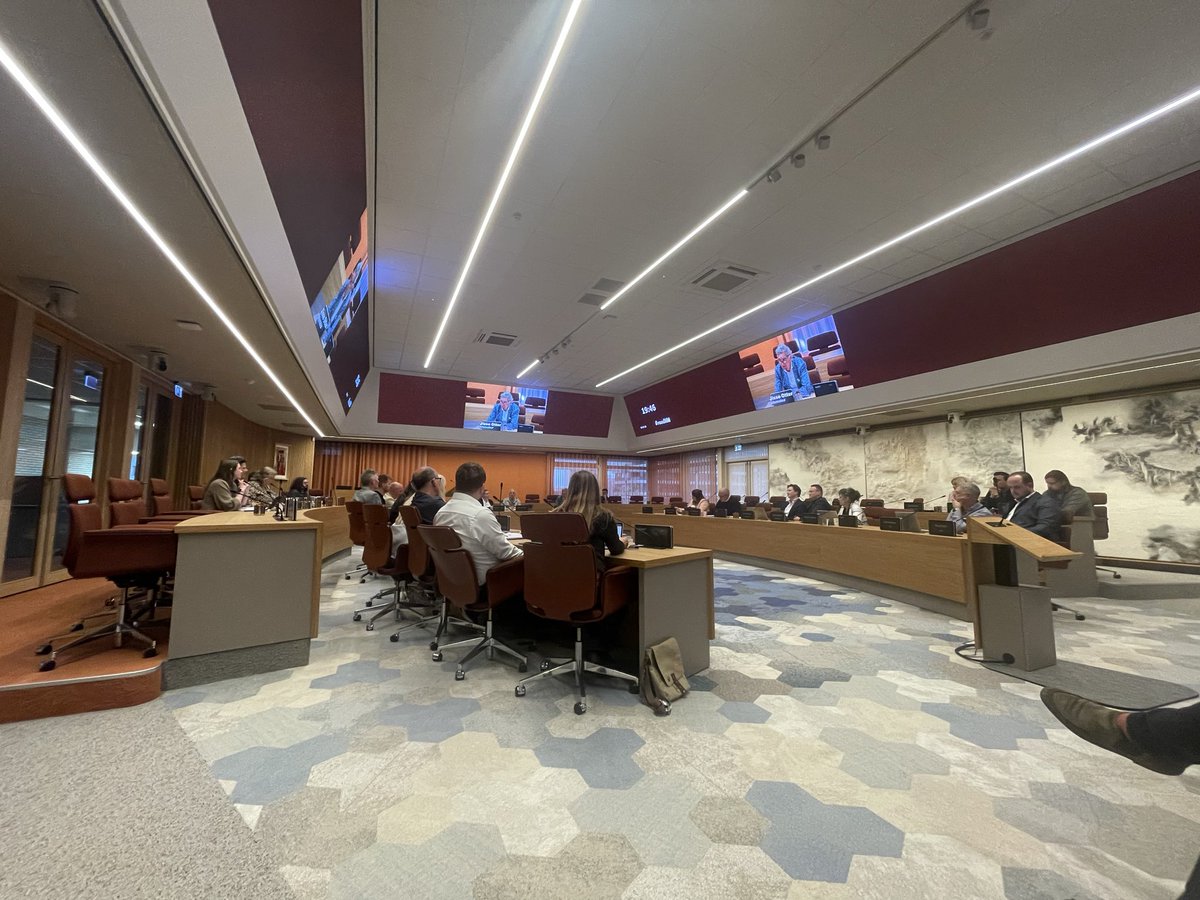
Na gisteravond weten we precies waar we aan toe zijn. Dat Wakker Emmen niet met FvD noch met CDA wil samenwerken en hun voorkeur uitsprak richting PvdA, is duidelijk kleur bekennen.
“Wakker” klinkt rechts, maar is het blijkbaar niet.
Some scam sites never mention the brand name they're copying.
No imitation in the domain text or on the page. Just your icon in the browser tab, known as a favicon.
We now flag these fake domains by the favicon itself.
PUBLIC BLOCKCHAINS MAY HAVE A PROBLEM WE STILL BARELY ACCOUNT FOR: TRANSPARENCY ACCUMULATES FOREVER.
In Privacy is Existential, @valkenburgh argues that privacy is a condition for neutral infrastructure. But that leads to an even more uncomfortable conclusion.
Every transaction Ethereum publishes today remains available for analysis tomorrow.
Which means a blockchain can become far less private retroactively.
Today, an analytics system may only see a transfer between two addresses. A few years from now, it may be able to connect those same addresses to a person, an exchange, a company, an IP cluster, a purchase history, or dozens of other signals that simply don't exist yet.
The user hasn't revealed anything new.
Only the observer has become better at reading the old data.
That's a strange asymmetry: cryptography can protect a transaction at the moment it happens, while a public ledger leaves that transaction exposed to future generations of analysis tools.
And as those tools improve, the nature of the network changes with them.
What once looked like a neutral record can gradually become an input for sanctions screening, scoring, tax enforcement, MEV, investigations, and new obligations imposed on infrastructure.
And the data can't be taken back.
We tend to treat transparency as a property of a blockchain. It may be more accurate to treat it as debt.
Every new block adds more information that someone may be able to reinterpret far more precisely in the future than we can today.
So the privacy debate is much bigger than whether users have "something to hide."
The real question is this:
Should financial infrastructure preserve enough data forever for someone in the future to reconstruct almost a person's entire economic life?
If the answer is no, privacy can't remain something we keep layering on top of a public system with separate apps.
At some point, it has to become a property of the infrastructure itself.
😼 Don’t miss UltraSolid’s Pioneer Event! Boost your point multiplier and start farming smarter✨
Join UltraSolid 👉 https://t.co/kxlATpn8CG #UltraSolid#PioneerProgram#veDEX