More actionable data for teachers, individualized tutoring for students. Matthew Burns, Ph.D., is using a $2M @usedgov grant to create an AI-enhanced learning analytic tool integrated into @UFLiteracy's UFLI Foundations. https://t.co/8iqzLVXWGs
Speaking as a teacher, having a quality curriculum to implement means I can leverage my time to give specific feedback, intervene, examine progress, collaborate/reflect…
Don’t make us develop our own instruction. There are much wiser uses of our time and talent.
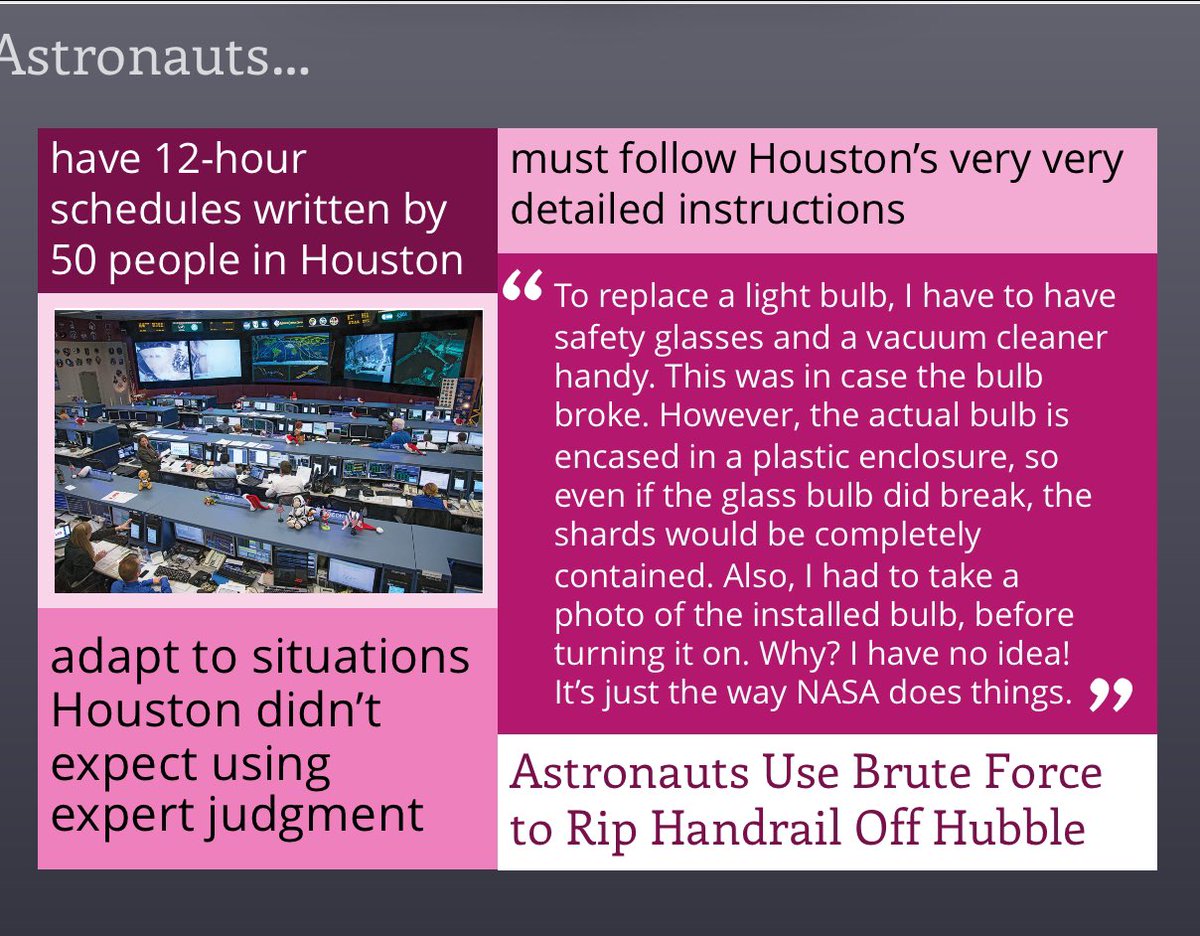
The points about the value of programs by @ehanford seems to have started a firestorm… the musician analogy is tricky … I propose an alternative… teachers who use programs are like astronauts. The images below show why I like this analogy… #teachersareastronauts 📚🚀
Educators rely on EdReports for "high-quality" curriculum. But some say its top "green" and middling "yellow" ratings have become unreliable. @CurriculumIP
"EdReports has sort of wreaked havoc,” one literacy expert says.
More in my new Forbes post:
https://t.co/vHZ4c23NsR
@MtEagleLit @BookwormsRW We just tried a new way to support kids with written reading responses using the RATE acronym (copying @EFrackelton in WJCC). Nothing fancy but happy to share, it worked well!
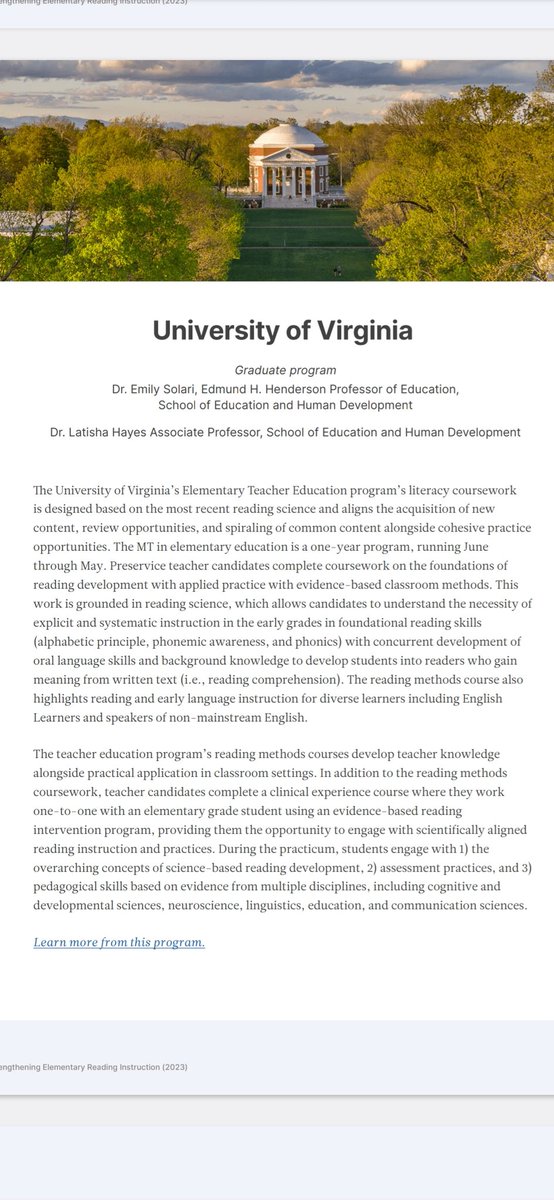
Great video highlighting one of the very best at UVA, Tisha Hayes, showing her dedication to ensuring that ALL teachers are prepared to teach reading and writing to meet the needs of kids in their classrooms-I feel so lucky to have Tisha as a collaborator. https://t.co/l6eK5n41gq
This interactive document is updated with new podcasts & books. Learning about literacy & research can be overwhelming & it takes time. Here are some of my favorite resources to get you started on the science of reading journey. https://t.co/Dyfm5VxogD
"Evaluating 693 undergraduate and graduate teacher training programs, the council found that 40% of programs instruct aspiring educators to use debunked teaching practices." C'mon, educator prep programs, it's time to do better. @The74 https://t.co/21fLYNrtRZ
Reading comprehension starts in preschool with purposeful, oral language development. Have you seen this article? TONS of practical ideas!
Hadley, E. B., Newman, K. M., & Mock, J. (2020). Setting the stage for TALK: Strategies for encouraging language‐building conversations.
"Three-cueing is the only instance I can think of that asks students to parrot low success performance, rather than proficiency." This is a really good response from Shanahan.
It’s almost time! ⏰⏰ If you’re not a TRL-VA member, you’ll miss this amazing learning opportunity specially curated to meet the needs of literacy stakeholders in Virginia. Join using the link below ⬇️⬇️⬇️or via our website (linked in profile).
Are you familiar with this brief and infographic from the @leadforliteracy Center? Learn about Increasing Intensity Across Tiers of Instruction https://t.co/rWTot8LFYw
@TimRasinski1@EvidentlyR@AbbyTeachesDSM@ksirach@TimRasinski1 I am interested in your thoughts on three cueing. I get that people want other aspects of reading to be discussed, but I also agree that the focus of the podcast is on decoding especially for beginning readers or readers who are having a hard time.