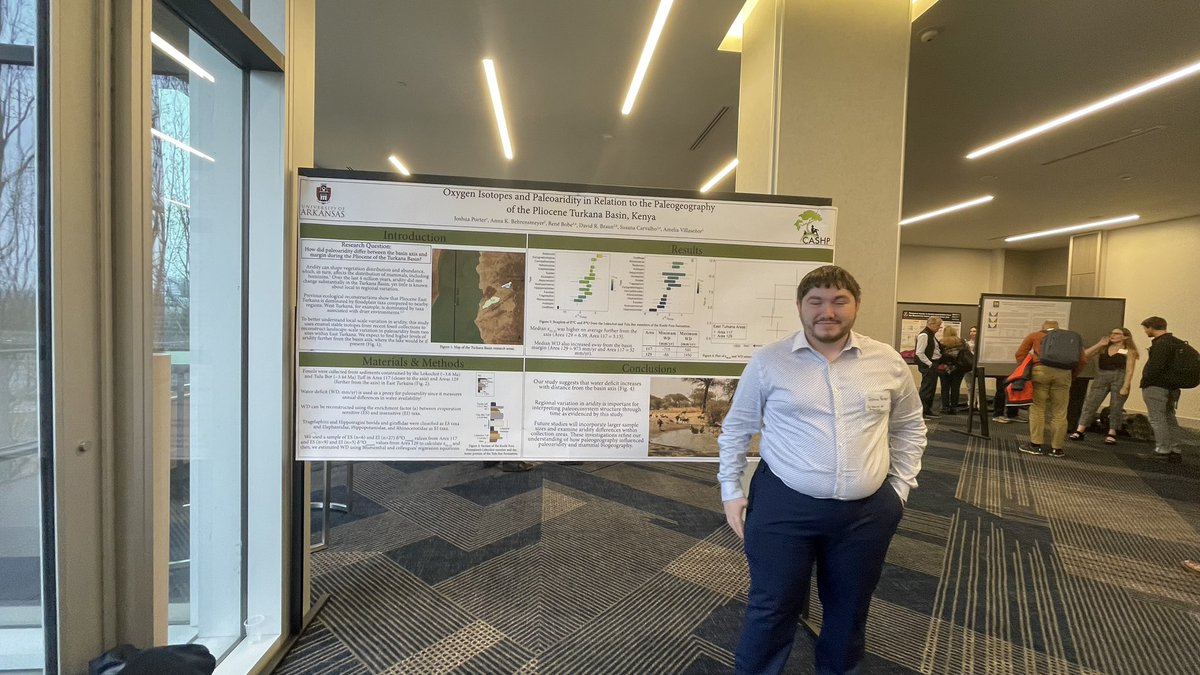
A very different kind of paper (for me) published with some hominin-focused friends. It’s about #taphonomy (yay!) and how teeth may reveal who is in an assemblage.
https://t.co/eBGQjwrz8X
@ChrisStringer65 I hope in addition to counting coauthors and their skin color AND alienating POC in the US that you all are actively decolonizing your departments and positions as well AND working with POC in the US to decolonize and make connection both ways. Nothing should be entirely on POC.
@ChrisStringer65 Hi. Brown WOC coauthor here! I agree that neocolonialism is a huge issue in Paleoanth globally. We need to do better. Our current research is doing better.
Super congratulations to @ecologychingona for leading a wonderful piece of work & to @behrensakb @bobe_rene @ashleyshammond & colleagues for the publication of this key research. Thanks for the great collaboration over all these years.
@primobevolab
https://t.co/BJwQQ9ZNnw
I just saw the best dissertation defense! I laughed! I cried! The poor piñons of the southwestern US have had a tough time, but they have an amazing communicator of their story in @TreeDrought
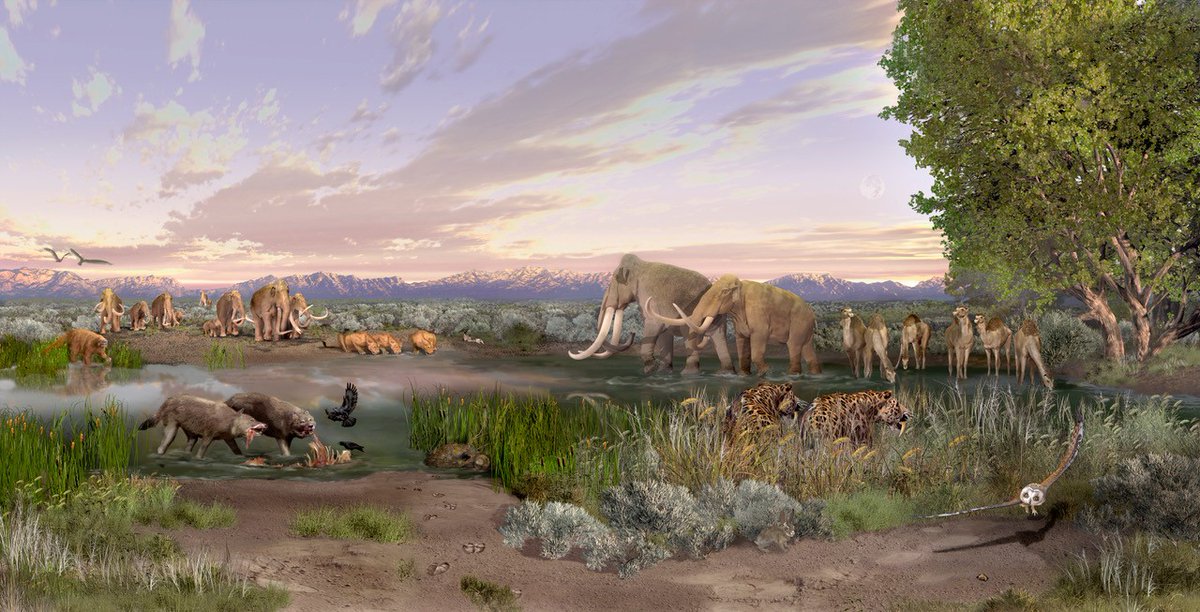
🚨New paper on the consequences of the megafauna extinction on an ecosystem in North America. Led by Felisa Smith (@UNMPaleoecology), and co-authored by Emma Elliott Smith, Amelia Villaseñor (@ecologychingona), Catalina Tomé, me, and Seth Newsome. 🧵https://t.co/QP7VXDhcfd
What sort of impact does a megafauna extinction event 10,000 years ago have in 2022? @UArkansas anthropologist Amelia Villaseñor coauthored a paper providing insight linking that event w/ modern conservation efforts + human impact on ecosystems ➡️ https://t.co/6V63SqzNXe
Megafauna #extinction at the end of the Pleistocene Epoch reorganized mammalian ecosystems, leading to the loss of some ecological niches, a study finds. In PNAS: https://t.co/JxLgzJYMDF
Sad news. My @FordFoundation doctoral fellowship provided a much needed year of funding at the end of my dissertation. I’m certain many POC who stand as the only ‘diversity’ in their departments credit this program for part of their success https://t.co/zrcS2DZBXS
Reintroducing bison into grassland prairies can increase native plant species richness by 86% compared with ungrazed areas, a study in the Flint Hills region of Kansas suggests. In @NatGeo: https://t.co/suKb4CJM6b In PNAS: https://t.co/RQDX6aLDD5