How do criminal organizations affect economic development?
@melnikov_n_v (@NovaSBE), Carlos Schmidt-Padilla (@GoldmanSchool) & María Micaela Sviatschi (@PrincetonEcon) on the impact of gang control:
https://t.co/ljkTmi2w3R
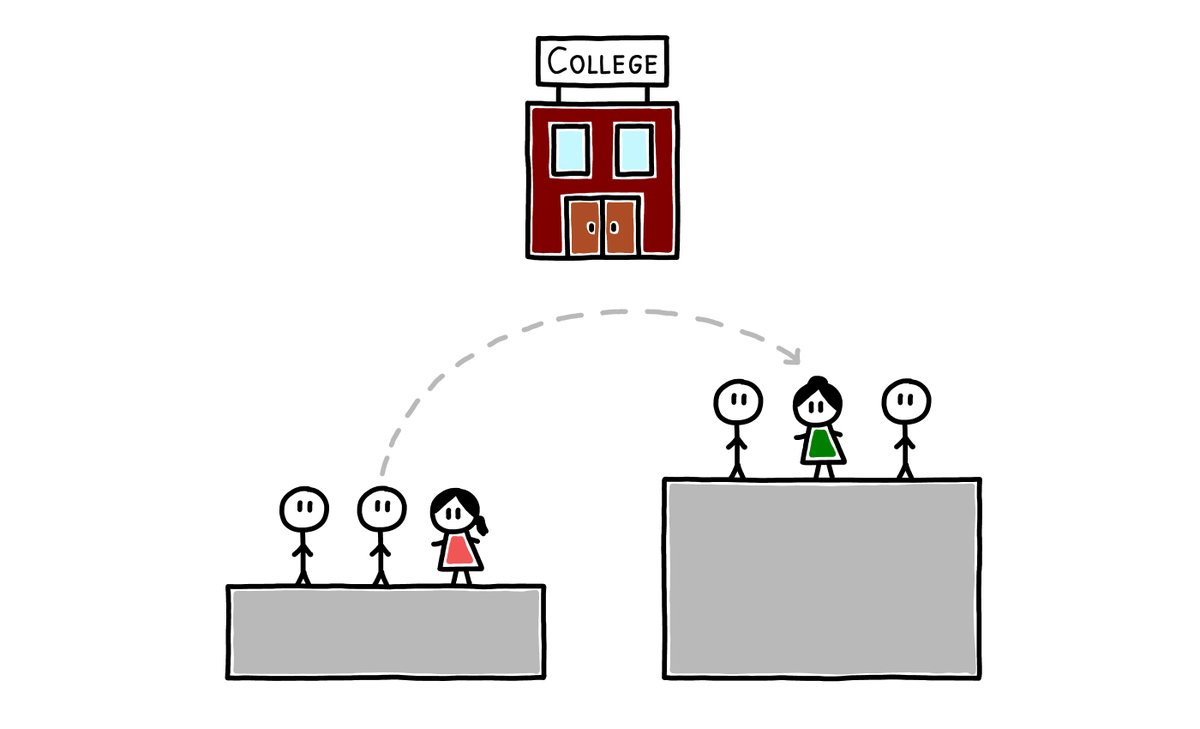
Is college still an engine of social mobility?
@zbleemer (@PrincetonEcon) & Sarah Quincy (@VanderbiltU) on changes in the relative wage premium for low-income Americans:
https://t.co/OS19fIsXy1
How does divorce affect children in the near- and long-term?
From Andrew Johnston (@UTCivics), Maggie Jones (@CAPolicyLab) & Nolan Pope (@bsosumd):
https://t.co/vHoQA2k6O0
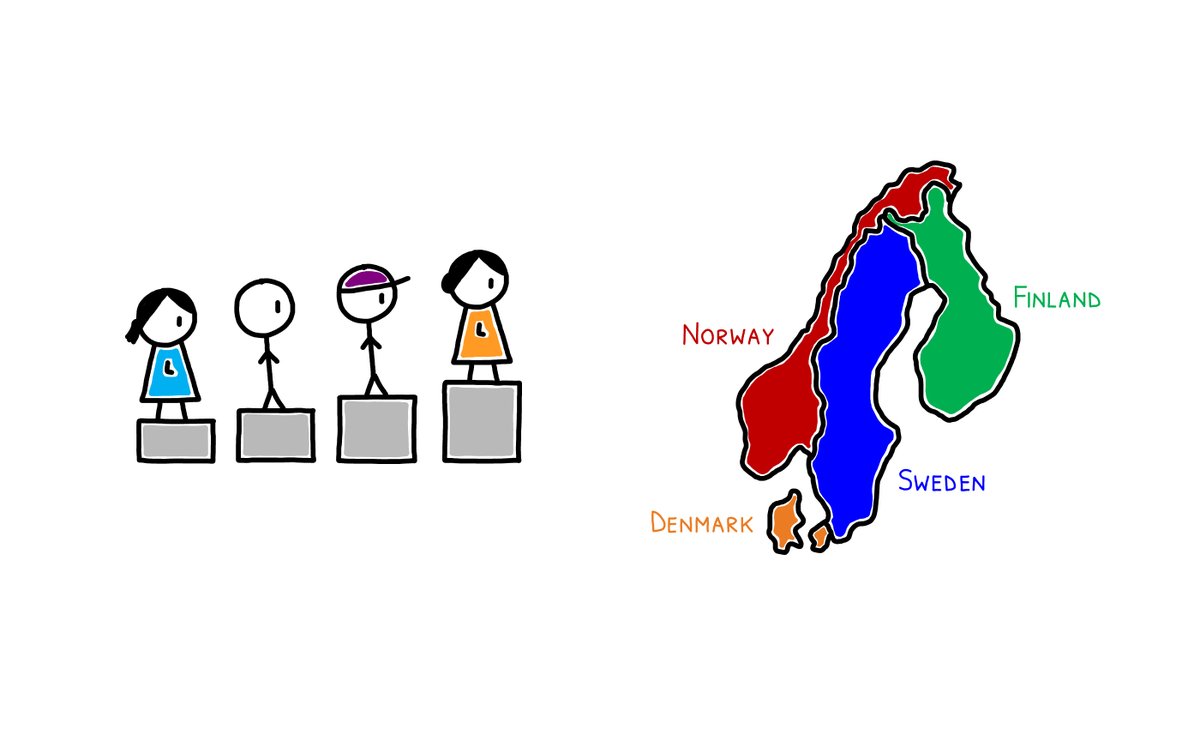
The Nordic countries are often cited as a socioeconomic model that combines low inequality with prosperity and growth.
Magne Mogstad (@UChi_Economics), @KSalvanes (@NHHnor) & @gautorsvik (University of Oslo) critically examine that claim:
https://t.co/V9Bg4LITPw
Do mental health treatment delays impact mortality?
Sydney Costantini (@berkeleyecon) on how clinic congestion affects mortality for veterans:
https://t.co/CrC9C54UgA
How does agricultural policy reshape the economic consequences of climate change?
@AllanHsiao (@StanfordEcon), Jacob Moscona (@MITEcon) & Karthik Sastry (@PrincetonEcon) on food policy in a warming world:
https://t.co/y2Dj8KffJ2
Household carbon emissions differ across different places. Does this mean one way to lower emissions is for higher-emissions places to adopt the features of lower-emissions places?
Eva Lyubich (US Census) on the role of people vs. places:
https://t.co/j2hfx3PPZR
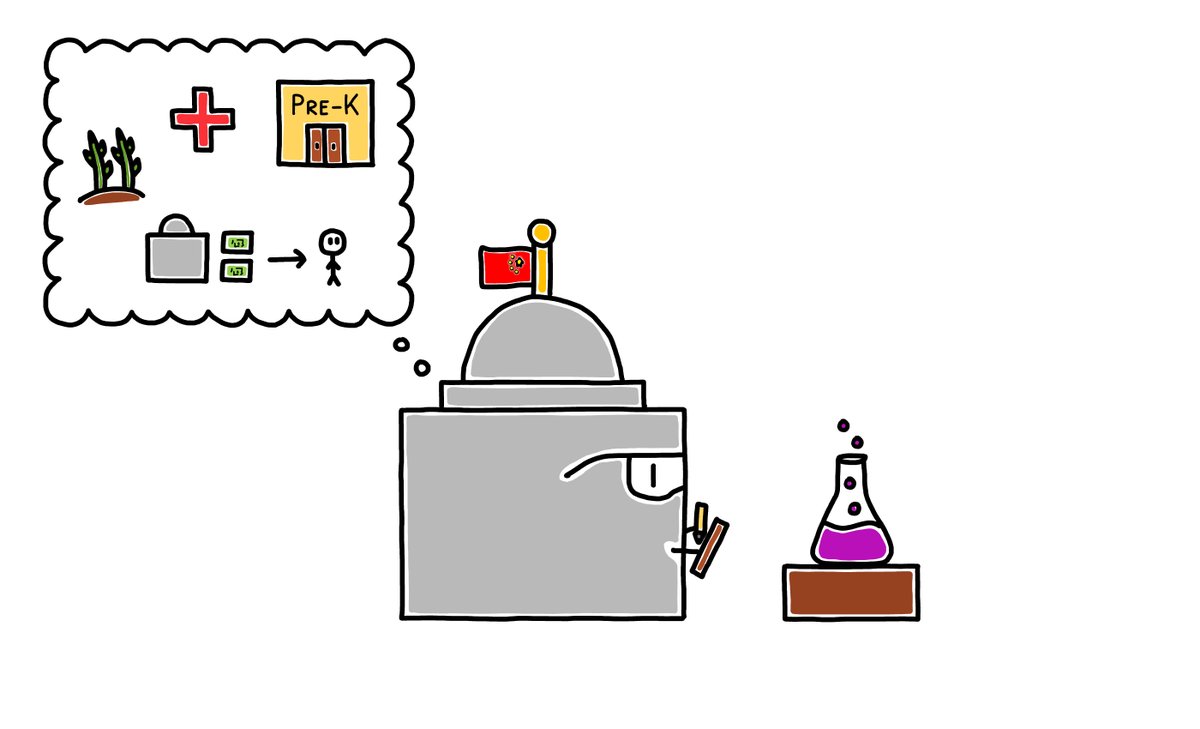
Since the 1980s, China has engaged in one of the largest and most systematic episodes of policy experimentation in recent history.
Shaoda Wang (@HarrisPolicy) & @david_yang (@HarvardEcon) on policy learning in this setting:
https://t.co/W1yCbxHa2D
Hundreds of millions worldwide live in areas controlled by criminal organizations. What can states do to regain control?
@AFenizia (@GWUEconomics) & @raffaelesaggio (@ubcVSE) on combating the Mafia:
https://t.co/eKqIom9FK5
What is the social cost of political corruption?
@MeeraMahadevan (@GPS_UCSD) on corruption in the Indian electricity sector and its welfare consequences:
https://t.co/mBMm0VkPnQ
India ranks among the worst countries for women’s health & survival. Policy has focused on subsidizing health care as a solution, but @DupasPascaline (@PrincetonEcon) & @radhi_jain (@ucl) show these programs are still plagued by gender inequality:
https://t.co/ox4aNPoIRU
Anti-scientific attitudes impose a substantial cost on society. Can science education help address this?
@BenjaminArold (@cambridge_uni) on evolution vs. creationism in the classroom:
https://t.co/ZOw9rWkRLd