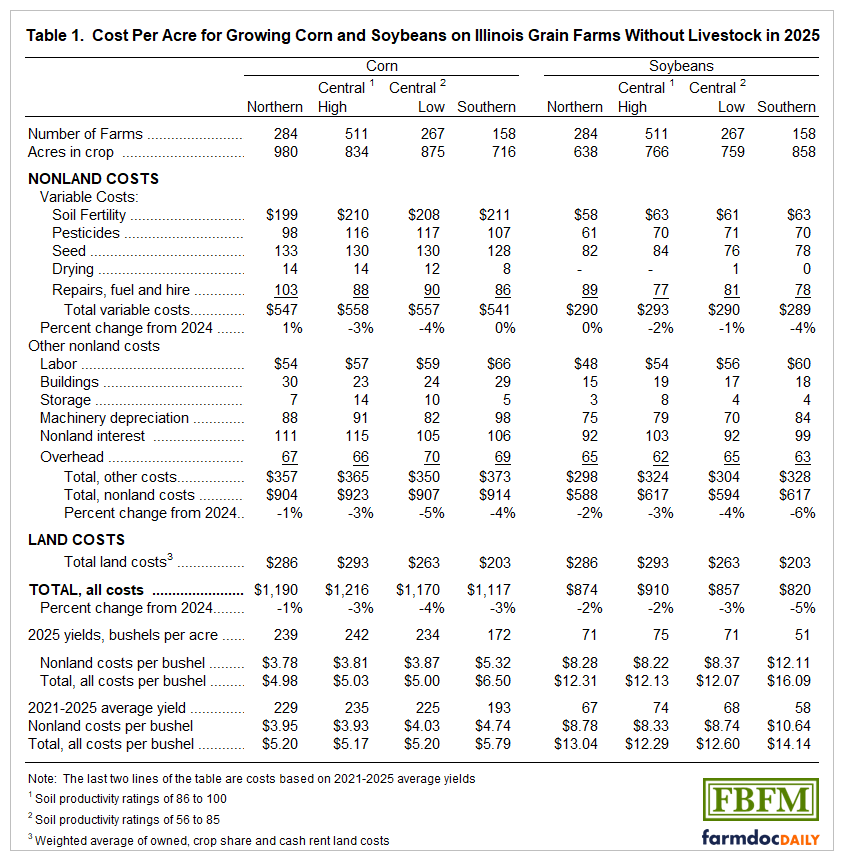
1/ In 2025, the total of all economic #costs per acre for growing #corn in #Illinois averaged $1,190 in the northern section, $1,216 in the central section for farmland with “high” soil ratings, $1,170 in the central section for farmland with “low” soil ratings, and $1,117 in the southern section.
https://t.co/oqPdYO2FxC
Happy to report that @EPA has released its next generation of the National Nutrient Inventory. See how this tool can inform your community's nutrient reduction strategies @AmerChemSociety's Journal of ES&T (Brehob et al 2025). https://t.co/rk6ILPb5v2
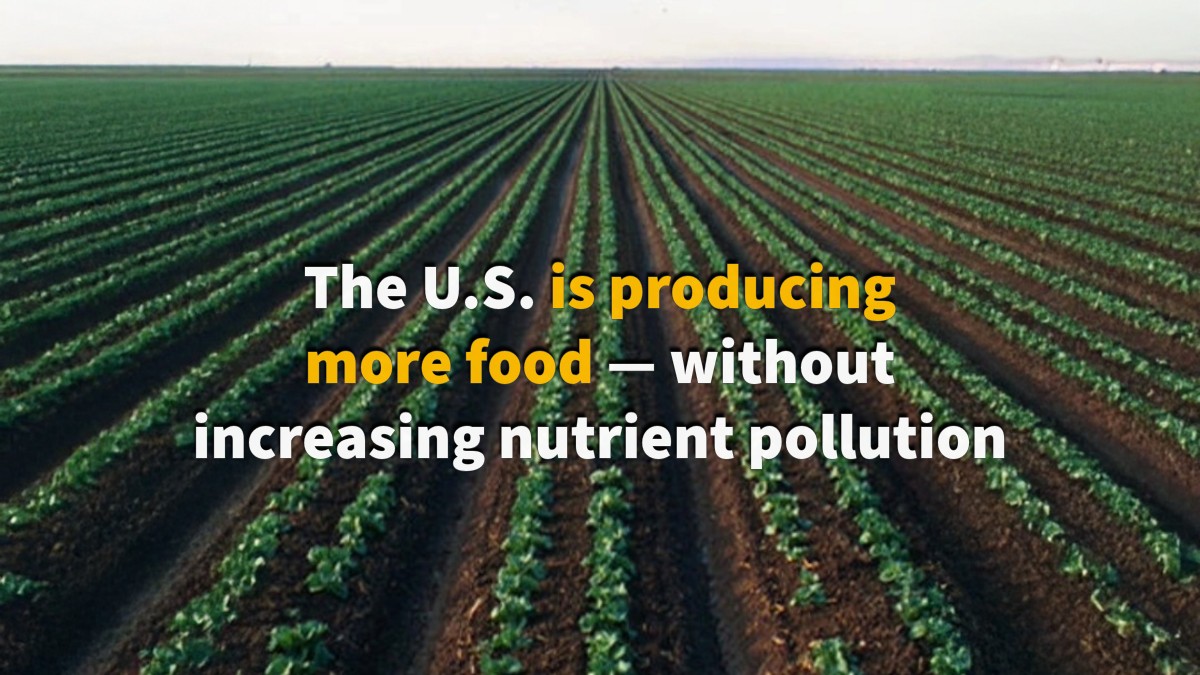
A turning point!? New data from USGS and EPA suggest progress in reducing the sources of nutrient pollution in the U.S. from 1987-2017.
Learn more: https://t.co/Dk7k25fTxh
#WaterQuality#NationalNutrientInventory#Pollution
Science in the field! 🏔️
A project manager @RockyNPS swaps a precipitation collector at Loch Vale, one of 250 sites in the NADP/NTN network. Rain & snow samples have been collected weekly since 1978 to monitor national pollutant data.
Dedication to long-term data is key! 📊💧
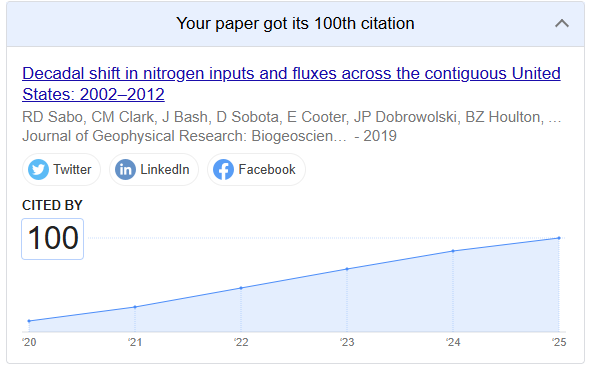
Thrilled to share that our foundational 2019 paper on the EPA National Nutrient Inventory @JGRBiogeo just hit 100 citations!
A huge thank you to the entire community for your continued support and engagement with this work.
Thinking about publishing your work with AGU?
Sign up for a 15 minute 1-on-1 meeting with an AGU editor at #AGU25 for advice on finding the right journal and submitting your work!
🔗 https://t.co/u2yvbZs5qd
#AGUPubs#Publishing#EarlyCareer
Today, EPA is celebrating 55 years of protecting human health and the environment. From cleaner air and water to stronger partnerships with states, tribes, and communities, our mission remains as important today as it was in 1970. Happy Birthday, EPA!
Farmers and landowners waiting for their annual #Conservation Reserve Program (CRP) rental #payments should start seeing those funds hit bank accounts this week or next at the latest after a delay due to the government shutdown.
https://t.co/bVny5GnaVp
You like bugs and streams? Check out Kopp et al! This work links stressors to benthic macroinvertebrate assemblages and explores the impact of anthropogenic disturbance on genus richness and species composition in streams across the United States. https://t.co/uhTi1w6UIR
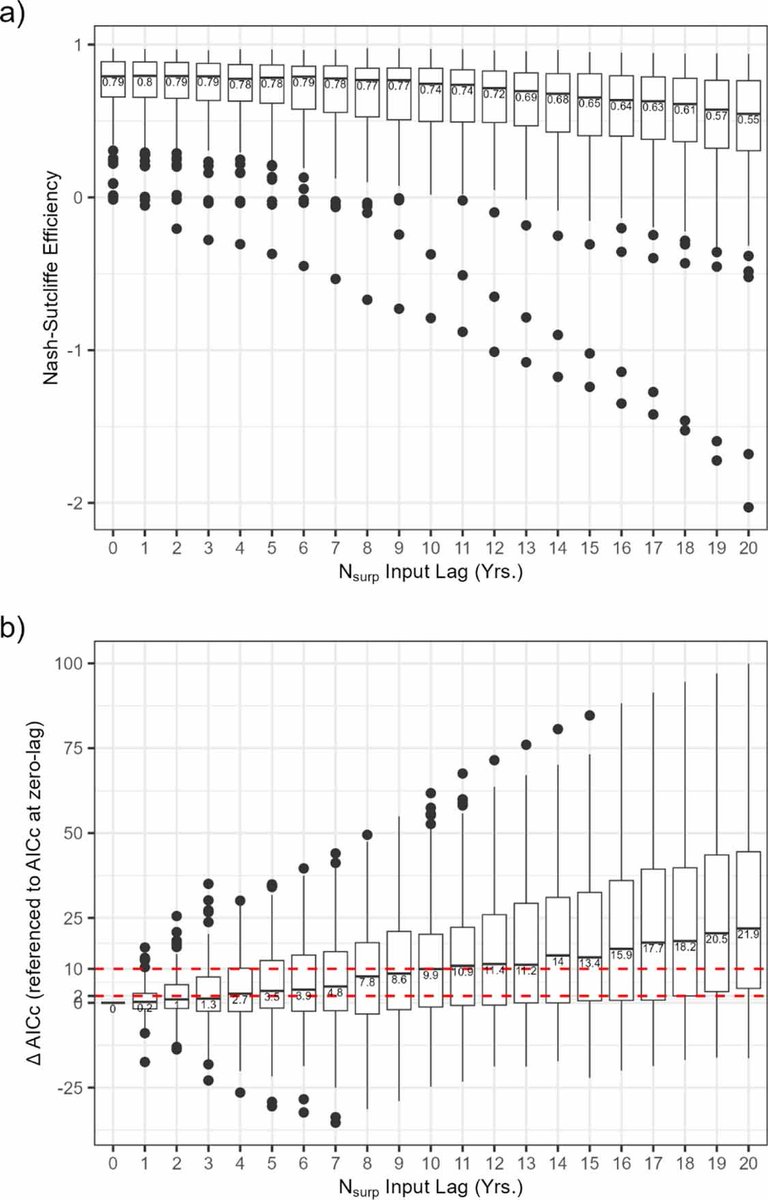
However, per figure above, "results using incrementally lagged watershed N inputs (themselves shown to be temporally autocorrelated), also imply that delivery lags of up to about a decade cannot be ruled out". Still a good new story for clean up efforts across the Nation!
After calibrating six unique models for 254 monitoring stations across the United States, we find that watershed nitrate loads will likely be responsive to improved farm nutrient management and wastewater treatment...not greatly impacted by legacy stores. https://t.co/pOiJryhNEJ
AGU's volunteer peer reviewers help advance the Earth and space sciences and maintain the integrity and accountability of the scientific record.🌎
If you are interested in joining the AGU pool of reviewers, please fill out our interest form: https://t.co/XgXRXq7Icd
#PRW2025 #PeerReview #AGUPubs #PeerReviewWeek
You are invited to nominate an impactful dataset most valuable to your research and community to be included in an upcoming commentary published in an AGU journal.
🔗 Learn more: https://t.co/i0mx9FE1wd
📆 Nominations are due October 10th!
#AGUPubs#OpenScienceWeek #OpenScience
This #MonitoringMonday, let's check out the Mackville CASTNET site in Kentucky. This site has been collecting air quality and deposition data since 1990! Find the data at: https://t.co/c0GFOXGO5Y
For the first time ever, EPA is providing CASTNET data though the Air Quality System (AQS). This database enables air monitoring agencies and researchers to easily access CASTNET data alongside state, local, Tribal air monitoring data. Learn more at: https://t.co/3khy7pxw1A
Check out EPA's fantastic ORISE Fellows developing the next generation of National Nutrient Inventory products.
Applying EPA’s National Nutrient Inventory to support state and local water quality
https://t.co/MsQ3q0xnkp
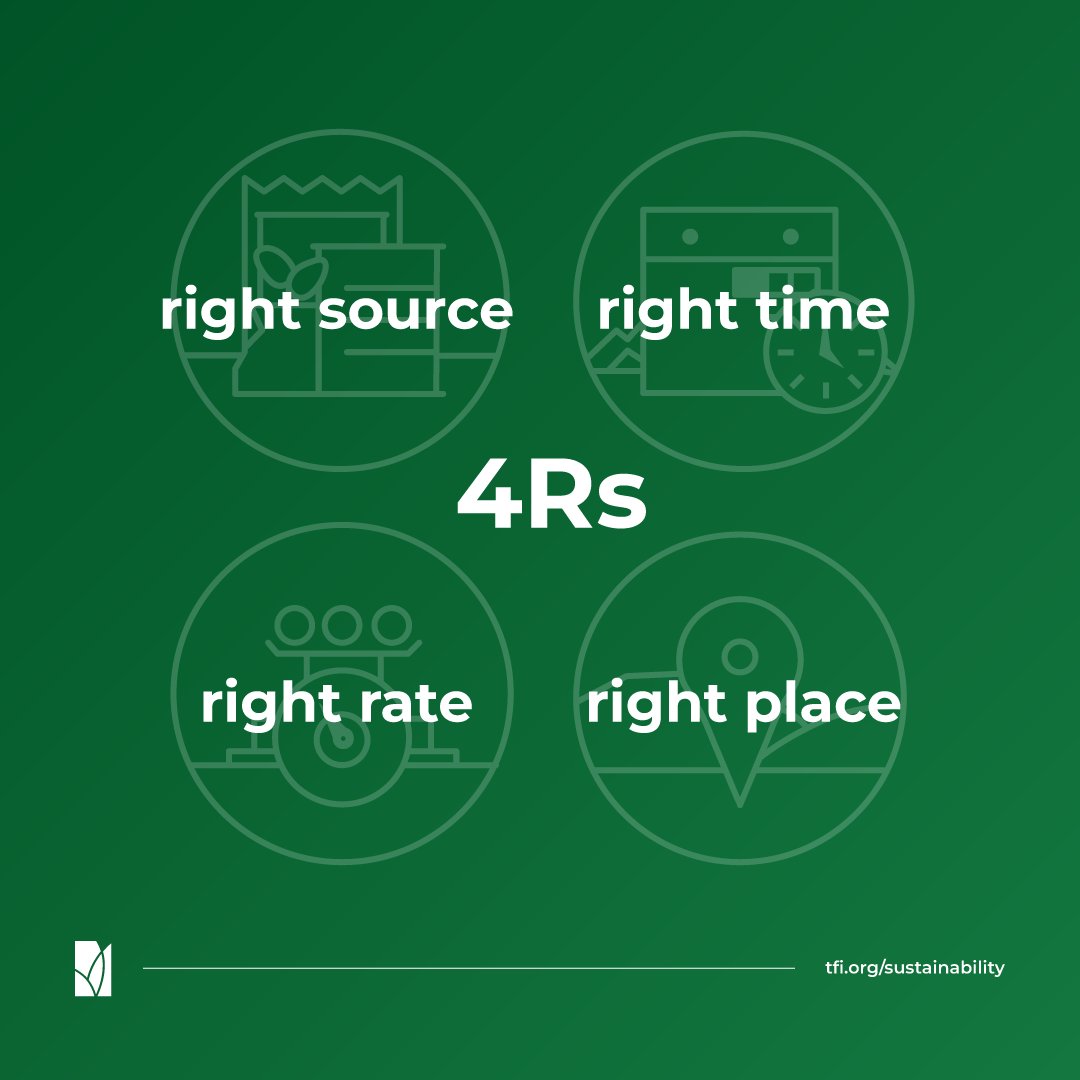
We’re at 65 million acres under 4R nutrient stewardship—92% of the way to our 2030 goal of 70 million acres (about the size of Nevada!). 🎉
Learn more about nutrient stewardship: https://t.co/vYc4ctICyC #4R#SustainableAg