@samwadzai@visetinfo@ChapterViset Cheers to a year well spent, Shumba, with remarkable milestones and achievements! I wish you even greater opportunities and success in 2025. Let’s keep inspiring and striving for new heights together!
Yesterday, WALPE,@visetinfo , and Padare Enkundleni Men’s Forum on Gender collaborated for a policy discussion on valuing unpaid care and domestic work at ZiFM, a local radio station in Harare.
#WeCareForHer
For an effective social security scheme in the informal sector, NSSA needs to incentivize participation, ensure sustainability with strong policies, maintain transparency, encourage collaborative efforts throughout, and build confidence in the system.
I'm currently engaged in a social security needs assessment for informal economy workers' schemes, representing VISET in the process, under NSSA's facilitation.@visetinfo
Lively conversation with comrades from the DRG and Humanitarian sector. Excited to hear about the great work led by Chief Dakamela in Nkayi and Amalima Loko in Mat North & South to combat drought. #DroughtResponse#CommunityAction@VISET
We participated in a Learning Information Knowledge and Exchange session to hear on innovative home grown solutions to the current drought. Chief Dakamela of Nkayi gave a concise presentation of how his community is trying to alleviate effects @accountlabzw@Belovedchiweshe
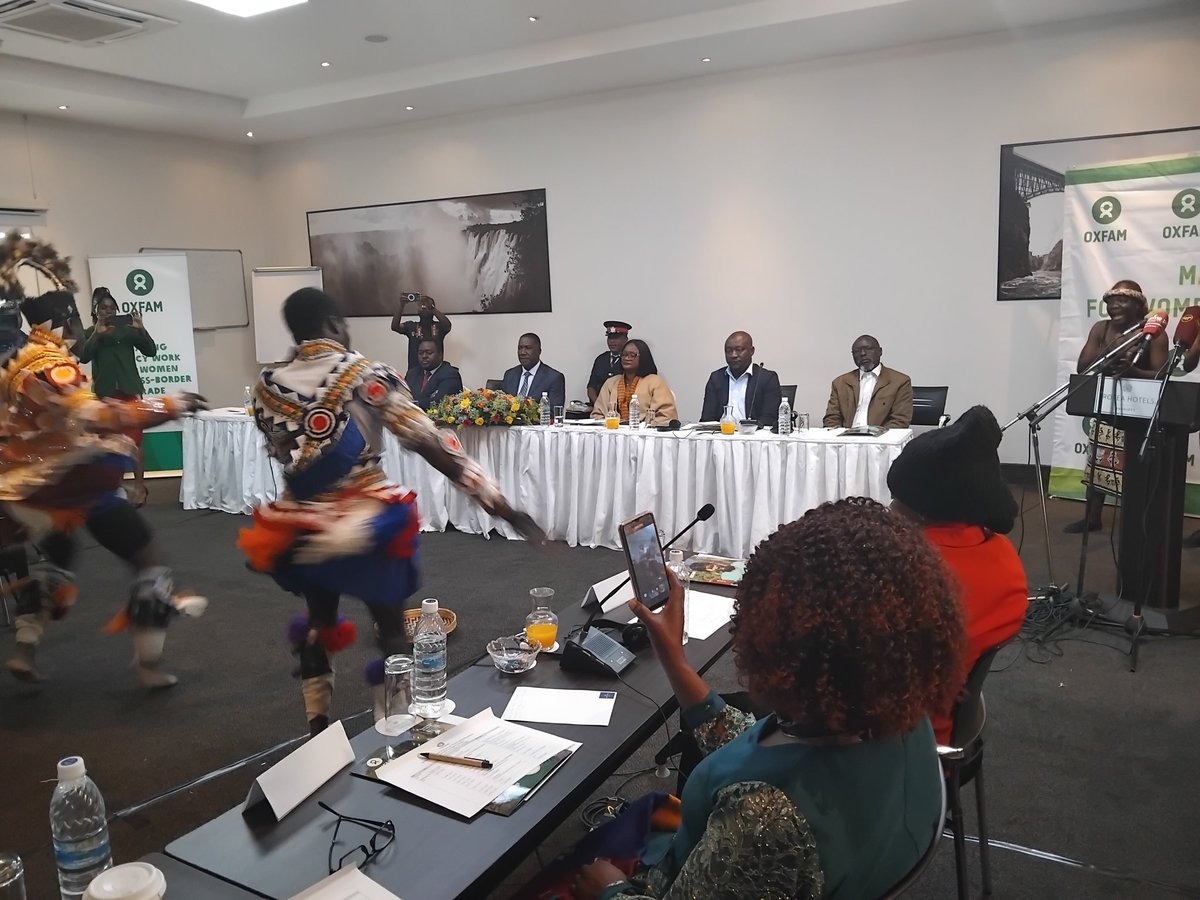
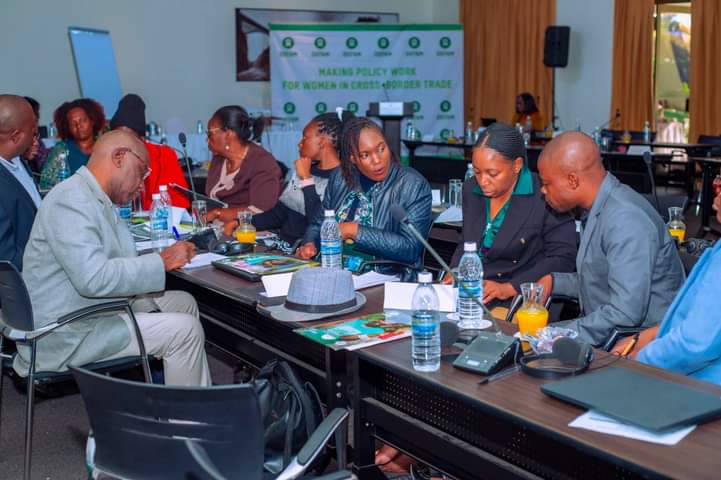
Excited to have attended the @OXFAM's "VWW: Informal Cross Border Trade (ICBT)" regional conference in Livingstone. Great conversations on key regional advocacy issues with traders from Mozambique, Zambia, Malawi & Zim! VISET Director presented the ICBT key research insights.
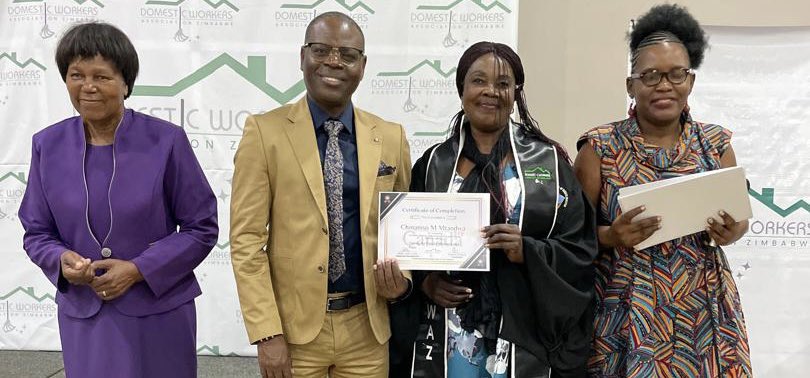
Congratulations! Félicitations! Makorokoto! Amhlophe ! to all the graduates 🎓of the @DWAZimbabwe . 🇨🇦 is a proud partner through #CanadaFund of a project that empowered domestic workers with skills and labour rights. #Canada4Rights#SDG8
So this morning I met Njabulo in Dubai, our @emirates flight was delayed due to engineering works.
Njabulo is also an engineer at @emirates, he trained with the Zimbabwean Air Force then moved to Air Zimbabwe, but today he is just a passenger going home to seek his folks in Nkayi.
Unfortunately we lost Njabulo when he left Air Zimbabwe for Dubai where he has been an engineer at the world famous airline, Emirates.
As we waited for our flight to be sorted, one of the engineers working on the plane was also Zimbabwean, I never got time to talk to him because he was working on the plane to get us going.
“Daddy Hope muribho here,” he greeted me as I entered the plane.
These men could have been working on Boeing passenger planes at Air Zimbabwe had it not been driven into the ground by the ZANUPF rulership.
Unfortunately Air Zimbabwe has never bought a Boeing since the 1980s.
We got talking with Njabulo about life and investments, about plant farming and animal husbandry.
We talked about our families, our dreams and of course the elephant in the room, Zimbabwean politics whose discussion shall remain between us.
He told me that unlike going to Britain and Australia or even South Africa, Dubai and the rest of the United Arab Emirates don’t issue permanent residency or citizenship.
You simply work on a rolling visa and when you can’t work anymore, you get your retirement package and go back home.
That seems to be the norm in all of the Arab and Central Asian countries I have been to.
I suggested to him as I always do here that Zimbabweans abroad should buy property in South Africa because there is political stability, rule of law and there is a health care system that is medical aid based in time for retirement.
You can earn money through Airbnb, on a property worth US$75,000, you can get an average return of US$1,315 a month.
Alternatively you can invest your money in high value ISAs than just buying a piece of land in Zimbabwe that sits there not earning you money or might be invaded by a corrupt politically connected land baron.
We put so much sentimentality in buying in Zimbabwe and we end up being conned and losing our savings or even losing the properties to corruption like what almost happened to Dr Dzingai Mutumbuka.
Back to national issues, as I said last week, Emirates started with two borrowed planes from Pakistan Airlines in 1985, but through good leadership, it now has over 200 planes.
At that time Air Zimbabwe had 21 planes and a cargo airline called Affretair left by Ian Smith but bankrupted by the ZANUPF regime.
Today Air Zimbabwe only has ONE plane flying, that is why Njabulo and many like him are economic migrants in Dubai and so many other places across the world.
The resilience and skills of Zimbabwean professionals abroad like Njabulo clearly emphasises the potential contributions they could make if political and economic conditions in Zimbabwe were more conducive.
I hope and pray for positive change in our country's political and economic landscape, change that fosters an environment where talents like Njabulo’s can thrive at home.
But for now as Marvin Gaye sang, wherever you lay your hat, that is your home.
Today it feels safe flying back home, if anything goes wrong, we have an engineer on board, a Zimbabwean trained engineer, Njabulo.
I wish him well in his future professional and life endeavours.
We are in Chiwundura for a Transformative Feminist Leadership Training program. This seeks to have a conversation about feminist principles and how they manifest for women in the informal sector. @OxfaminSAF@MrCletoh @ClareBCoffey @WCOZIMBABWE@mwacsmed@ParliamentZim
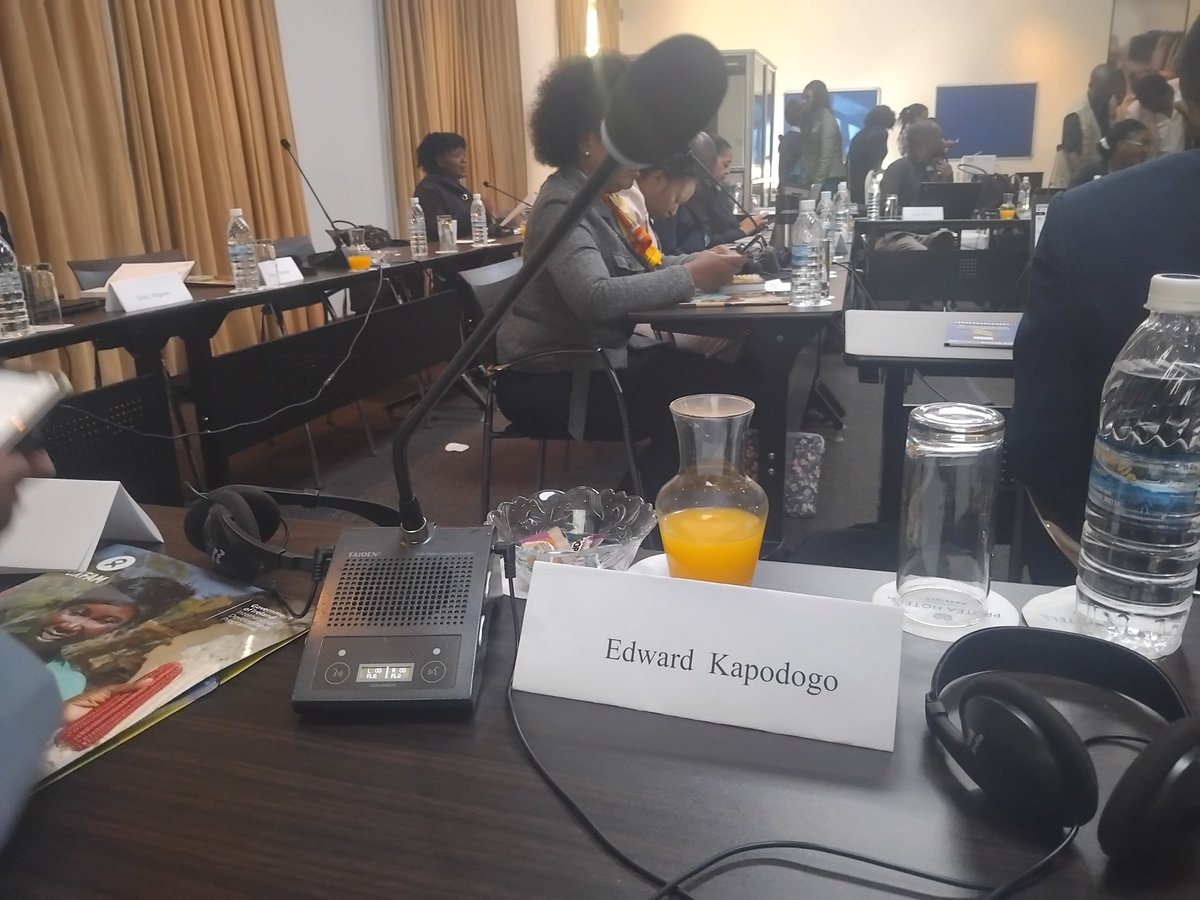
@eddiekapz says VISET welcomes the opportunity to contribute to policy reform and says the policy must solve woes such as corruption and cater to emerging trends such as intercity trading, night trading and carboot sales. Important to have monitiring mechanisms in place.