Here's a direct link to the paper published in JAMIA Open: https://t.co/N9El1PcvFx. This #openaccess article highlights how @MPishvaian and @Perthera's network of experts have made #PrecisionOncology more scalable and accessible to patients across the country through technology
“A virtual molecular tumor board allows for deep discussions and insight into many aspects of a person’s unique cancer profile,” says our @MPishvaian: https://t.co/TaoeDKmvZ7 @ASCOPost#endcancer
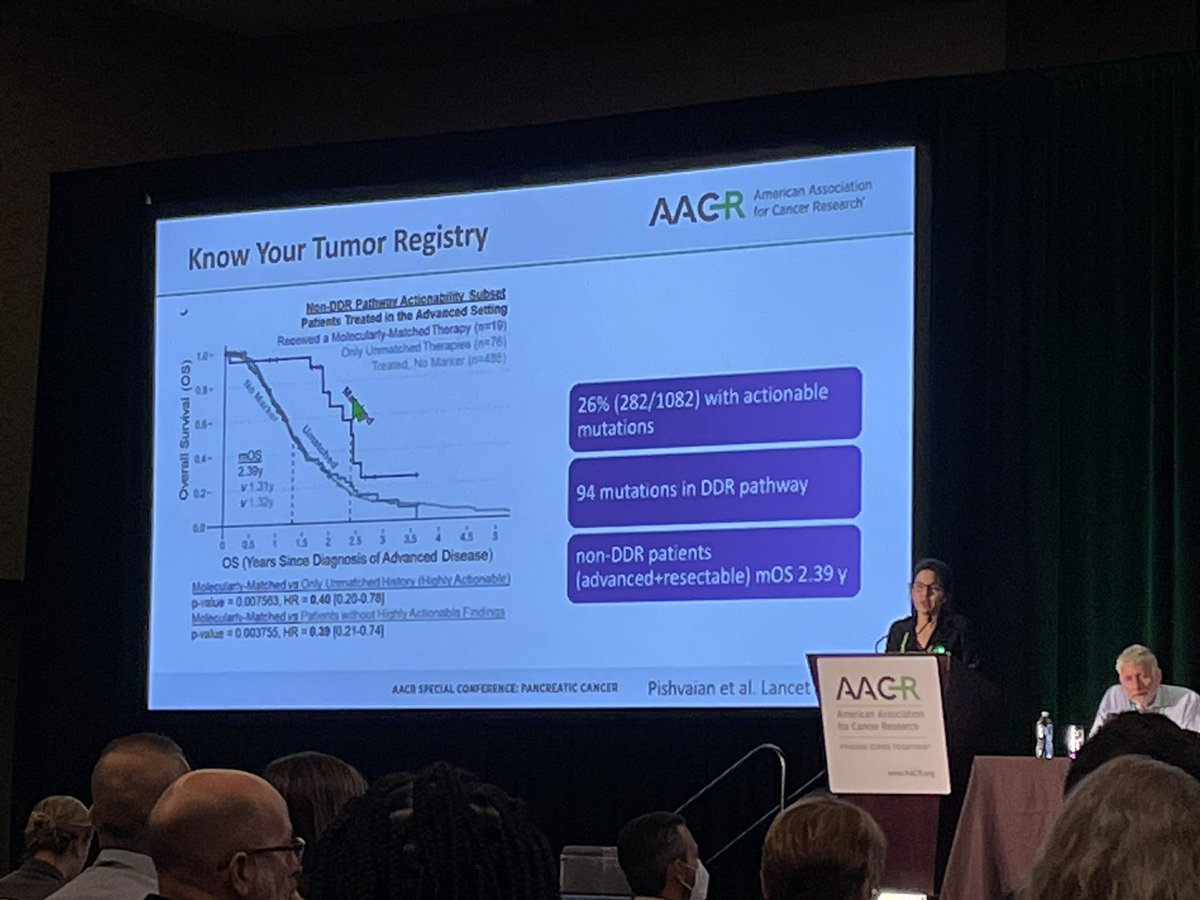
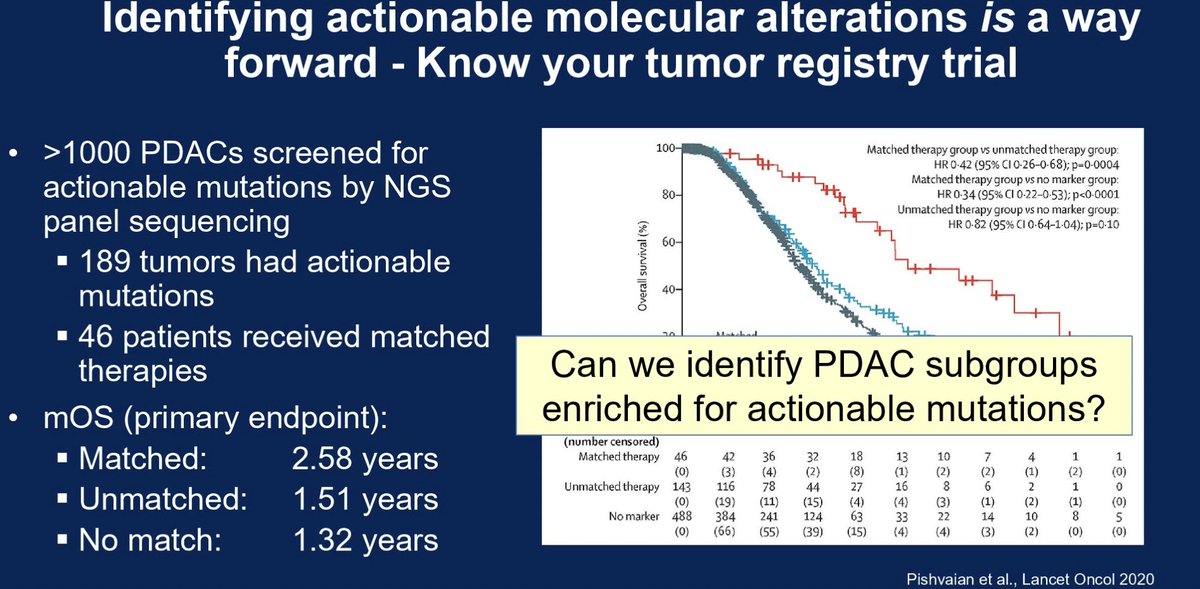
Great to see a shoutout to our @Perthera@PanCAN paper in @LancetOncology led by @MPishvaian at #asco22 during the Friday "Can We Begin to Predict Responders to Targeted Therapy in Gastrointestinal Cancer?" Session! https://t.co/x44YyvwhJB
Dr Thomas Seufferlein of @UniklinikUlm shows promising data that there could be hidden subpopulations that when matched with targeted therapy may impact treatment outcomes in #pancsm#GIonc#ASCO22
Dr Thomas Seufferlein of @UniklinikUlm shows promising data that there could be hidden subpopulations that when matched with targeted therapy may impact treatment outcomes in #pancsm#GIonc#ASCO22
📢In preparation for #ASCO22, I wanted to present my list for the #PancreaticCancer abstracts to👀for @ASCO
Again,🙏note - I went through a LOT of abstracts, and I definitely may have missed some‼️
👉And these are not in any particular order
✅But enjoy, RT, and reply😀
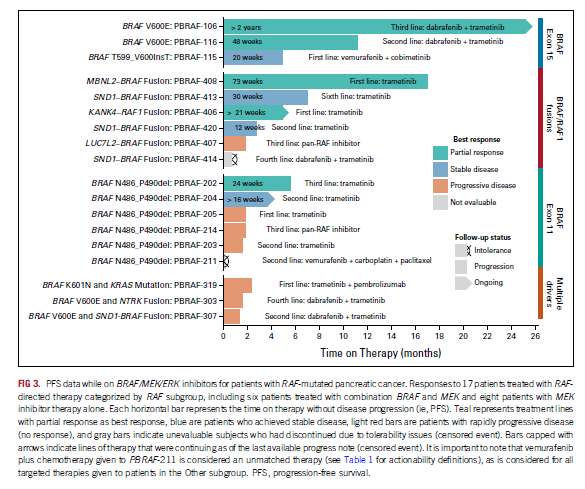
"Because the alterations are so rare, 1 single institution wouldn’t be able to draw conclusions about the best treatment approaches" @EmilyLyons87@PanCAN - wonderful example of collaboration for the benefit of #pancreaticcancer patients! 💜
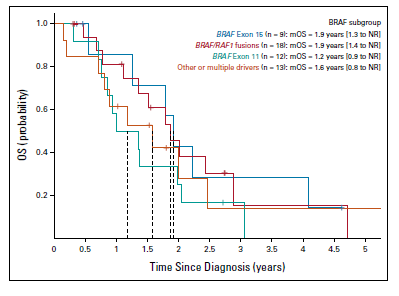
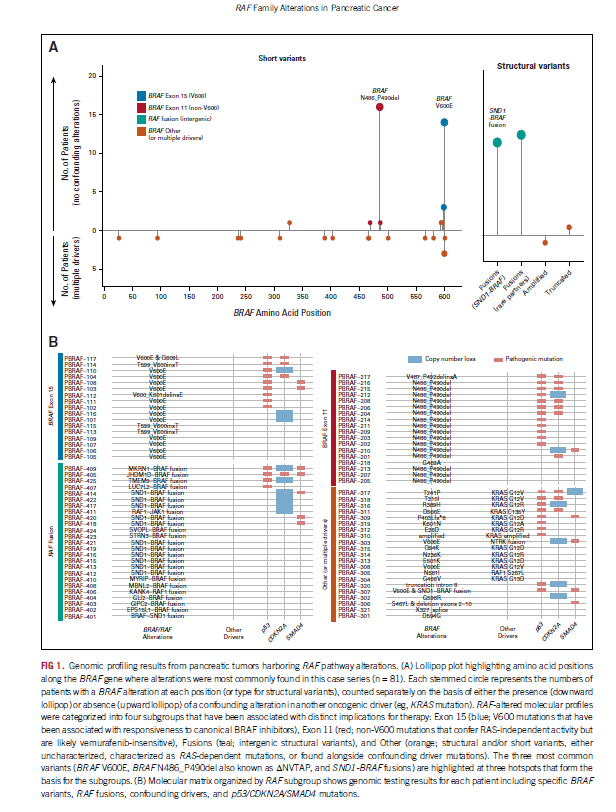
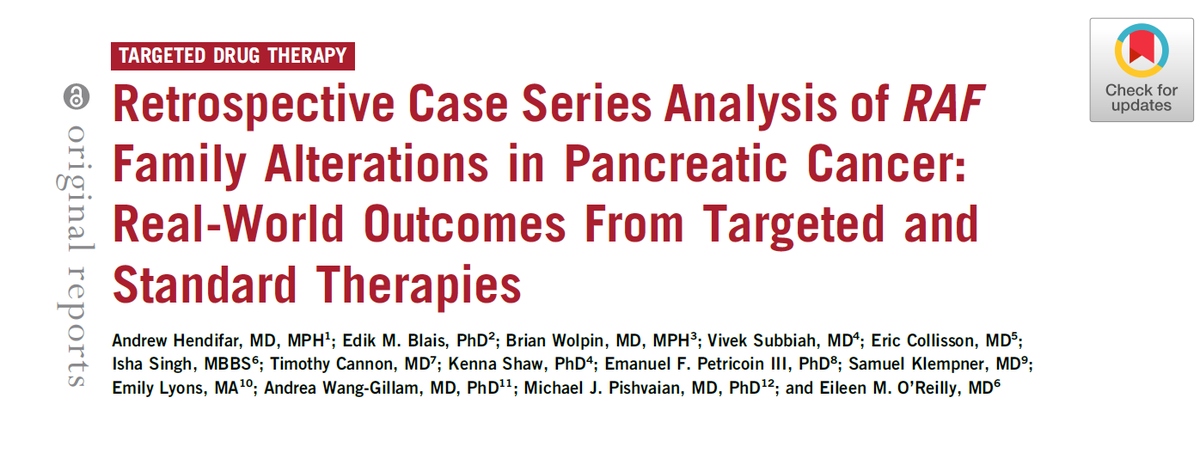
We're excited to announce a paper published today in @ASCO_Pubs#JCOPO that looks at the outcomes of #pancreaticcancer patients with alterations to the RAF gene and treatment targeted to that genetic alteration. Learn more at https://t.co/GH1inhS1Lv
@drallysonocean Importantly, mutations in #BRCA and related DDR genes are NOT simply prognostic on their own (we only see a difference when platinums are used) #pancsm#PancChat https://t.co/QWoaIAbEGX
@Dr_R_Kurzrock A KRAS mutation rate of ~44% still isn't very high (vs >80% expected). @Perthera did this analysis 4 yrs ago and the KRAS hit rate was only ~29% (n=34), but hopefully the sensitivity of liquid biopsy tests will improve over time:
https://t.co/EJfSlCvvP9
@BenWestphalen@SWOG Agreed, tough to make concrete comparisons without molecular data (BRCA/DDR at the very least). Check out @Perthera's #asco20 poster on correlations between KRAS variants and these regimens given in 1st line https://t.co/eqt2OO5qF6 #pancsm
@jamienholloway@gerlach_d@DavidHongMD@AACR It turns out the incidence of KRAS G12C is surprisingly rare in pancreatic cancer. Check out @Perthera's #asco20 poster on KRAS variants and their predictive/prognostic implications using real-world outcomes in #pancsm https://t.co/eqt2OO5qF6
@StephenVLiu Any insights into the impact of KRAS mutations on outcomes across this NSCLC population? @Perthera's #asco20 study in pancreatic cancer saw some really interesting correlations with the KRAS variants that you rarely see in NSCLC https://t.co/eqt2OO5qF6 #pancsm