No Roda Viva, Mônica Bergamo afirmou a Gilmar Mendes que uma eventual delação de Daniel Vorcaro dificilmente acontecerá, porque teria potencial para atingir pessoas muito poderosas.
A resposta de Gilmar foi tão curta quanto reveladora:
“No atual momento, parece que você tem razão.”
Uma frase que, por si só, levanta questionamentos sobre os limites do poder, da influência e da capacidade das instituições de enfrentar interesses de quem está no topo.
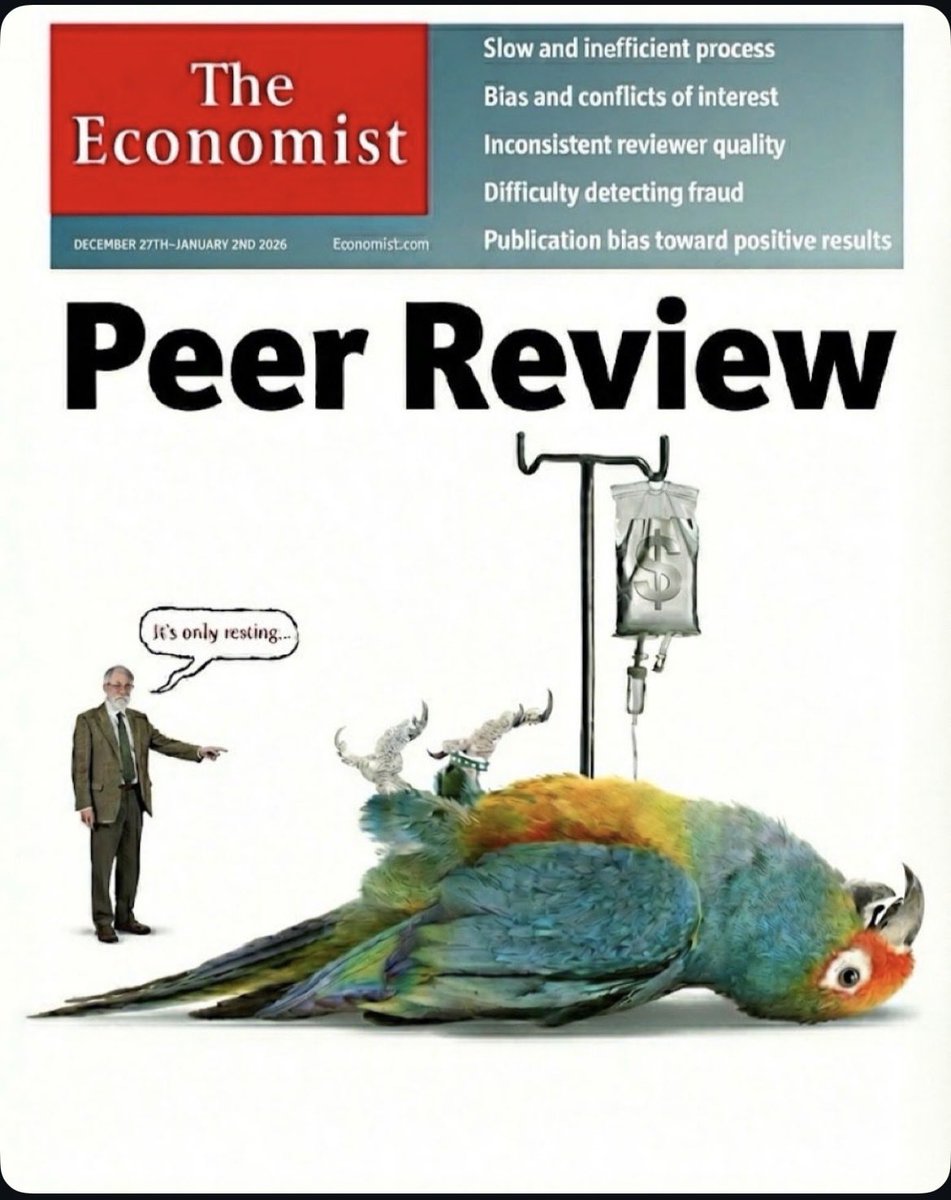
For decades, peer review has been treated as the gold standard of scientific validation.
Yet many scientists know the reality: the system is far from perfect. Peer review is broken and sometimes even corrupted.
The process can be slow, inconsistent, and vulnerable to bias. Reviewers are sometimes asked to judge work outside their true expertise. In other cases, they may be evaluating ideas that challenge the very paradigm in which they were trained. And occasionally, reviewers are simply competitors.
Ironically, the most prestigious journals can also be the most conservative. Truly new ideas are often met with skepticism, while safer work that fits the current narrative moves more easily through the system.
Increasingly, papers are judged less by the originality of the idea and more by the volume of data, the sophistication of statistics, and the beauty of the figures. Science risks becoming data-rich but idea-poor.
But there is an important reality to remember: journals do not ultimately decide the impact of scientific work. Impact is decided later, by the community. By the scientists who read it, test it, debate it, and cite it.
In the end, citations and ideas determine the legacy of a paper, not the impact factor of the journal that first published it.
Science has always advanced by questioning assumptions. Perhaps it is time we also question the system that filters scientific ideas.
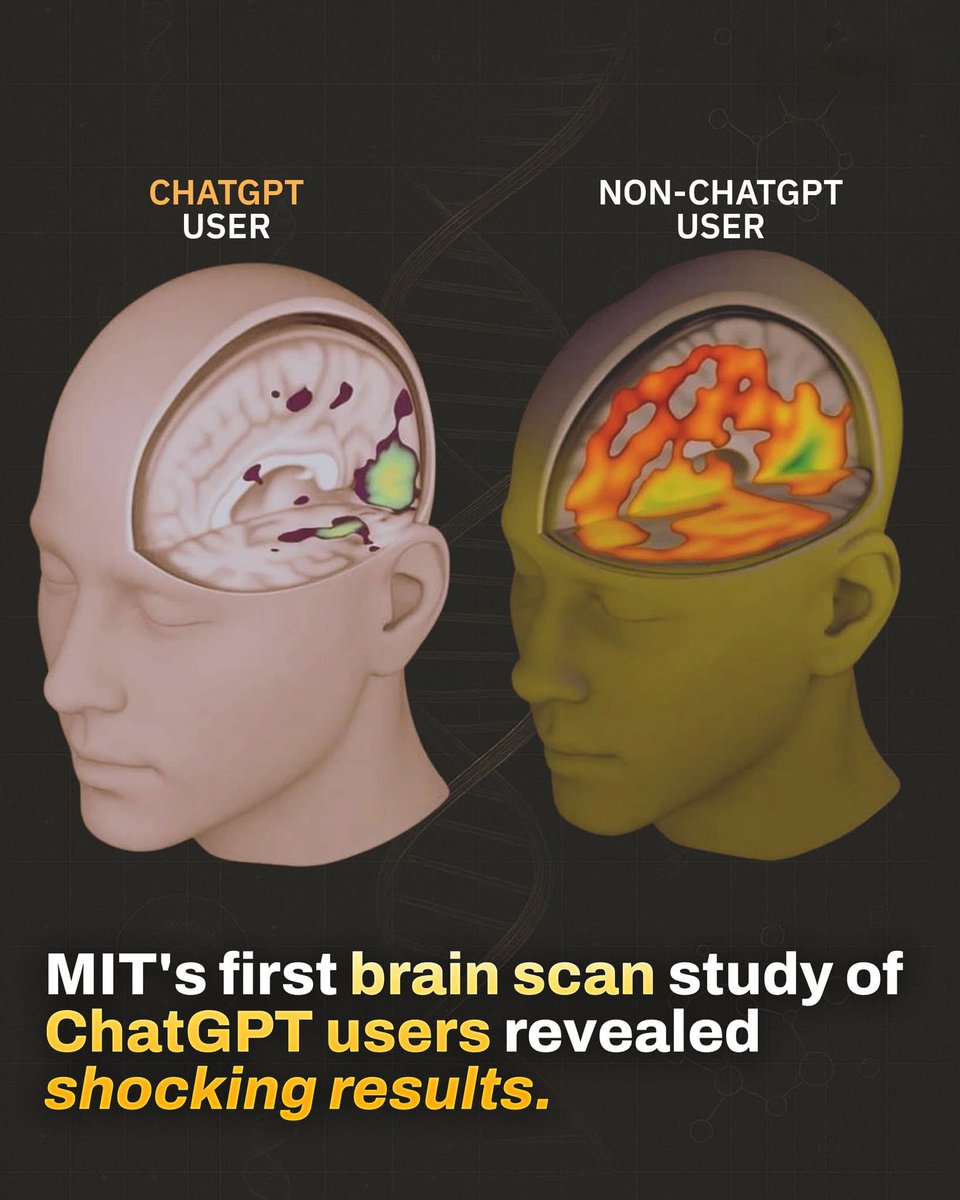
🧠 MIT recently completed the first brain-scan study on ChatGPT users—and the results are deeply revealing.
Rather than boosting brain function, prolonged AI use may be dulling it.
Over four months of cognitive data suggest we might be measuring productivity all wrong ⤵️
In MIT’s study, participants had their brains scanned while using ChatGPT.
→ 83.3% of users couldn’t recall a single sentence they’d written just minutes earlier.
→ In contrast, those writing without AI had no trouble remembering.
Brain connectivity dropped sharply—from 79 to 42 points.
→ That’s a 47% drop in neural engagement.
→ The lowest cognitive performance among all user groups.
Even after stopping ChatGPT use in later sessions, these users showed continued under-engagement.
→ Their performance remained lower than those who never used AI.
→ This suggests more than dependency—it’s cognitive weakening.
Beyond the scans, educators flagged the writing itself.
→ Essays were technically solid, but often called “robotic,” “soulless,” and “lacking depth.”
Here’s the paradox:
→ ChatGPT makes you 60% faster at completing tasks…
→ But it reduces the mental effort required for learning by 32%.
The top-performing group?
→ Those who began without AI and added it later.
→ They retained the best memory, brain activity, and overall scores.
Using ChatGPT can feel empowering—but it may quietly offload your thinking.
→ You gain speed, but lose engagement.
→ You get answers, but stop learning how to think.
The takeaway isn’t to avoid AI—but to use it intentionally.
→ Use it to assist, not replace your mind.
→ Build cognitive strength—not dependency.
MIT’s early study on AI and the brain lays out the stakes. The way we use these tools matters more than ever.
🤫🔇LEI DO SILÊNCIO - Som alto pode até às 22 horas. TOTALMENTE ERRADO! 🚫 A qualquer hora que você estiver incomodando, pode receber a visita de uma viatura e ter a tua porcaria de caixa de som que comprou em 48 vezes apreendida!
Respeite para ser respeitado!
Verdades desconfortáveis da vida adulta
1. Você não terá tempo para tudo. As prioridades mudam o tempo todo e sempre haverá algo ficando para depois.
2. Nem todos os relacionamentos duram. Isso não significa fracasso e faz parte do processo de seguir caminhos diferentes.
3. Ninguém pensa em você tanto quanto você imagina. As pessoas estão ocupadas lidando com suas próprias batalhas internas.
4. Trabalhar duro não garante reconhecimento. Fatores como política, timing, contatos e sorte influenciam mais do que parece.
5. Cuidar da saúde se torna responsabilidade total. A falta de sono, a má alimentação e o sedentarismo cobram preço mais cedo ou mais tarde.
6. A vida adulta exige engolir sapos com frequência. Chefe difícil, clientes exigentes, burocracias e contas fazem parte do pacote.
7. Dinheiro não é tudo. A presença dele traz tranquilidade e a ausência traz problemas que se acumulam rapidamente.
8. Os pais deixam de parecer invencíveis. Eles envelhecem, erram e precisam de cuidado, o que muda nossa percepção sobre eles.
9. A vida se torna mais solitária quando não há esforço para mantê-la cheia. Amizades exigem intenção e atenção constantes.
10. A comparação com os outros acontece mesmo com consciência disso. O desafio está em focar no próprio ritmo e respeitar o próprio tempo.
11. Crescer não aumenta a segurança. A maturidade ensina a agir apesar do medo e a administrar incertezas.
12. A felicidade é irregular. Ela aparece em pequenos momentos que precisam ser percebidos e valorizados.
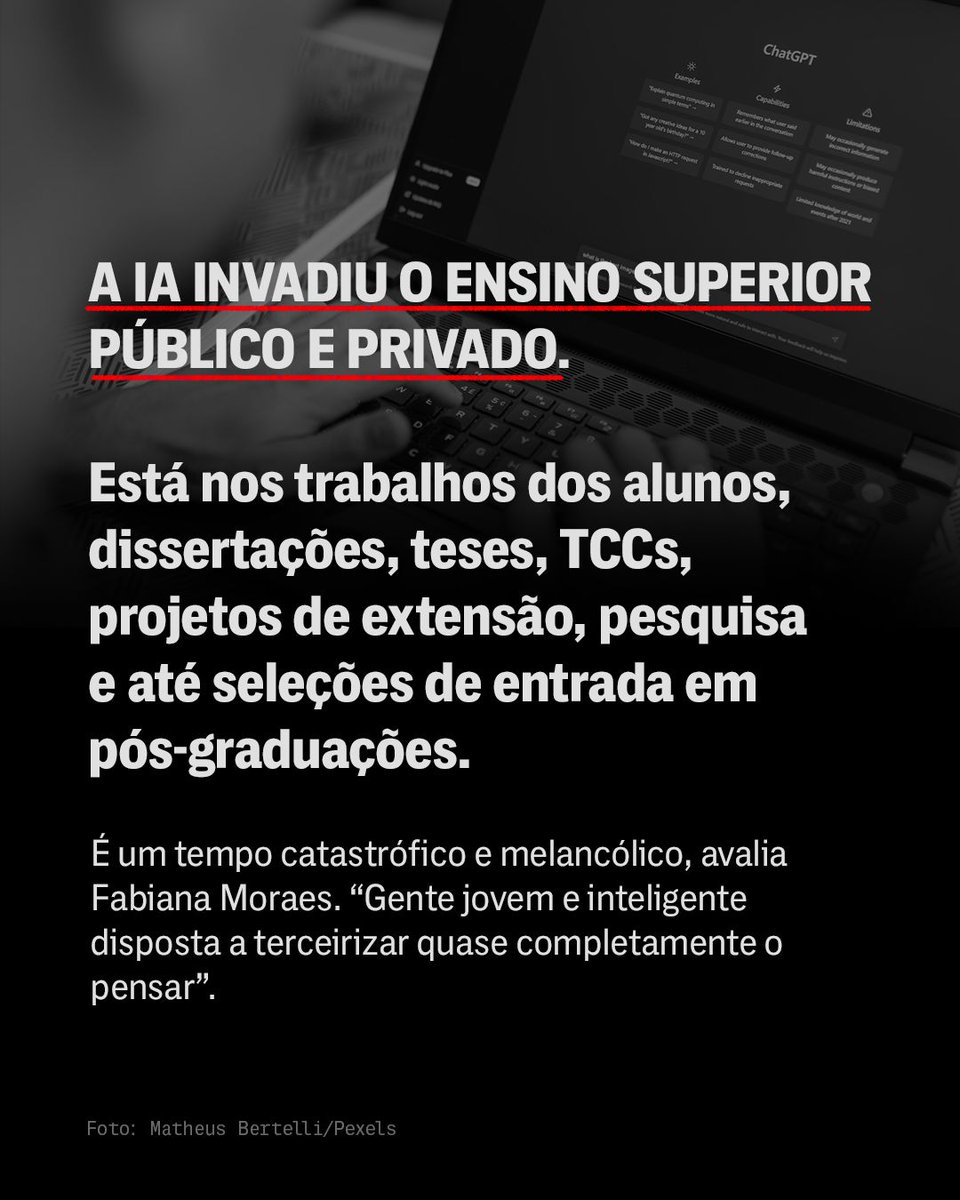
A IA invadiu o ensino superior. Está nas sala de aula, nos trabalhos, textos de qualificações, dissertações, teses, TCCs, projetos de extensão, pesquisa, seleções de entrada em pós-graduações. Em coluna para o Intercept, @fabi2moraes mostra como a academia brasileira está dividida sobre o que fazer diante dessa nova realidade e os riscos de ver os jovens terceirizando o ato de pensar.
📌 Leia em: https://t.co/k5bSvoTNPa
Bom dia pra quem vive num país onde o Congresso se recusa a votar imposto sobre grandes fortunas porque “a população não aguenta mais pagar tanto imposto” — mas aprova aumento no número de deputados.
Um tapa na cara da sociedade, dado pelo segundo Congresso mais caro do mundo.
Em 2013, a BlackBerry estava à beira do colapso… perdendo 1 bilhão de dólares por trimestre.
Seus celulares ficaram obsoletos, e todos acreditavam que a empresa estava acabada.
Mas então, o novo CEO tomou uma decisão inesperada que mudou tudo…
Aqui começa o retorno mais surpreendente da história recente :
A mentalidade do brasileiro é tão tóxica que se ele vê um carro dando seta pra trocar de faixa ele ACELERA só pra impedir que isso aconteça na frente dele.
🇧🇷 Brazil takes home Best International Feature Film for I'M STILL HERE with Walter Salles flashing a smile at the 97th #Oscars.
Photo Credit: Matt Sayles
➡️ Importante!
Em ato na véspera do Carnaval, Alcolumbre reajusta cota parlamentar de senadores em até 65%
Gastos aumentarão R$ 4,9 milhões por ano, segundo cálculo feito pela coluna
No @Metropoles
https://t.co/0PZ8VOj4z7
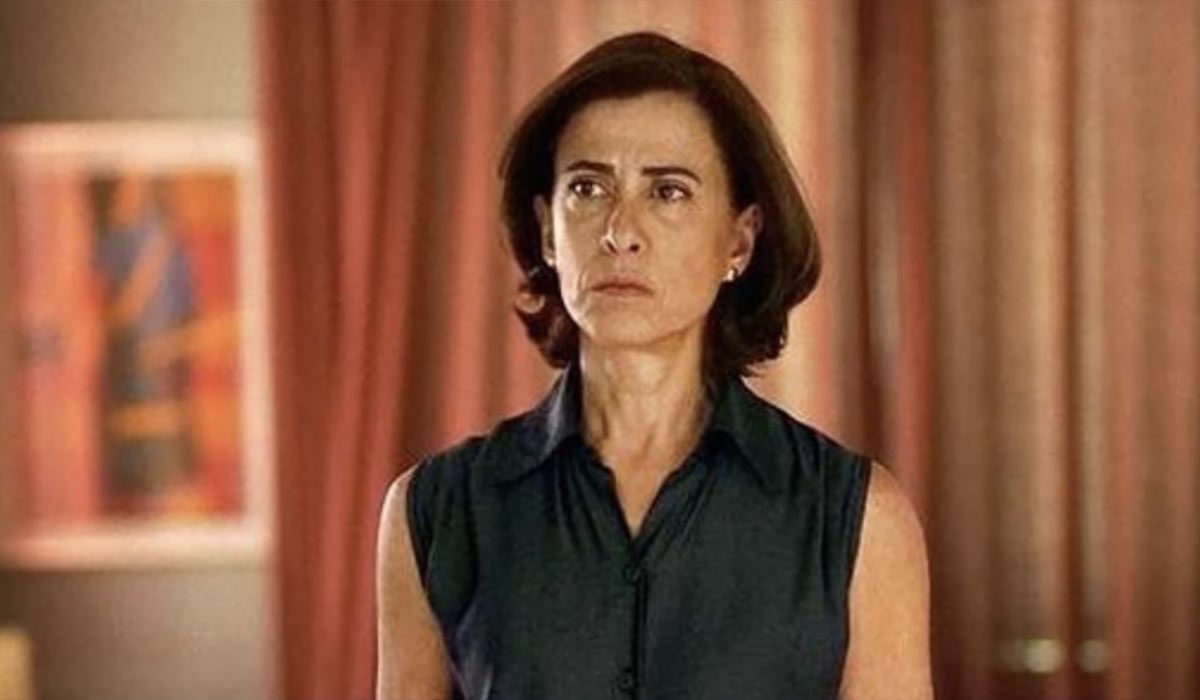
Impossible to think of a more haunting, nuanced & complex performance nominated for this the Oscars than that of Fernanda Torres in “I’m Still Here.” It’s the climax of an entire career dedicated to the arts, literature, intellectual pursuits, and to understanding History.
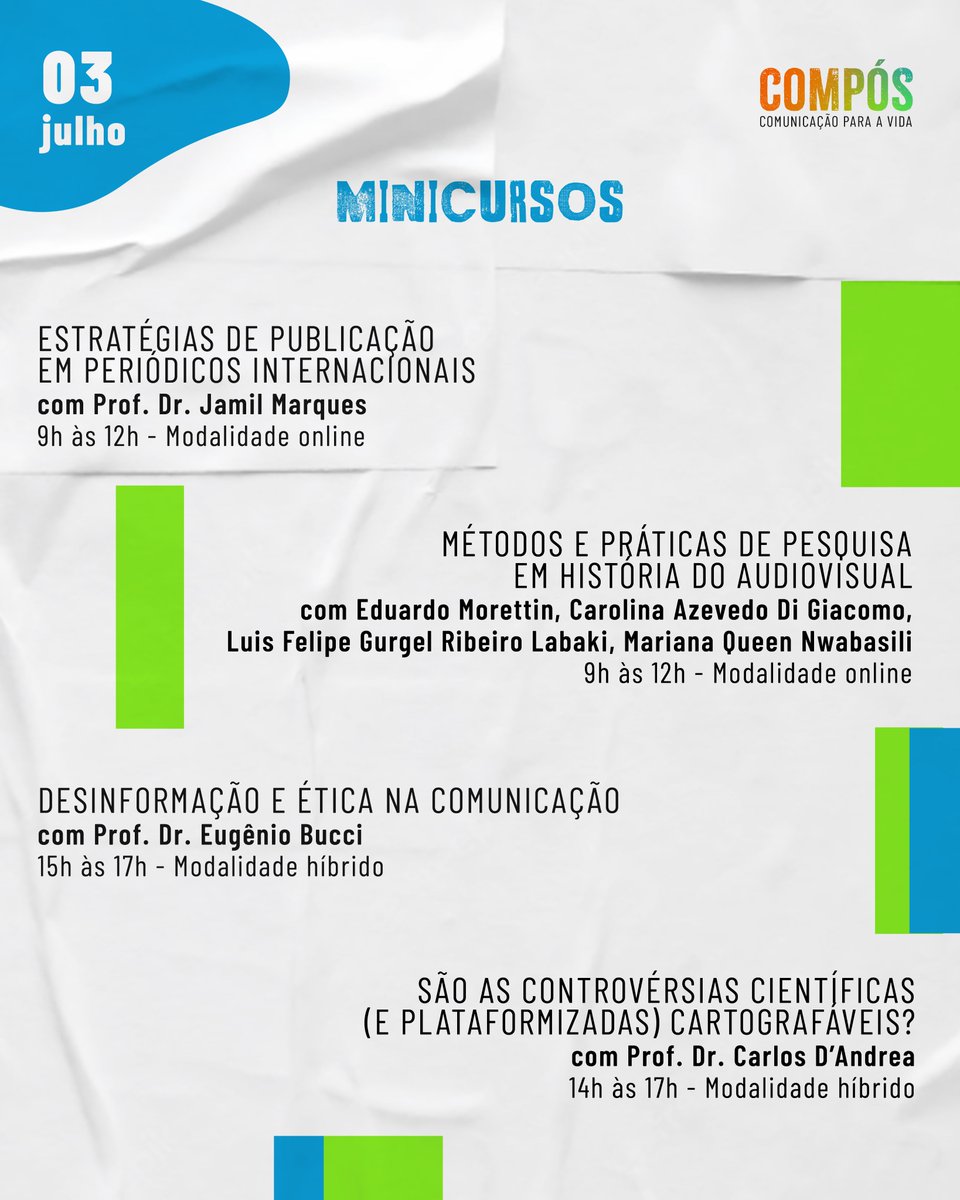
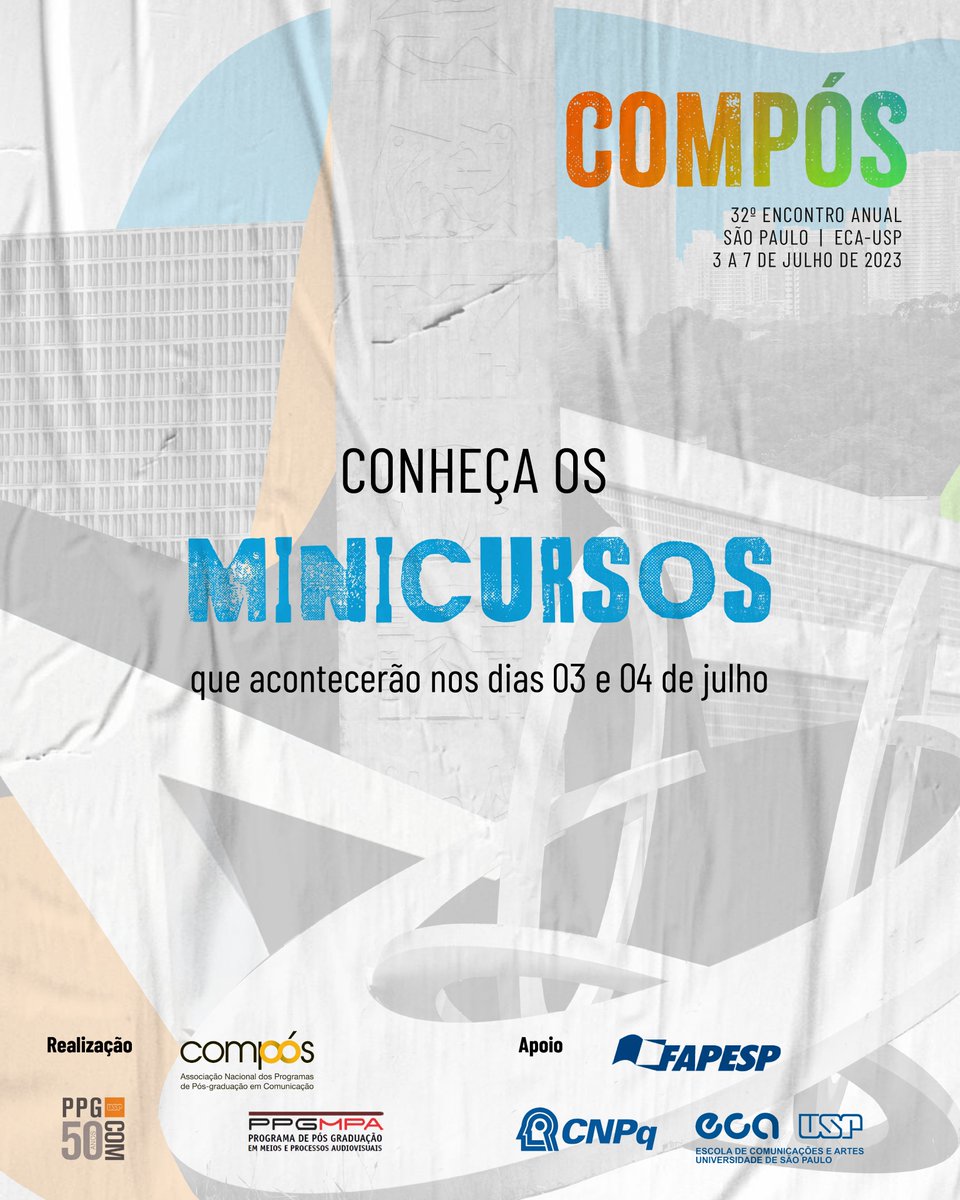
Durante o pré-evento desse ano, serão oito minicursos nas modalidades online ou híbrida, com professores dos PPGs realizadores dessa edição (PPGCOM-USP e PPGMPA-USP) e professores convidados.