What if I told you that some of the most threatened land is also cheap to protect? Our new paper in @ConLetters shows that conservation landscapes are full of bargains: https://t.co/YR3Ncb4ArD.
@bode_e@BobPressey @CoralCoE @ConsPlanGroup
We have a fully funded PhD position open for applications!
The PhD will be in Uppsala, Sweden at @SLU_aqua.
Please apply if you're interested in marine ecology, habitat and connectivity modelling, conservation, and climate change.
#phd#science
https://t.co/endBCxlNqy
🌊 We’ve gone live with our brand new website for #ProtectBaltic (https://t.co/ZDsd4ecYXK) – the most ambitious protection project in @HELCOM’s history. Explore the new site, follow and join us as we aim to secure a healthier and resilient Baltic Sea for future generations. 🌏💙
(4) The coastal regions of Africa, in particular, are exceptionally biodiverse. The primary drivers behind biodiversity decline are intensive agriculture, logging, mining, and overfishing.
With the upcoming #ICCB2023 focusing on biodiversity conservation and sustainable economic development in #Africa, let's set the scene.
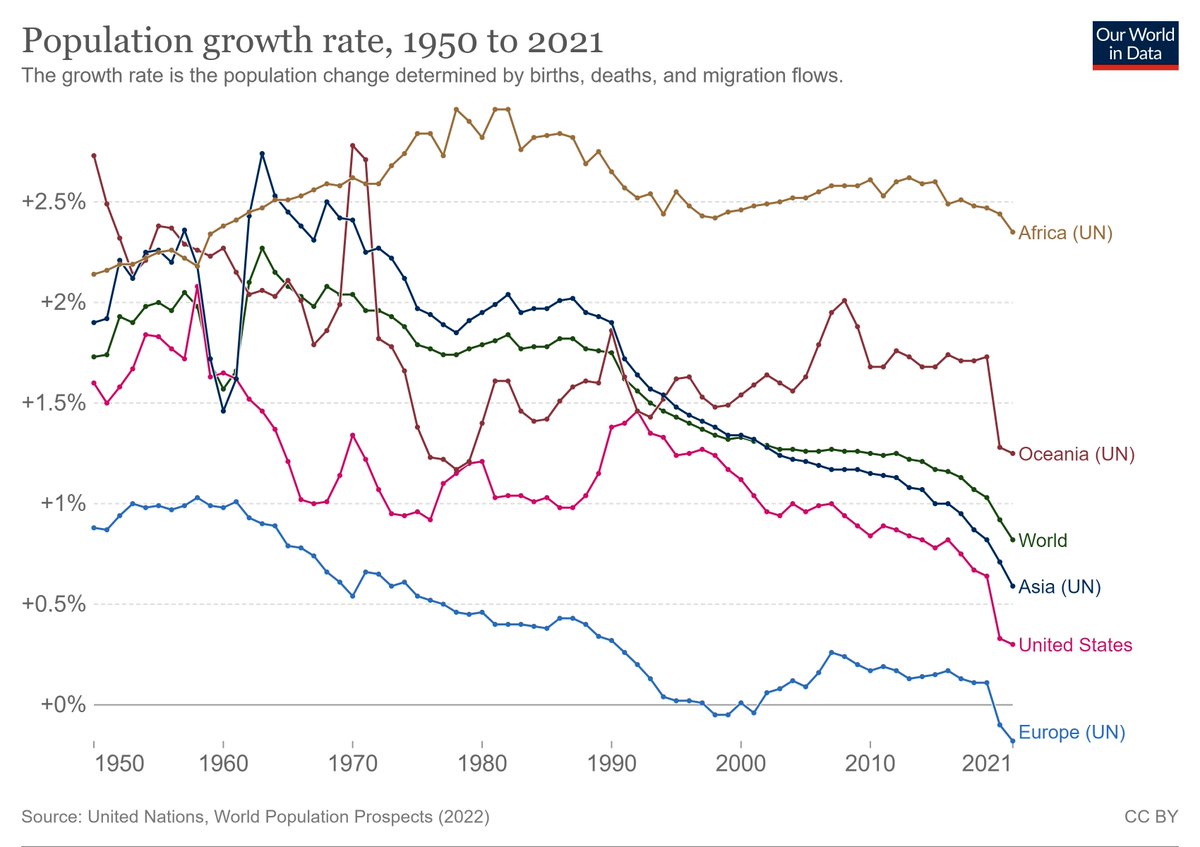
(1) Population growth is high in Africa compared to the rest of the world. Outside Africa, growth rates have been declining since the '60s.
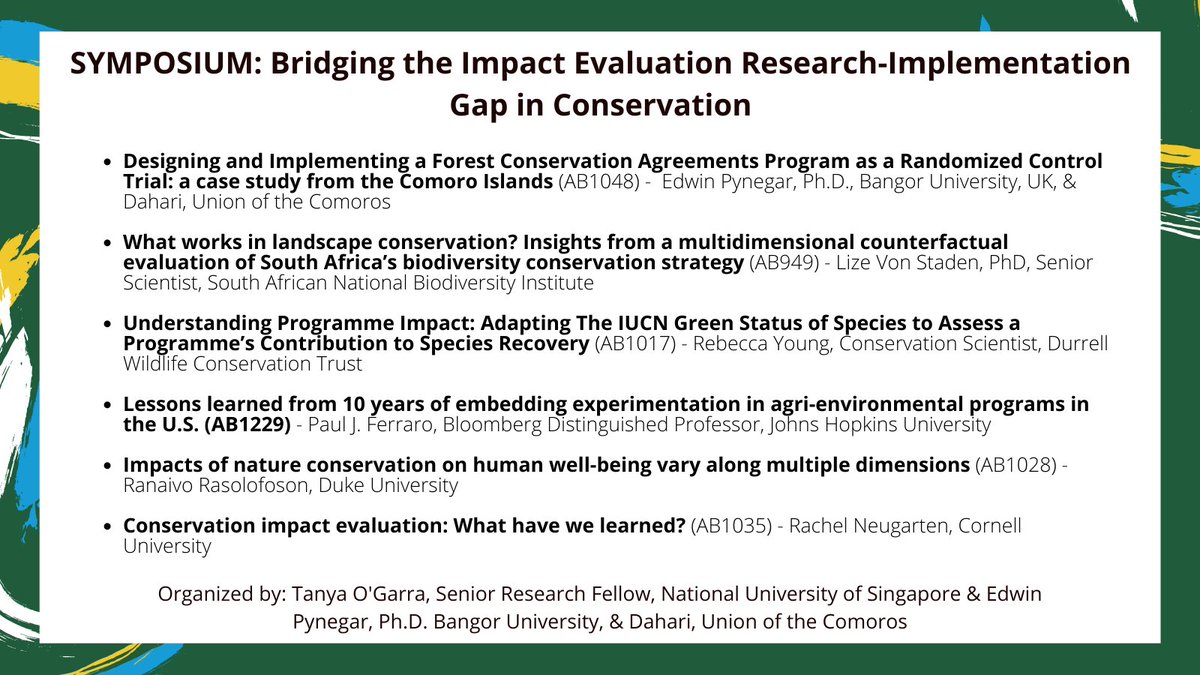
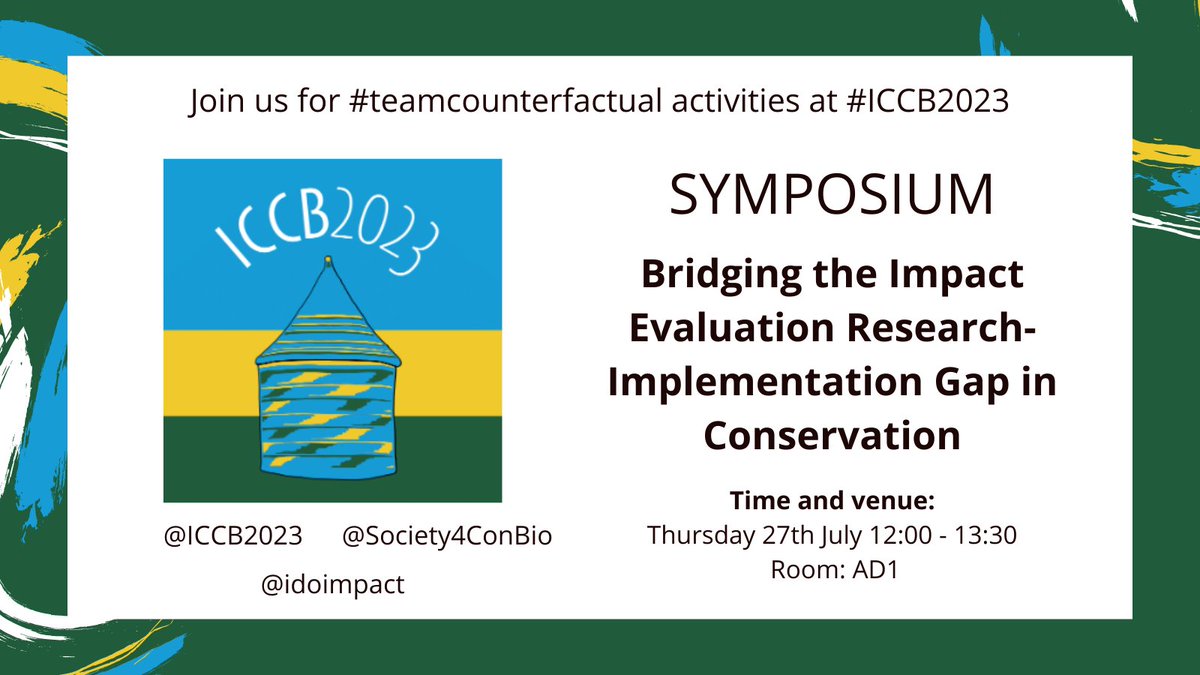
Join us at #ICCB2023 on Thurs. July 27th 12 - 13:30 for our symposium "Bridging the Impact Evaluation Research-Implementation Gap in Conservation" in room AD1. Plus, join our networking event on the evening of the 26th! See the full program here: https://t.co/nFkPcgJoFI
Stoked to be presenting the new WIO Symphony tool at @Society4ConBio's #ICCB2023! In building the tool we've made 89 maps of ecosystems, species, and pressures in the Western Indian Ocean.
A huge effort by @NCSecretariat, @havochvatten, @SLU_aqua, @sguSverige, and many more.
Here is a quick R #rstats tip that might save you some time!🤓
If you hold down alt you can spread the cursor over multiple rows of code and edit multiple lines at the same time. On some systems you may need to press alt again after highlighting.
What impact have national greenhouse gas emissions had on global warming?
A new paper by @Jones_MattW & team at @gcarbonproject quantifies each country's contribution to global mean surface temperature rise.
I've added this data to @OurWorldInData. Here are some highlights 👇
@eklund_jo A missed opportunity there. One would expect a bias in the selection of older forests for PAs in the first place. Perhaps many of these forests are simply not desirable for forestry, agriculture, etc. and may have flourished in the absence of protection anyway.
@clumpusjim Very nice, I hadn’t realised I could get rid of the annoying ask to save workspace, thanks. Console on the right though, that is a bit wild.
A striking figure: a cleared hectare of the Amazon is worth ~$1,200, on average. The released CO2 costs ~$25,000, in terms of harm from #climate change, according to @TheEconomist.
I’m curious, where does this harm cost estimate come from? https://t.co/OnFYmdNvV3
The issue is not climate warming itself, but rather the rate of warming. The pace is too rapid for species to adapt and evolve, hence the fear of widespread extinctions.
“It's kind of obvious, if you have a warmer world with more CO2, it's a more tropical world with more life. It's a more green world in the life sense of green, and yet the green movement hates it because we caused it”
With @jordanbpeterson
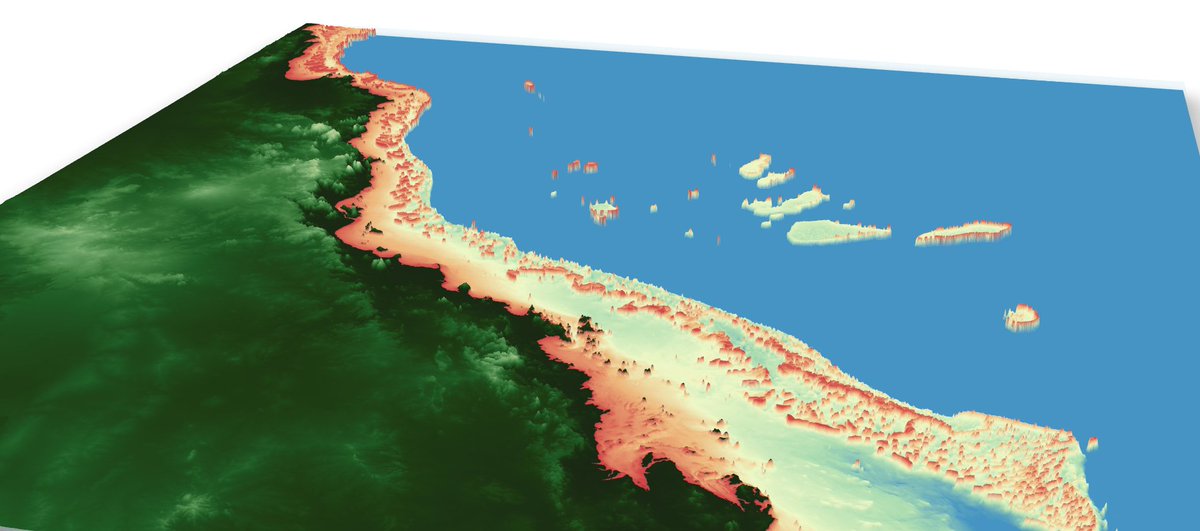
The Great Barrier Reef with #rayshader in #rstats. How magnificent. The GBR is in danger from mass coral bleaching, which has occurred in 1998, 2002, 2016, 2017, 2020 and 2022. In 2022, mass bleaching occurred for the first time in La Niña conditions.
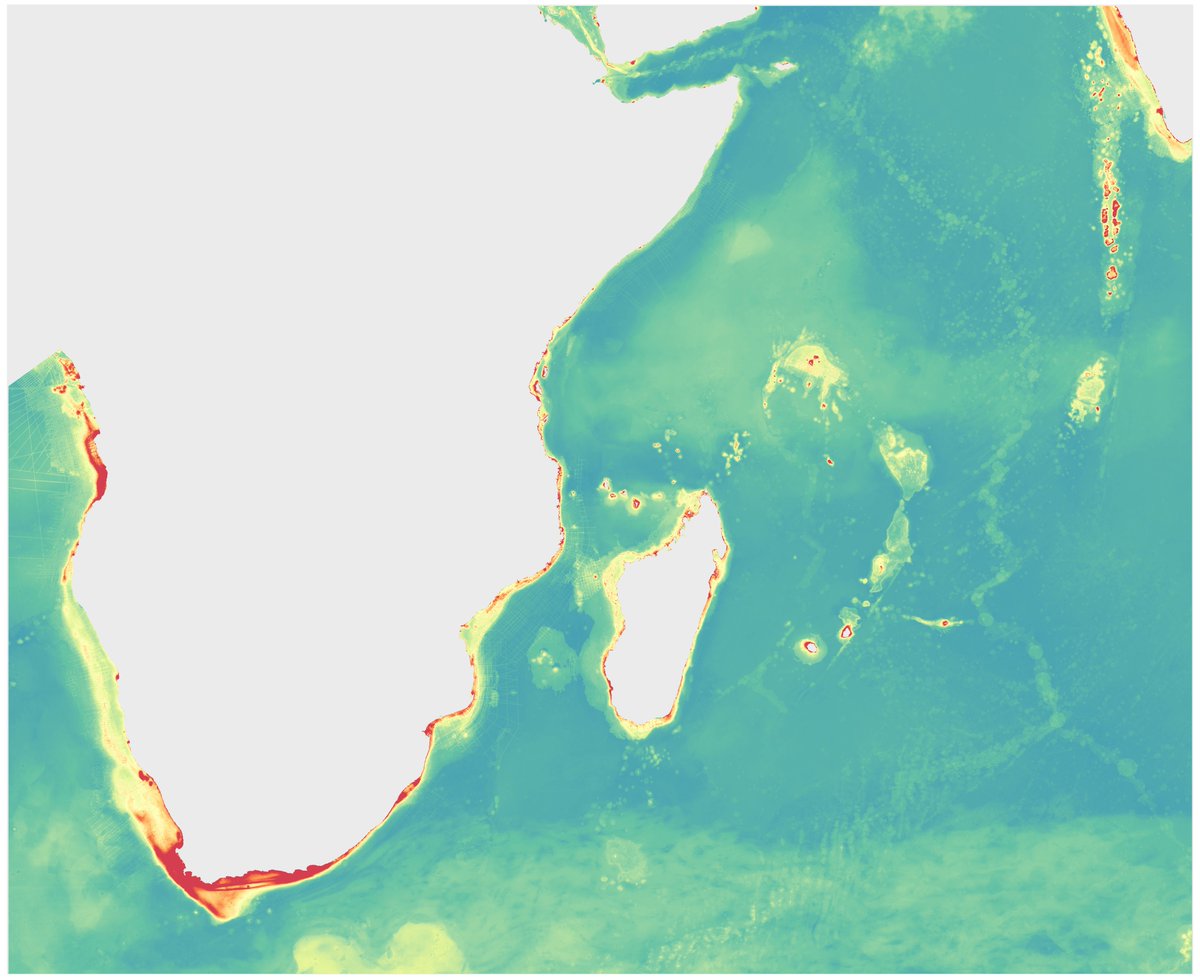
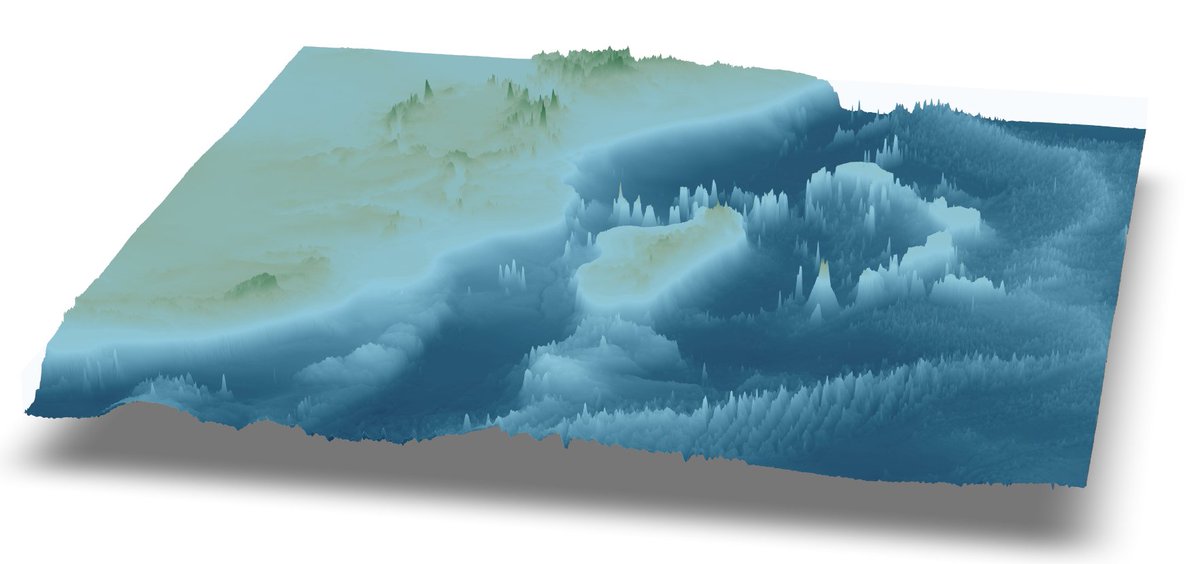
The Western Indian Ocean in all its glory. More fun with #rayshader in #rstats. To the south-east of Madagascar you see the Southwest Indian Ridge. To the north-east you see the Mascarene Plateau, which emerges in a few spots, such as Seychelles, Mauritius and Reunion.
@AdamFSmith That's a good point Adam, but all the more reason to prioritize areas close to people, in my opinion. Such areas would be in greater need of management of invasive species compared to remote areas.
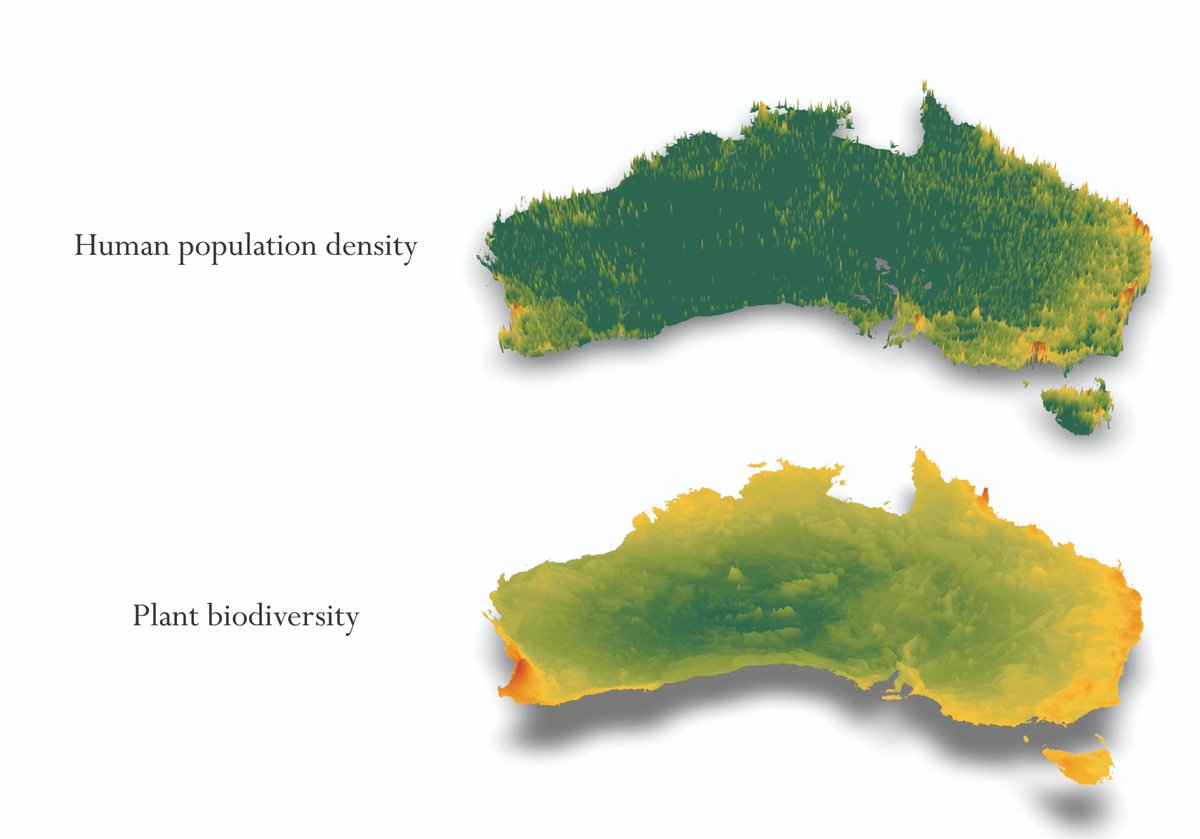
(1) Playing around with #rayshader in #rstats to explore some interesting natural relationships. Humans tend to inhabit areas of high biodiversity. This seems intuitive because these areas have natural resources. But, in #conservation we tend to protect areas far from people.