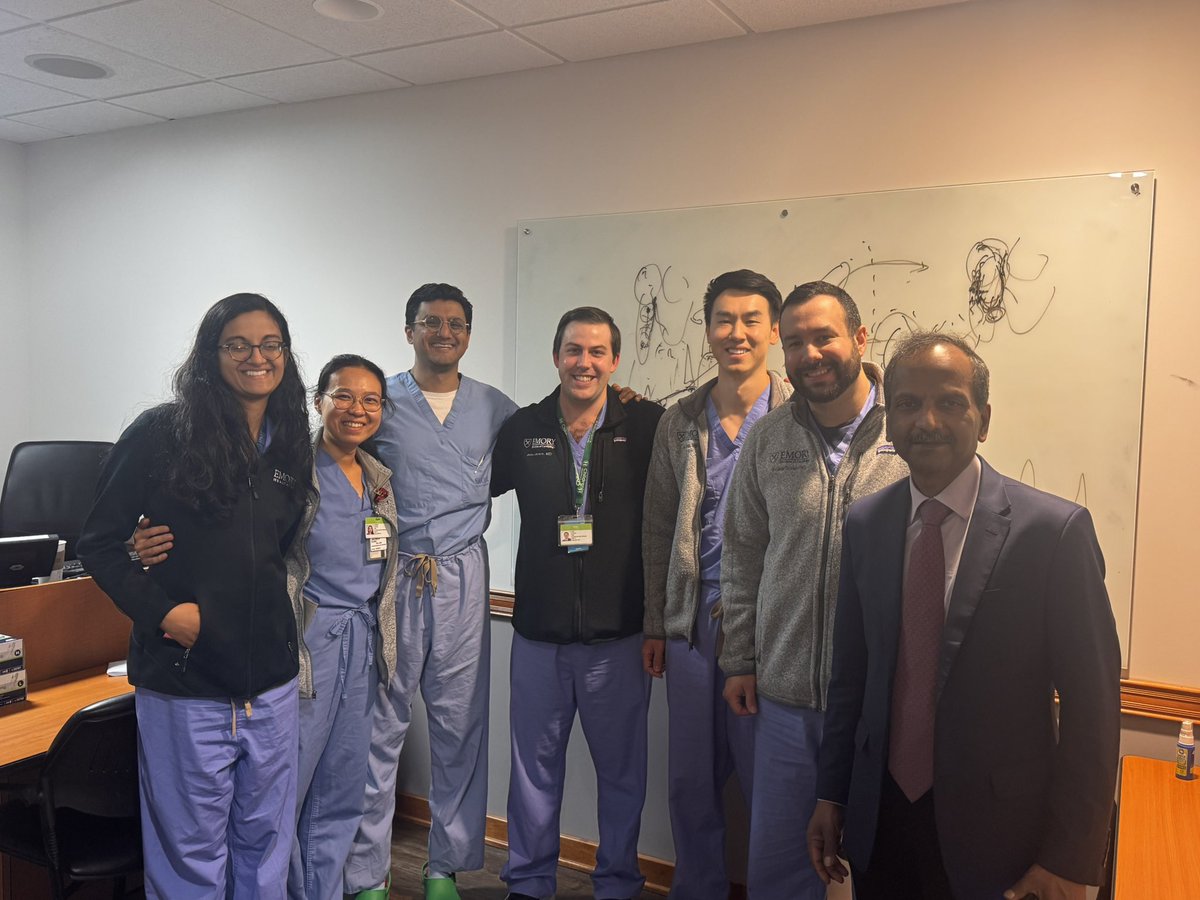
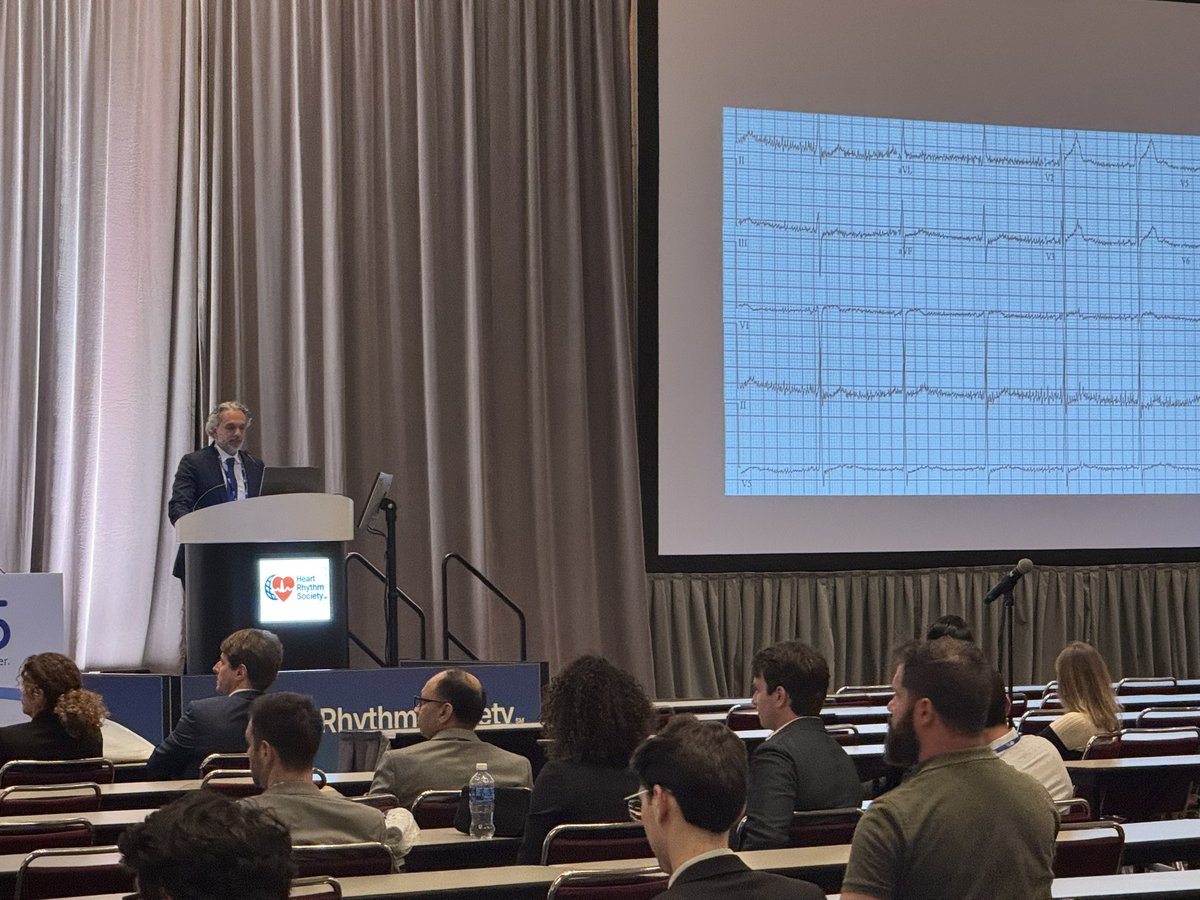
Immediately following the #LBCT presentation at #HRS2026, Heart Rhythm TV host @Nashwa_Salem_, sat down with @danealson, to discuss Ventricular Intramyocardial Navigation and Tachycardia Ablation Guided by Electrograms (VINTAGE): First-in-Human Experience with a Novel Therapy for Refractory Ventricular Arrhythmias. See the full discussion here #EPeeps ➡️ https://t.co/UEC2wyKcVc
What if we stopped chasing VT from the surface…
and went straight to the source?
Presenting VINTAGE (intramyocardial navigation + ablation) as a late breaker at #HRS2026 tomorrow.
A new paradigm for deep substrate arrhythmias.
Ventricular Intramyocardial Navigation and Tachycardia Ablation Guided by Electrograms (VINTAGE): First-in-Human Experience with a Novel Therapy for Refractory Ventricular Arrhythmias.
Sunday April 26 12:15 PM Room SC100C, McCormick Place
@FaisalMMerchant@melchami99@rimhalabymd@ChrisGBruce13@ajrogers_md@BadhwarNitish@AdamGreenbaumMD@emoryhealthcare
The American Heart Association mourns the passing of the legendary cardiologist Eugene Braunwald, M.D., widely recognized as one of the most influential figures in the history of cardiovascular medicine. Over seven decades, his work reshaped the understanding and treatment of heart disease, leading many to call him the father of modern cardiology.
Braunwald was a lifelong contributor to the American Heart Association, helping advance its research and scientific mission, and was honored with some of the Association’s highest honors for his lasting influence on cardiovascular care and research. His influence extended well beyond his own discoveries, as generations of Association‑supported investigators, clinicians and academic leaders were trained by Braunwald or guided by the clinical trial standards and mentorship models he helped establish.
https://t.co/ieZuHYMyOP
A back table illustration of the technique published by @PCRonline to remove a stuck perclose footplate in the vessel!
Simple and I believe can get us out of trouble!
https://t.co/UOG0sfoOT4
#CardioX peeps, comments welcome
Answer: Classical example of a paroxysmal AVB. It starts with a PVC and ends with a PJC (slightly different QRS morphology than in SR). There are 3 different types of paroxysmal AVB. Please read this: https://t.co/cnXWyZwLPD
In the latest edition of ACC Cardiology Hour, Valentin Fuster, MD, PhD, MACC, is joined by expert panelists in a dynamic discussion on the top LBCTs released during #ACC25. Don’t miss key takeaways & expert analysis on ALIGN-AR, Evolut Low Risk, & more. https://t.co/EqL1UuZm4k
🆕 2025 ACC/AHA/ACEP/NAEMSP/SCAI ACS Guideline highlights the importance of the most recent clinical evidence in treating patients w/ heart attacks and other #cvACS.
Access the guideline here: https://t.co/f6Cm2XqSsP
@JACCJournals#ClinicalGuidelines#JACC